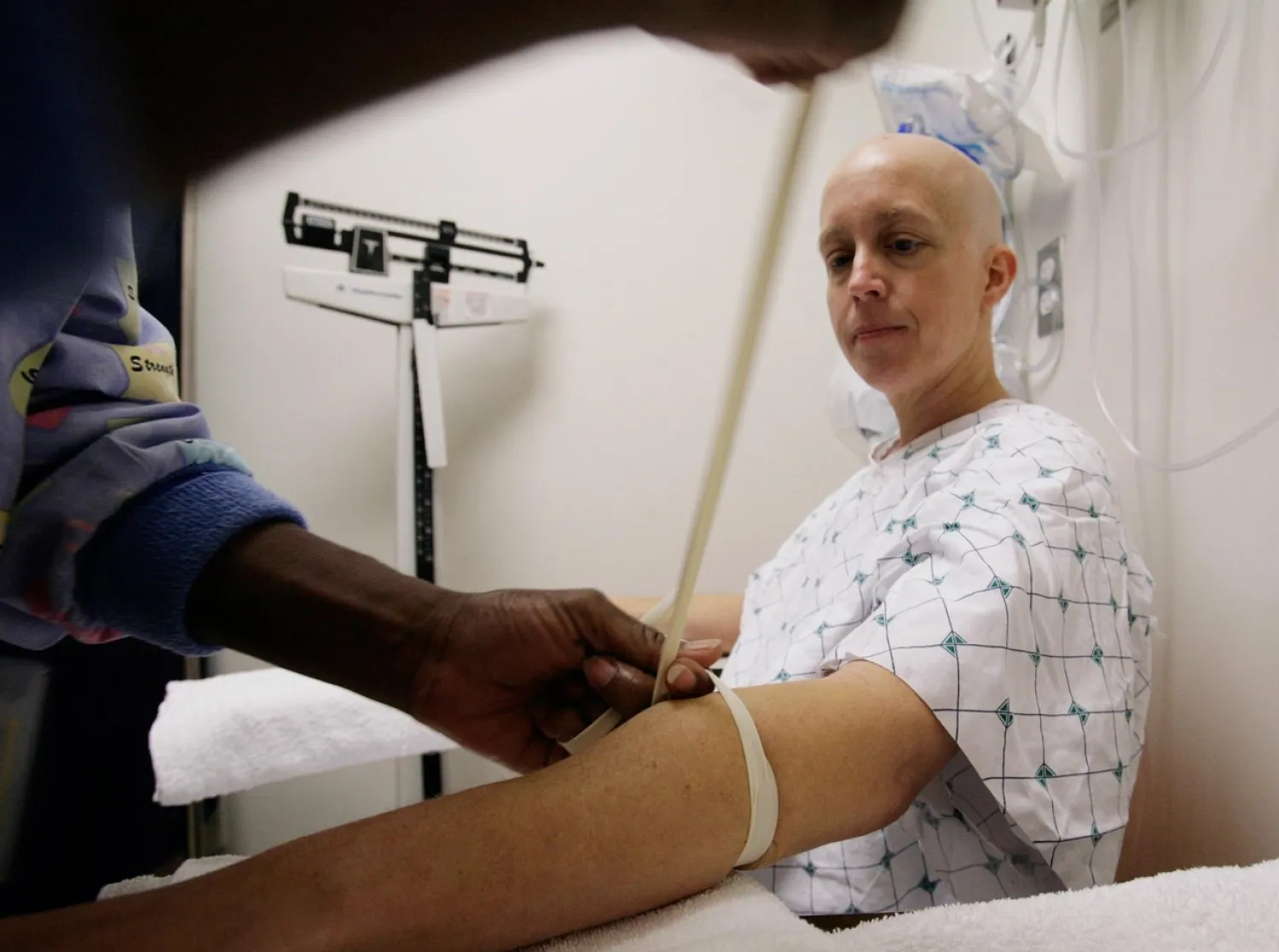

Delaying cancer treatment by just a month can significantly increase the risk of death for patients, said a new study that raises alarm over the effects of the coronavirus pandemic on other health conditions. Treatment delays occur during normal times, but the spread of Covid-19 has resulted in unprecedented disruption of health services.
In the new study published in the BMJ Medical Journal, researchers in the UK and Canada analyzed 34 studies published in the two past decades to know if delays in treating seven types of cancer – whether for surgery, radiation therapy, or chemotherapy – had a significant impact on patient mortality.
"Before the pandemic, treatment delays happened occasionally, and affected 10 to 15 percent of patients," co-author Ajay Aggarwal, a clinical oncologist told AFP. The new study found even a one-month postponement could mean a patient had a six to 13 percent higher risk of dying - the longer the wait for treatment, the higher the risk.
Researchers estimated that a delay of 12 weeks in surgery for all patients with breast cancer during Covid-19 lockdowns would lead to 1,400 more deaths in the UK and 6,100 in the United States over the course of a year.
The authors described the findings as "sobering." Many hospitals with major coronavirus outbreaks were initially forced to postpone non-emergency procedures to increase the number of beds and provide more healthcare staff to help covid-19 patients.
Some countries published recommendations on priorities for cancer surgeries that contradict the results of this study.
In Britain, researchers said a number of conditions were considered safe to be delayed from 10 to 12 weeks, including all colorectal surgery as these cases don't threaten patients' lives.
However, the researchers concluded that "increasing the delay for this type of operation to 12 weeks instead of six increases the risk of death by 9 percent. Overall, they found that delaying surgery for four weeks increased the risk of death by 6 to 8 percent; postponing radiotherapy treatments for people with head and neck cancer also increases death rate by 9 percent. The risk hit 13% in some cases, such as supportive therapy (which support the main treatment to avoid the risk of recurrence) in people with colorectal cancer. Prolonging the delay to eight or twelve weeks, in terms of breast cancer surgeries, would increase the risk of death by 17 percent and 26 percent, respectively, according to the researchers.