


Saudi Optimism For A More Robust Global Economy to Face Future Shocks

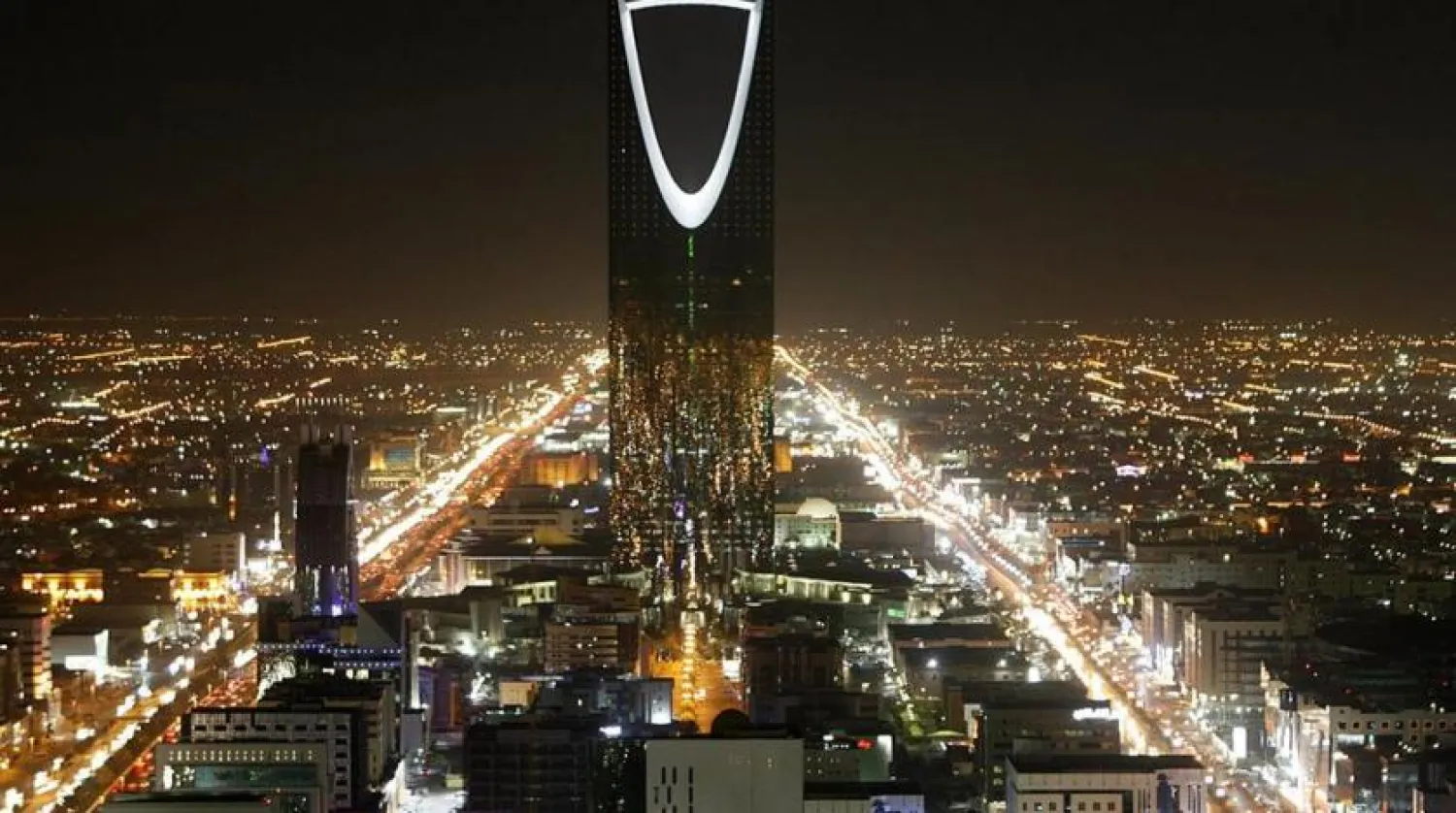
A general view of the Saudi capital Riyadh. (Reuters)
TT

Saudi Optimism For A More Robust Global Economy to Face Future Shocks

A general view of the Saudi capital Riyadh. (Reuters)

Saudi officials voiced optimism towards the G20 2020 Riyadh summit producing a policy and recommendations platform that would enhance the recovery of the global economy from the repercussions of the coronavirus pandemic.

The outcome of the G20 summit, slotted for November 21-22, is also expected to help create a more robust global economy to face any future shocks.

The upcoming G20 Leaders’ summit, held under the Saudi Presidency, aims to move forward in the spirit of “cooperation and solidarity” to overcome global challenges, Saudi Arabia’s Minister of Finance Mohammed al-Jadaan said, according to the Saudi Press Agency (SPA).

“We are proud of the Kingdom for chairing and organizing the G20 Leaders’ summit this year during this difficult period that the whole world is going through due to the COVID-19 pandemic,” al-Jadaan said in a statement to SPA.

Al-Jadaan stated that the Kingdom’s Presidency of the G20 launched the initiative to suspend debt service payments, allowing the world’s poorest countries to postpone the payment of $14 billion of debts owed by them this year.

“The upcoming G20 Leaders’ summit chaired by Saudi King Salman will seek to strengthen international cooperation to support global economic recovery and lay solid foundations for strong, sustainable, balanced and comprehensive growth,” the minister said.

Al-Jadaan added that the Kingdom is tirelessly working with G20 partners around the world in order to overcome the global coronavirus crisis and “emerge from it with a more robust global economy to face any future shocks.”

The Saudi Arabian Monetary Authority (SAMA) Governor Ahmed Alkholifey confirmed that the Kingdom of Saudi Arabia has achieved many accomplishments related to the agenda of coordinating policies, finding solutions and developing initiatives that enable the G20 to achieve the slogan of this year, "Realizing Opportunities of the 21st Century for All".

In a statement to the Saudi Press Agency (SPA), Alkholifey explained that the main priority for financial legislation was set under the title “Framing Supervisory and Regulatory Issues for the Digital Era" and a number of basic priorities fall under this goal, most notably agreeing on road map to boost global cross-border payments, a historic step aimed at improving global cross-border payment arrangements.

Alkholifey indicated that the Kingdom's presidency worked with the G20 countries and relevant international organizations to discuss the best ways to develop the digital infrastructure, in addition to coming up with many reports and supported studies, most notably the “G20 High-Level Policy Guidelines on Digital Financial Inclusion for Youth, Women, and SMEs.”

These guidelines provide a set of featured policy options targeting financial inclusion gaps for youth, women, and SMEs through digital financial services in order to reach conditions in which all people can live, work and thrive; as well as utilize and share benefits of innovations and digitalization.



Sudan Edges Closer to Currency Split

A 1,000-pound note print (X)
TT

Sudan Edges Closer to Currency Split

A 1,000-pound note print (X)

Sudan’s division is no longer confined to geography, administration and public services. It has begun to touch one of the state’s most sensitive institutions.

New 1,000- and 500-pound banknotes, issued by the Central Bank of Sudan in May 2022, have been observed circulating in areas controlled by the Rapid Support Forces, raising questions about the future of the national currency's unity and the central bank’s ability to maintain authority over the country’s cash supply.

The RSF-aligned government, based in Nyala, has allowed the circulation of banknotes bearing the signature of former Central Bank of Sudan governor Hussein Yahia Jangol after reappointing him to the same post as governor of what it calls a parallel central bank.

The Nyala government has banned other denominations bearing the signature of Burai al-Siddiq, who succeeded Jangol at the central bank. Meanwhile, Mohamed Hasan al-Taishi, prime minister of the parallel government, has announced monetary and banking policies that he said are aimed at building an integrated financial system.

Asharq Al-Awsat has learned from a source whose identity has not been definitively established that the circulation of new banknotes in RSF-controlled areas is not the first such case. It remains unclear whether the notes had been stored previously or were newly printed.

Bankers and economists say the danger lies not in the banknote itself, but in the authority controlling its issuance and circulation, and in the possible impact on the effectiveness of economic policy, confidence in the national currency and the stability of the financial system.

Experts say the effectiveness of monetary policy depends mainly on the Central Bank of Sudan’s ability to exercise authority over the money supply, manage liquidity, ease pressure on the foreign exchange market, control inflation and support exchange-rate stability.

If cash circulates outside that authority, measuring the money supply becomes more complicated. It also weakens the monetary authorities’ ability to fight inflation, manage liquidity, contain pressure on the exchange rate, maintain price stability and protect the financial system.

According to data released by the Central Bank of Sudan in April, money supply growth stood at 27.3%, reflecting challenges in liquidity management, especially given the exceptional conditions the country faces.

Experts say the circulation of banknotes in RSF-controlled areas further complicates measuring the money supply, particularly the component of currency circulating outside the banking system.

It also reduces the accuracy of monetary indicators and weakens the design and implementation of monetary policy, leading to lower confidence in the national currency and limiting the ability of institutions to enforce economic policies uniformly across the country.

According to the Central Bank of Sudan’s economic and financial review issued last December, currency held by the public accounted for about 97.4% of total currency in circulation, compared with only 2.6% held by commercial banks.

This high level of cash circulating outside the banking system points to the spread of direct cash transactions, limiting the banking sector’s ability to mobilize savings and making liquidity management more difficult.

Experts say any additional circulation of cash outside the central bank’s authority would deepen economic imbalances and obstruct the management of the money supply and the stability of the monetary and financial systems.

Informal economy

Recent studies indicate that Sudan’s informal economy accounts for about 60% of economic activity, a high level that limits the effectiveness of policy and weakens the state’s ability to measure and manage it.

Sudan’s economy still relies heavily on cash transactions compared with electronic payment methods. Despite recent developments in banking applications, financial inclusion and banking penetration remain below the required level. This strengthens the parallel economy and limits the efficiency of economic policies and their development into a “real” economy.

From the perspective of experts and bankers, the scenario of Sudan moving toward two banking systems appears technically and institutionally unlikely in the near term. Establishing an independent banking system requires more than issuing banknotes.

It requires a central bank capable of carrying out its core functions, including managing monetary policy, operating payment and settlement systems, supervising and regulating banks, managing reserves and establishing banking relationships with foreign correspondent banks. These requirements are difficult to meet under current conditions.

Financial bodies have warned that the continuation of the conflict could lead to the emergence of a parallel financial network carrying out banking functions informally, especially money transfers, cash movement and local trade financing.

Two central banks

Some countries that have suffered prolonged conflicts, such as Somalia, have seen the significant development of private money transfer networks that have effectively performed part of the banking system’s functions, while remaining outside the official regulatory framework. In Sudan’s case, the expansion of such channels could reduce the role of the formal banking sector.

Although Sudan does not yet have a parallel central bank exercising full institutional functions, as is the case in eastern Libya, this may depend on how long the conflict continues.

Sudan could gradually move closer to the Libyan model, with the Sudanese pound remaining one national currency legally, while multiple banknote issues circulate, acceptance levels vary from one region to another and partial cash markets emerge.

Sudanese authorities had previously ruled out the possibility that the RSF would print a new currency through companies or in countries subject to the global banking system.

Former Finance Minister Ibrahim Elbadawi told Asharq Al-Awsat that what happened was natural and expected, given the continuation of a fierce war for more than three years.

Elbadawi said the larger dilemma was the “insistence on war,” despite the difficulty of either side achieving a “decisive victory.” He added: “Most civil conflicts end in political settlements, and this is especially true of the Sudanese war.”

Tasis Prime Minister Mohamed Hasan al-Taishi said in press remarks that his government was moving ahead with monetary and banking policies to build an integrated financial system. He did not comment directly on reports about the introduction of new banknotes in Nyala.

Taishi said citizens in areas administered by his government had faced difficulties obtaining banking services and making money transfers due to conditions imposed by the war and institutional divisions.

The man leading the RSF-aligned government and the Tasis alliance renewed accusations against the army-led government, saying it had targeted citizens in areas under his control by “changing the currency,” draining markets of cash and using liquidity as a pressure card and a tool of war.

He said that all matters related to currency printing fall under the authority of the monetary authorities and relevant technical bodies. Any arrangements related to cash management or liquidity provision, he said, are carried out in accordance with carefully studied technical plans aimed at maintaining economic stability and meeting the needs of citizens and markets.

Taishi announced last May the creation of a “Transitional Currency Council,” defining its role as regulating monetary and banking affairs, managing currency circulation, supervising currency replacement programs and granting banking licenses in coordination with the governor of the Central Bank of Sudan in Nyala.

In recent months, the Tasis government established Future Bank, the first commercial bank to offer several banking services, including foreign currency transfers.

After the war broke out between the Sudanese army and the RSF in April 2023, banks went completely out of service in the western region of Darfur. This led to a severe liquidity shortage in markets and the deterioration of banknotes in circulation, while the Sudanese government continued to tighten controls at crossings to prevent any new currency from entering those areas.


Iraq Plans to Raise Oil Production to 7 Million Barrels Per Day

Workers walk across pipelines at the Rumaila oil field in Basra, Iraq (Reuters)
TT

Iraq Plans to Raise Oil Production to 7 Million Barrels Per Day

Workers walk across pipelines at the Rumaila oil field in Basra, Iraq (Reuters)

Iraq plans to raise oil production to seven million barrels per day (bpd) within the next three years, Prime Minister Ali al-Zaidi said on Saturday.

“We have already presented this vision to US companies,” al-Zaidi said during an interview with Sky News, according to a statement from his media office.

Iraq's current production is about 4.2 to 4.3 million bpd.

The PM said his upcoming trip to Washington is not just a routine protocol visit, noting that Iraq prioritizes US companies in the energy, communications, technology, and development sectors.

Al-Zaidi will make an official visit to Washington, DC, in mid-July following a White House invitation from US President Donald Trump.

“The visit represents the announcement of a new phase of partnership,” he said, adding that the United States is a strategic partner for the country's economic development.

Al-Zaidi said the next phase of the partnership will focus on economic, investment, and development cooperation to transition from a military alliance to a sustainable economic bridge that serves both nations.

The PM said he has directed the Ministries of Oil, Electricity, and Communications to prioritize US companies in the energy, communications, technology, and development sectors.

“The Ministerial Council for the Economy has made key decisions regarding major oil projects,” he affirmed, granting international firms like Chevron, Halliburton, and HKN Energy opportunities in new fields and exploration blocks.

Also, the communications sector is moving toward strategic cooperation with Starlink to strengthen Iraq’s digital infrastructure, he said.

In Washington, al-Zaidi said Iraq will discuss the Energy and Development Fund project, to scale up production from 500,000 bpd up to two million bpd, potentially outside OPEC quota constraints.

“The fund’s capital will be domiciled strictly in reputable US banking institutions and directly utilized to finance mega-projects in electricity and civil infrastructure,” he said.

The Prime Minister stated that the fund's financing could reach approximately $400 billion over three decades, with gradual growth tied to project performance and the implementation speed of the involved companies.

He affirmed that the US is a strategic partner in Iraq’s development and economic plans.
Al-Zaidi noted that “as a result of regional crises, Iraqi oil exports have declined to limited levels, and we are working to restore full export capacity.”

Also, Iraq is working to secure a fair share in oil production within OPEC, in line with the country’s capabilities, he said.

The PM said Baghdad is working to establish a Development Fund backed by a contribution from the Central Bank of Iraq with public subscription open to all citizens.

He said regional and international partnerships will finance the Fund’s projects according to market needs, thus stimulating the economy and creating jobs.


World Bank Approves $1.1 Billion Emergency Financing for Bangladesh

Mohammad Yusuf, a farmer, speaks on his phone as he arrives at a fuel station to buy diesel to irrigate his paddy field, but finds none available amid a fuel crisis, in Manikganj, Bangladesh, April 8, 2026. (Reuters)
TT

World Bank Approves $1.1 Billion Emergency Financing for Bangladesh

Mohammad Yusuf, a farmer, speaks on his phone as he arrives at a fuel station to buy diesel to irrigate his paddy field, but finds none available amid a fuel crisis, in Manikganj, Bangladesh, April 8, 2026. (Reuters)

The World ‌Bank approved $1.1 billion in emergency financing for Bangladesh to help secure food supplies, support vulnerable households and businesses due to the rising prices of fertilizer, fuel and food from the Middle East conflict.

Bangladesh is also seeking additional external financing from development partners, including the International Monetary Fund (IMF), to shore up foreign exchange reserves and ease pressure on public finances following a surge in ‌energy import costs and ‌broader economic challenges.

The World Bank ‌package ⁠comprises two projects ⁠aimed at helping the country manage external shocks and maintain economic stability.

Of the total, $300 million will be provided under the Emergency Support for Food Security Project to finance imports of 600,000 metric tons of fertilizer for the upcoming ⁠rice seasons. Bangladesh imports more than 85% ‌of its fertilizer requirements, ‌making it vulnerable to disruptions in global supply chains.

"Rising ‌food, fertilizer and fuel prices stemming from ‌the Middle East conflict, coupled with tighter fiscal space, have deeply affected Bangladesh's economy, particularly smallholder farmers and poor and vulnerable households," Jean Pesme, the World Bank's ‌division director for Bangladesh and Bhutan, said in a statement.

The project will ⁠support rice ⁠cultivation across 1.4 million hectares (3.46 million acres) of farmland.

The remaining $713 million, approved under the Contingent Emergency Response Project, will finance emergency expenditures, including cash transfers and livelihood support for affected households and small businesses.

It will also help fund fuel and energy imports needed to sustain essential services, including healthcare, food distribution, electricity and water supplies.

The World Bank said the financing would help Bangladesh respond rapidly to economic shocks while protecting jobs, livelihoods and critical services.