


G20 Riyadh Summit to Expedite Global Economic Recovery to Pre-Pandemic Levels

A billboard bearing the portraits of King Salman bin Abdulaziz (right) and his son, Crown Prince Mohammed bin Salman, is seen on November 18 in Riyadh ahead of the G20 summit. (Getty Images)
TT

G20 Riyadh Summit to Expedite Global Economic Recovery to Pre-Pandemic Levels

A billboard bearing the portraits of King Salman bin Abdulaziz (right) and his son, Crown Prince Mohammed bin Salman, is seen on November 18 in Riyadh ahead of the G20 summit. (Getty Images)

Saudi economists predicted that outcomes of the 2020 G20 Riyadh summit would contribute to stimulating recovery for the global economy at a rate of 50%, compared to pre-pandemic levels. Also, the volume of global stock supplies and goods is expected to increase by 18%.

This comes in parallel with forecasts of a 4.9% contraction of the global economy in 2020.

The G20, under Saudi Presidency, has exerted efforts to stimulate economies through suspending debt services until mid-2021 and encouraging the private sector to do the same. Work was also poured into having international financial organizations play greater financing and stimulating roles to strengthen economies, especially in developing and poor countries.

“I expect that results reached at the G20 summit will lead to an increase in global economic growth and a hike in global stocks of supplies and goods by 18% according statistical forecasts issued by the World Trade Organization,” said Mohammed bin Daleem Al-Qahtani, a Professor of International Management at King Faisal University.

He noted that the increase will come in light of a staggering 80% trade recession being recorded when the first wave of the coronavirus pandemic hit.

Al-Qahtani explained that unified G20 stances on climate change coupled with the EU’s staunch support for green and sustainable recovery, and the UN’s Sustainable Development Goals will likely boost the growth of a carbon circular economy and ensure the future of global trade.

The academic also highlighted successes achieved on the matter by the Saudi Presidency at the international forum.

He also anticipated that G20 initiatives undertaken during the Saudi Presidency will help put the global economy on track for recovery, restoring 50% of what was lost during the pandemic.

This coincides with considerable optimism towards an affordable and fairly-priced vaccine soon becoming available on the market. Leaders of G20 countries had also stressed the need to coordinate recovery efforts on an international level.

Dr. Abdul Rahman Baeshen, head of the Al-Shorouk Center for Economic Studies, told Asharq Al-Awsat he expected that the G20 final communique will promote economic growth, protect the world against climate change and revive the circular carbon economy at the onset of 2021.

Baeshan also expressed optimism towards the G20 summit helping in meeting the emergency financing demand of the global health sector with global cooperation ensuring the distribution of rapid testing kits, treatment and safe vaccines.


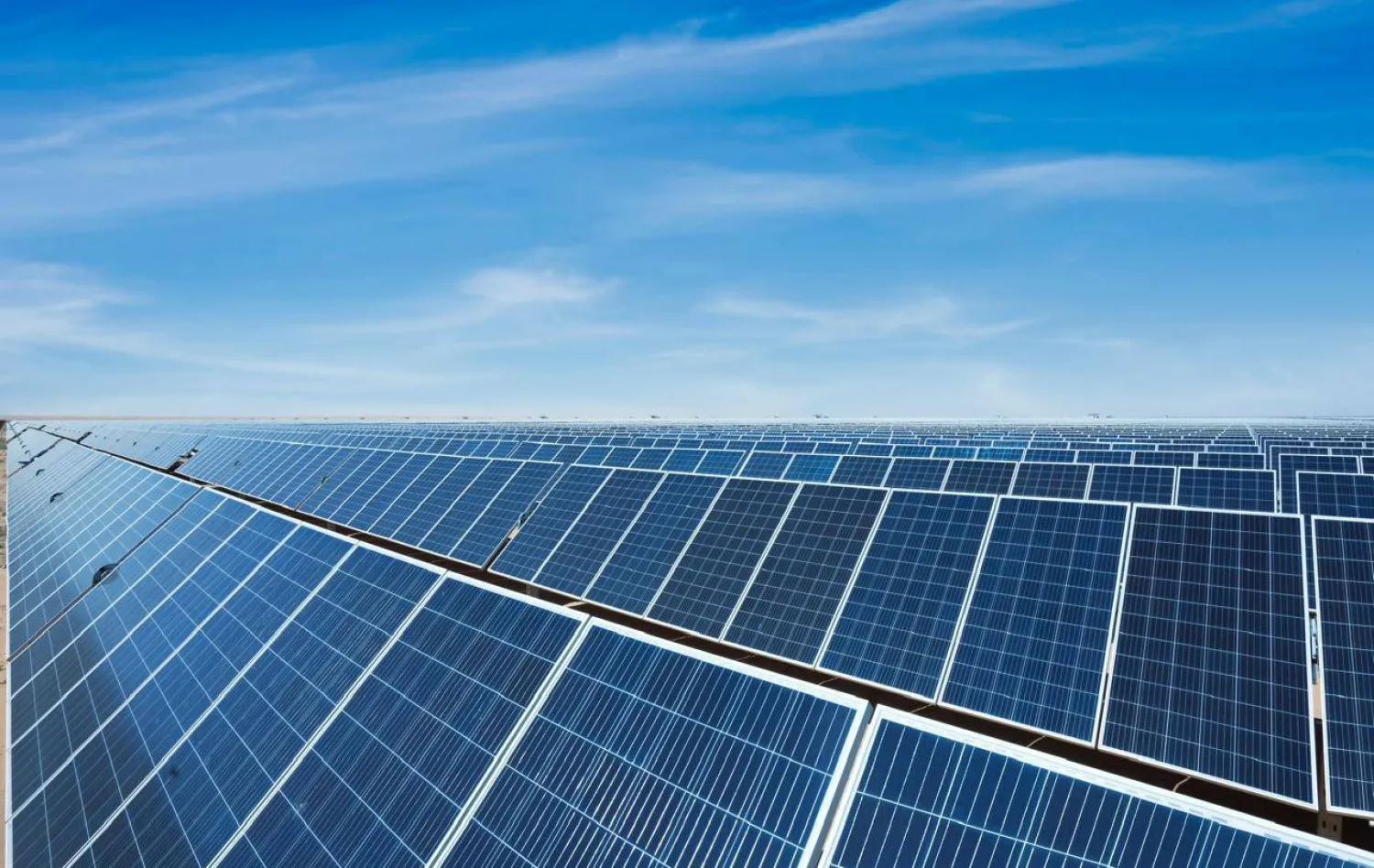

Behind the Sun and Wind, Saudi Arabia Invests in 'Stored Energy'

“Bisha Battery Energy Storage Project” (Saudi Ministry of Energy)
TT

Behind the Sun and Wind, Saudi Arabia Invests in 'Stored Energy'

“Bisha Battery Energy Storage Project” (Saudi Ministry of Energy)

As solar and wind projects reshape Saudi Arabia's energy landscape, a new market is taking shape, focused on electricity storage. As reliance on renewable energy sources expands, batteries are emerging as a critical component of the system, storing electricity when it is available and feeding it back into the grid when demand rises.

This shift is not limited to adding a new technology to the power sector. It is gradually establishing a standalone investment activity in which batteries are evolving from a supporting solution for renewable energy projects into part of the infrastructure needed to manage electricity and enhance grid flexibility and reliability.

Saudi Arabia is taking another step in this direction with the Saudi Power Procurement Company signing four agreements for independent battery energy storage projects, with a total capacity of 2,000 megawatts for four hours and investments exceeding 4.35 billion riyals ($1.16 billion). The agreements were signed in the presence of Prince Abdulaziz bin Salman, Minister of Energy, Minister of Industry and Mineral Resources, and Chairman of the company's board of directors.

Four Projects Shaping the Storage Market

The first group includes three projects signed with a consortium comprising Saudi Energy Company, ACWA Power, and Al Sharif Contracting and Commercial Development. The projects are Al Muwayh and Hadn in Makkah Province, and Al Kahfa in Hail Province, each with a capacity of 500 megawatts for four hours.

The group also includes the Al Khashibi project in Qassim Province, with the same capacity. Its agreement was signed with a consortium comprising ENGIE and Alhaj Abdullah Ali Reda & Co. Ltd.

These projects are part of the first group of energy storage projects being developed under a build, own and operate model, as part of the energy sector's efforts to enhance the reliability and efficiency of electricity generation in Saudi Arabia.

"Storage" Strengthens Renewable Energy

In an analysis of the project, Dr. Mohammed Al-Sabban, a former senior adviser to the Saudi oil minister, told Asharq Al-Awsat that this approach addresses the energy sector's needs for the next phase, amid the rapid expansion of renewable energy sources.

He explained that battery energy storage is a key driver in strengthening the role of renewable energy sources, particularly solar and wind, within Saudi Arabia's electricity generation system.

Al-Sabban said the importance of storage stems from the nature of renewable energy sources, as the energy they generate is typically available within a limited period of no more than four hours. Storing this energy in batteries therefore plays an important role in extending the period during which it can be used and making it available to meet electricity sector needs at later times.

He noted that the current capacity, despite its importance, remains insufficient on its own given weather fluctuations and the limited period during which solar energy can be utilized, particularly after sunset. This further underscores the importance of these projects in the next phase to improve the efficiency of renewable energy utilization.

"Storage" Reshapes the Electricity System

Financial and economic adviser Dr. Hussein Al-Attas told Asharq Al-Awsat that signing these agreements simultaneously carries an important message: Saudi Arabia is no longer viewing renewable energy simply as an addition of new generation capacity. Instead, it is moving toward building an integrated electricity system encompassing generation, storage, load management, and improved grid reliability.

He explained that storage is the link that transforms solar and wind from intermittent sources into resources that can be managed and utilized when needed. He considers this a sign of greater maturity in the power sector, particularly given the targeted expansion of renewable energy sources.

These projects also contribute economically by improving the utilization efficiency of electricity assets and reducing the need to build conventional capacity that operates only during peak hours, while also enhancing grid stability. The value, he stressed, lies not only in the batteries themselves, but in the flexibility they add to the entire power system.

Billions Offer an Opportunity for Local Content

Al-Attas said the value of the contracts represents a good opportunity for local content, while emphasizing the need to distinguish between battery manufacturing itself and the rest of the value chain. He expects opportunities in the initial phase to focus on civil, electrical, construction, installation, operations, and maintenance work, in addition to some assembly and supporting systems, while cells and advanced battery technologies will initially remain more dependent on imports.

He stressed that the more important economic factor is the size of the future market. Saudi Arabia's emergence as a large and stable market for energy storage projects could create a genuine incentive to localize assembly plants, followed by some components and potentially broader manufacturing later. Industry does not move into a market simply because one or two projects exist, he noted, but when it sees sustained demand and clear economic scale. This highlights the importance of maintaining Saudi Arabia's storage program.

A Standalone Investment Asset

Al-Attas believes these projects represent an important step toward treating energy storage as an independent investment asset class rather than simply a component of a solar or wind power plant.

He explained that the presence of 15-year long-term contracts, a clear contractual structure, and predictable cash flows makes this type of asset more attractive to investors and project financiers.

He noted that storage's appeal compared with conventional generation plants lies in the different service it provides, namely flexibility and the ability to supply energy when it is needed. Compared with renewable energy projects, storage addresses one of their biggest challenges: the mismatch between the timing of generation and the timing of demand.

ACWA Expands Its Presence in Energy Infrastructure

ACWA Power stands out as one of the key parties in the three projects in Makkah Province and Hail, with a stake of approximately 35 percent. Al-Attas sees this as reflecting a move toward building a broader portfolio of energy infrastructure assets rather than focusing solely on electricity generation projects.

Through these projects, Saudi Arabia aims to increase the share of renewable energy and energy storage systems in its energy mix to around 50 percent by 2030, in line with growing electricity demand and in a way that contributes to enhancing the reliability, efficiency, and operational flexibility of the system.

The Saudi Power Procurement Company, in its capacity as the "principal buyer," is responsible for preparing preliminary studies and tendering electricity generation and energy storage projects, as well as signing power purchase agreements and energy storage service agreements with the developer consortia.

The reshaping of the electricity system is not limited to adding storage capacity. The move coincides with parallel efforts to strengthen the grid infrastructure itself to keep pace with the expected expansion of new generation sources. Saudi Energy Company has signed a cooperation agreement with Bpifrance to finance electricity grid development and expansion projects and provide financing solutions for the company's procurement and infrastructure projects.

The agreement was signed during the Saudi-French Investment Roundtable in Paris, coinciding with the official visit of Prince Mohammed bin Salman, Crown Prince and Prime Minister of Saudi Arabia, to France.

The agreement builds on a previous memorandum of understanding to establish a financing facility worth up to $3 billion, aimed at supporting the procurement program and electricity infrastructure projects, including equipment related to grid stability.

Ultimately, the picture taking shape today is not just about batteries. It is about what Saudi Arabia's electricity system could become in the coming years: solar and wind generating electricity, batteries storing it, and a grid better equipped to transmit and manage it when needed. Between these components, a new market is taking shape that could become one of the energy sector's most prominent investment stories in the next phase.


Mawani Adds 'RC2' Shipping Service to Jeddah Islamic Port

Mawani Adds 'RC2' Shipping Service to Jeddah Islamic Port
TT

Mawani Adds 'RC2' Shipping Service to Jeddah Islamic Port

Mawani Adds 'RC2' Shipping Service to Jeddah Islamic Port

The Saudi Ports Authority (Mawani) has added the "RC2" shipping service, operated by Ocean Network Express (ONE), to Jeddah Islamic Port, enhancing maritime connectivity between Saudi Arabia and the world, while reinforcing the port's growing competitive advantage and operational efficiency.

The new shipping service strengthens Jeddah Islamic Port's connections with the Chinese ports of Shanghai, Ningbo, and Nansha, as well as Aqaba in Jordan and Sokhna in Egypt, deploying vessels with a capacity of up to 1,643 twenty-foot equivalent units (TEUs).

The move is part of Mawani's efforts to improve Saudi Arabia's ranking in global performance indicators and support the flow of national exports.

Jeddah Islamic Port is an important logistics and commercial hub on the Red Sea coast. It covers an area of 12.5 square kilometers and has 62 berths, along with several specialized terminals and advanced facilities.

The port also has a number of berths for marine services, such as mooring and pilotage, and fully equipped halls for receiving pilgrims and visitors.


Gold Ticks Lower, US Inflation Data in Spotlight

Gold jewellery is displayed at a gold dealer shop window in Hatton Garden, London, Britain, 25 August 2026. (EPA)
TT

Gold Ticks Lower, US Inflation Data in Spotlight

Gold jewellery is displayed at a gold dealer shop window in Hatton Garden, London, Britain, 25 August 2026. (EPA)

Gold slips on Wednesday after scaling a more than three-month high in the previous session, as investors awaited a key US inflation report to gauge the Federal Reserve's interest-rate path.

Spot gold fell 0.6% to $4,626.79 per ounce, by 0625 GMT. Prices climbed to their highest since mid-May on Tuesday after last week's sharp gains following the ‌US Treasury's bond buyback ‌announcement. US gold futures lost 0.2% at $4,683.60.

The ‌Fed's ⁠preferred inflation gauge, ⁠the US Personal Consumption Expenditures (PCE) price index for July, is due at 1230 GMT. Attention is also on Fed Chairman Kevin Warsh's speech on Friday at the central bank's Jackson Hole symposium.

"For gold, the most supportive outcome would be softer-than-expected inflation combined with a dovish or balanced message from Warsh, reinforcing ⁠expectations for lower real yields and reducing the opportunity ‌cost of holding a non-yielding ‌asset," said Wael Makarem, financial markets strategists lead at Exness.

"A renewed deterioration ‌in confidence around US fiscal sustainability could also be ‌important (for gold), particularly given the recent Treasury buyback plans and their impact."

Earlier this month, data showed an unexpected decline in US nonfarm payrolls and in-line consumer inflation, tempering expectations of a September rate hike.

Traders ‌are pricing in a 61.6% chance that the Fed will leave rates unchanged next month, ⁠according to ⁠the CME FedWatch Tool.

On the geopolitical front, Iran said it had restarted talks with neighbor Oman to manage the Strait of Hormuz, sending oil prices lower.

The global economy has weathered the Iran war energy shock better than feared, International Monetary Fund Managing Director Kristalina Georgieva said. However, she raised concerns about deteriorating fiscal conditions in some countries.

Spot gold may retest a resistance at $4,681, a break above which may trigger a gain into the range of $4,707 to $4,743, according to Reuters technical analyst Wang Tao. Spot silver gained 0.2% to $68.75, platinum rose 0.3% to $1,863.58 and palladium firmed 0.7% to $1,335.54.