


Syria, Russia under Pressure over Use of Chemical Weapons

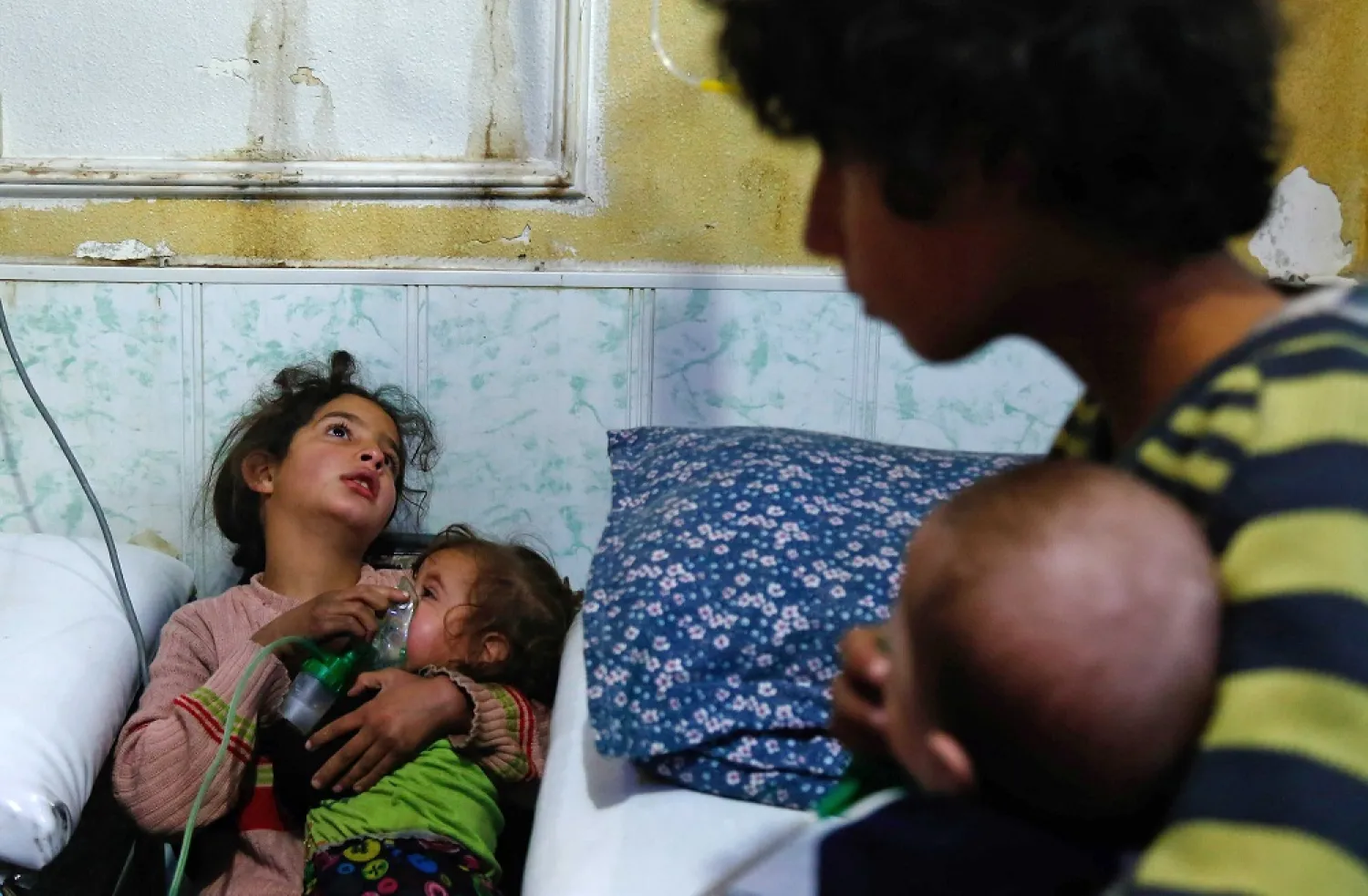
A Syrian girl holds an oxygen mask over the face of an infant at a make-shift hospital after a gas attack on Douma in the eastern Ghouta region on the outskirts of Damascus on January 22, 2018. (AFP)
TT

Syria, Russia under Pressure over Use of Chemical Weapons

A Syrian girl holds an oxygen mask over the face of an infant at a make-shift hospital after a gas attack on Douma in the eastern Ghouta region on the outskirts of Damascus on January 22, 2018. (AFP)

Syria and Russia faced renewed pressure over allegations of chemical weapons use as member countries of the Organization for the Prohibition of Chemical Weapons (OPCW) met on Monday.

Damascus faced calls for sanctions at the OPCW after investigators accused the Syrian regime of sarin attacks in 2017.

Russia and Syria have repeatedly denied the accusations, alleging that Western powers have politicized the Hague-based OPCW.

Syria had failed to meet 90-day deadline set in July to declare the weapons used in the attacks on the village of Lataminah and to reveal its remaining stocks, OPCW chief Fernando Arias said.

"The Syrian Arab Republic has not completed any of the measures," Arias told the meeting.

He said "gaps, inconsistencies and discrepancies" remained in Syria's account of its progress on its 2013 agreement to give up all chemical weapons following a suspected sarin attack that killed 1,400 people in the Damascus suburb of Ghouta.

France proposed that the OPCW should "suspend the rights and privileges" of Syria for failing to meet the deadline, French ambassador Luis Vassy said, adding that the proposal was backed by 43 states.

These would include Syria's voting rights in the OPCW, depriving it of a voice at a body where it has been deflecting allegations of toxic arms use for years.

Russia meanwhile came under pressure over the poisoning of opposition figure Alexei Navalny, which the politician and western governments have blamed on the Kremlin.

The OPCW has confirmed traces of the Soviet-era nerve agent Novichok in samples taken from Navalny in hospital in Germany, where he is recovering.

Arias said the OPCW was still in talks with Russia to send a fact-finding team there to investigate the incident, he said.

In a joint statement, 55 countries including the United States, Japan, Canada, Australia and many in Europe said they "condemn in the strongest possible terms" the attack on Navalny.

They urged Russia "to assist... by disclosing in a swift and transparent manner the circumstances of this chemical weapons attack" on Russian territory.

The OPCW has 193 member states and won the Nobel Peace Prize in 2013 for its work in destroying the world's stocks of chemical weapons.



EU Condemns Israel's West Bank Control Measures

The Israeli settlement of Har Homa, seen from the West Bank city of Bethlehem, Tuesday, Dec. 17, 2024. (AP)
TT

EU Condemns Israel's West Bank Control Measures

The Israeli settlement of Har Homa, seen from the West Bank city of Bethlehem, Tuesday, Dec. 17, 2024. (AP)

The European Union on Monday condemned new Israeli measures to tighten control of the West Bank and pave the way for more settlements in the occupied Palestinian territory, AFP reported.

"The European Union condemns recent decisions by Israel's security cabinet to expand Israeli control in the West Bank. This move is another step in the wrong direction," EU spokesman Anouar El Anouni told journalists.


Atrocities in Sudan's El-Fasher Were 'Preventable Human Rights Catastrophe'

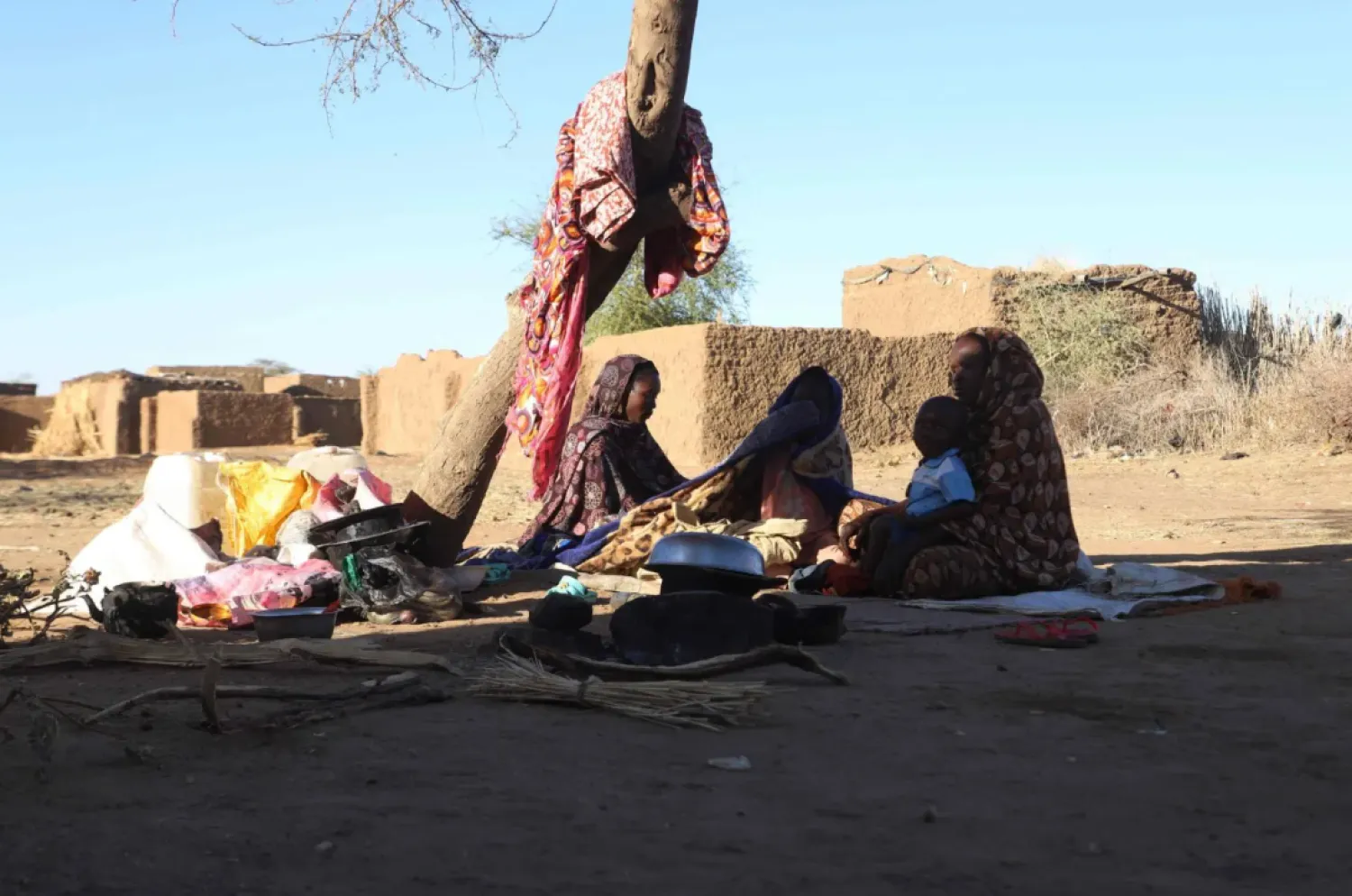
Sudanese displaced people who left El Fasher after its fall, sit in the shade in Tawila at the Rwanda camp reception point on December 17, 2025. (Photo by AFP)
TT

Atrocities in Sudan's El-Fasher Were 'Preventable Human Rights Catastrophe'

Sudanese displaced people who left El Fasher after its fall, sit in the shade in Tawila at the Rwanda camp reception point on December 17, 2025. (Photo by AFP)

The atrocities unleashed on El-Fasher in Sudan's Darfur region last October were a "preventable human rights catastrophe", the United Nations said Monday, warning they now risked being repeated in the neighbouring Kordofan region.


"My office sounded the alarm about the risk of mass atrocities in the besieged city of El-Fasher for more than a year ... but our warnings were ignored," UN rights chief Volker Turk told the Human Rights Council in Geneva.


He added that he was now "extremely concerned that these violations and abuses may be repeated in the Kordofan region".


Arab League Condemns Israel's Decisions to Alter Legal, Administrative Status of West Bank

A general view shows the opening session of the meeting of Arab foreign ministers at the Arab League Headquarters (Reuters)
TT

Arab League Condemns Israel's Decisions to Alter Legal, Administrative Status of West Bank

A general view shows the opening session of the meeting of Arab foreign ministers at the Arab League Headquarters (Reuters)

The General Secretariat of the Arab League strongly condemned decisions by Israeli occupation authorities to impose fundamental changes on the legal and administrative status of the occupied Palestinian territories, particularly in the West Bank, describing them as a dangerous escalation and a flagrant violation of international law, international legitimacy resolutions, and signed agreements, SPA reported.

In a statement, the Arab League said the measures include facilitating the confiscation of private Palestinian property and transferring planning and licensing authorities in the city of Hebron and the area surrounding the Ibrahimi Mosque to occupation authorities.

It warned of the serious repercussions of these actions on the rights of the Palestinian people and on Islamic and Christian holy sites.

The statement reaffirmed the Arab League’s firm support for the legitimate rights of the Palestinian people, foremost among them the establishment of their independent state on the June 4, 1967 borders, with East Jerusalem as its capital.