
Egypt has reiterated its commitment to continue holding talks over the Grand Renaissance Dam (GERD), stressing the importance of reaching a binding legal agreement that preserves its water rights in the Nile River.
On Tuesday, Egyptian Minister of Water Resources Mohamed Abdel Aty briefed the Japanese ambassador to Cairo, Noke Masaki, on the latest development in this regard.
This comes as part of Cairo’s efforts to gain more international support in light of Ethiopia’s “intransigence.”
Abdel Aty stressed his country’s determination to reach an agreement on the GERD that protects its water rights while ensuring that the interests of all parties are met.
For nearly a decade, the African Union-sponsored talks between Cairo, Addis Ababa and Khartoum over the operation and filling of the mega-dam have faltered.
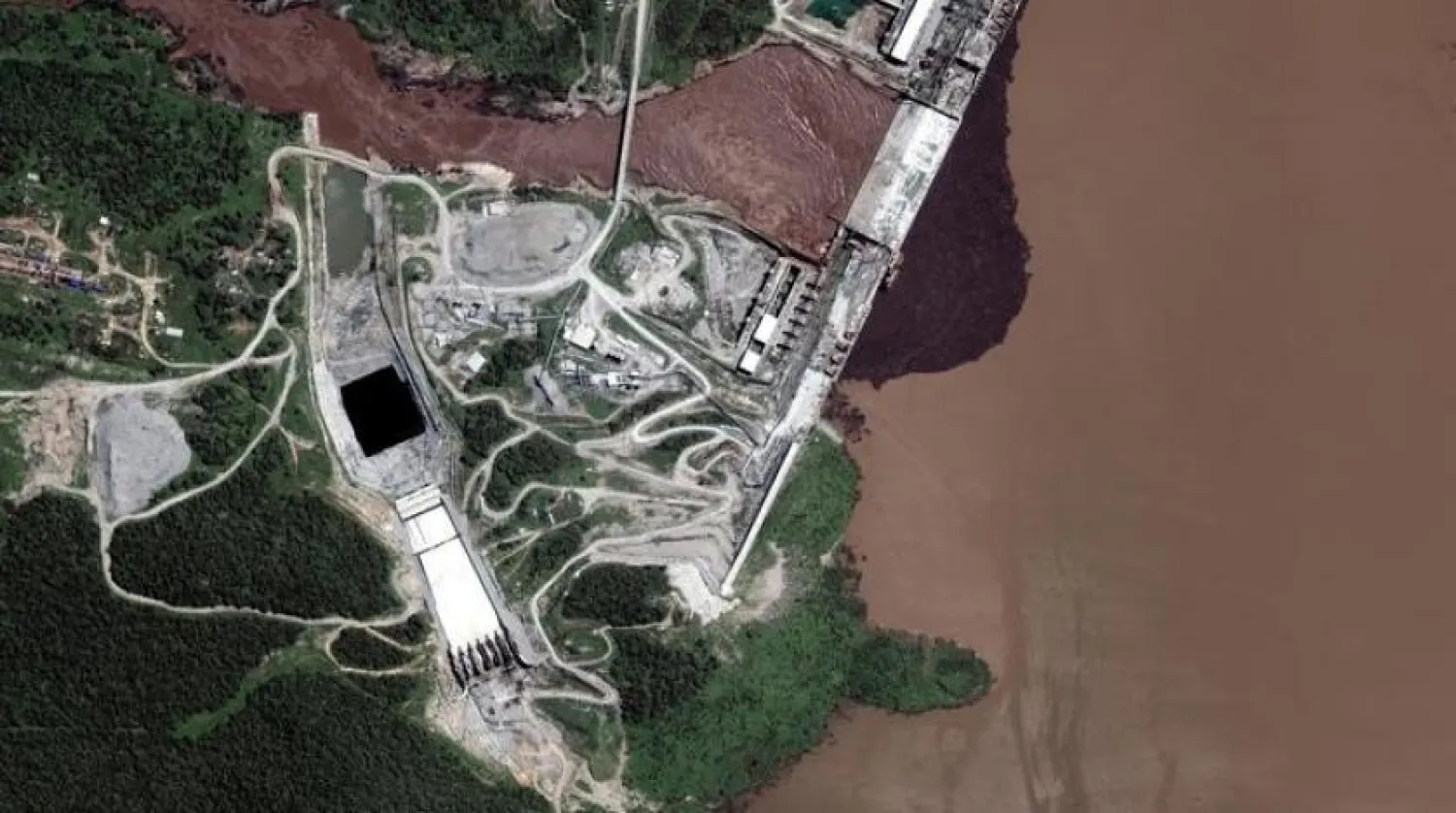
Ethiopia has completed about 75 percent of the construction of the dam, which began in 2011, and Addis Ababa finished last July the first phase of filling the reservoir, in preparation for its operation.
Cairo fears the potential negative impact of GERD on the flow of its annual share of the Nile’s 55.5 billion cubic meters of water, while Addis Ababa says the dam is not aimed at harming Egypt or Sudan’s interests, stressing that the main objective is to generate electricity to support its development.
The latest GERD meeting was held on Nov. 21 between Egypt and Ethiopia’s irrigation ministers. Sudan boycotted the talks, calling on the AU to change the negotiation's approach and expand the role of experts.
The ministers agreed to prepare separate reports, including their countries’ visions to advance the negotiations, and send it to South Africa’s Minister of International Relations and Cooperation Dr. Naledi Pandor.
Meanwhile, Abdel Aty discussed with Masaki several issues of common interest in the field of water resources.
The minister highlighted the bilateral cooperation between both counties over the years, during which many joint projects have been implemented in this field.