Saudi G20 Presidency: Moving From Recovery Towards a Prosperous Future

Saudi G20 Presidency: Moving From Recovery Towards a Prosperous Future
TT

Saudi G20 Presidency: Moving From Recovery Towards a Prosperous Future

Saudi G20 Presidency: Moving From Recovery Towards a Prosperous Future

The 2020 G20 Riyadh Summit, which was held from November 21-22, was an exceptional affair. Faced with great challenges and responsibility, the Kingdom undertook the leadership of the forum during some of the toughest times brought about by the coronavirus pandemic which affected health, economic, and social facets of life.

It is not an exaggeration to say that it was a decisive year in which Saudi Arabia led G20 countries along the journey of protecting humanity and planet earth from the pandemic’s repercussions. The group held extraordinary meetings to find effective solutions at health, humanitarian, social, and economic levels.

Despite difficult circumstances, the Saudi presidency did not abandon the forum’s principal agenda.

The Kingdom’s presidency set human empowerment, preserving the planet, and shaping new horizons as three main axes that guide the work of the G20, and these axes remained important pillars for reaching solutions to limit the effects of the pandemic on the world.

On human empowerment, the Saudi presidency of the G20 committed itself to ensuring a comprehensive recovery from the pandemic’s fallout and to addressing inequality in receiving diagnostic tools, vaccines, and treatments.

The kingdom also eyed creating appropriate conditions that enable people to live, work, and prosper. G20 immediate actions included protecting lives and jobs from the pandemic’s aftermath.

On preserving the planet, Saudi Arabia worked to unite the stances of G20 countries to work on policies that promote a better more sustainable future, including the importance of conserving the environment and natural resources and addressing climate change.

On creating new horizons, the Saudi presidency poured its effort into speeding recovery from the pandemic. It did so through harnessing the potential of digital technologies and setting the necessary frameworks to promote equal opportunities and ensure electronic communication for all, especially in health services, education, and trade.

The Saudi presidency’s response to the pandemic was both quick and effective, as the Custodian of the Two Holy Mosques King Salman bin Abdulaziz Al Saud - may God protect him - called for an extraordinary summit of G20 leaders last March, a first in G20 history, with the aim of discussing pandemic circumstances and finding ways to address them.

Saudi Arabia has managed to set a distinguished example for the whole world on crisis management. All leaders responded to this important call, actively and decisively approving a number of policies and initiatives that have contributed to limiting the health, social, and economic impacts of the pandemic in all countries.

Last month, G20 countries concluded their work for 2020 by holding the Riyadh Summit, where tangible success could be felt despite the exceptional circumstances. In its final statement, the summit launched major global initiatives and adopted important policies aimed at addressing the pandemic, protecting lives and livelihoods, and building a more robust, sustainable, and inclusive future.

Saudi Arabia received positive feedback from world leaders and international organizations who welcomed the final statement and recognized the huge efforts exerted by the kingdom in cooperation with fellow G20 states.

Going over G20 achievements this year, the Kingdom’s presidency worked to re-align the group’s plan of action to confront the pandemic. G20 leaders committed to taking all necessary measures to overcome the pandemic and protect lives, jobs, and vulnerable groups.

G20 states, collectively, pumped over 11 trillion dollars into the global economy. They also pledged more than 21 billion dollars at the beginning of the crisis to support international efforts to develop diagnostic tools, vaccines, and effective treatments.

Stemming out of its belief in the importance of supporting international efforts to immediately address the pandemic, Saudi Arabia contributed 500 million dollars.

Focused on restoring growth, the Saudi presidency led joint efforts to develop policies and initiatives centered on sparking strong, sustainable, balanced, and comprehensive growth.

G20 leaders also pledged to make all efforts to ensure that new coronavirus vaccines reach everyone in a fair way and that the remaining financing needs for these vaccines are met.

Also, G20 countries established the Debt Service Suspension Initiative, allowing 73 countries to be eligible for a temporary suspension of debt-service payments owed to their official bilateral creditors. This will reduce debt burdens on low-income and vulnerable countries.

A commitment was also made to ensure the flow of essential medical supplies and important agricultural products across borders, despite precautionary lockdown measures.

Overcoming obstacles laid out by the pandemic, the Saudi presidency of the G20 demonstrated great ability in advancing the forum's work through holding more than 224 international meetings and conferences.

The world will not forget Saudi Arabia’s presidency of the G20, especially that it carried forth the vision of providing a new impetus to global cooperation around the unifying theme of “Realizing Opportunities of the 21st Century for All”.

At the 2020 G20 Riyadh Summit, more than 50 outcomes were adopted next to over 20 ministerial statements. Such initiative showcases an edge of seriousness in enhancing international cooperation to face global challenges.

Compared to previous years, G20 meetings, which traditionally stand at a total of 85, jumped by some 90%. Recommendations, outcomes, and initiatives also doubled.

G20 leaders, under the Saudi presidency, reiterated unity in their belief that coordinating global actions, solidarity and multilateral cooperation was needed today more than ever to face present challenges.

In their final communique, leaders called for more than just working to recover from the current crisis and urged setting a vision for a "better future" beyond the pandemic.

Under the kingdom’s presidency, the G20 looked to improve protection from pandemics and epidemics in the future by drawing lessons from the current crisis.

Naturally, the Saudi presidency was keen to discuss ways to come up with long-term solutions that address gaps found in global pandemic response schemes. It voiced hope towards completing and enhancing these discussions during the upcoming Italian presidency of the G20.

Advocating a sustainable and secure future, the G20 Riyadh Summit also shed light on the need to prevent environmental degradation, conserve biodiversity, promote sustainable use of natural resources, and enact reform.

Preserving oceans, promoting clean air and clean water, responding to natural disasters and extreme weather events, and tackling climate change were cast among the most pressing challenges of our time.

--Saudi G20 Sherpa Dr. Fahad Bin Abdullah al-Mubarak


Nearly 400 Would-be Migrants Rescued Off Greek Island

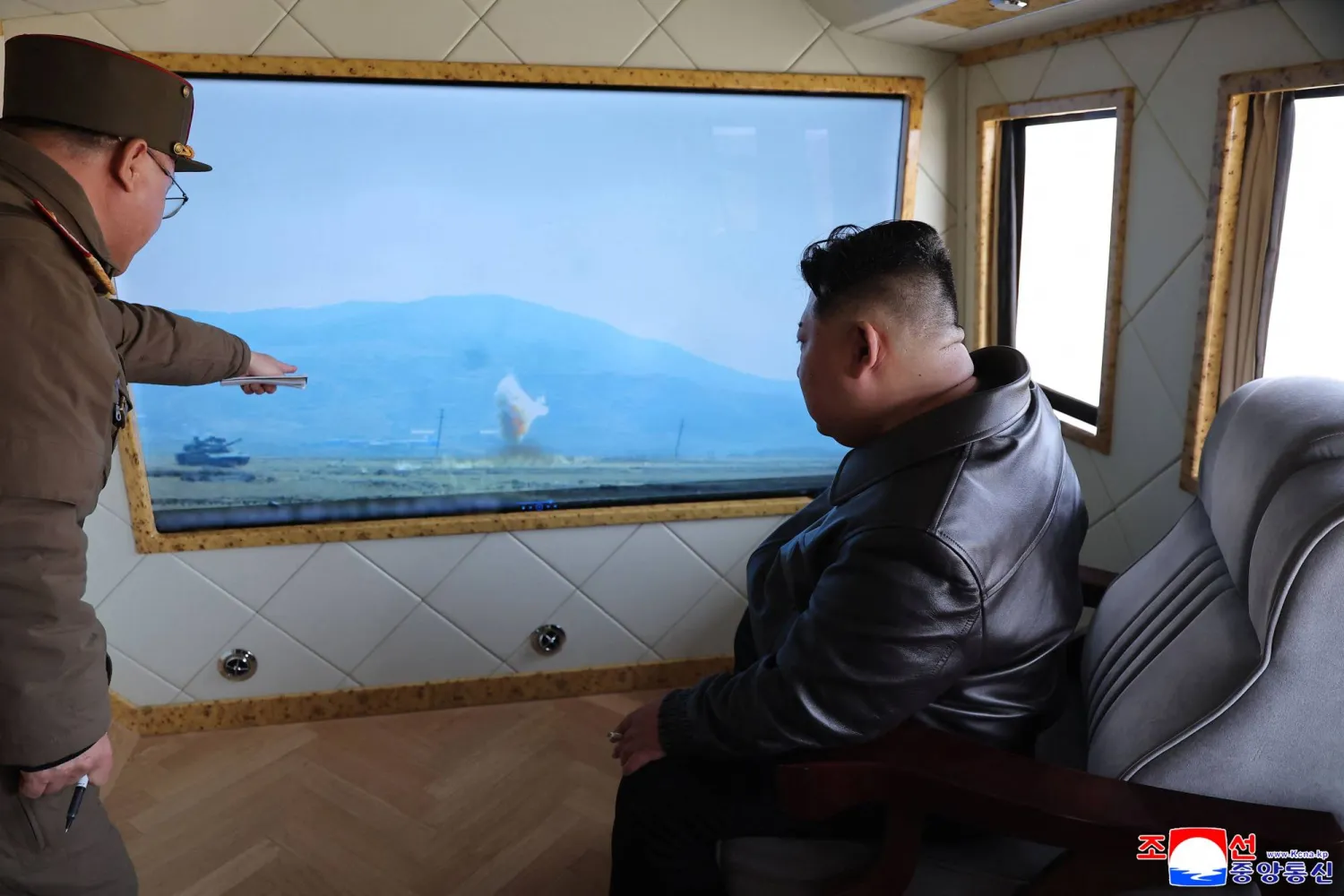
A woman looks at sunset on Christmas Day, at a southern coastal suburb in Athens, Greece, December 25, 2025. REUTERS/Louisa Gouliamaki
TT

Nearly 400 Would-be Migrants Rescued Off Greek Island

A woman looks at sunset on Christmas Day, at a southern coastal suburb in Athens, Greece, December 25, 2025. REUTERS/Louisa Gouliamaki

The Greek coastguard on Friday rescued nearly 400 would-be migrants from a fishing boat and another vessel off southern Crete, ANA news agency reported.

In one operation about 35 nautical miles from the small island of Gavdos, off Crete, a coastguard vessel, a Danish freighter and a helicopter took 365 people off a fishing boat, according to the agency.

Earlier about 30 people were moved onto a Frontex European frontier agency boat, about 25 nautical miles from Gavdos. They were taken to Crete, AFP reported.

Some 39 people on a rubber dinghy were rescued on Thursday just south of Crete.

The sea between Türkiye and Greece and Libya to Greece are popular routes for undocumented migrants trying to reach Europe.

There are many accidents however. Seventeen bodies, mainly Egyptians and Sudanese, were found and another 15 people were believed missing after one their vessel capsized this month.


Israel Becomes 1st Country to Recognize Somaliland as 'Sovereign State'

FILE PHOTO: Israeli Prime Minister Benjamin Netanyahu speaks during a press conference in Jerusalem, December 22, 2025.  ABIR SULTAN/Pool via REUTERS/File Photo
FILE PHOTO: Israeli Prime Minister Benjamin Netanyahu speaks during a press conference in Jerusalem, December 22, 2025. ABIR SULTAN/Pool via REUTERS/File Photo
TT

Israel Becomes 1st Country to Recognize Somaliland as 'Sovereign State'

FILE PHOTO: Israeli Prime Minister Benjamin Netanyahu speaks during a press conference in Jerusalem, December 22, 2025.  ABIR SULTAN/Pool via REUTERS/File Photo
FILE PHOTO: Israeli Prime Minister Benjamin Netanyahu speaks during a press conference in Jerusalem, December 22, 2025. ABIR SULTAN/Pool via REUTERS/File Photo

Israel on Friday formally recognized Somaliland as an "independent and sovereign state" and signed an agreement to establish diplomatic ties, as the region's leader hailed its first-ever official recognition.

Israeli Prime Minister Benjamin Netanyahu "announced today the official recognition of the Republic of Somaliland as an independent and sovereign state,” his office said, making Israel the first country to do so.

"The declaration is in the spirit of the Abraham Accords," Netanyahu's office said, referring to several agreements between Israel and Arab countries brokered by US President Donald Trump during his first presidency.

Netanyahu said Israel would seek immediate cooperation with Somaliland in agriculture, health, technology and the economy. In a statement he congratulated Somaliland's president, Abdirahman Mohamed Abdullahi, praised his leadership and invited him to visit Israel.

Abdullahi, hailed the move, saying it marked the beginning of a "strategic partnership.”

"This is a historic moment as we warmly welcome... the Prime Minister of the State of Israel's recognition of the Republic of Somaliland and affirm Somaliland's readiness to join the Abraham Accords," normalizing relations with Israel, he posted on X.

He said Somaliland was committed to ⁠building partnerships, boosting mutual prosperity and promoting stability across the Middle East and Africa.

Somaliland, which declared independence from Somalia in 1991, has for decades pushed for international recognition, the key priority for Abdullahi since he took office last year.

Israeli Foreign Minister Gideon Saar said the two countries had agreed to establish "full diplomatic ties, which will include the appointment of ambassadors and the opening of embassies.”

"I have instructed my ministry to act immediately to institutionalize ties between the two countries across a wide range of fields," he said in a statement on X.


Lebanese Cabinet Approves Draft Law on Financial Crisis Losses

A photograph released by the Lebanese Government Press Office on December 26, 2025, show Prime Minister Nawaf Salam speaking during a press conference after a cabinet session in Beirut on December 26, 2025. (Photo by Handout / Lebanese Government Press Office / AFP)
TT

Lebanese Cabinet Approves Draft Law on Financial Crisis Losses

A photograph released by the Lebanese Government Press Office on December 26, 2025, show Prime Minister Nawaf Salam speaking during a press conference after a cabinet session in Beirut on December 26, 2025. (Photo by Handout / Lebanese Government Press Office / AFP)

Lebanon's government on Friday approved a draft law to distribute financial losses from the 2019 economic crisis that deprived many Lebanese of their deposits despite strong opposition to the legislation from political parties, depositors and banking officials.

The draft law will be submitted to the country's divided parliament for approval before it can become effective.

The legislation, known as the "financial gap" law, is part of a series of reform measures required by the International Monetary Fund (IMF) in order to access funding from the lender.

The cabinet passed the draft bill with 13 ministers in favor and nine against. It stipulates that each of the state, the central bank, commercial banks and depositors will share the losses accrued as a result of the financial crisis.

Prime Minister Nawaf Salam defended the bill, saying it "is not ideal... and may not meet everyone's aspirations" but is "a realistic and fair step on the path to restoring rights, stopping the collapse... and healing the banking sector.”

According to government estimates, the losses resulting from the financial crisis amounted to about $70 billion, a figure that is expected to have increased over the six years that the crisis was left unaddressed.

Depositors who have less than $100,000 in the banks, and who constitute 85 percent of total accounts, will be able to recover them in full over a period of four years, Salam said.

Larger depositors will be able to obtain $100,000 while the remaining part of their funds will be compensated through tradable bonds, which will be backed by the assets of the central bank.

The central bank's portfolio includes approximately $50 billion, according to Salam.

The premier told journalists that the bill includes "accountability and oversight for the first time.”

"Everyone who transferred their money before the financial collapse in 2019 by exploiting their position or influence... and everyone who benefited from excessive profits or bonuses will be held accountable and required to pay compensation of up to 30 percent of these amounts," he said.

Responding to objections from banking officials, who claim components of the bill place a major burden on the banks, Salam said the law "also aims to revive the banking sector by assessing bank assets and recapitalizing them.”

The IMF, which closely monitored the drafting of the bill, previously insisted on the need to "restore the viability of the banking sector consistent with international standards" and protect small depositors.

Parliament passed a banking secrecy reform law in April, followed by a banking sector restructuring law in June, one of several key pieces of legislation aimed at reforming the financial system.

However, observers believe it is unlikely that parliament will pass the current bill before the next legislative elections in May.

Financial reforms in Lebanon have been repeatedly derailed by political and private interests over the last six years, but Salam and Lebanese President Joseph Aoun have pledged to prioritize them.