Yemen's Interior Ministry arrested members of and dismantled Houthi-affiliated terrorist cells in the temporary capital Aden and the governorates of Lahj and Abyan in September. The ministry said the cells had been planning to target security and military leaders and vital facilities, as well as military reinforcements and supply lines heading to the battlefronts.
Yemeni Interior Minister Staff Maj. Gen. Ibrahim Haidan said at a press conference in Aden on Monday that the most prominent of these cells was an 18-member network apprehended in Lahj governorate on September 26. He said the network operated under the supervision of Houthi leaders and that its members had received specialized training in several areas under the group's control, including Saada, Dhamar and Al-Hawban in Taiz governorate.
Haidan said investigations revealed that the network's members had been trained to plant explosive devices, use booby traps and carry out attacks against security and military figures and sites. He added that the network was divided into two groups, one responsible for surveillance, monitoring and intelligence gathering, and the other for carrying out bombings and attacks.
The minister confirmed that security and intelligence agencies had thwarted the plots before they could be carried out. He said the cells had sought to undermine security and stability in the liberated governorates, disrupt conditions on the battlefronts and create conditions that would enable the Houthis to seize control of cities.
"The security agencies are waging a continuous battle that has not stopped for a single moment against the terrorist plots of the Iran-backed Houthi militia in order to strengthen security and stability," he said.
He stressed that the successes achieved by all security units in securing the home front constitute a fundamental pillar and a genuine starting point toward completing the battle for liberation and achieving the long-awaited victory that the Yemeni people have eagerly anticipated for more than a decade.
Haidan added: "We are fighting our battle against the Houthi militia, which has made terrorism part of its ideological doctrine and abandoned the teachings of our true Islamic faith. Its terrorism has gone beyond targeting communities in the liberated governorates to targeting Islamic holy sites, Makkah and Madinah, the holiest places for Muslims, which hold a special place in the hearts of more than a billion Muslims around the world and are deeply connected to their faith and religious identity."
He said the Houthi militia had abandoned all customs, traditions and deeply rooted societal values, resorting to what he described as despicable methods, including recruiting children, women, African migrants and the elderly to pursue its terrorist and extremist objectives of undermining security and stability and disturbing public peace and tranquility in the liberated governorates.
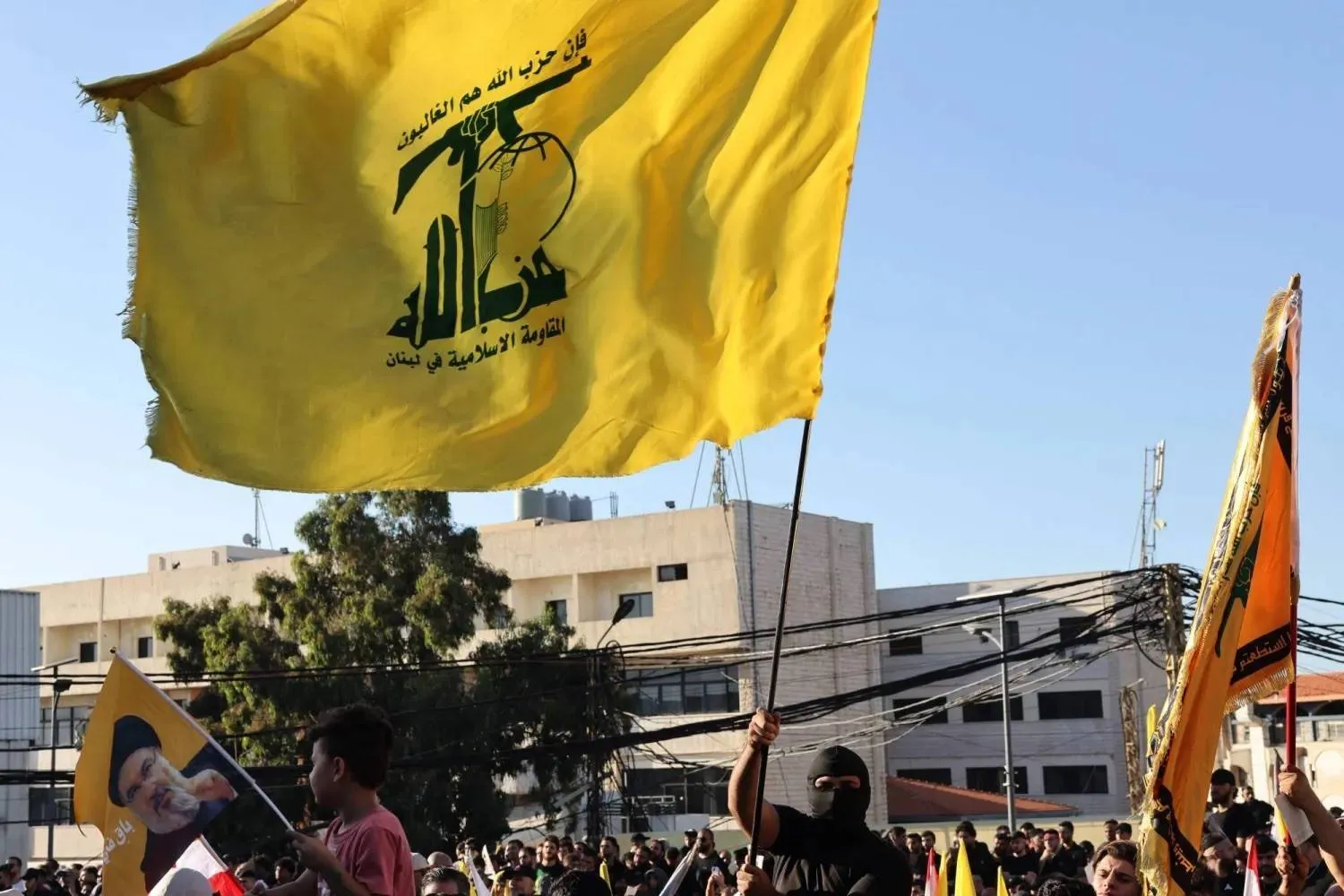
Haidan stressed that despite what he described as unlimited support provided by the terrorist Houthi militia to these cells, along with direct supervision of their training by experts from Iran's Islamic Revolutionary Guard Corps (IRGC) and Hezbollah, the preparedness, vigilance and courage of Interior Ministry personnel, working alongside their intelligence counterparts, had helped dismantle the cells one after another and deal them severe blows in recent months.
He said these operations had thwarted the militia's reliance on the cells to spread chaos, undermine security and stability, disrupt conditions on the battlefronts in the liberated governorates, particularly Aden, Lahj and Abyan, and create conditions for the Houthis to seize control of cities.
In Aden, security forces in the Dar Saad district arrested a member of the cell who, according to the ministry, was found in possession of explosive devices and materials linked to a plot to target security and military leaders and vital facilities. Investigations also uncovered other targets the cell had intended to attack within the city.
The ministry also announced the arrest of an all-female cell in Lahj on September 22, saying its members had been tasked with surveillance, tracking, recruitment and sabotage activities.
In addition, security forces apprehended a two-member cell in the Lawdar district of Abyan governorate earlier that month on suspicion of planning attacks against security and military forces and citizens.
Haidan praised Saudi Arabia's support for Yemen, particularly in the security sector, highlighting its role in strengthening the capabilities of security agencies and contributing to successes in combating terrorist cells.
For his part, Minister of State and Aden Governor Abdulrahman Sheikh said local authorities had taken security and precautionary measures to address the consequences of a wave of displacement caused by Houthi escalation in the governorates of Hodeidah and Taiz.
He explained that the governorate had set up 800 tents equipped with the necessary services and facilities, accommodating around 7,000 displaced people over half a month.
Meanwhile, Lahj Governor Murad Al-Halimi said coordination between security agencies in the governorates and the Interior Ministry had contributed to apprehending the cells and thwarting the terrorist and sabotage operations they had planned.
He called on everyone to recognize their responsibilities and work diligently to safeguard security in the liberated governorates and prevent them from falling victim to Houthi militia plots.
The Interior Ministry confirmed that the suspects would be referred to the relevant judicial authorities once investigations and evidence collection were completed, ahead of their trials.