

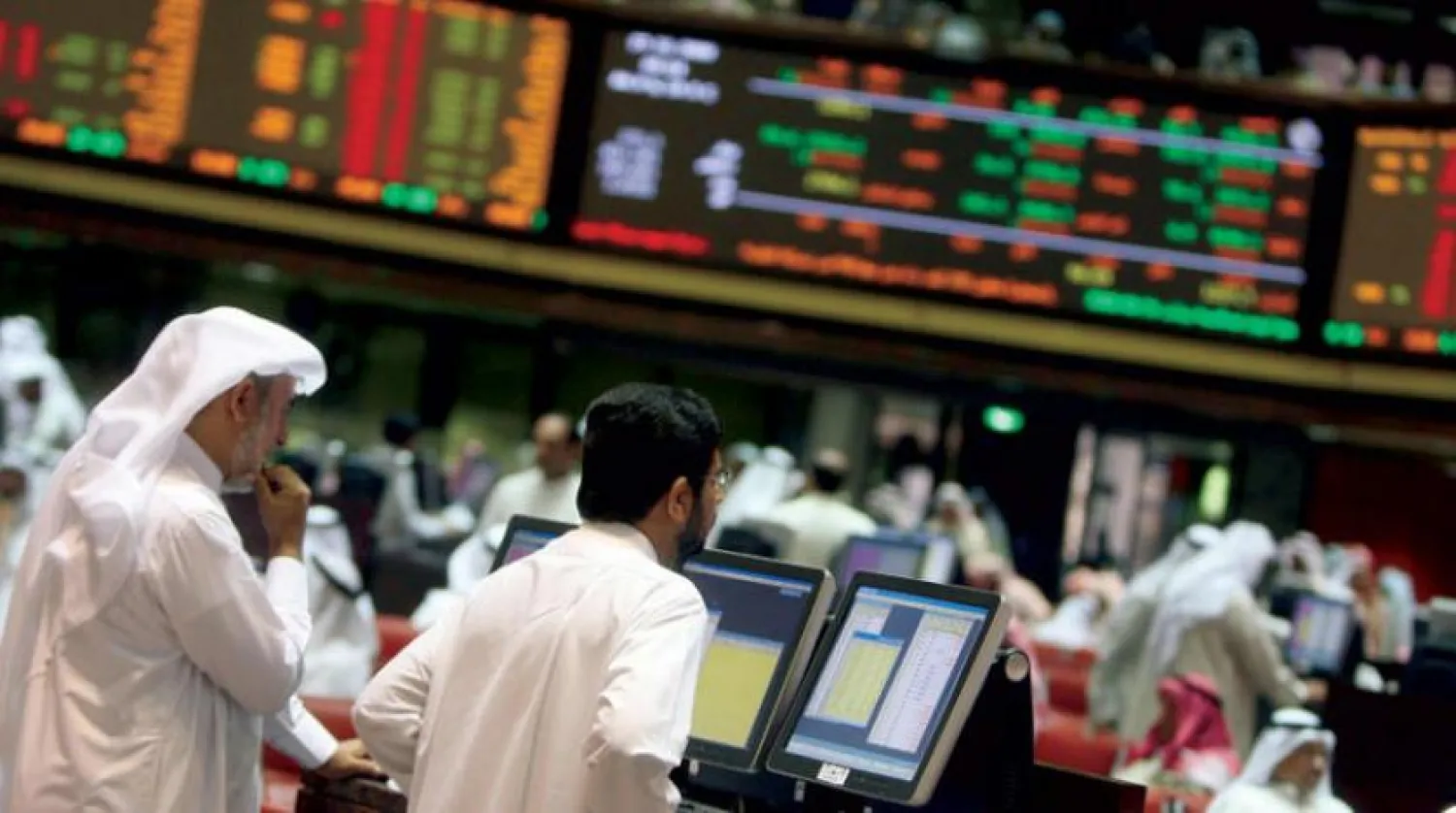

Abu Dhabi Securities Exchange Reduces Transaction Fees on Trading Activities

The new pricing structure will be the second time the exchange has reduced its charges in the past two years to enhance market liquidity further. WAM
TT

Abu Dhabi Securities Exchange Reduces Transaction Fees on Trading Activities

The new pricing structure will be the second time the exchange has reduced its charges in the past two years to enhance market liquidity further. WAM

The Abu Dhabi Securities Exchange (ADX) announced Saturday that it is reducing overall trading activity fees on all exchange transactions starting Feb. 14 as part of its "ADX One" strategy to double the market capitalization of companies listed on the exchange in the next three years.

The new pricing structure will be the second time the exchange has reduced its charges in the past two years to enhance market liquidity further, Emirates News Agency (WAM) reported.

Trading commission on ADX was reduced in June 2019 as part of Abu Dhabi's Ghadan 2021 plan of lowering the cost of doing business in the Emirate. Under the new initiative, fees of all transactions that occur on ADX are to be reduced by more than 22 percent to 0.175 percent from 0.225 percent, effective Feb. 14.

As part of the new fee structure, ADX has created an incentive plan, applied on an annual basis, for brokerage firms who generate AED20 million worth of trading commission. Firms that fulfill the annual incentive requirement will be exempt from paying any trading commission to ADX for the year in which the threshold is met, WAM said.

The new initiative favors investors seeking to broaden and diversify their investment portfolios without incurring high transaction costs, it added.

Commenting on reducing transaction fees, Mohamed Ali Al Shorafa Al Hammadi, Chairman of Abu Dhabi Securities Exchange, said, "The exchange’s "ADX One" strategy further enhances our position as one of the most competitive exchanges in the region. Reducing overall transaction costs for trading on the exchange is one of many initiatives we are undertaking to achieve our strategy of attracting new liquidity sources and making listing and investing in ADX an attractive value proposition.

"Abu Dhabi continues to diversify its economy on a path of sustainable long-term growth, and we are fully aligned with this vision. We will continue to deepen our markets through a wide range of products and services that meet the evolving needs of our stakeholders."

The reduction in transaction fees will increase overall market depth by decreasing the bid-ask spread on the exchange, an effective way to measure market liquidity. Furthermore, the new initiative comes amid ADX efforts to attract more investors by offering more high-quality services and products.

"Cutting overall transaction costs on all trades taking place on ADX will complement measures we have recently taken to attract new institutional investors and generate greater liquidity. It will also further strengthen our commitment to provide the highest levels of customer service,” WAM quoted Chief Executive of Abu Dhabi Securities Exchange Saeed Hamad Al Dhaheri as saying.

“Our 2020 initiatives, including the introduction of market makers and covered short selling, have increased the number of institutional investors on ADX over the past year. Meanwhile, the rise in foreign ownership limits of several listed companies alongside new listings aided the increase of our market capitalization and fueled our ambition to have it doubled by 2024."



Morocco’s Royal Air Maroc Scales Back Flights Due to Fuel Costs

 People board a Royal Air Maroc flight on July 15, 2020 at Bordeaux airport. (AFP)
People board a Royal Air Maroc flight on July 15, 2020 at Bordeaux airport. (AFP)
TT

Morocco’s Royal Air Maroc Scales Back Flights Due to Fuel Costs

 People board a Royal Air Maroc flight on July 15, 2020 at Bordeaux airport. (AFP)
People board a Royal Air Maroc flight on July 15, 2020 at Bordeaux airport. (AFP)

Morocco's state-owned carrier Royal Air Maroc (RAM) said on Saturday it would temporarily suspend several routes to African and European destinations due to ‌rising jet ‌fuel prices, ‌elevated ⁠operating costs and ⁠weak demand.

Tensions in the Middle East have driven a surge in global jet fuel ⁠prices, putting ‌pressure ‌on carriers and ‌prompting temporary route suspensions.

RAM ‌will pause flights linking Moroccan airports with several African cities ‌of Bangui, Brazzaville, Kinshasa, Douala, Yaounde and ⁠Libreville, ⁠the airline said in a statement.

It will also halt flights to the European destinations of Malaga, Barcelona, Lyon, Bordeaux, Marseille and Brussels.


Official: Iraq Has Not Yet Applied for an IMF Loan

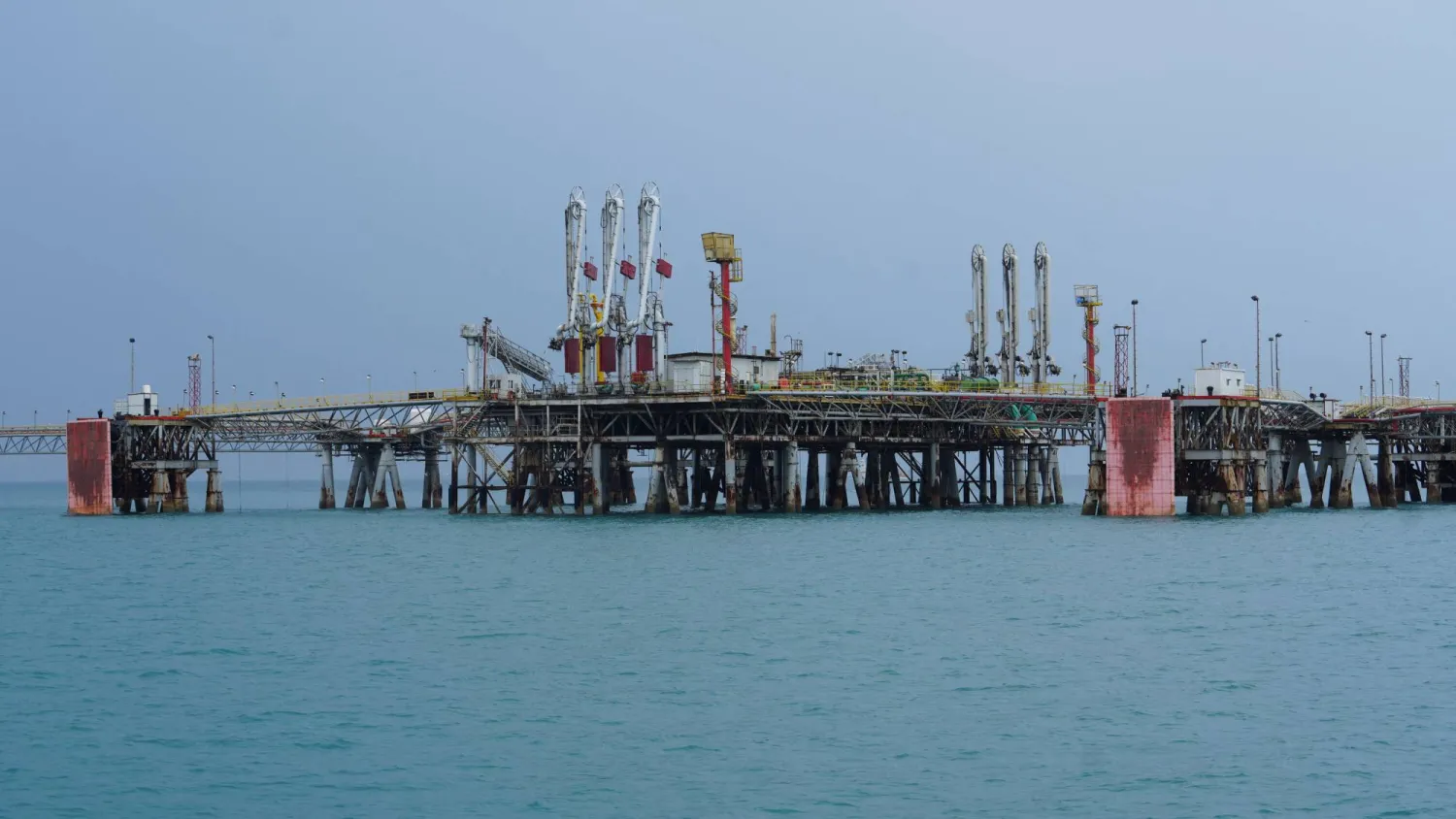
A floating oil export platform in Basra port, Iraq (Reuters)
TT

Official: Iraq Has Not Yet Applied for an IMF Loan

A floating oil export platform in Basra port, Iraq (Reuters)

Financial Advisor to the Iraqi Prime Minister Mazhar Mohammed Saleh revealed on Saturday that Iraq has not yet submitted a formal request for a loan from the International Monetary Fund (IMF).

The Iraqi News Agency quoted Saleh as saying that “Iraq enjoys close relations with the IMF, and since 2003, it has concluded more than five agreements, three of which were Stand-by Arrangements, while the other agreements related to emergency support.”

Iran's war has caused significant disruptions in supply chains, especially in the energy sector, which was severely affected by a near-complete closure of the Strait of Hormuz, through which about 20 percent of global oil supplies pass.

Saleh stated that “the Fund has played a significant role in supporting the Iraqi economy over the past 23 years, especially since Iraq is now considered one of the biggest victims of the ongoing war in the region, considering that 85 percent of its oil exports pass through the Strait of Hormuz. This has caused significant harm and international concern, given that Iraq is an important and active member in the stability of the region and world markets.”

He pointed out that there is an Iraqi government team in contact with the IMF, meeting with Fund officials for consultations twice a year.

He clarified that “Iraq signed an agreement with the IMF on July 7, 2016, for a Stand-by Arrangement by providing a significant loan, which played a major role in supporting the general budget,” noting that “signing an agreement with the Fund is a matter decided by the Iraqi government, and this does not prevent consultations between the two parties, as Iraq is a member of this institution responsible for global stability.”

Saleh mentioned that “Iraq will borrow from the International Monetary Fund if the need arises, but there is no formal request from the government yet, and the current need is for the war in the region to stop, and for its geopolitical impacts on oil exports to cease.”

He added that “technical assistance from the IMF is available now, unlike the issue of financing, which requires the approval of a program by the Iraqi government.”

He explained that “the loan itself represents a reform program to support the budget or to achieve social goals, such as supporting the health and education sectors, because it is a human investment that must be subject to conditions defining expenditure directions and commitment to a reform program agreed upon by the Iraqi state and the IMF.”


Mawani Adds CMA CGM’s Ocean Rise Express Service to Jeddah Port

Mawani Adds CMA CGM’s Ocean Rise Express Service to Jeddah Port
TT

Mawani Adds CMA CGM’s Ocean Rise Express Service to Jeddah Port

Mawani Adds CMA CGM’s Ocean Rise Express Service to Jeddah Port

The Saudi Ports Authority (Mawani) has added CMA CGM's Ocean Rise Express (OCR) shipping service to Jeddah Islamic Port, aiming to strengthen maritime connectivity between Saudi Arabia and global markets, support the smooth flow of supply chains, and increase the efficiency of port operations.

The OCR service will connect Jeddah to key international ports, including Kobe, Nagoya, and Yokohama in Japan; Xiamen, Yantian, and Nansha in China; Rotterdam in the Netherlands; Hamburg in Germany; and Southampton in the United Kingdom.

The route will utilize vessels with a capacity of up to 10,000 TEUs, according to SPA.

This addition aligns with Mawani’s efforts to enhance Jeddah Islamic Port’s global competitiveness and support international trade.

By enabling access to new markets, the initiative reinforces the Kingdom's position as a global logistics hub in line with the National Transport and Logistics Strategy and Saudi Vision 2030.