


Egypt Says Concrete Wall Will Protect Resort of Sharm el-Sheikh

A general view of Naama bay during sunset in the Red Sea resort of Sharm el-Sheikh, November 7, 2015. (Reuters)
TT

Egypt Says Concrete Wall Will Protect Resort of Sharm el-Sheikh

A general view of Naama bay during sunset in the Red Sea resort of Sharm el-Sheikh, November 7, 2015. (Reuters)

Egypt says a recently constructed 36 km concrete and wire barrier encircling Sharm el-Sheikh will help protect tourism at the Red Sea resort on the southern tip of the Sinai peninsula.

Authorities in southern Sinai hope to revitalize tourism which has been dented by upheaval after Egypt’s 2011 uprising, the crash of a Russian passenger jet in Sinai in 2015 and the coronavirus pandemic. In 2005, bombings in Sharm el-Sheikh killed dozens in one of Egypt’s deadliest militant attacks.

The security barrier is made of concrete slabs with stretches of wire fencing separating the resort from the desert around it. Some of the slabs are marked with black peace symbols.

Those entering the city by road have to pass through one of four gates equipped with cameras and scanners.

Sharm el-Sheikh is about 360 km (224 miles) south of Sinai’s northern, Mediterranean coast, where an insurgency by militants has been concentrated.

“The distance between them is huge, plus there is great security with Egypt’s Second Army securing the North Sinai, and the Third Army securing South Sinai,” South Sinai Governor Khaled Fouda told journalists on a tour of the area at the weekend.

“They will be searched, security cameras will identify them, vehicles will go through a scan, so that when they arrive in the city, it’ll be after a full search operation.”

A museum housing ancient Egyptian artifacts opened in Sharm el-Sheikh last year amid efforts to diversify tourism activities at the beach resort. A university named after Saudi Arabia’s King Salman has also opened recently in the city.

Before the coronavirus pandemic, Sharm el-Sheikh often hosted international summits attended by President Abdel Fattah al-Sisi.



EU Condemns Israel's West Bank Control Measures

The Israeli settlement of Har Homa, seen from the West Bank city of Bethlehem, Tuesday, Dec. 17, 2024. (AP)
TT

EU Condemns Israel's West Bank Control Measures

The Israeli settlement of Har Homa, seen from the West Bank city of Bethlehem, Tuesday, Dec. 17, 2024. (AP)

The European Union on Monday condemned new Israeli measures to tighten control of the West Bank and pave the way for more settlements in the occupied Palestinian territory, AFP reported.

"The European Union condemns recent decisions by Israel's security cabinet to expand Israeli control in the West Bank. This move is another step in the wrong direction," EU spokesman Anouar El Anouni told journalists.


Atrocities in Sudan's El-Fasher Were 'Preventable Human Rights Catastrophe'

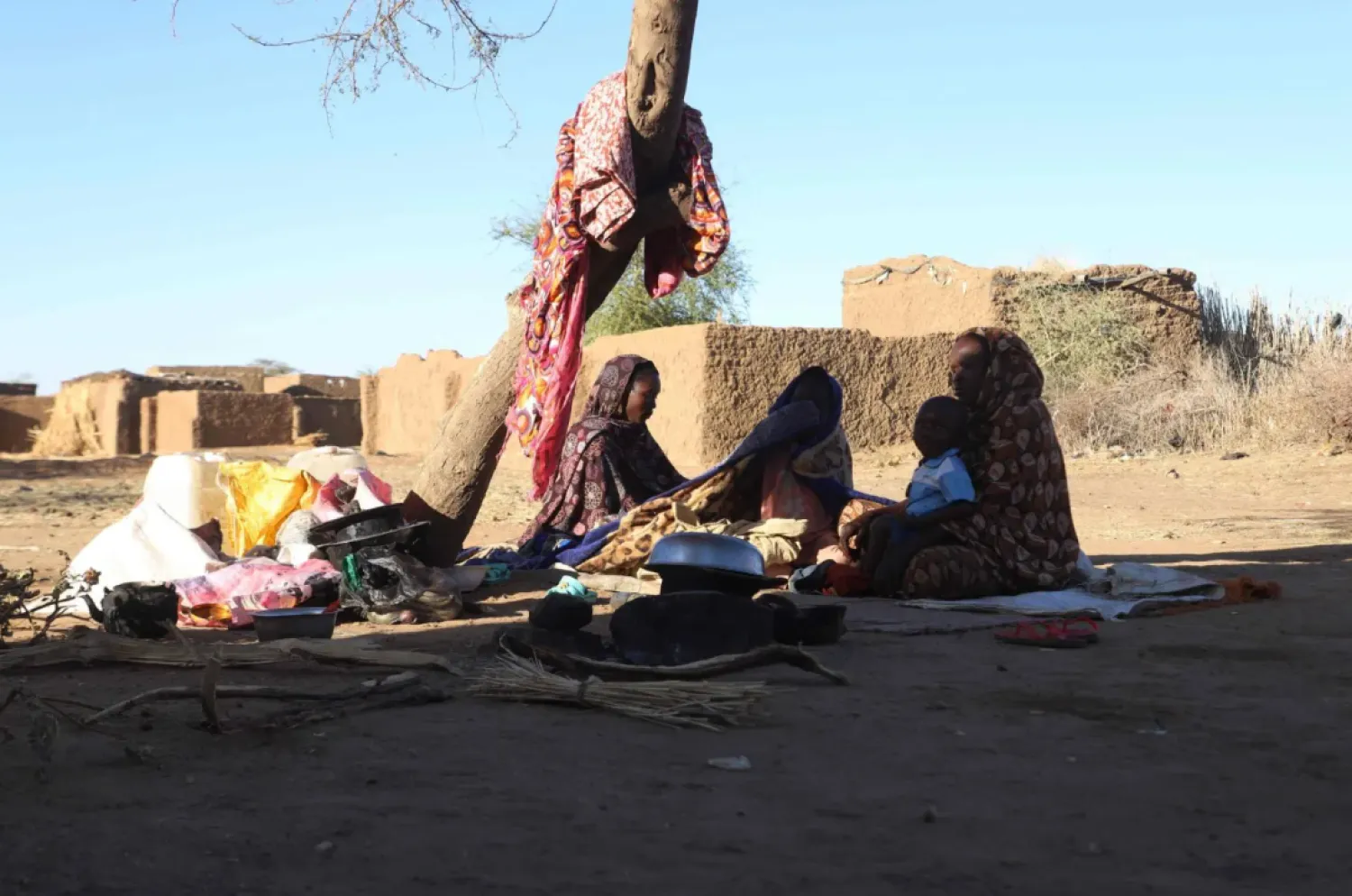
Sudanese displaced people who left El Fasher after its fall, sit in the shade in Tawila at the Rwanda camp reception point on December 17, 2025. (Photo by AFP)
TT

Atrocities in Sudan's El-Fasher Were 'Preventable Human Rights Catastrophe'

Sudanese displaced people who left El Fasher after its fall, sit in the shade in Tawila at the Rwanda camp reception point on December 17, 2025. (Photo by AFP)

The atrocities unleashed on El-Fasher in Sudan's Darfur region last October were a "preventable human rights catastrophe", the United Nations said Monday, warning they now risked being repeated in the neighbouring Kordofan region.


"My office sounded the alarm about the risk of mass atrocities in the besieged city of El-Fasher for more than a year ... but our warnings were ignored," UN rights chief Volker Turk told the Human Rights Council in Geneva.


He added that he was now "extremely concerned that these violations and abuses may be repeated in the Kordofan region".


Arab League Condemns Israel's Decisions to Alter Legal, Administrative Status of West Bank

A general view shows the opening session of the meeting of Arab foreign ministers at the Arab League Headquarters (Reuters)
TT

Arab League Condemns Israel's Decisions to Alter Legal, Administrative Status of West Bank

A general view shows the opening session of the meeting of Arab foreign ministers at the Arab League Headquarters (Reuters)

The General Secretariat of the Arab League strongly condemned decisions by Israeli occupation authorities to impose fundamental changes on the legal and administrative status of the occupied Palestinian territories, particularly in the West Bank, describing them as a dangerous escalation and a flagrant violation of international law, international legitimacy resolutions, and signed agreements, SPA reported.

In a statement, the Arab League said the measures include facilitating the confiscation of private Palestinian property and transferring planning and licensing authorities in the city of Hebron and the area surrounding the Ibrahimi Mosque to occupation authorities.

It warned of the serious repercussions of these actions on the rights of the Palestinian people and on Islamic and Christian holy sites.

The statement reaffirmed the Arab League’s firm support for the legitimate rights of the Palestinian people, foremost among them the establishment of their independent state on the June 4, 1967 borders, with East Jerusalem as its capital.