


Iraqi Publishing House to Release New Arabic Translation of Patrick Süskind's 'The Pigeon'

Patrick Süskind
Patrick Süskind
TT

Iraqi Publishing House to Release New Arabic Translation of Patrick Süskind's 'The Pigeon'

Patrick Süskind
Patrick Süskind

Iraqi publishing house Dar Al Mada is preparing to release a new Arabic version of Patrick Süskind's famous novel "The Pigeon", translated by Kamiran Hoj. The introduction of the book is written by Iraqi novelist Ali Badr.

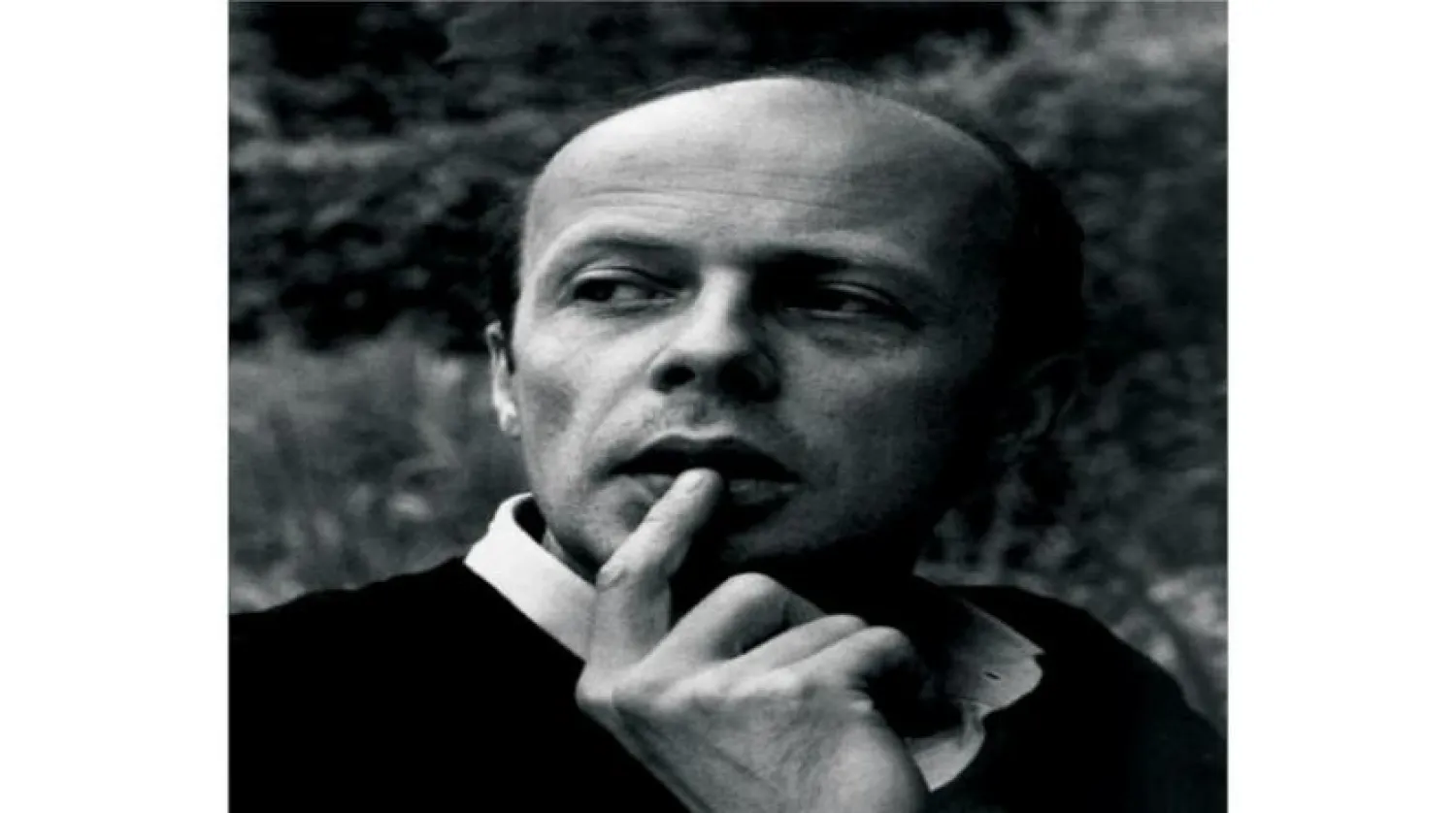
Patrick Süskind has one photo shared in public. It shows a skinny man with handsome features, smart eyes, and a bald patch at the front of his head. No one saw another picture of the writer. Although journalists chased him everywhere, none of them managed to capture a photo of his face or even draw him in a portrait. Süskind made only four interviews in his entire life and refused to appear publicly on TVs or at festivals.

He never received the prizes he won including the best literary work award (France, 1986), the Toucan Prize (1987), and the FAZ-Literaturpreis (1987). He also never attended a show of a movie he wrote, and never signed a book for anyone.

No one knows where he lives or what kind of rituals he practices. The details we usually know about the writers we love are not available in Süskind's case. No one knows his goals, views about major causes, opinions about the writers of his generation, relationships, or family (According to unconfirmed information, Süskind lives in in Munich (Seeheim or Starnberg) or in Montolieu in France.

He has only one friend, the French cartoonist Jean-Jacques Sempé, who drew the images of his novel "The Story of Mr. Sommer." Süskind, in return, translated some of Sempé's works into German. He is reportedly married to Tania Graff and has one child).

He is a hidden, overwhelmed writer who has a dark and honest view he elaborated in the script of his movie "Rossini," which explores the life of a writer who refuses to be paid for transforming his novel into a movie. It is believed that Süskind used this script to talk about himself.

The life of this German writer wasn't ordinary at all. His father is the journalist Wilhelm Emanuel Süskind, and his brother is the well-known journalist Martin E. Süskind. He is also the descendant of the exegete Johann Albrecht. Patrick was born in 1949 in Ambach and grew in Bavaria, in a region currently known as Münsing. He was different from the other members of his family and peers.

He preferred loneliness, and was always preoccupied with reading medieval literature and history. He also studied several Latin languages including French, Spanish, and Greek, in addition to politics and theology.

Süskind suddenly decided to ditch education and wrote his first novel, but his biggest achievement was "The Perfume," a novel he published in 1985. It gained an astounding fame, was translated into 49 languages, and sold around 20 million copies," Badr wrote in the introduction.


Saudi Arabia, UK Announce 2029 as Saudi-UK Year of Culture

Saudi Arabia, UK Announce 2029 as Saudi-UK Year of Culture
TT

Saudi Arabia, UK Announce 2029 as Saudi-UK Year of Culture

Saudi Arabia, UK Announce 2029 as Saudi-UK Year of Culture

The Saudi Ministry of Culture and the UK Department for Culture, Media and Sport have announced the year 2029 as the official Saudi-UK Year of Culture, reported the Saudi Press Agency on Wednesday. The announcement follows an official visit by Britain’s Prince William to Saudi Arabia this week.

For nearly a century, formal relations between Saudi Arabia and the UK and Northern Ireland have evolved into a multifaceted international relationship that has expanded across culture, education, and innovation, reflecting shared values and a mutual commitment to long-term cooperation.

In recent years, cultural exchange has emerged as a cornerstone of Saudi-British relations, driven by joint initiatives in heritage conservation, visual and culinary arts, architecture, and higher education.

This ongoing expansion of cultural exchange lays the foundation for the Saudi-UK Year of Culture 2029, a year-long program celebrating creative dialogue and the shared heritage of Saudi Arabia and the UK, while deepening cultural ties for generations to come. It will also be a great opportunity for young people in both countries to connect in new ways.

Supported by Saudi Vision 2030 and the United Kingdom’s continued promotion of cultural innovation and creativity, the Saudi-UK Year of Culture 2029 will be an important milestone for both countries.


Prince William Visits Historic, Natural Sites in AlUla Accompanied by Saudi Culture Minister

The visit reflects the depth of Saudi-British relations and their growing cooperation in culture, arts, environmental sustainability, and human capability development. (SPA)
TT

Prince William Visits Historic, Natural Sites in AlUla Accompanied by Saudi Culture Minister

The visit reflects the depth of Saudi-British relations and their growing cooperation in culture, arts, environmental sustainability, and human capability development. (SPA)

Britain’s Prince William visited a number of historic, natural, and cultural sites in Saudi Arabia’s AlUla, accompanied by Saudi Minister of Culture and Governor of the Royal Commission for AlUla Prince Bader bin Abdullah bin Farhan, reported the Saudi Press Agency on Wednesday.

The visit reflects the depth of Saudi-British relations and their growing cooperation in culture, arts, environmental sustainability, and human capability development, in line with the objectives of Saudi Vision 2030.

During his tour, Prince William reviewed a number of environmental initiatives at Sharaan Nature Reserve, including ecosystem restoration and biodiversity conservation efforts. He was briefed on programs to rehabilitate natural habitats, restore ecological balance, and reintroduce species such as the Arabian oryx and mountain ibex, contributing to long-term goals for the recovery of the Arabian leopard in its natural environment.

He received an overview of the history of AlUla Old Town and the Incense Road, and the role of culture and arts as a bridge for cultural exchange between the two countries. The visit included viewing artworks at AlUla Arts Festival 2026.

Prince William met with Saudi youths participating in joint cultural programs and initiatives between the two countries. The visit also featured a tour of AlUla Oasis Cultural District.

The visit highlighted the strategic importance of the partnership between the Royal Commission for AlUla and British cultural institutions within an organized framework of cooperation encompassing cultural, educational, and environmental entities, supporting balanced and sustainable development in AlUla and reinforcing its status as a global destination for heritage, culture, and nature.


Workshop Held to Develop Cultural Heritage Documentation, Digital Archiving Guide in Saudi Arabia

The workshop brought together representatives from relevant cultural entities, along with stakeholders, experts, and practitioners. SPA
TT

Workshop Held to Develop Cultural Heritage Documentation, Digital Archiving Guide in Saudi Arabia

The workshop brought together representatives from relevant cultural entities, along with stakeholders, experts, and practitioners. SPA

The Saudi Ministry of Culture organized a specialized workshop to review and develop the third edition of the Cultural Heritage Documentation and Digital Archiving Guide in the Kingdom.

The workshop brought together representatives from relevant cultural entities, along with stakeholders, experts, and practitioners, as part of the center’s efforts to standardize methodologies for documenting and archiving cultural heritage and to enhance institutional practices for managing national cultural memory.

The workshop forms part of the Ministry of Culture’s ongoing efforts to establish national standard frameworks for the management and digital documentation of cultural heritage, strengthen integration among entities, and equip practitioners with the necessary tools and methodologies.

These efforts reinforce the role of the Saudi cultural memory center in preserving the Kingdom’s cultural memory and support the objectives of the National Culture Strategy under Saudi Vision 2030.