


Experts Discuss 'The Cultural Economy and the Economy of Culture’ at Abu Dhabi Summit

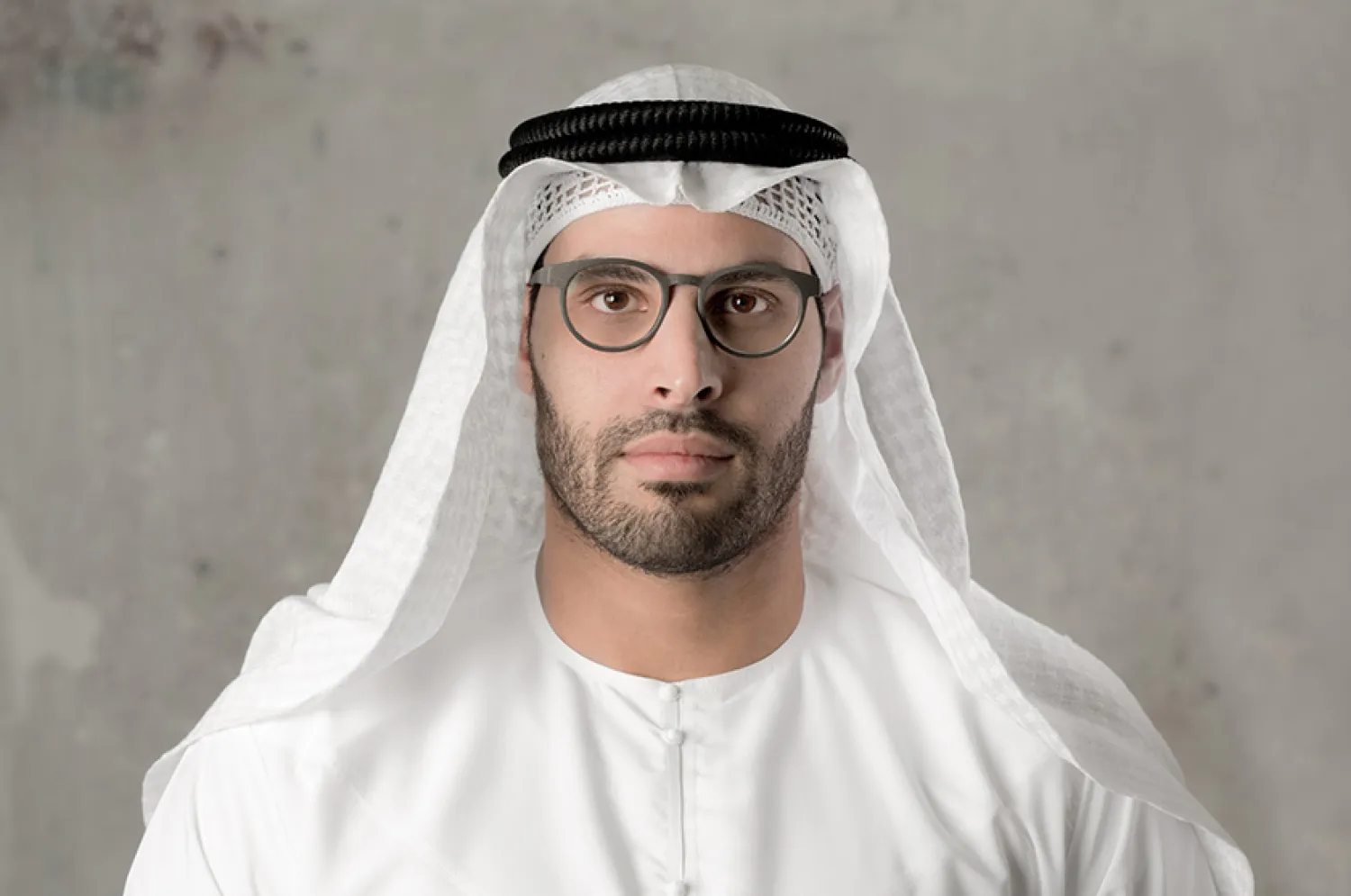
Chairman of DCT – Abu Dhabi Mohamed Khalifa Al Mubarak. WAM
TT

Experts Discuss 'The Cultural Economy and the Economy of Culture’ at Abu Dhabi Summit

Chairman of DCT – Abu Dhabi Mohamed Khalifa Al Mubarak. WAM

Culture Summit Abu Dhabi is bringing global experts in the fields of design, heritage, media, public policy, technology and business for a series of speeches, panel discussions, case studies, artist talks and performances.

The summit, organized by the Department of Culture and Tourism – Abu Dhabi, has returned to the UAE capital for the fourth year in an online format, exploring the theme of 'The Cultural Economy and the Economy of Culture."

Addressing the summit, Chairman of DCT – Abu Dhabi Mohamed Khalifa Al Mubarak said culture is a mainstay for prosperity for any community, and therefore should remain at the heart of issues prioritized by decision makers.

"Culture is a lifeboat for humanity at large under the exceptional circumstances the world is reeling under due to the overwhelmingly negative impact the COVID-19 pandemic has on mental health; and as the fallout of this pandemic is projected to persist, culture becomes our ideal refuge," he added.

Delivering her opening address, UNESCO Director General Audrey Azoulay said that cultural recovery is an anthropological necessity, and an economic necessity, "for the creative economy generates trillions of dollars every year, and its impact and influence is often underestimated. It is also a necessity for peace, because culture brings people together closer, by building bridges and by creating meaning.

"For all these reasons, the United Nations General Assembly proclaimed 2021 the International Year of Creative Economy for Sustainable Development. This is also the ambition of the Culture Summit Abu Dhabi, to jointly reflect of means of action."

Before the pandemic, the culture and creative industries (CCI) were one of the fastest growing sectors in the world economy. But the sector was one of the hardest struck by COVID.

CCI and the wider cultural economy continue to hold great promise in contributing to economic recovery and also for wider public good, in addressing inequity, promoting social inclusion, fostering cultural diversity and advancing sustainable development. To realize these opportunities, the search is on for more adaptable, resilient and collaborative approaches to building and sustaining cultural and creative ecosystems.

Culture Summit Abu Dhabi 2021 explores the challenges and opportunities associated with building these ecosystems and the benefits they can deliver around the world. A strong theme is the International Year of Creative Economy for Sustainable Development, 2021, led by Summit partner the United Nations Conference on Trade and Development (UNCTAD).



iRead Marathon Records over 6.5 Million Pages Read

Participants agreed that the number of pages read was not merely a numerical milestone - SPA
TT

iRead Marathon Records over 6.5 Million Pages Read

Participants agreed that the number of pages read was not merely a numerical milestone - SPA

The fifth edition of the iRead Marathon achieved a remarkable milestone, surpassing 6.5 million pages read over three consecutive days, in a cultural setting that reaffirmed reading as a collective practice with impact beyond the moment.

Hosted at the Library of the King Abdulaziz Center for World Culture (Ithra) and held in parallel with 52 libraries across 13 Arab countries, including digital libraries participating for the first time, the marathon reflected the transformation of libraries into open, inclusive spaces that transcend physical boundaries and accommodate diverse readers and formats.

Participants agreed that the number of pages read was not merely a numerical milestone, but a reflection of growing engagement and a deepening belief in reading as a daily, shared activity accessible to all, free from elitism or narrow specialization.

Pages were read in multiple languages and formats, united by a common conviction that reading remains a powerful way to build genuine connections and foster knowledge-based bonds across geographically distant yet intellectually aligned communities, SPA reported.

The marathon also underscored its humanitarian and environmental dimension, as every 100 pages read is linked to the planting of one tree, translating this edition’s outcome into a pledge of more than 65,000 trees. This simple equation connects knowledge with sustainability, turning reading into a tangible, real-world contribution.

The involvement of digital libraries marked a notable development, expanding access, strengthening engagement, and reinforcing the library’s ability to adapt to technological change without compromising its cultural role. Integrating print and digital reading added a contemporary dimension to the marathon while preserving its core spirit of gathering around the book.

With the conclusion of the iRead Marathon, the experience proved to be more than a temporary event, becoming a cultural moment that raised fundamental questions about reading’s role in shaping awareness and the capacity of cultural initiatives to create lasting impact. Three days confirmed that reading, when practiced collectively, can serve as a meeting point and the start of a longer cultural journey.


Imam Turki bin Abdullah Royal Reserve Launches Fifth Beekeeping Season

Jazan’s Annual Honey Festival - File Photo/SPA
TT

Imam Turki bin Abdullah Royal Reserve Launches Fifth Beekeeping Season

Jazan’s Annual Honey Festival - File Photo/SPA

The Imam Turki bin Abdullah Royal Nature Reserve Development Authority launched the fifth annual beekeeping season for 2026 as part of its programs to empower the local community and regulate beekeeping activities within the reserve.

The launch aligns with the authority's objectives of biodiversity conservation, the promotion of sustainable environmental practices, and the generation of economic returns for beekeepers, SPA reported.

The authority explained that this year’s beekeeping season comprises three main periods associated with spring flowers, acacia, and Sidr, with the start date of each period serving as the official deadline for submitting participation applications.

The authority encouraged all interested beekeepers to review the season details and attend the scheduled virtual meetings to ensure organized participation in accordance with the approved regulations and the specified dates for each season.


Hail Municipality Named Arab Green City For 2024-2025

The achievement establishes Hail as a leading Arab model for sustainable urban development - SPA
TT

Hail Municipality Named Arab Green City For 2024-2025

The achievement establishes Hail as a leading Arab model for sustainable urban development - SPA

The Hail Region Municipality has secured first place in the Arab Green City award for 2024-2025 at the 15th session of the Arab Towns Organization.

This recognition honors the municipality’s commitment to environmental sustainability, the expansion of green spaces, and the implementation of urban practices that elevate the quality of life, SPA reported.

The award follows a series of strategic environmental initiatives, including large-scale afforestation, the modernization of public parks, and the adoption of eco-friendly solutions to enhance the urban landscape and resource efficiency.

By aligning its projects with the sustainability goals of Saudi Vision 2030, the municipality continues to foster a healthy and safe environment for residents and visitors.

This achievement establishes Hail as a leading Arab model for sustainable urban development.