



Sudan PM Invites Ethiopia, Egypt to GERD Summit

Sudan's Prime Minister Abdalla Hamdok speaks during a Reuters interview in Khartoum, Sudan August 24, 2019. REUTERS/Mohamed Nureldin Abdallah
TT

Sudan PM Invites Ethiopia, Egypt to GERD Summit

Sudan's Prime Minister Abdalla Hamdok speaks during a Reuters interview in Khartoum, Sudan August 24, 2019. REUTERS/Mohamed Nureldin Abdallah

Sudanese Prime Minister Abdalla Hamdok has invited his Egyptian and Ethiopian counterparts to a closed meeting to discuss the long-running dispute over Addis Ababa's mega-dam on the Blue Nile, his office said.

The premier's office said in a statement late Tuesday that Hamdok expressed concern the dam's construction had reached an advanced stage, making "reaching a deal before the start of operation an urgent and pressing matter".

He "invited his Egyptian counterpart Mostafa Madbouli and Ethiopian counterpart Abiy Ahmed to a summit within 10 days to evaluate the negotiations regarding the Grand Ethiopian Renaissance Dam (GERD)."

The statement said the planned summit will be held by videoconference.

Last week, talks involving the three countries hosted by the African Union chair, Congo, failed to reach a binding agreement over the operation of GERD and the filling of its vast reservoir.

Ever since construction began in 2011, Egypt has regarded the dam as an existential threat to its water supplies, while Khartoum fears its own dams would be harmed if Ethiopia fills the reservoir without a deal.

Last week, Ethiopia offered to share data with Egypt and Sudan, but the proposal was rejected by Khartoum and Cairo which complained of "fallacies" in the figures and an "unacceptable tendency" by Addis Ababa to take unilateral steps.

Ethiopia insists the power produced by the huge hydro-electric project is indispensable for its development.

But Egypt and Sudan have been pushing for a binding agreement before Ethiopia completes the filling of the dam's vast reservoir which it began last year.



EU Condemns Israel's West Bank Control Measures

The Israeli settlement of Har Homa, seen from the West Bank city of Bethlehem, Tuesday, Dec. 17, 2024. (AP)
TT

EU Condemns Israel's West Bank Control Measures

The Israeli settlement of Har Homa, seen from the West Bank city of Bethlehem, Tuesday, Dec. 17, 2024. (AP)

The European Union on Monday condemned new Israeli measures to tighten control of the West Bank and pave the way for more settlements in the occupied Palestinian territory, AFP reported.

"The European Union condemns recent decisions by Israel's security cabinet to expand Israeli control in the West Bank. This move is another step in the wrong direction," EU spokesman Anouar El Anouni told journalists.


Atrocities in Sudan's El-Fasher Were 'Preventable Human Rights Catastrophe'

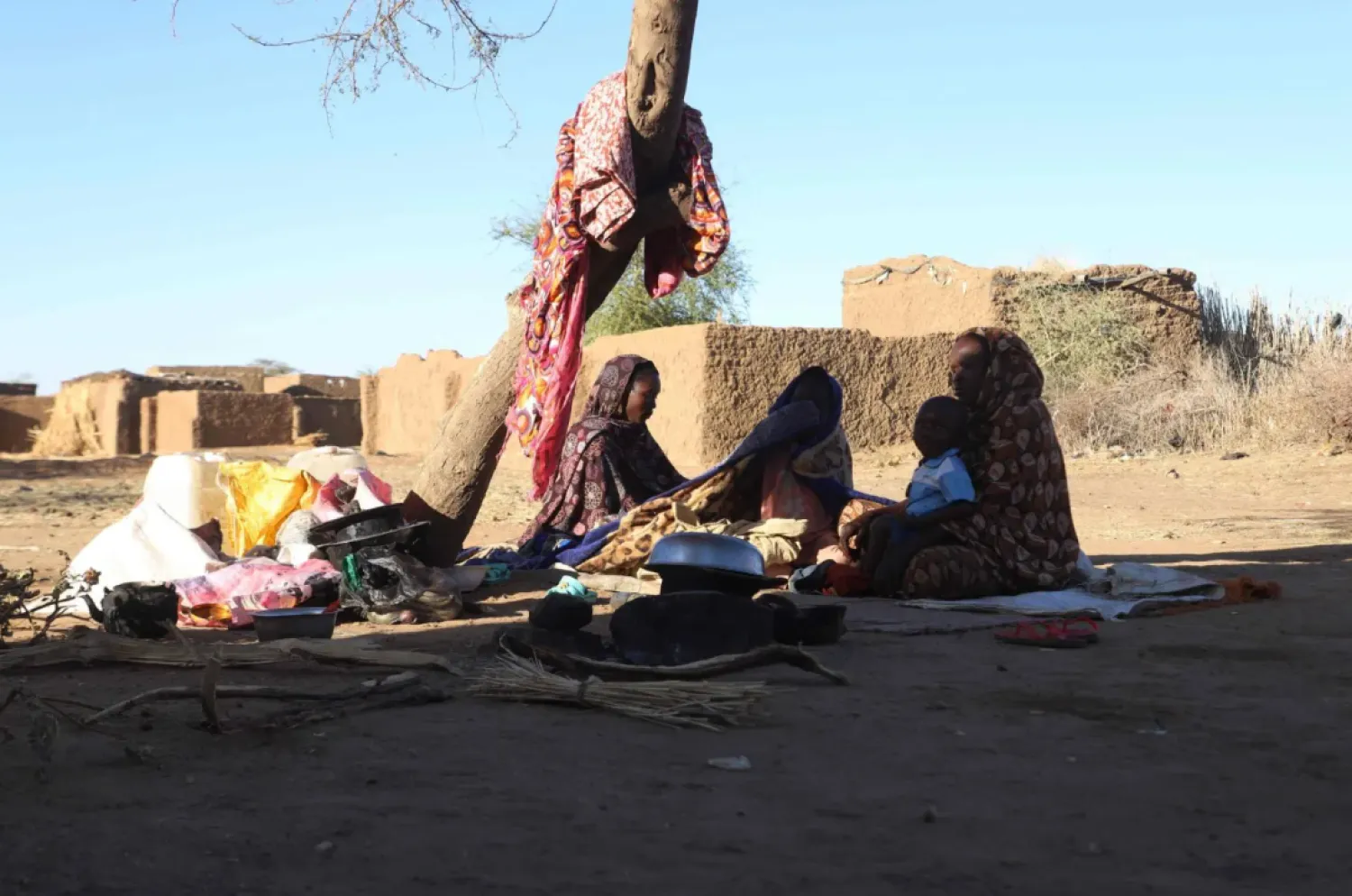
Sudanese displaced people who left El Fasher after its fall, sit in the shade in Tawila at the Rwanda camp reception point on December 17, 2025. (Photo by AFP)
TT

Atrocities in Sudan's El-Fasher Were 'Preventable Human Rights Catastrophe'

Sudanese displaced people who left El Fasher after its fall, sit in the shade in Tawila at the Rwanda camp reception point on December 17, 2025. (Photo by AFP)

The atrocities unleashed on El-Fasher in Sudan's Darfur region last October were a "preventable human rights catastrophe", the United Nations said Monday, warning they now risked being repeated in the neighbouring Kordofan region.


"My office sounded the alarm about the risk of mass atrocities in the besieged city of El-Fasher for more than a year ... but our warnings were ignored," UN rights chief Volker Turk told the Human Rights Council in Geneva.


He added that he was now "extremely concerned that these violations and abuses may be repeated in the Kordofan region".


Arab League Condemns Israel's Decisions to Alter Legal, Administrative Status of West Bank

A general view shows the opening session of the meeting of Arab foreign ministers at the Arab League Headquarters (Reuters)
TT

Arab League Condemns Israel's Decisions to Alter Legal, Administrative Status of West Bank

A general view shows the opening session of the meeting of Arab foreign ministers at the Arab League Headquarters (Reuters)

The General Secretariat of the Arab League strongly condemned decisions by Israeli occupation authorities to impose fundamental changes on the legal and administrative status of the occupied Palestinian territories, particularly in the West Bank, describing them as a dangerous escalation and a flagrant violation of international law, international legitimacy resolutions, and signed agreements, SPA reported.

In a statement, the Arab League said the measures include facilitating the confiscation of private Palestinian property and transferring planning and licensing authorities in the city of Hebron and the area surrounding the Ibrahimi Mosque to occupation authorities.

It warned of the serious repercussions of these actions on the rights of the Palestinian people and on Islamic and Christian holy sites.

The statement reaffirmed the Arab League’s firm support for the legitimate rights of the Palestinian people, foremost among them the establishment of their independent state on the June 4, 1967 borders, with East Jerusalem as its capital.