


Lebanon’s Successive Crises Hinder its Ability to Face Pandemic

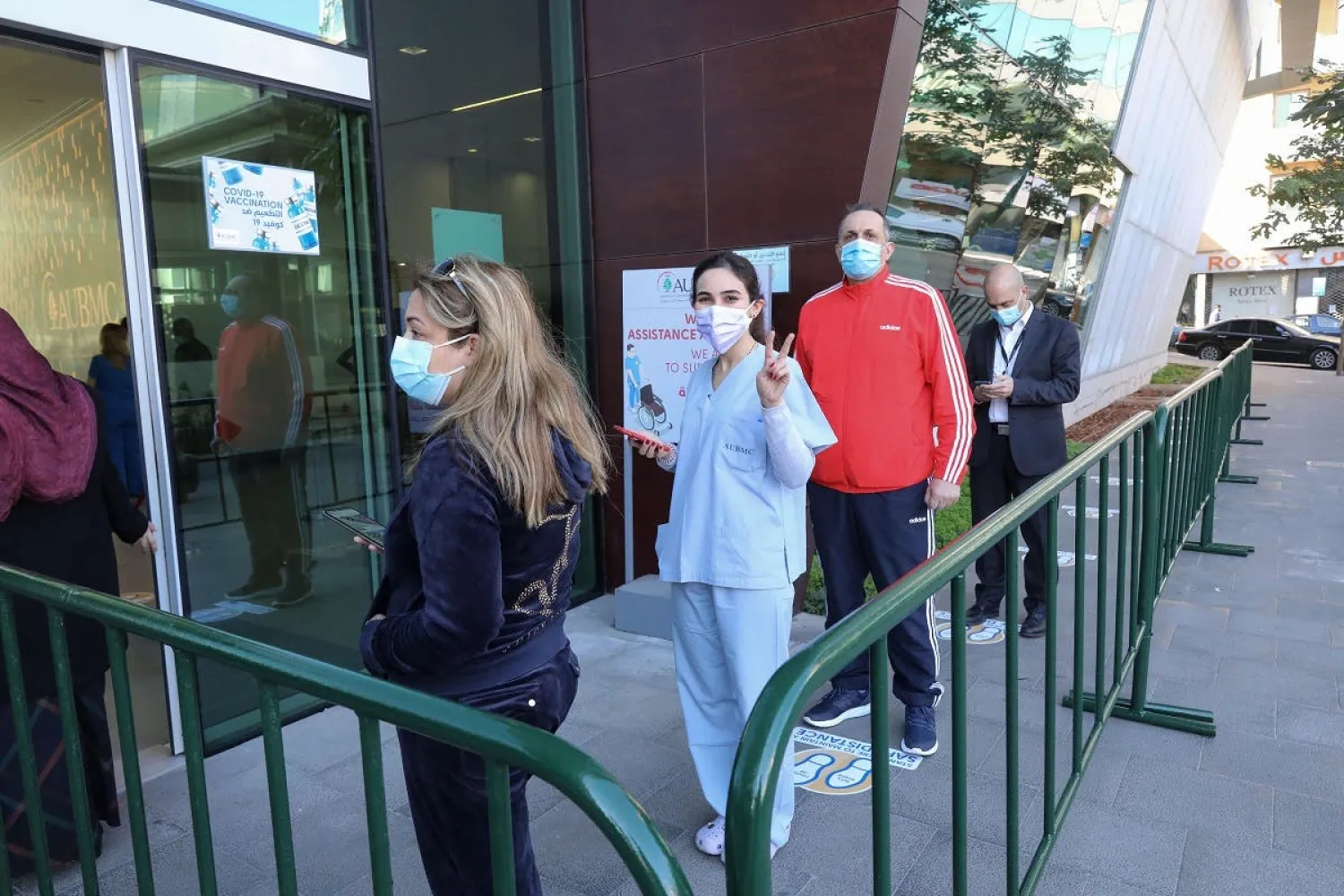
People queue to receive the COVID-19 Pfizer/BioNTech vaccine at Lebanon’s American University Medical Center in the capital Beirut, on February 14, 2021. (AFP)
TT

Lebanon’s Successive Crises Hinder its Ability to Face Pandemic

People queue to receive the COVID-19 Pfizer/BioNTech vaccine at Lebanon’s American University Medical Center in the capital Beirut, on February 14, 2021. (AFP)

Lebanon’s successive political, economic and social crises hinder its ability to effectively manage a coronavirus pandemic response, a study published last week said.

According to the Center for Strategic & International Studies, “nearly 2,500 new COVID-19 cases are confirmed each day in Lebanon, an untenable number in a country reeling from concurrent economic, political, and security crises and still recovering from the August 2020 Beirut port explosion.”

The study is written by Anna McCaffrey, a fellow at the Global Health Policy Center and Will Todman, a fellow at the Middle East Program.

It reveals that the existing challenges make Lebanon one of the most difficult places in the world to manage a Covid-19 response and vaccination effort, and the country is in dire need of additional support.

However, the study notes that because Lebanon is classified as a middle-income country—a classification that does not account for its recent economic collapse—it is ineligible for many forms of international health and humanitarian aid.

The two researchers also found that complicating matters further, Lebanon’s Health Ministry is effectively under the control of Hezbollah, a designated foreign terrorist organization, making the United States unable to provide direct support to the government-led Covid-19 response.

“The humanitarian and economic crises are intensifying, and security risks are growing,” the study said.

It called on Washington to expand its technical and financial support to the international agencies filling critical gaps in the Covid-19 response in Lebanon, and to work with its European allies to support the Health Ministry as it oversees the Covid-19 vaccine rollout.

“A successful vaccination effort will save lives, alleviate suffering, and help to prevent further deterioration in a country on the verge of collapse,” it noted.

The two researchers also explained that Lebanon faces cascading crises with a growing risk of countrywide food insecurity and more than 50 percent of Lebanese households now living in poverty.

“Its financial crisis has caused the Lebanese lira to lose more than 90 percent of its value on the black market since December 2019. After draining its foreign reserves, Lebanon is increasingly struggling to import food, fuel, and agricultural equipment, and is cutting subsidies on basic food items,” it said.

McCaffrey and Todman said that despite Lebanon’s intensifying humanitarian crisis and weakening healthcare system, Covid-19 vaccines could help stave off further disaster.

They noted that despite severe economic constraints, Lebanon has signed agreements to secure 6.3 million Covid-19 vaccine doses, largely due to unprecedented support from the international community.

However, the researchers said Lebanon’s confirmed procurement deals will not be enough to vaccinate 80 percent of the country’s 6.8 million people in 2021, the target set forth in the national vaccination plan.



EU Condemns Israel's West Bank Control Measures

The Israeli settlement of Har Homa, seen from the West Bank city of Bethlehem, Tuesday, Dec. 17, 2024. (AP)
TT

EU Condemns Israel's West Bank Control Measures

The Israeli settlement of Har Homa, seen from the West Bank city of Bethlehem, Tuesday, Dec. 17, 2024. (AP)

The European Union on Monday condemned new Israeli measures to tighten control of the West Bank and pave the way for more settlements in the occupied Palestinian territory, AFP reported.

"The European Union condemns recent decisions by Israel's security cabinet to expand Israeli control in the West Bank. This move is another step in the wrong direction," EU spokesman Anouar El Anouni told journalists.


Atrocities in Sudan's El-Fasher Were 'Preventable Human Rights Catastrophe'

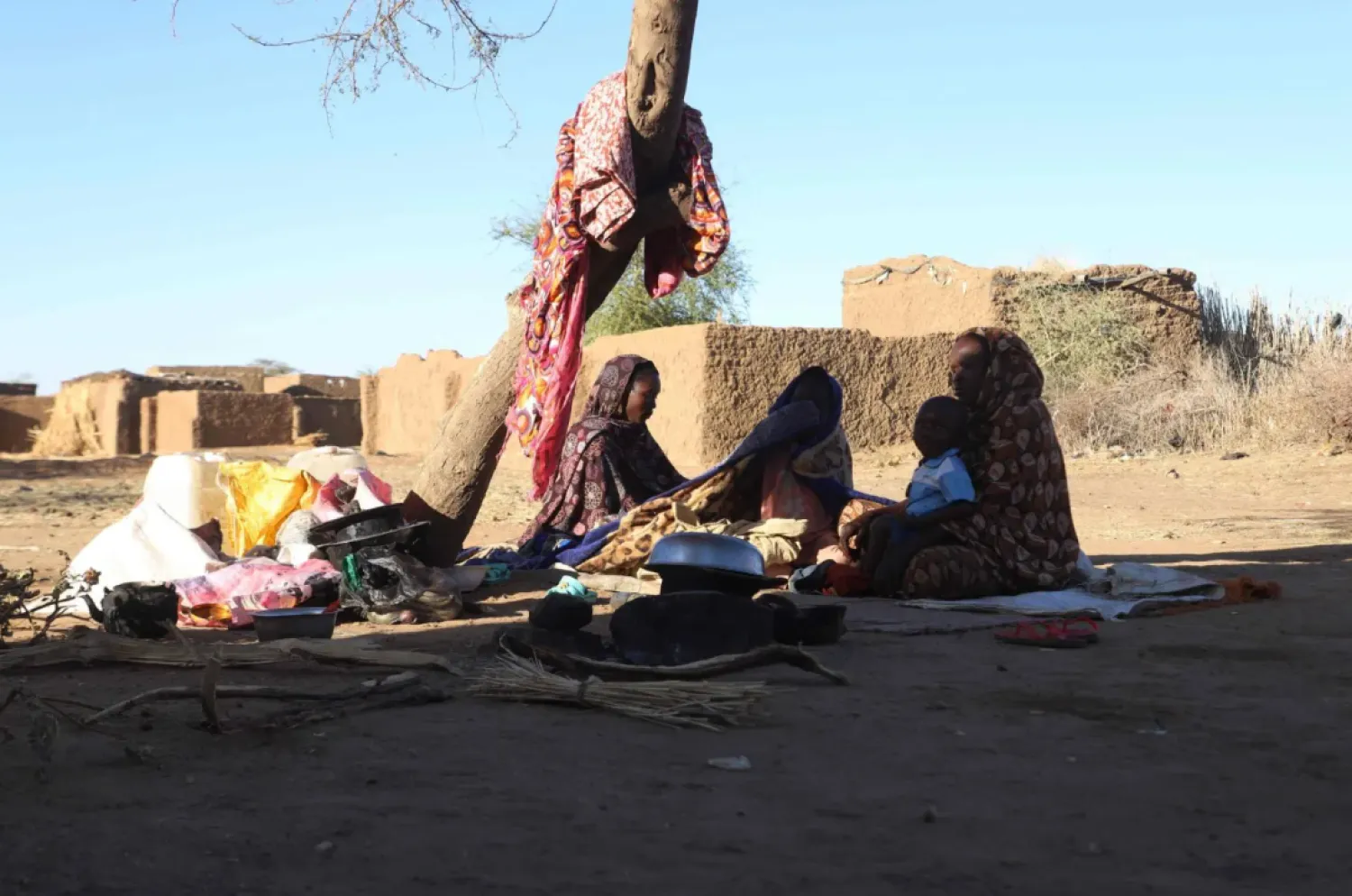
Sudanese displaced people who left El Fasher after its fall, sit in the shade in Tawila at the Rwanda camp reception point on December 17, 2025. (Photo by AFP)
TT

Atrocities in Sudan's El-Fasher Were 'Preventable Human Rights Catastrophe'

Sudanese displaced people who left El Fasher after its fall, sit in the shade in Tawila at the Rwanda camp reception point on December 17, 2025. (Photo by AFP)

The atrocities unleashed on El-Fasher in Sudan's Darfur region last October were a "preventable human rights catastrophe", the United Nations said Monday, warning they now risked being repeated in the neighbouring Kordofan region.


"My office sounded the alarm about the risk of mass atrocities in the besieged city of El-Fasher for more than a year ... but our warnings were ignored," UN rights chief Volker Turk told the Human Rights Council in Geneva.


He added that he was now "extremely concerned that these violations and abuses may be repeated in the Kordofan region".


Arab League Condemns Israel's Decisions to Alter Legal, Administrative Status of West Bank

A general view shows the opening session of the meeting of Arab foreign ministers at the Arab League Headquarters (Reuters)
TT

Arab League Condemns Israel's Decisions to Alter Legal, Administrative Status of West Bank

A general view shows the opening session of the meeting of Arab foreign ministers at the Arab League Headquarters (Reuters)

The General Secretariat of the Arab League strongly condemned decisions by Israeli occupation authorities to impose fundamental changes on the legal and administrative status of the occupied Palestinian territories, particularly in the West Bank, describing them as a dangerous escalation and a flagrant violation of international law, international legitimacy resolutions, and signed agreements, SPA reported.

In a statement, the Arab League said the measures include facilitating the confiscation of private Palestinian property and transferring planning and licensing authorities in the city of Hebron and the area surrounding the Ibrahimi Mosque to occupation authorities.

It warned of the serious repercussions of these actions on the rights of the Palestinian people and on Islamic and Christian holy sites.

The statement reaffirmed the Arab League’s firm support for the legitimate rights of the Palestinian people, foremost among them the establishment of their independent state on the June 4, 1967 borders, with East Jerusalem as its capital.