


Saudi Story Collection Explores Transformation of Houses, Places, Humans

Saudi Story Collection Explores Transformation of Houses, Places, Humans
TT

Saudi Story Collection Explores Transformation of Houses, Places, Humans

Saudi Story Collection Explores Transformation of Houses, Places, Humans

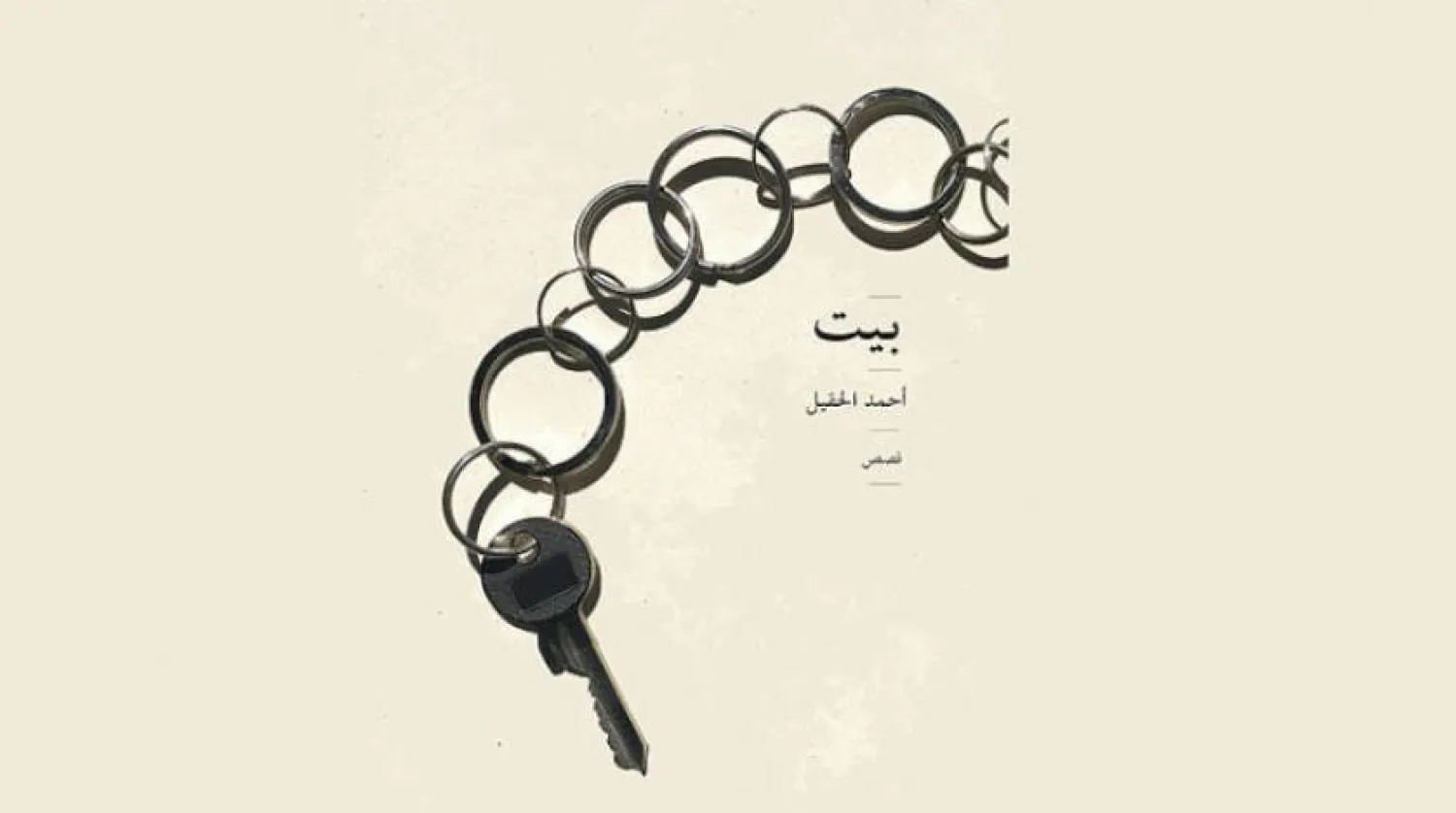
Saudi novelist and story writer Ahmed al-Hokail released a new story collection entitled "Home," published by Riwayat Imprint affiliated with Sharjah-based Kalimat Group. The collection includes many stories that took place in the 1970s and 1980s, featuring many details from that period such as the shape of streets and the interests of people who lived back then.

The author created the picture of a whole era using car brands, urban expansion, and the emergence of new neighborhoods. He also shed light on the consequences of moving to a new house, like losing familial ties, neighbors, and childhood memories in the past decades, during which people never closed their doors or set boundaries with other families.

In a text titled "Ibn Battuta Leaves," the novelist tells the story of a little boy who remembers his neighbors leaving to a new house in 1986; the story's main character blend events from two different periods: the first when he was an 11-year-old boy, and the other after he became a husband and a father.

He recalls moments filled with nostalgia for a time where he was more innocent. With his visual memory, the man reconstructs the past of his neighbors on the last day in their old house, how their faces disappeared, and his ties with them were gone forever. Other stories revolve around the simple relations that dominated the society before the oil boom, and how moving from old neighborhoods to urban communities always represented a new shift for individuals and families.

From the perspective of an 11-year-old boy, half of the regret expressed in the stories comes from losing the simplicity and missing the happiness of visiting neighbors' houses like he used to do in his childhood. In other words, the "modern house" has become, according to al-Hokail's texts, the synonym of missing neighbors, and the end of a time where people sat together around one table. In his texts, the writer was keen to recall smells, and activate senses, while the visual part remains dominant.

In his collection, al-Hokail seeks to highlight what others don't see in the transformation of houses, and the change of their owners. The second story, also named "House," revolves around a living room, the events it hosted, furniture, marriages, friends gatherings in the absence of their wives, night adventures, ruined recipes, and everything that could happen to a person and become a major part of his life.

In some of its pages, the collection features texts with unfamiliar plots based on philosophic views. The third story, for instance, discusses death with a touch of fantasy and explores various deaths that humans might experience, according to reincarnation myths. But, in this text, deaths were real and not just mythological hypotheses.

The stories of Ahmed al-Hokail in this collection, like in the last text "From the Margin: Letter from after Death," and three others with similar ideas, feature a forest full of lives, in diversified narrative subjects with historic if not legendary roots. Here, the reader might find it hard to understand why there are texts that are not related to the main idea of the book. However, the used language gives the stories a sort of consistency and reflects remarkable patience in forging the scenes and aesthetic energy that manages to fill the reader's hunger.


Saudi Arabia, Syria Underline Depth of their Cultural Ties

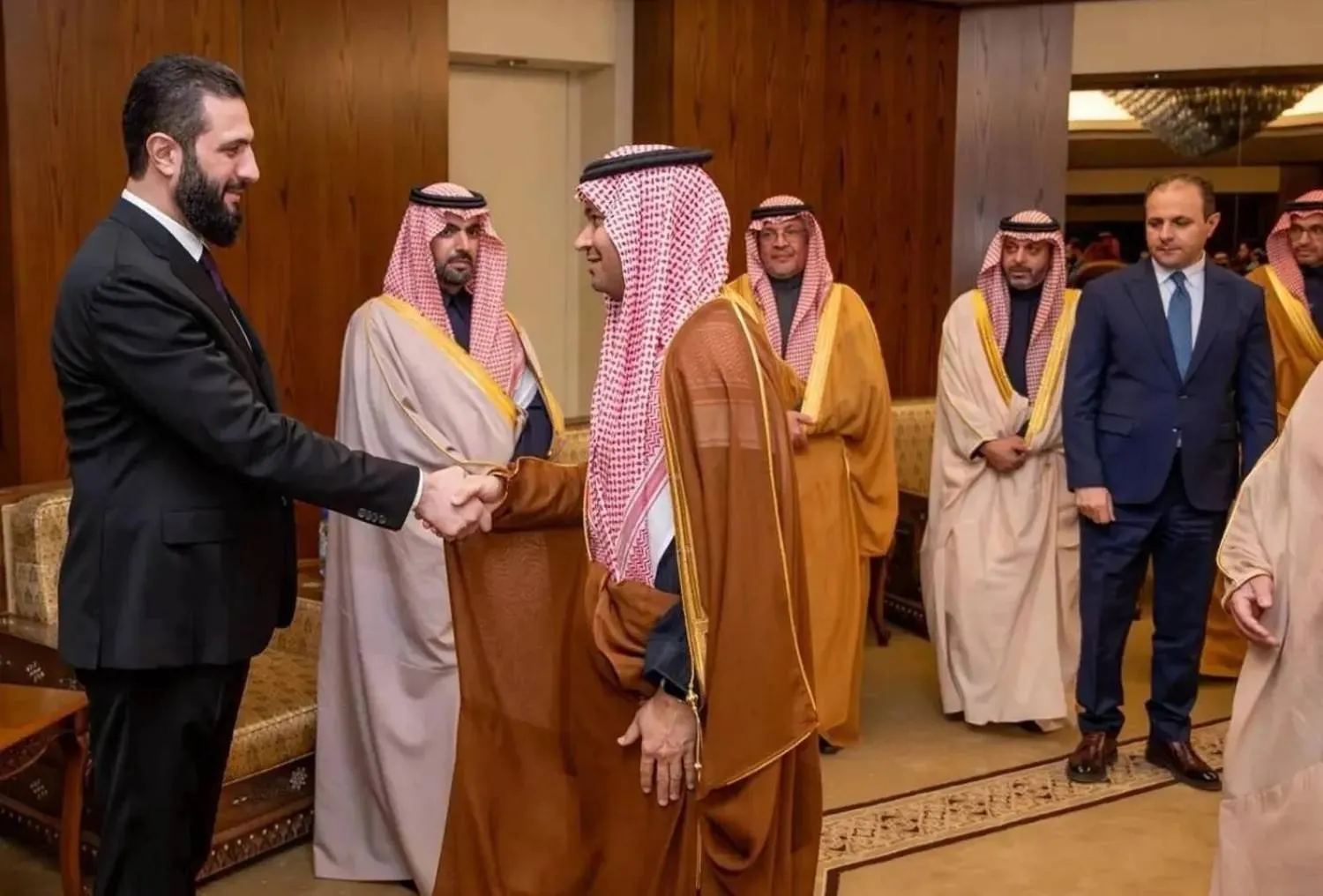
Syrian President al-Sharaa receives the Saudi minister of culture and the accompanying delegation at the Conference Palace in Damascus on Thursday. (SPA)
TT

Saudi Arabia, Syria Underline Depth of their Cultural Ties

Syrian President al-Sharaa receives the Saudi minister of culture and the accompanying delegation at the Conference Palace in Damascus on Thursday. (SPA)

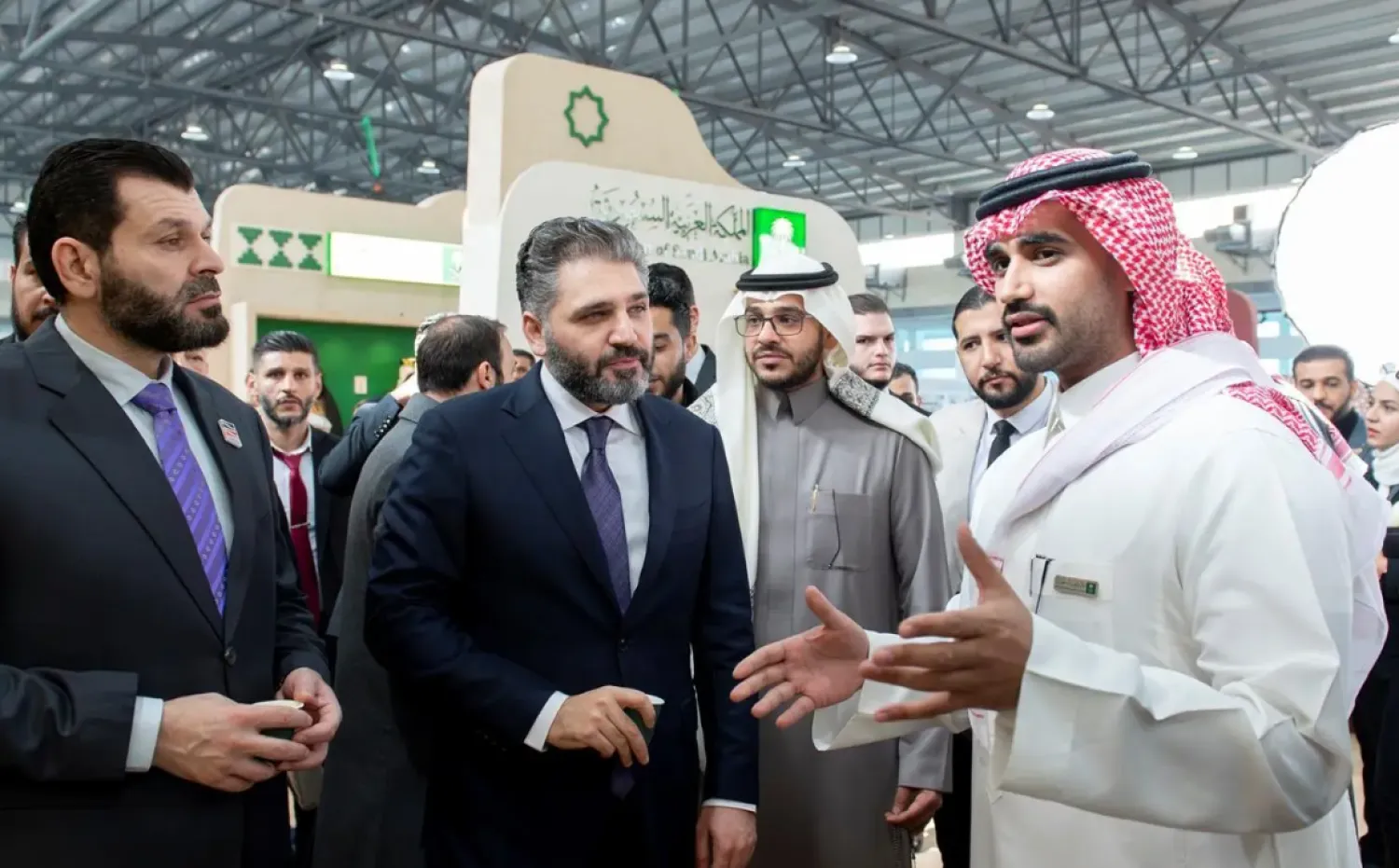
Saudi Arabia and Syria underlined the strength of their cultural relationship during high-level meetings held in Damascus on Thursday, on the sidelines of the opening of the Damascus International Book Fair 2026, where the Kingdom is participating as guest of honor.

Syrian President Ahmad al-Sharaa received Saudi Minister of Culture Prince Badr bin Abdullah bin Farhan at the Conference Palace in the capital.

Earlier the same day, Prince Badr met with his Syrian counterpart, Minister of Culture Mohammad Yassin Saleh, during an official visit to attend the fair. T

he Saudi minister congratulated Syria on hosting the exhibition and expressed his wishes for continued prosperity, progress, and stability for the Syrian government and people.

Both meetings highlighted the depth of cultural relations between the two countries, the importance of expanding joint cultural cooperation across various fields, and the alignment of positions on issues of mutual interest in a way that serves both nations.

The Saudi delegation included senior officials and advisers, among them representatives from the Royal Court, the Ministry of Culture, and the King Abdulaziz Public Library, reflecting broad institutional engagement in the visit.

In the evening, Prince Badr attended the opening ceremony of the fair’s special session, held under the patronage and in the presence of al-Sharaa. The event drew wide official and cultural participation, including Arab ministers, political and intellectual figures, and a distinguished group of writers and cultural figures.

In a post on the X platform, Prince Badr thanked “our brothers in Syria for their generous hospitality and their efforts in organizing the Damascus International Book Fair.”

The minister also inaugurated the Kingdom’s pavilion at the fair in the presence of the Syrian minister of culture and the Qatari minister of culture.

Saudi Arabia’s guest-of-honor participation continues until Feb. 16 and reflects its growing prominence and leadership in the Arab and global cultural landscape.

This participation aligns with Saudi Vision 2030, which places culture at the heart of national development, viewing it as a space for dialogue, a bridge for civilizational communication, and a tool for strengthening ties among Arab peoples.

The Saudi Literature, Publishing and Translation Commission is leading the Kingdom’s participation, highlighting the development of the cultural sector and reaffirming the central role of books as carriers of knowledge and awareness.

The Saudi pavilion boasts a comprehensive cultural program featuring intellectual seminars, poetry evenings, a manuscript exhibition, traditional Saudi fashion displays, hospitality corners, archaeological replicas, and performing arts that express the depth of the Kingdom’s cultural heritage.

On the sidelines of the visit, Prince Badr, accompanied by Minister Saleh, toured the National Museum of Damascus, which houses rare artifacts spanning prehistoric eras, ancient Syrian civilizations, classical and Islamic periods, as well as traditional and modern art.


UNESCO Honors Al-Bisht Al-Hasawi as Thousands Flock to Al-Ahsa Festival

Visitors can explore interactive displays, participate in live workshops, and witness the meticulous process of tailoring this iconic symbol of prestige - SPA
TT

UNESCO Honors Al-Bisht Al-Hasawi as Thousands Flock to Al-Ahsa Festival

Visitors can explore interactive displays, participate in live workshops, and witness the meticulous process of tailoring this iconic symbol of prestige - SPA

The third edition of Al-Bisht Al-Hasawi Festival is drawing thousands of regional and international visitors to Ibrahim Palace in historic Al-Hofuf.

Organized by the Heritage Commission, this year’s festival celebrates the inscription of the Bisht on UNESCO’s Representative List of the Intangible Cultural Heritage of Humanity.

The event showcases Al-Ahsa’s centuries-old tradition of hand-weaving and gold embroidery, a craft passed down through generations of local families, SPA reported.

Visitors can explore interactive displays, participate in live workshops, and witness the meticulous process of tailoring this iconic symbol of prestige.

With UNESCO's participation and representatives from six countries, the festival has evolved into a global platform for cultural dialogue, cementing the Bisht’s status as a world-class cultural treasure.


Saudi, Syrian Culture Ministers Tour National Museum of Damascus

The ministers observed the museum’s extensive collections spanning prehistoric eras to modern art. SPA
TT

Saudi, Syrian Culture Ministers Tour National Museum of Damascus

The ministers observed the museum’s extensive collections spanning prehistoric eras to modern art. SPA

Saudi Minister of Culture Prince Badr bin Abdullah bin Farhan and his Syrian counterpart, Mohammed Yassin Saleh, have toured the National Museum of Damascus during the Kingdom’s participation as guest of honor at the 2026 Damascus International Book Fair.

The ministers observed on Thursday the museum’s extensive collections spanning prehistoric eras to modern art.

A particular focus was placed on the Arab-Islamic wing, featuring significant artifacts from the Umayyad period.

The Kingdom's participation as guest of honor at the 2026 Damascus International Book Fair, which runs until February 16, stems from the role culture plays within Saudi Vision 2030.