



Iraqi President Tours Kadhimiya, Adhamiyah to Ease Sectarian Tension

Iraqi President Barham Salih visiting the shrine of Imam Abu Hanifa al-Numan in Adhamiyah. Twitter
TT

Iraqi President Tours Kadhimiya, Adhamiyah to Ease Sectarian Tension

Iraqi President Barham Salih visiting the shrine of Imam Abu Hanifa al-Numan in Adhamiyah. Twitter

Iraqi President Barham Salih said that his country “has become resistant to sectarian strife, and its people are united.”

In comments on Twitter following his visit to the shrines of Imam Musa al-Kadhim in Kadhimiya, northwest of Baghdad, and Imam Abu Hanifa al-Numan in Adhamiyah, Salih said: “Two cities that summarize the history of Iraq, its resilient people and the achievements of coexistence despite the storms of adversity.”

A presidential statement quoted Salih as saying during his tour in both cities (Al-Kadhimiya, which is predominantly Shiite, and Adhamiyah, which is mostly Sunni), that Al-Kadhimiya had positive role in “strengthening the bonds of brotherhood, equality and tolerance among the components of the Iraqi people.”

He also stressed that the city of Adhamiyah has a rich history as an “axis for fraternity, solidarity, and a meeting place for science and scholars.”

“The two brotherly cities, Kadhimiya and Adhamiyah, have a prominent role in burying sedition, confronting deviant extremist ideas, and consolidating the values of love and harmony, as they are a symbol of unity and cohesion among Iraqis,” the Iraqi president underlined.

Salih’s visit came in the wake of calls on social media to demolish the shrine of Imam Abu Hanifa Al Numan, the founder of the Hanafi school of Sunni jurisprudence and a statue of Abu Jaafar Al Mansur, an Abbasid Caliph who founded Baghdad in the 8th century.

The two cities of Kadhimiya and Adhamiyah, which are separated by Al-Aimmah Bridge on the Tigris River, witnessed the most violent event in Iraq in 2005, when a stampede occurred following a rumor about the presence of an explosive belt, which led to the death of more than 1,200 Shiite visitors, who were marching toward Al Kadhimiya Mosque.



EU Condemns Israel's West Bank Control Measures

The Israeli settlement of Har Homa, seen from the West Bank city of Bethlehem, Tuesday, Dec. 17, 2024. (AP)
TT

EU Condemns Israel's West Bank Control Measures

The Israeli settlement of Har Homa, seen from the West Bank city of Bethlehem, Tuesday, Dec. 17, 2024. (AP)

The European Union on Monday condemned new Israeli measures to tighten control of the West Bank and pave the way for more settlements in the occupied Palestinian territory, AFP reported.

"The European Union condemns recent decisions by Israel's security cabinet to expand Israeli control in the West Bank. This move is another step in the wrong direction," EU spokesman Anouar El Anouni told journalists.


Atrocities in Sudan's El-Fasher Were 'Preventable Human Rights Catastrophe'

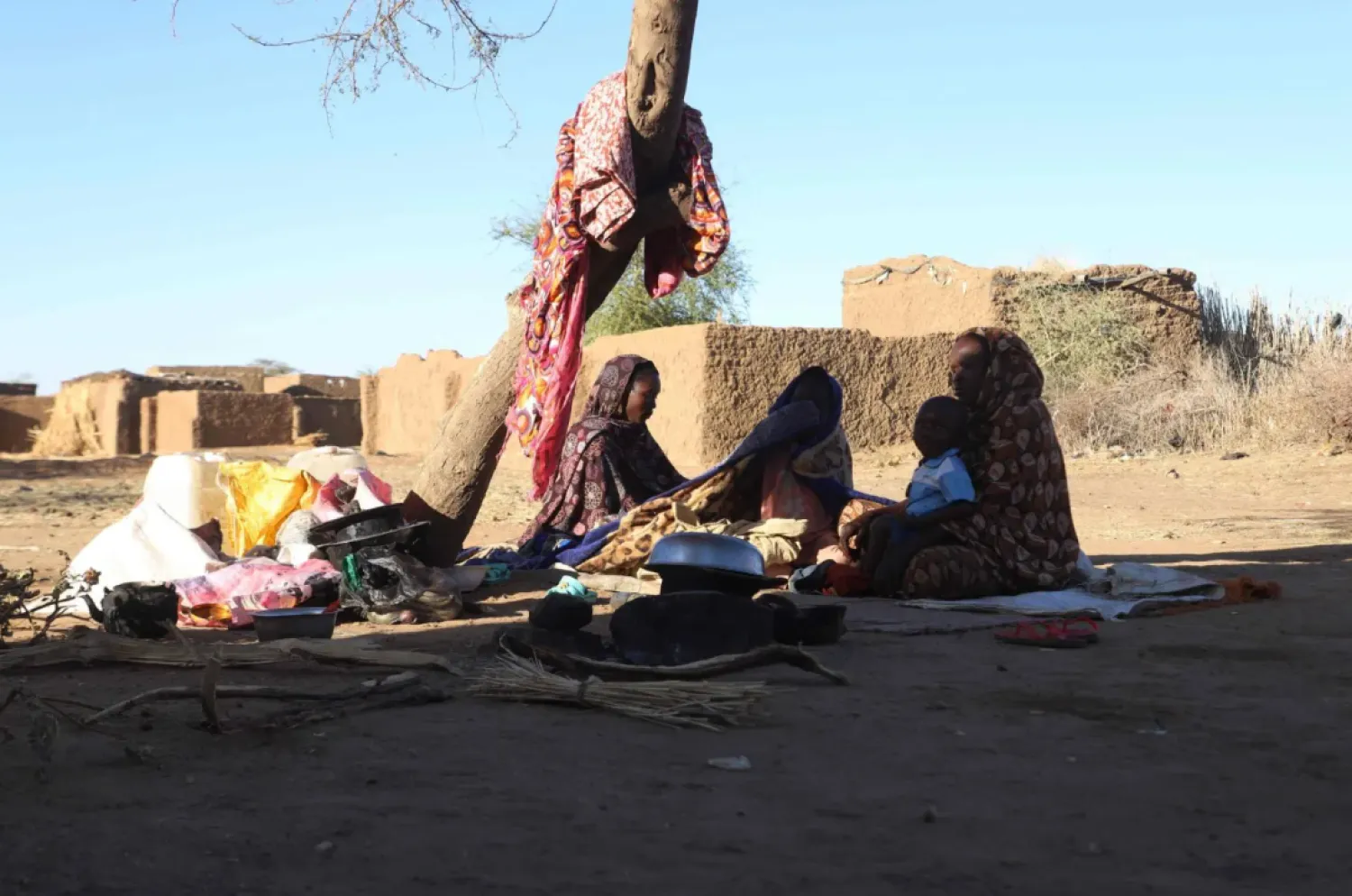
Sudanese displaced people who left El Fasher after its fall, sit in the shade in Tawila at the Rwanda camp reception point on December 17, 2025. (Photo by AFP)
TT

Atrocities in Sudan's El-Fasher Were 'Preventable Human Rights Catastrophe'

Sudanese displaced people who left El Fasher after its fall, sit in the shade in Tawila at the Rwanda camp reception point on December 17, 2025. (Photo by AFP)

The atrocities unleashed on El-Fasher in Sudan's Darfur region last October were a "preventable human rights catastrophe", the United Nations said Monday, warning they now risked being repeated in the neighbouring Kordofan region.


"My office sounded the alarm about the risk of mass atrocities in the besieged city of El-Fasher for more than a year ... but our warnings were ignored," UN rights chief Volker Turk told the Human Rights Council in Geneva.


He added that he was now "extremely concerned that these violations and abuses may be repeated in the Kordofan region".


Arab League Condemns Israel's Decisions to Alter Legal, Administrative Status of West Bank

A general view shows the opening session of the meeting of Arab foreign ministers at the Arab League Headquarters (Reuters)
TT

Arab League Condemns Israel's Decisions to Alter Legal, Administrative Status of West Bank

A general view shows the opening session of the meeting of Arab foreign ministers at the Arab League Headquarters (Reuters)

The General Secretariat of the Arab League strongly condemned decisions by Israeli occupation authorities to impose fundamental changes on the legal and administrative status of the occupied Palestinian territories, particularly in the West Bank, describing them as a dangerous escalation and a flagrant violation of international law, international legitimacy resolutions, and signed agreements, SPA reported.

In a statement, the Arab League said the measures include facilitating the confiscation of private Palestinian property and transferring planning and licensing authorities in the city of Hebron and the area surrounding the Ibrahimi Mosque to occupation authorities.

It warned of the serious repercussions of these actions on the rights of the Palestinian people and on Islamic and Christian holy sites.

The statement reaffirmed the Arab League’s firm support for the legitimate rights of the Palestinian people, foremost among them the establishment of their independent state on the June 4, 1967 borders, with East Jerusalem as its capital.