


Areas of Iraqi Province Lose Power After Attack on Pylons

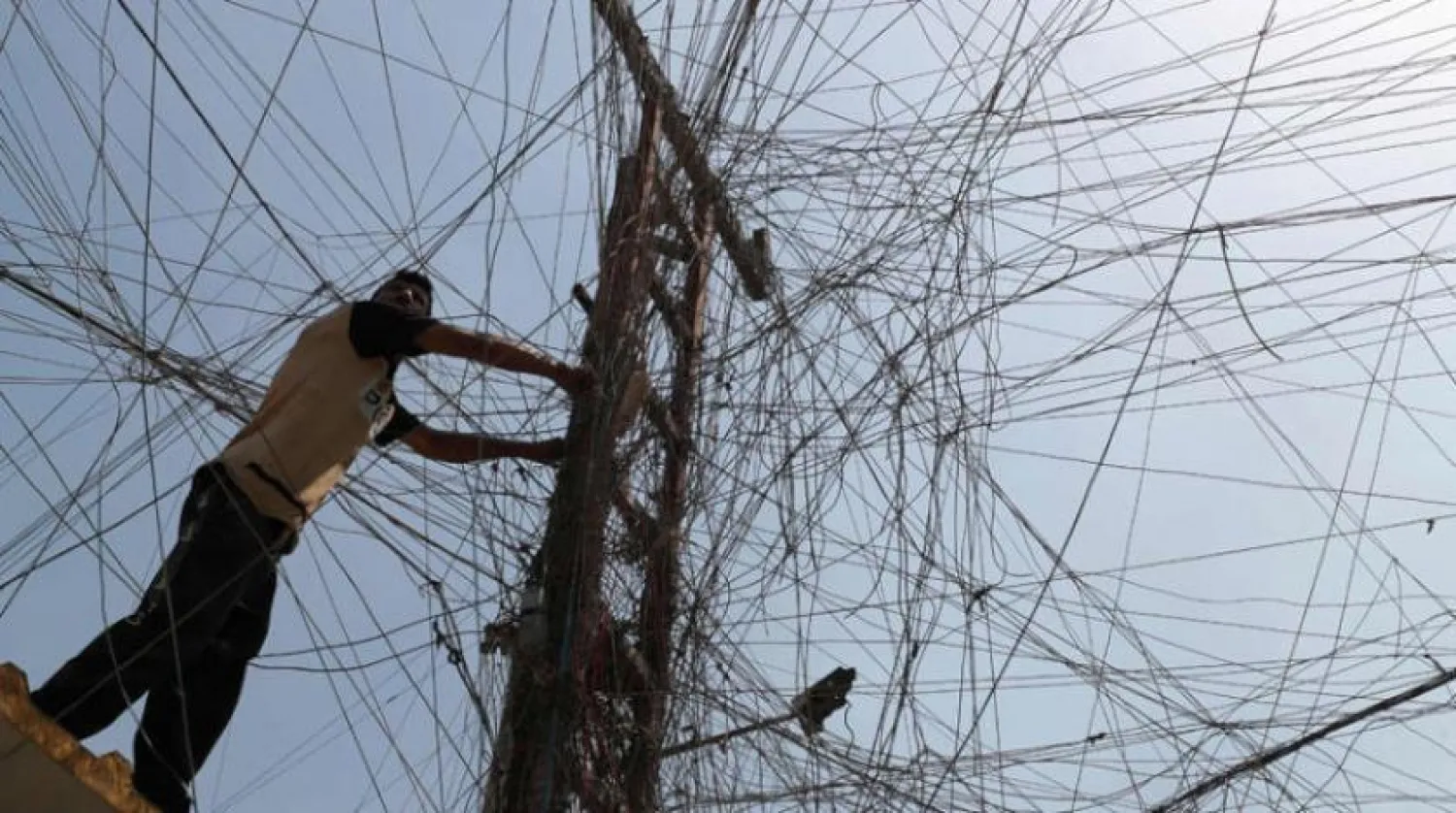
An Iraqi power grid worker amid electric cables in Sadr City, east of Baghdad (AFP)
TT

Areas of Iraqi Province Lose Power After Attack on Pylons

An Iraqi power grid worker amid electric cables in Sadr City, east of Baghdad (AFP)

Iraq's northern Salaheddin province was left partially without power after "terrorists" blew several pylons, the government said Thursday, as increasing attacks add to the strain on Iraq's electricity network.

"Terrorist elements" using "explosive devices" carried out attacks on 13 pylons over the past 48 hours, the electricity ministry said in a statement.

Provincial authorities distributed photos showing the damaged pylons.

Several districts in Salaheddin have since been without power, including some neighborhoods in Samarra, one of the province's largest cities, an AFP correspondent said.

Unclaimed attacks on Iraq's electricity network have been increasing since the start of summer.

Authorities normally accuse "terrorists" of being behind the attacks, without identifying a particular group.

Oil-rich Iraq produces just 16,000 megawatts of power -- far below the 24,000 megawatts needed, and even further from the expected future needs of a country whose population is set to double by 2050, according to the UN.

The country buys gas and electricity from neighboring Iran to supply about a third of its power sector, which has been worn down by years of conflict and poor maintenance, and is unable to meet the needs of the country's 40 million population.

Last month, areas in the country's south were plunged into darkness for several days after a series of similar attacks.

Around the same time, Iran briefly suspended its gas and electricity exports because of Iraq's failure to pay a $6 billion energy debt.

The US blacklisted Iran's energy industry in late 2018 as it ramped up sanctions, but has granted Baghdad a series of temporary waivers, hoping that Iraq would wean itself off Iranian energy.

The failure of Iraq's power system is particularly acute in the baking hot summer months, often a time of social protest exacerbated by electricity shortages, when temperatures shoot past 45 degrees Celsius (113 Fahrenheit).

Energy consultant Harry Istepanian said factors contributing to Iraq's energy crisis included not only the Iranian export suspension but also a "lack of enough generation capacity and fuel supply, lack of maintenance of the existing generation units, high demand... high technical and commercial losses, vandalism and sabotage".


Over 100 Children Killed in Gaza Since Ceasefire, UNICEF Says

Palestinians walk past tents used by displaced people, during a windy winter day, in Gaza City, January 13, 2026. (Reuters)
TT

Over 100 Children Killed in Gaza Since Ceasefire, UNICEF Says

Palestinians walk past tents used by displaced people, during a windy winter day, in Gaza City, January 13, 2026. (Reuters)

The UN children's agency said on Tuesday that over ​100 children have been killed in Gaza since the October ceasefire, including victims of drone and quadcopter attacks.

“More than 100 children have ‌been killed ‌in Gaza ‌since ⁠the ceasefire ​of ‌early October," UNICEF spokesperson James Elder told reporters at a UN briefing by video link from Gaza.

"Survival remains conditional, whilst ⁠the bombings and the shootings ‌have slowed, have ‍reduced during ‍the ceasefire, they have not ‍stopped."

He said that nearly all the deaths of the 60 boys and ​40 girls were from military attacks including air ⁠strikes, drone strikes, tank shelling, gunfire and quadcopters and a few were from war remnants that exploded.

The tally is likely an underestimate since it is only based on deaths for which sufficient ‌information was available, he said.


Syrian Army Tells Kurdish Forces to Withdraw from Area East of Aleppo City

Buses carrying displaced residents drive past a building in ruins as they return to the Achrafieh neighborhood after days of fighting between government forces and Kurdish fighters in the northern city of Aleppo, Syria, Monday, Jan. 12, 2026. (AP)
TT

Syrian Army Tells Kurdish Forces to Withdraw from Area East of Aleppo City

Buses carrying displaced residents drive past a building in ruins as they return to the Achrafieh neighborhood after days of fighting between government forces and Kurdish fighters in the northern city of Aleppo, Syria, Monday, Jan. 12, 2026. (AP)

Syria's army told Kurdish forces on Tuesday to withdraw from an area they control east of Aleppo after dislodging fighters from two neighborhoods in the city in deadly clashes last week.

State television published an army statement with a map declaring a large area a "closed military zone" and said "all armed groups in this area must withdraw to east of the Euphrates" River.

The area begins near Deir Hafer, around 50 kilometers (30 miles) east of Aleppo city and extends to the Euphrates further east, as well as towards the south.

On Monday, Syria accused the US-backed, Kurdish-led Syrian Democratic Forces of sending reinforcements to Deir Hafer and said it sent its own personnel there in response.

The SDF denied any build-up of its forces in the region.

An AFP correspondent saw government forces bringing military reinforcements including artillery to the Deir Hafer area on Tuesday.

On the weekend, Syria's government took full control of Aleppo city after taking over its Kurdish neighborhoods and evacuating fighters there to Kurdish-controlled areas in the country's northeast following days of clashes.

The violence started last Tuesday after negotiations stalled on integrating the Kurds' de facto autonomous administration and forces into the country's new government.

The SDF controls swathes of the country's oil-rich north and northeast, much of which they captured during Syria's civil war and the fight against the ISIS group.


Syrian Interior Ministry Details Results of Security Campaigns in Latakia, Damascus Countrysides

Security personnel inside the Imam Ali bin Abi Talib Mosque in the Wadi al-Dhahab neighborhood of Homs following a bombing . (AFP)
TT

Syrian Interior Ministry Details Results of Security Campaigns in Latakia, Damascus Countrysides

Security personnel inside the Imam Ali bin Abi Talib Mosque in the Wadi al-Dhahab neighborhood of Homs following a bombing . (AFP)

Syria’s Interior Ministry has announced the results of a series of security operations carried out in recent days in Homs, Latakia, and the Damascus countryside, including the arrest of two alleged ISIS members accused of involvement in the bombing of the Imam Ali bin Abi Talib Mosque in Homs last month.

The ministry said the operations led to the arrest of three senior figures in a cell known as “Lieutenant Abbas,” affiliated with the “Coastal Shield Brigade” led by Miqdad Fteiha, a prominent figure loyal to the former regime.

Security forces also detained an armed group in the al-Wuroud neighborhood of Damascus that was allegedly planning “acts of sabotage.”

The operations form part of broader efforts to dismantle armed groups and restore the state’s exclusive authority over weapons.

Interior Minister Anas Khattab vowed to continue pursuing ISIS operatives and bringing them to justice.

In a post on X, he said security and intelligence services had conducted a “highly precise operation” resulting in the arrest of those involved in the December 26 attack on the Imam Ali bin Abi Talib Mosque in the Wadi al-Dhahab district of Homs, which killed eight people and wounded 18 others.

According to the Interior Ministry, security units in Homs, in coordination with the General Intelligence Service, arrested two persons identified as ISIS members. Authorities said explosive devices, various weapons, ammunition, documents, and digital evidence allegedly linking the suspects to terrorist activities were seized.

The two were referred to the Counterterrorism Directorate to complete investigations ahead of prosecution.

In a separate statement earlier Monday, the Interior Ministry said a “valuable catch” was detained by security and intelligence forces in Latakia. It said he was a key figures in the “Lieutenant Abbas” cell. Initial investigations indicated the cell had targeted internal security and army positions in the province.

Meanwhile, in the Damascus countryside, the ministry said security forces carried out a “preemptive operation” in the al-Wuroud neighborhood of Qudsaya city, arresting three individuals accused of planning armed attacks.

The ministry said security services would continue pursuing remaining members of the groups, pledging to “eradicate them completely” to ensure security and stability.