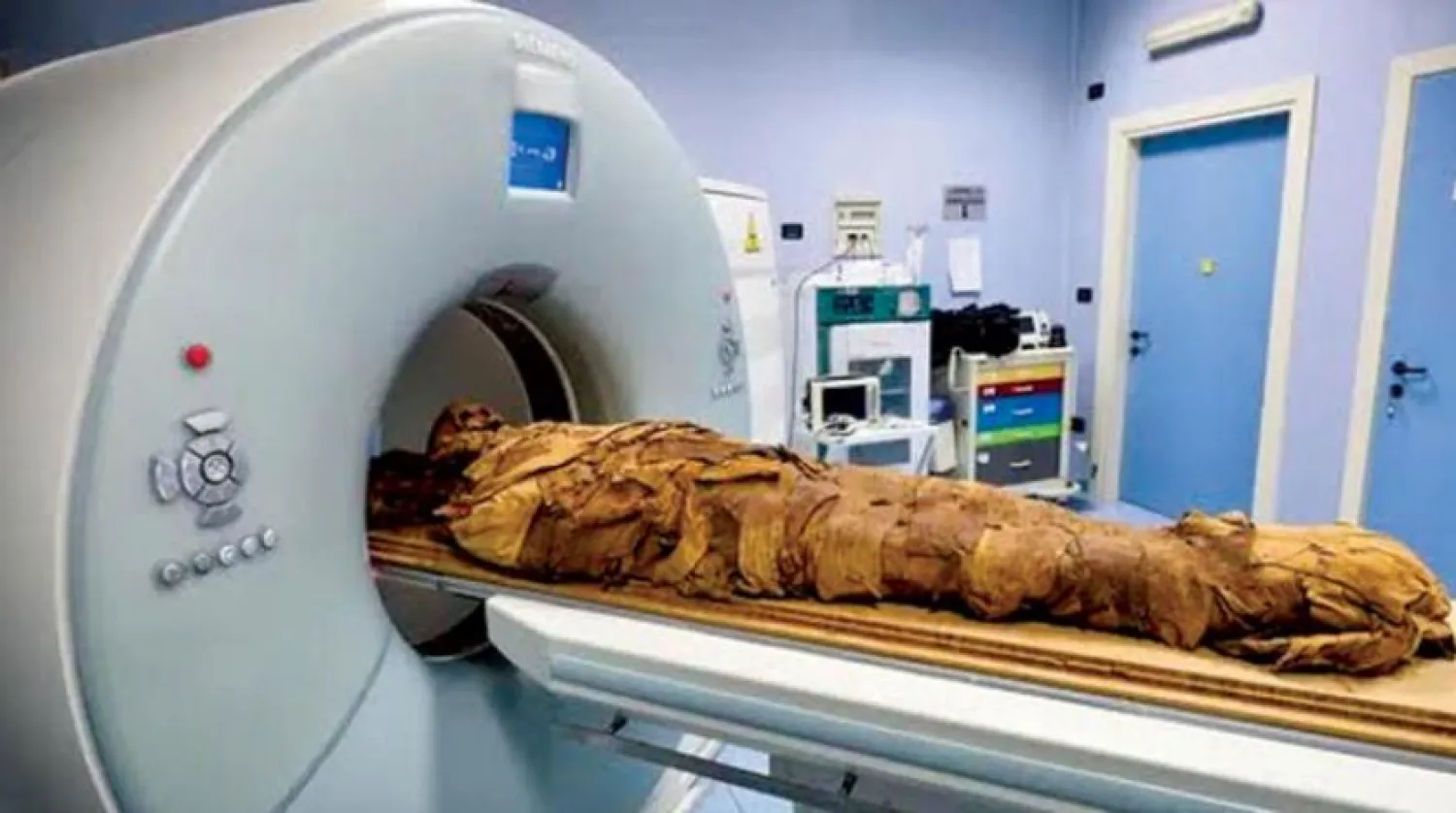

Egyptian mummies may document the viruses and microbes that used to infect the Egyptians, and coronavirus might be one of them.
The coronavirus, which is behind the current COVID-19 pandemic, is one of many viruses that researchers say likely has a history that extends back to the Ancient Egyptians.
This was stated in a recent study published in The Lancet Microbe on August 6.
The study was carried out by Jaffer Shah from the Medical Research Center, Kateb University in Afghanistan, Asmaa A Metwally from the Department of Surgery, Anesthesiology, and Radiology, Faculty of Veterinary Medicine, Aswan University, Aswan in Egypt, and Hani Aiash from the Department of Cardiovascular Perfusion, SUNY Upstate Medical University, Syracuse, NY in the US.
It claims that the “Analysis of historical specimens will deepen our understanding of virus evolution.”
“Considering the nature of coronaviruses to mutate and their presence in a wide range of hosts (common characteristics of many pathogens isolated from Egyptian mummies, such as hepatitis B virus and poliovirus), and the various reports mentioning that many respiratory diseases had affected ancient Egyptians, it is probable that coronaviruses were present in ancient times."
“Additionally, there have been recent efforts to do genome sequencing analysis of influenza virus potentially preserved in the bodies of ancient Egyptian mummies.”
“Furthermore, other types of ancient mummies have enabled the reconstruction of an ancient Helicobacter pylori genome.,” according to the study.
This makes the Egyptian mummified individuals “a viable source for the recovery of ancient bacterial and viral DNA and for providing insights into pathogen evolution and disease history in unique historical contexts.”
Studies of Egyptian mummies have shown that the presence of various infectious and non-infectious agents and their associated diseases in the modern era originated from ancient times, like Schistosoma haematobium, Mycobacterium leprae strain, human hepatitis B virus, Plasmodium falciparum, Toxoplasma gondii, Corynebacterium spp, Bubonic plague, Smallpox, tuberculosis, atherosclerosis, poliovirus, and Leishmania donovani.