Int'l Support Group Calls for Formation of Govt that Meets Lebanese People's Needs https://english.aawsat.com/home/article/3144026/intl-support-group-calls-formation-govt-meets-lebanese-peoples-needs
Int'l Support Group Calls for Formation of Govt that Meets Lebanese People's Needs
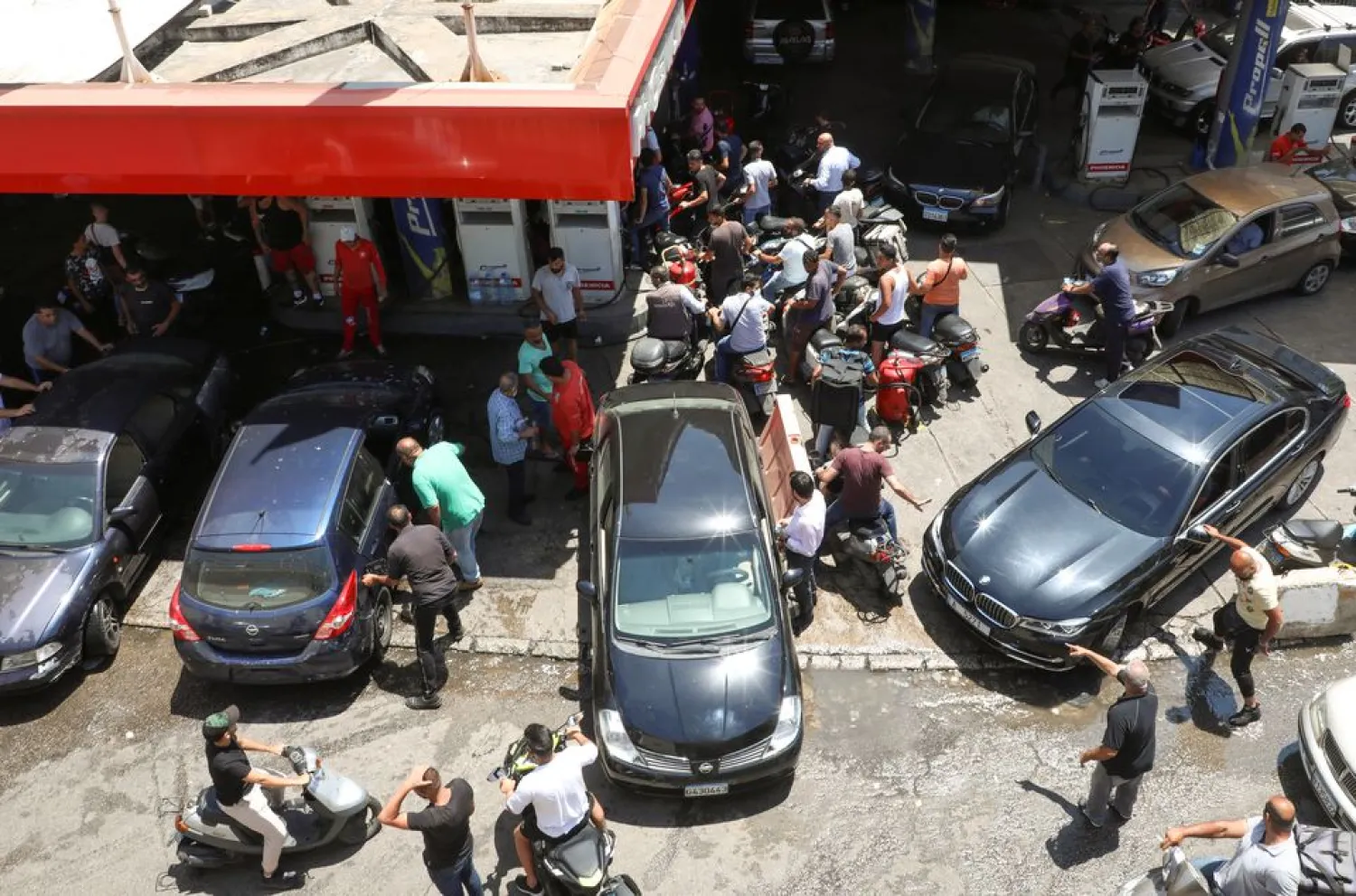
Motorbike and car drivers wait to get fuel at a gas station in Beirut, Lebanon June 29, 2021. (Reuters)
The International Support Group for Lebanon called on Lebanese parties to form a government capable of meeting the urgent needs of the people and kicking off urgent reforms in order to pave the way for international backing.
The International Support Group for Lebanon includes the United Nations and the governments of China, France, Germany, Italy, Russia, the United Kingdom and United States, in addition to the European Union and Arab League.
The Group expressed its deep regret over the fall of a number of victims and injured as a result of the explosion of a fuel tanker in northern Lebanon on Sunday, saying: “This tragic accident occurred in the context of the acute fuel shortage crisis, which affects Lebanon and has serious repercussions on the provision of basic services, including electricity, public health and water supply, as well as economic and living activities.”
The Group stressed that the accelerating deterioration of the crisis highlighted the urgent need to form a government capable of addressing the situation, meeting the urgent needs of the Lebanese people, initiating the necessary reforms and paving the way for international support.
The Group called on all parties to work to achieve this goal without further delay, affirming the countries' commitment to stand by Lebanon and its people.
Lebanon PM Says Scale of War Recovery beyond State's Capacityhttps://english.aawsat.com/arab-world/5325093-lebanon-pm-says-scale-war-recovery-beyond-states-capacity
Lebanon PM Says Scale of War Recovery beyond State's Capacity
Lebanese Prime Minister Nawaf Salam during a visit to the Lebanese army in southern Lebanon, Aug. 21, 2026. (National News Agency)
Lebanese Prime Minister Nawaf Salam said Friday that rebuilding regions destroyed in the latest Israel-Hezbollah war was beyond the state's capacity, calling for funding as he visited the heavily damaged south.
"I am aware of the magnitude of the crisis" including the destruction, displacement and loss of livelihoods, Salam said in Nabatieh, a major southern city hit hard by Israeli airstrikes.
"But the scale of the needs exceeds the capacities of the Lebanese state and its ability to bear these burdens alone," Salam added. "We still need significant funding" for reconstruction, the prime minister said.
Lebanese militant group Hezbollah drew the country into the broader Middle East war in March by attacking Israel, which responded with massive airstrikes and a ground invasion.
The fighting followed another conflict that erupted in 2023 that led to an all-out war the next year. Lebanon has put the overall death toll from these conflicts at more than 8,900.
Hundreds of thousands of people remain displaced, mainly from the south, while Israel maintains troops in a self-declared "security zone" running around 10 kilometers (six miles) inside Lebanon along the border.
Last month, Salam said the estimated total cost of the two wars could exceed $27 billion.
"I am here today to affirm the return to work of state institutions," he said during Friday's visit.
Violence has decreased since a ceasefire following a US-Iran memorandum of understanding in June, while Lebanon and Israel concluded a US-sponsored framework agreement later that month.
But Nabatieh and surrounding areas in particular have seen continued Israeli attacks.
The Israel-Lebanon deal involves the disarmament of Hezbollah, a gradual withdrawal of Israeli forces from Lebanon's south and the deployment of the Lebanese army to the region, starting in test areas known as "pilot zones".
Salam said it was important to rally "all the capabilities and support we can to achieve a full Israeli withdrawal" and build a state that is the sole decision maker on war and peace.
"This is the path to avoid finding ourselves once again facing a new war or new pretexts to attack Lebanon, or a new expansion of the (Israeli) occupation," he added.
Hezbollah has rejected disarming.
Taiz Repels Simultaneous Houthi Attacks in Fiercest Fighting in Yearshttps://english.aawsat.com/arab-world/5325089-taiz-repels-simultaneous-houthi-attacks-fiercest-fighting-years
Taiz Repels Simultaneous Houthi Attacks in Fiercest Fighting in Years
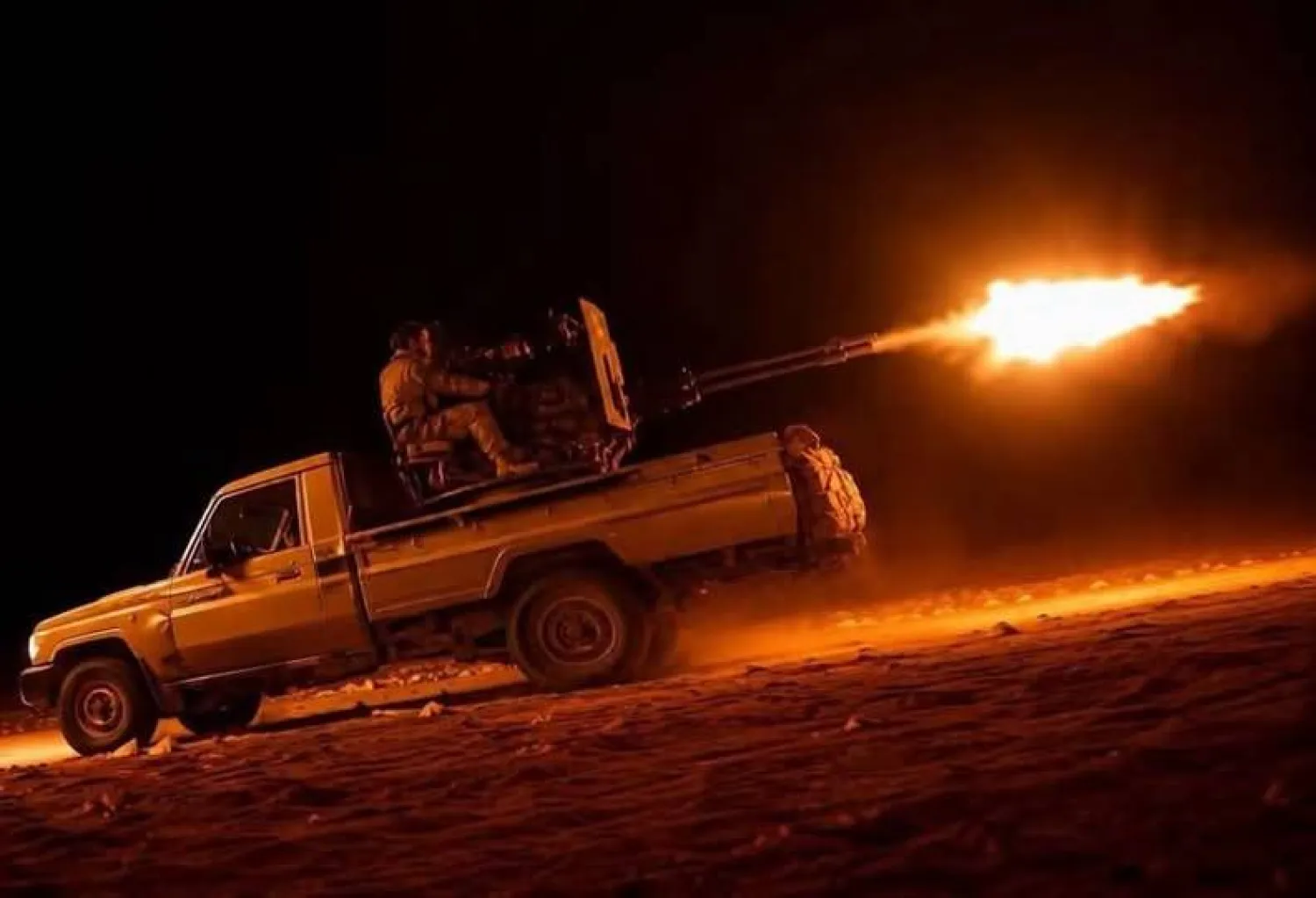
Yemeni government forces engage in fierce clashes to prevent Houthis from infiltrating Taiz (Military Media)
Yemen’s Taiz province has witnessed its fiercest fighting in years as the Iran-backed Houthis launched simultaneous attacks on several fronts, opening a new battlefront in Samea district, while government forces intensified ground and airstrikes against Houthi positions and reinforcements across several provinces.
Government forces announced 468 strikes targeting Houthi fighters and equipment on the eastern fronts, in Al-Bayda and in Al-Mansoura in western Taiz’s Al-Wazi’iyah district, claiming hundreds of casualties and the destruction of military hardware.
The Taiz Military Axis media center reported fierce battles in Bani Bakari in Jabal Habashi district, Humeir in Maqbanah and Al-Aqroud southeast of Taiz, claiming Houthi losses in personnel and equipment.
Field sources said that government troops repelled a major assault in Al-Arbaeen, north of Taiz city, and thwarted infiltration attempts in Al-Kuraifat, Aqabat Munif and Al-Tashrifat to the east.
Clashes extended to Al-Shaqab in Sabir Al-Mawadim district, while heavy artillery exchanges continued along the city’s eastern front.
According to local reports, Houthi fighters retreated in Samea following ground strikes that killed or wounded dozens, with government forces seizing military equipment.
Residents also came under fire. Local sources noted that the Houthis fired 23 mortar shells at villages in Al-Dhabab, west of Taiz, spreading fear among civilians.
The Taiz Military Axis media center reported drone strikes on Houthi positions in Al-Kadhah, destroying a 120 mm artillery piece and setting an ammunition depot ablaze. Government forces also shelled positions in Jabal Ghurab, Tabbat Yasin, Al-Ashrouh, Asifarah and Al-Silw.
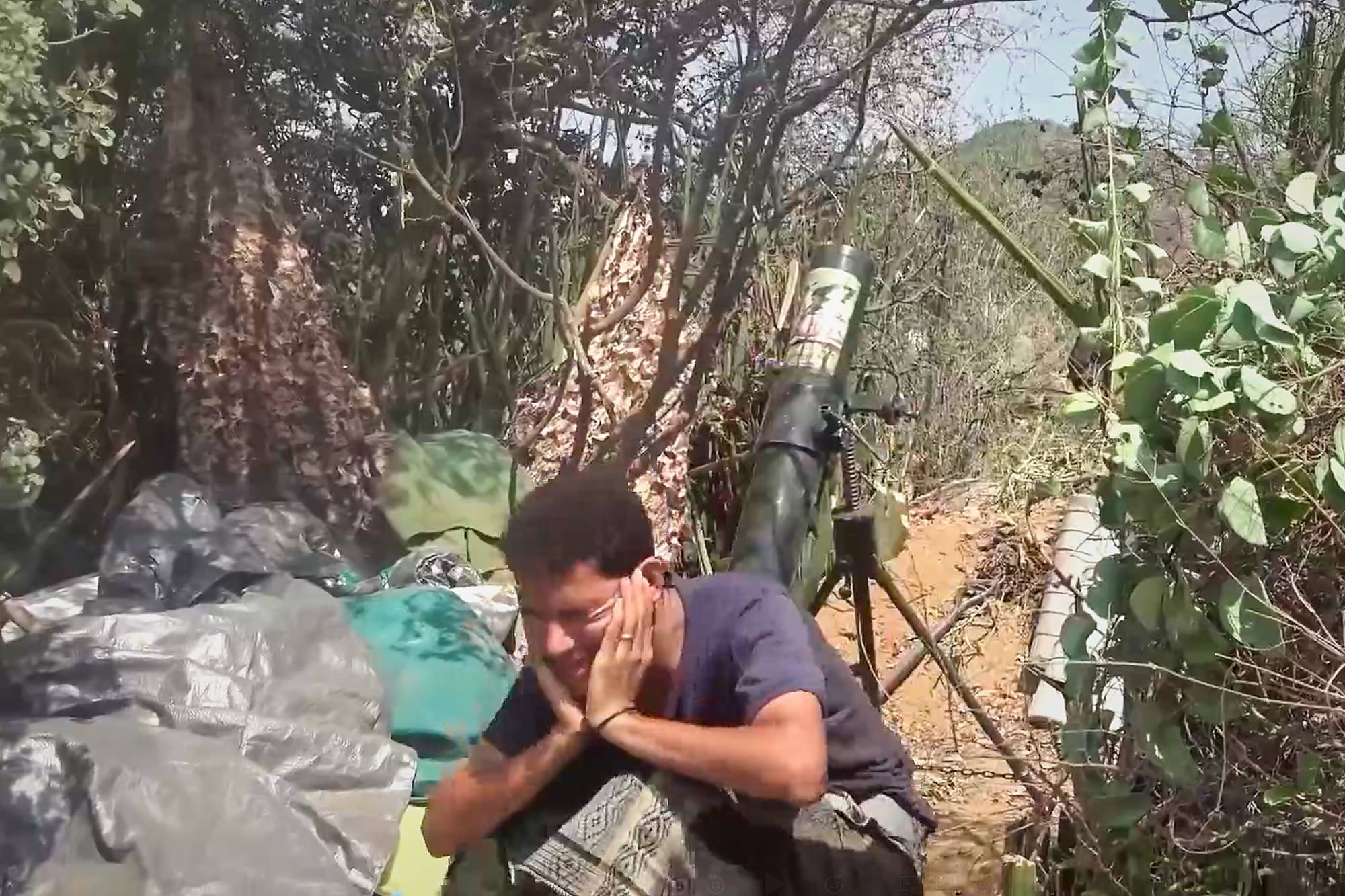
A Houthi fighter firing a mortar during clashes at an undisclosed location in Yemen. (AP)
Intensified Airstrikes
Sources further pointed to airstrikes against Houthi positions and vehicles in Al-Akboush, Al-Ahkoum and Hayfan southeast of Taiz, alongside attacks in Al-Wazi’iyah.
According to Yemeni Armed Forces spokesman Col. Majed Al-Nuzaili, precision strikes were launched against Houthi reinforcements, weapons and equipment, including three artillery batteries in Al-Wazi’iyah and a mobile air defense system he said Iranian experts had developed in Mocha.
He also reported strikes targeting Houthi commanders and fighters in Al-Mansoura and Bab Al-Mandab.
Al-Nuzaili had earlier announced 468 strikes across three fronts, including Al-Wazi’iyah, claiming hundreds of Houthi casualties and the destruction of military equipment.
The broader escalation extended to Saada, Amran, Marib, Hodeidah and Taiz, with reports of strikes against weapons depots, artillery batteries, communications networks, reinforcements and fixed and mobile positions.
Fighting Spreads Beyond Taiz
Clashes erupted in Al-Aghbarah, near Lahj’s Al-Mudarabah and Al-Arah district, along the province’s western border with Taiz. Military and tribal forces also announced the recapture of parts of Al-Mansoura.
In Shabwa, the Shabwa Defense Forces said that Houthi attacks and infiltration attempts were thwarted on four fronts - Harib, Ain, Bayhan and Upper Markha - claiming casualties and forcing the attackers to retreat. Drones simultaneously struck Houthi positions and movements.
The operations reflect an expanding confrontation as government forces seek to consolidate defensive lines and prevent further Houthi breakthroughs along the western coast and approaches to Taiz and Lahj.
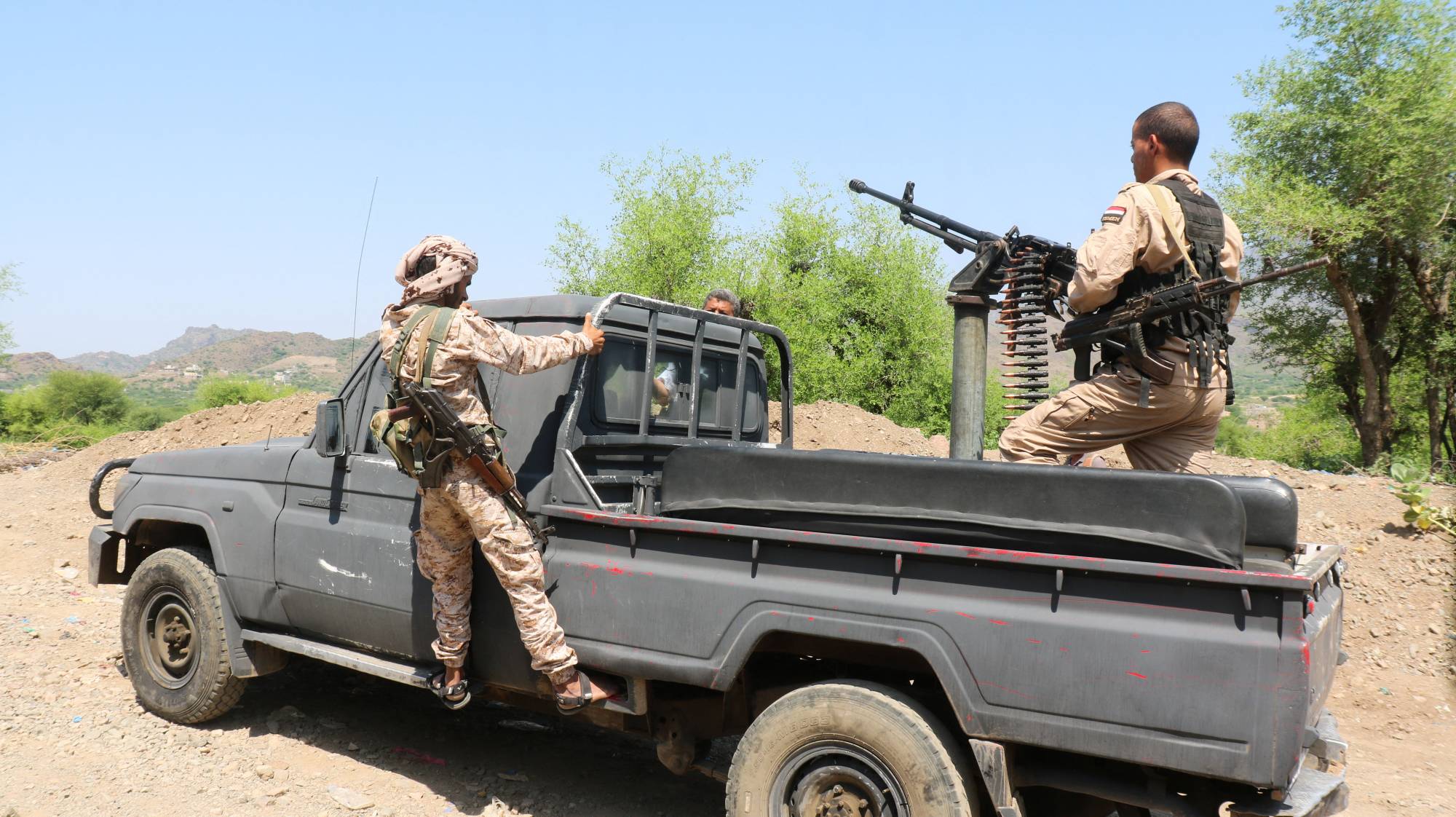
Yemeni government forces ride on a military pick-up vehicle as they patrol a road leading to a frontline of clashes with Houthi fighters, in Taiz province, Yemen, September 30, 2026. REUTERS/Ebrahim Al-Suhaibi
Government Mobilization
Meanwhile, Yemen’s government began implementing Presidential Leadership Council Chairman Rashad Al-Alimi’s directives for general mobilization.
In Aden, Defense Minister Lt. Gen. Taher Al-Aqili chaired a military meeting on readiness and coordination, stressing the need for cooperation between the armed forces, state institutions and society in confronting the Houthis.
Deputy Chief of Staff Maj. Gen. Ahmed Al-Basr also met committees established by the defense minister to discuss implementation, allocate responsibilities, mobilize personnel and resources, and strengthen coordination.
Iran Asks Iraq to Return Flights Between the Two Countries to Normal Conditionshttps://english.aawsat.com/arab-world/5325019-iran-asks-iraq-return-flights-between-two-countries-normal-conditions
Iran Asks Iraq to Return Flights Between the Two Countries to Normal Conditions
Two Iranian airlines planes at Imam Khomeini International Airport south of Tehran (Archive - Mizan)
Iran asked Iraq to take steps to lift flight restrictions caused by US sanctions and return flights to normal conditions, the country's foreign ministry said in a statement on Thursday.
Flights between the two countries were suspended amid US sanctions restricting services to Iranian airlines, Reuters said.
لم تشترك بعد
انشئ حساباً خاصاً بك لتحصل على أخبار مخصصة لك ولتتمتع بخاصية حفظ المقالات وتتلقى نشراتنا البريدية المتنوعة