

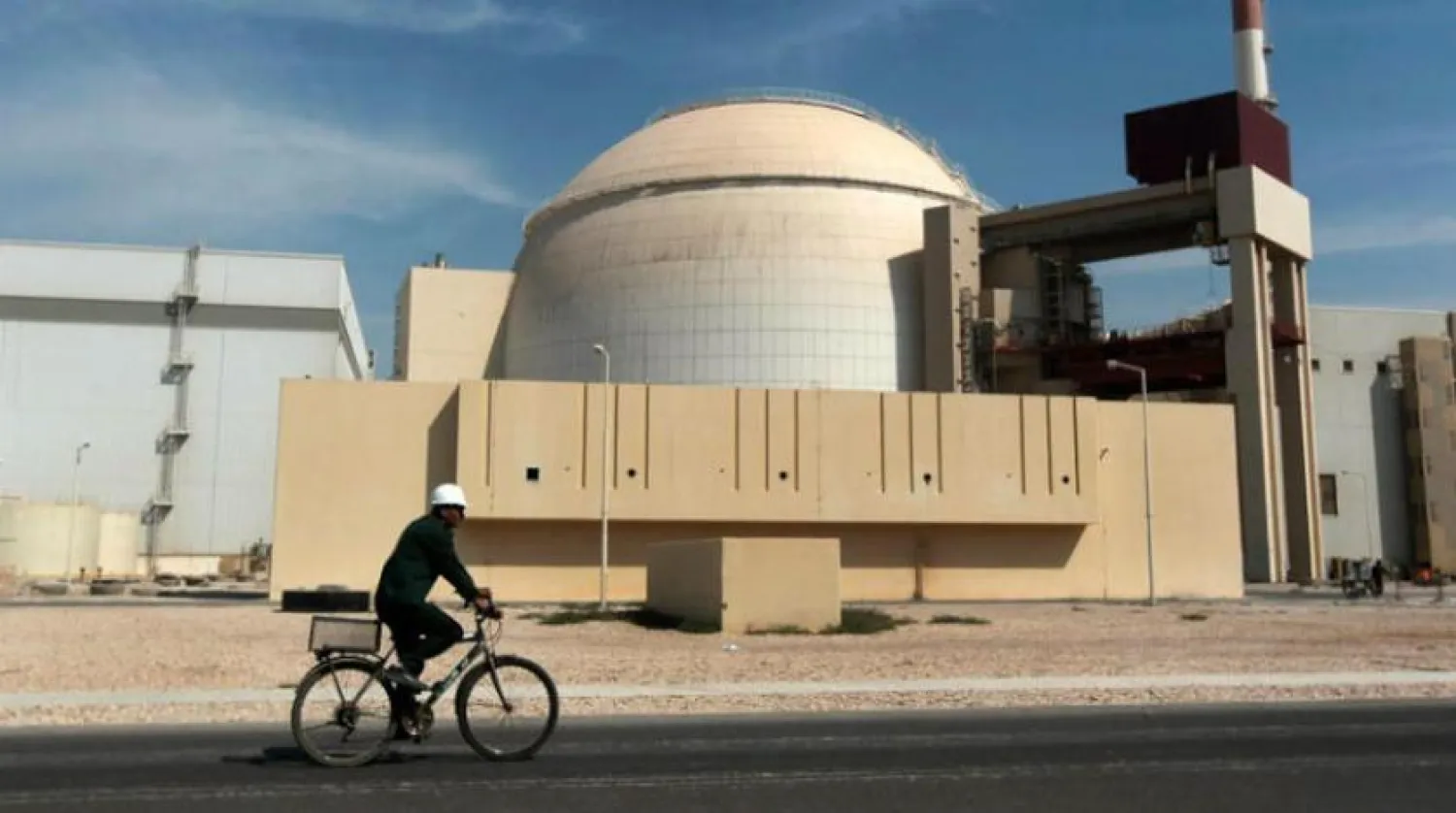

Backed by Russia and China, Iran Strengthens Position in Nuclear Negotiations

The Bushehr nuclear power plant in southern Iran. (AP)
TT

Backed by Russia and China, Iran Strengthens Position in Nuclear Negotiations

The Bushehr nuclear power plant in southern Iran. (AP)

United States and European efforts to coax Iran back into nuclear negotiations as soon as this month are being blunted by support Tehran’s already emboldened leaders are receiving from China and Russia, according to Bloomberg.

The result is that three years after former President Donald Trump imposed his “maximum pressure” policy, Iran has enriched uranium close to weapons-grade while its economy is showing some signs of stabilizing with the help of Beijing and Moscow, even as crucial oil exports remain heavily sanctioned.

Diplomats and analysts suggest the developments are creating space for Iran’s new government to expand the list of concessions it wants from Washington to return to compliance with the 2015 agreement struck with world powers.

Doing so could push the talks into next year, topple the process entirely, or lead to fresh turmoil in the Middle East.

Iran’s negotiators see US sanctions yielding “diminishing returns,” and they’re likely to demand relief that goes beyond the nuclear penalties imposed by Trump, said Ali Vaez at the International Crisis Group, the Brussels-based research institute formerly led by top US Iran envoy Rob Malley.

In order to complicate any return to the deal, which had curbed Iran’s nuclear program in return for sanctions relief, the Trump administration loaded on a raft of sanctions billed as responding to human rights abuses and the funding of designated terrorist groups.

While no formal date has been set for a seventh-round of negotiations aimed at reviving the deal, talks are expected on the sidelines of the International Atomic Energy Agency’s general conference convening the week of Sept 21 in Vienna, according to two officials who asked not to be identified in line with diplomatic rules.

Washington says that while it’s “ready to compromise” on some issues, its negotiators won’t wait forever, and Iran’s nuclear program needs to be rolled back within limits.

IAEA director-general Rafael Mariano Grossi, meanwhile, is seeking a meeting with Iran’s new nuclear chief, Mohammad Eslami, prior to the Vienna conference. He wants to gauge Teheran’s willingness to restore expanded access for the agency’s monitors - terminated to protest US sanctions - and cooperate with international investigators, the two officials said.

Both Chinese President Xi Jinping and Russian leader Vladimir Putin spoke with Iran’s newly elected hardline President Ebrahim Raisi last month about the nuclear accord.

China and Russia are both signatories to the deal and have stated their desire for both sides to return to its terms.

But Xi has said his country supports Iran’s legitimate concerns over the agreement and pledged the continued financial support of the world’s second-biggest economy.
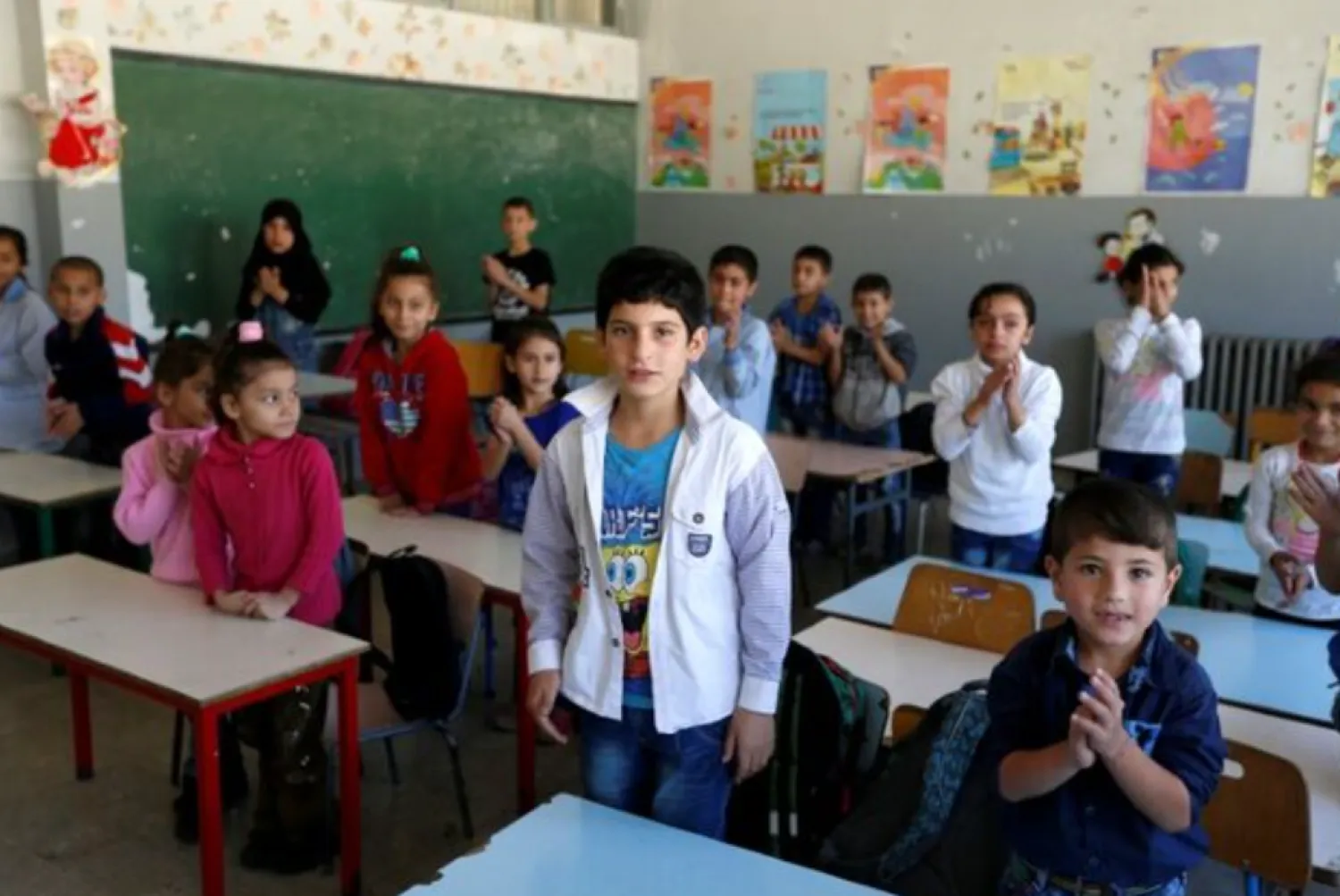



UN Says 5.8 mn Refugee Children Out of School

Syrian refugee children attend a class at a school in Mount Lebanon, October 7, 2016. REUTERS/Mohamed Azaki
TT

UN Says 5.8 mn Refugee Children Out of School

Syrian refugee children attend a class at a school in Mount Lebanon, October 7, 2016. REUTERS/Mohamed Azaki

Some 5.8 million refugee children were out of school in 2025, the United Nations said Friday, warning that funding cuts threatened to make the situation worse.

UNHCR, the UN refugee agency, said 44 percent of the world's 13.1 million school-age refugee children were out of school last year.

"Education is protection. But it is also a pathway to opportunity and self-reliance," said Barham Salih, the UN high commissioner for refugees, AFP reported.

"At a time of severe pressure on humanitarian and development financing, cuts to education risk reversing decades of collective investment and closing opportunities for a generation of young people."

The former Iraqi president, who was a refugee, said that looking back on his own life, "education gave me opportunities that displacement might otherwise have denied me".

"Displacement should not determine the limits of a child's life."

UNHCR said that while 65 percent of refugee children of primary school age were enrolled in education in 2025, only 32 percent were enrolled in secondary.

Refugee tertiary education enrolment reached a record 11 percent in 2025.

Earlier this week, UNHCR said its available funding had fallen from $5.2 billion in 2024 to $3.9 billion in 2025, while the number of people it is mandated to protect is hovering around historically high levels.

UNHCR said it needed $8.5 billion this year to protect refugees, but by the end of July had received only 32 percent of that amount ($2.7 billion).

UNHCR said nearly 8.3 million refugees and other forcibly displaced people faced losing vital assistance from the agency as protection services crumble due to the "severe" funding cuts.


Iran: Strait of Hormuz Will Not Reopen Until Conditions Are Met

Iran: Strait of Hormuz Will Not Reopen Until Conditions Are Met
TT

Iran: Strait of Hormuz Will Not Reopen Until Conditions Are Met

Iran: Strait of Hormuz Will Not Reopen Until Conditions Are Met

The Strait of Hormuz will not reopen until seven Iranian conditions set out in a June interim agreement with the US are met, Nournews reported Iran's parliament speaker Mohammad Baqer Qalibaf as saying on Sunday, a few days after Tehran received Washington's reply to its diplomatic proposal.

“The Americans, who say something different in the media, have recently put forward proposals through a mediator. ⁠But they must understand that ⁠the period of dragging out the process and dictating one-sided demands is over," Qalibaf was quoted as saying.

"The position of the Islamic Republic of Iran is completely clear and firm, and the Strait of Hormuz ⁠will not be opened until our seven conditions, based on the Islamabad Memorandum of Understanding, are met."

Meanwhile, army spokesperson Mohammad Akraminia told Fars news on Sunday that Iran will upgrade the range of its missiles following the war with the US as American forces are now ⁠positioned as much ⁠as 1,000 km (621 miles) away from the Iranian ⁠coast.

"During this war, we concluded that we absolutely must increase the ⁠range of ⁠our missiles, and we have now moved in that direction," he said.


Iran Tells US There is No Military Solution to Mideast War

(FILES) Vehicles drive past a giant billboard reading 'The Strait of Hormuz remains closed' at the Revolution Square in Tehran on April 28, 2026. (Photo by ATTA KENARE / AFP)
TT

Iran Tells US There is No Military Solution to Mideast War

(FILES) Vehicles drive past a giant billboard reading 'The Strait of Hormuz remains closed' at the Revolution Square in Tehran on April 28, 2026. (Photo by ATTA KENARE / AFP)

Iran's top diplomat insisted on Sunday that there would be no military solution to the United States' war against Iran, with talks on ending the conflict apparently at an impasse.

A campaign of heavy bombardment failed to bring a decisive close to the war launched by the US and Israel in late February, and Washington in recent weeks has dialed back military operations in favor of economic pressure.

The main point of contention remains Iran's attempt to blockade the Strait of Hormuz where a UK maritime agency reported on Sunday another tanker struck by an unknown projectile.

"If our enemies again choose the path of military confrontation, our response will be stronger than before, and we will defend ourselves with even more force," Iranian Foreign Minister Abbas Araghchi said at a gathering of foreign ambassadors.

"There is no military solution, nor any solution based on new sanctions," he continued, adding "only negotiations based on justice and fairness" could end the conflict.

The two sides agreed a memorandum of understanding in June that spelled out a framework for a permanent resolution, but Iranian attacks on vessels in the Hormuz prompted a return to US military operations.

On Sunday, the British maritime security agency UKMTO said a tanker in the Hormuz "reported being struck by an unknown projectile, causing damage to the engine room", though the crew were reported safe and no environmental impact was recorded.

The agency did not specify the date of the incident, the vessel's origin or destination, or whether it was an oil tanker or LNG carrier.

Iranian and US officials last week held indirect talks on the sidelines of the UN General Assembly, with Tehran saying it presented seven conditions for reopening the strait.

Iran has demanded, among other things, a ceasefire across the Middle East, the unfreezing of its assets abroad, the lifting of sanctions on its oil sector and an end to the US naval blockade.

Trump, however, rejected the proposal, while leaving the door open both to further talks or renewed military operations.

Iranian foreign ministry spokesman Esmaeil Baqaei on Sunday characterized the latest US counterproposal as being "in line with their previous proposals concerning nuclear issues".

"We have clearly indicated that we are focusing on the issue of the Strait of Hormuz," he said, adding that reopening the waterway required "an end to the disruptions to Iranian commercial maritime traffic and the lifting of sanctions".