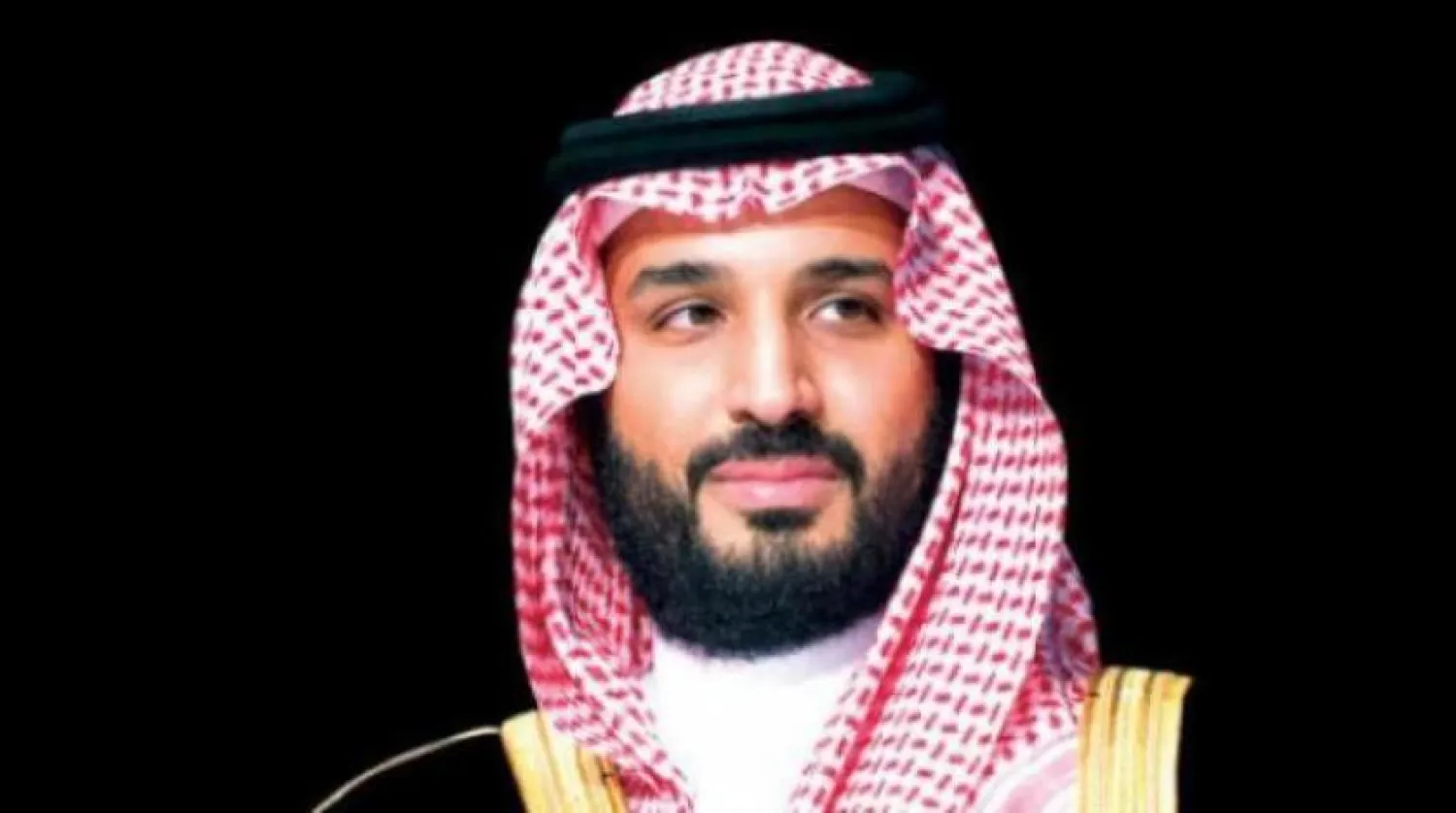

Saudi Arabia's Crown Prince, Deputy Prime Minister and Chairman of the Council for Economic and Development Affairs, Prince Mohammed bin Salman bin Abdulaziz, announced Monday the launch of the National Investment Strategy (NIS), a key enabler to deliver on Vision 2030.
The NIS is a catalyst to deliver the Kingdom’s economic transformation plan Vision 2030, which was first outlined by the Crown Prince during its launch five years ago: “Our country holds strong investment capabilities, which we will harness to stimulate our economy and diversify our revenues”. The Crown Prince added that the Kingdom also seeks to harness its strengths: the strategic geographical position, investment power and place at the center of Arab and Islamic worlds.
The NIS will contribute to the growth and diversification of the Kingdom’s economy, which, in turn, will achieve many of Vision 2030’s goals, including raising the private sector’s contribution to GDP to 65%; increasing the contribution of FDI to GDP to 5.7%; increasing the contribution of non-oil exports to GDP from 16% to 50%; reducing the unemployment rate to 7%; and positioning the Kingdom among the top ten economies in the Global Competitiveness Index; by 2030.
Speaking at the National Investment Strategy’s launch, the Crown Prince said: "Today, the Kingdom embarks on a new investment era to empower Saudi and international private-sector investors with more and better opportunities. Investment is without a doubt one of the main routes for us to achieve the ambitions and aspirations of Vision 2030, among them economic development, diversification and sustainability; technology transfer and localization; infrastructure development; better quality of life; job opportunities and the upskilling of our human resources, leaving a legacy of prosperity for future generations.”
"The National Investment Strategy is all about empowering investors, offering investment opportunities, providing financing solutions and enhancing competitiveness. It also clarifies the partnership between the public and private sectors, as our mission is now to open the door to the private sector and allow it to grow and prosper,” he added.
The Crown Prince further said the NIS will draw up comprehensive investment plans for sectors, including manufacturing, renewable energy, transport and logistics, tourism, digital infrastructure, and health care.
He reiterated that that KSA’s ambitious investment goals will be achieved through the combined efforts of several entities such as the Public Investment Fund, and large Saudi companies through the Shareek Program, as well as further domestic and international investments.
“Today, we are proud of the remarkable achievements made in the ‘Kingdom of Opportunities’ during the first phase of Vision 2030, under the leadership of the Custodian of the Two Holy Mosques, King Salman bin Abdulaziz Al Saud. We will continue our work to pave the way towards a bright future, enriched by a diversified and sustainable economy. This strategy is one means to achieve this goal, and we are confident in our abilities to reach our ambitious targets and meet the aspirations of our great people,” the Crown Prince noted.
He concluded his announcement by emphasizing the importance of investment in driving the economic growth and sustainable development targeted under Vision 2030. He also highlighted that more than SAR 12 trillion will be injected into the national economy through investment activity by 2030: the Shareek program initiatives will inject SAR 5 trillion, the Public Investment Fund is set to contribute SAR 3 trillion, and the remaining SAR 4 trillion will be generated by investments facilitated by the NIS.
Further, the economy will receive SAR 10 trillion through government spending during the next 10 years and a further SAR 5 trillion from private consumption spending in the same period. This represents a total injection of SAR 27 trillion ($7 trillion) in the next decade.
By achieving these goals, the investment contribution to GDP is expected to increase from 22% in 2019 to 30% by 2030, making KSA’s economy one of the 15 largest in the world, and NIS is expected to raise annual FDI flows to SAR 388 billion and increase annual domestic investment to SAR 1.7 trillion by 2030.
The NIS will also drive investment in the Kingdom by enhancing the business environment, increasing investment attractiveness and competitiveness, instigating key regulatory and legislative measures, connecting investors with investment opportunities, offering incentive packages for selected projects and attracting regional headquarters to the Kingdom, not to mention helping local companies position their products and services successfully in regional and global markets.
The NIS complements the investment strategies of various Vision Realization Programs such as the Public Investment Fund Program, the National Industrial Development and Logistics Program, the Privatization Program, the Financial Sector Development Program and the Quality of Life Program, in addition to other national strategies.
A comprehensive governance framework will ensure the implementation of the strategy through oversight from a new Supreme National Investment Committee chaired by the Crown Prince that will set and approve incentive packages for superior investments and develop investment opportunities.
The strategy includes several initiatives such as establishing special economic zones with competitive regulations and incentives that attract investments in priority sectors; a program to transfer strategic supply chains to KSA and acquire a market share in supply chain components; diversifying funding options which include developing new financing solutions for the private sector to promote capital formation, as well as the enhancement of “Invest Saudi” as the national platform for presenting and marketing investment opportunities in Saudi Arabia.