Turkish President Recep Tayyip Erdogan described the "Makkah Joint Defense Agreement" as a strong step in the right direction toward finding solutions to the region's problems from within the region.
Parliament Speaker Numan Kurtulmus said he expects the agreement to be submitted to parliament for discussion and ratification when its new session begins on October 1.
Meanwhile, Türkiye's Defense Ministry announced that Chief of General Staff General Selcuk Bayraktaroglu would take part in an urgent meeting in Riyadh with his Saudi counterpart, General Fayyad bin Hamed Al-Ruwaili, and Pakistan's Field Marshal Asim Munir, as part of the "Makkah Joint Defense Agreement."
Saudi Arabia's Foreign Ministry said earlier Friday that the three chiefs of staff would hold an urgent meeting to discuss ways to support Saudi Arabia under the "Makkah Joint Defense Agreement," which stipulates that an armed attack on any one of the parties constitutes an attack on all of them.
Talks in New York
The foreign ministers of Saudi Arabia, Pakistan, and Türkiye discussed in New York on Thursday preparations for the urgent meeting of the chiefs of staff, aimed at discussing ways to support the Kingdom under the "Makkah Joint Defense Agreement" and its provision that an attack on any one party constitutes an attack on all parties, according to a statement by the Saudi Foreign Ministry.
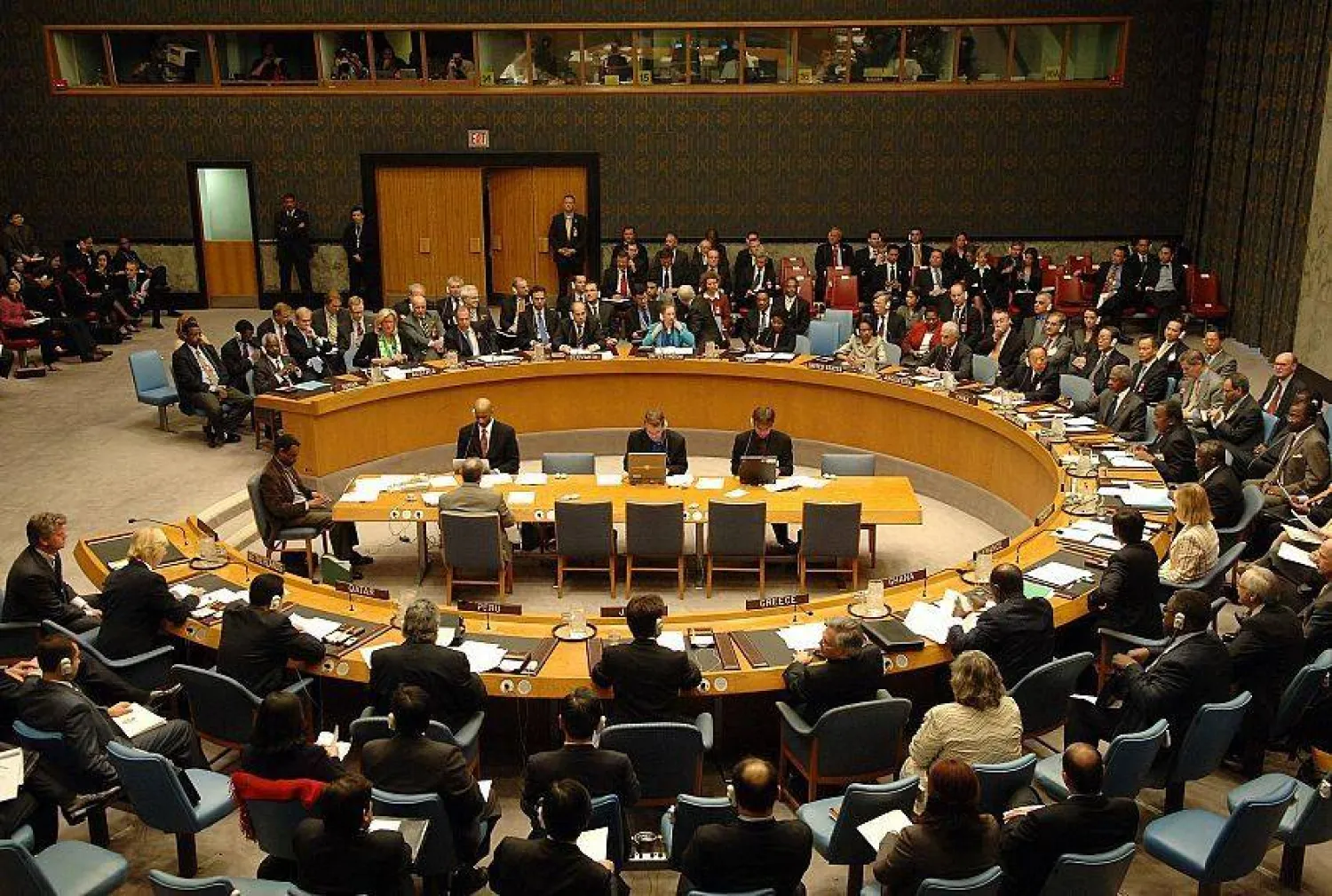
Saudi Foreign Minister Prince Faisal bin Farhan held a meeting in New York on the sidelines of the 81st session of the United Nations General Assembly with Pakistan's Deputy Prime Minister and Foreign Minister Muhammad Ishaq Dar and Turkish Foreign Minister Hakan Fidan. The three ministers strongly condemned the "heinous attacks" by the Houthis targeting Makkah and civilian and economic facilities in Saudi Arabia, and praised the vigilance of the Saudi Armed Forces and their ability to defend the country's security.
The ministers affirmed Saudi Arabia's right to take the measures it deems appropriate to defend its security under Article 51 of the United Nations Charter.
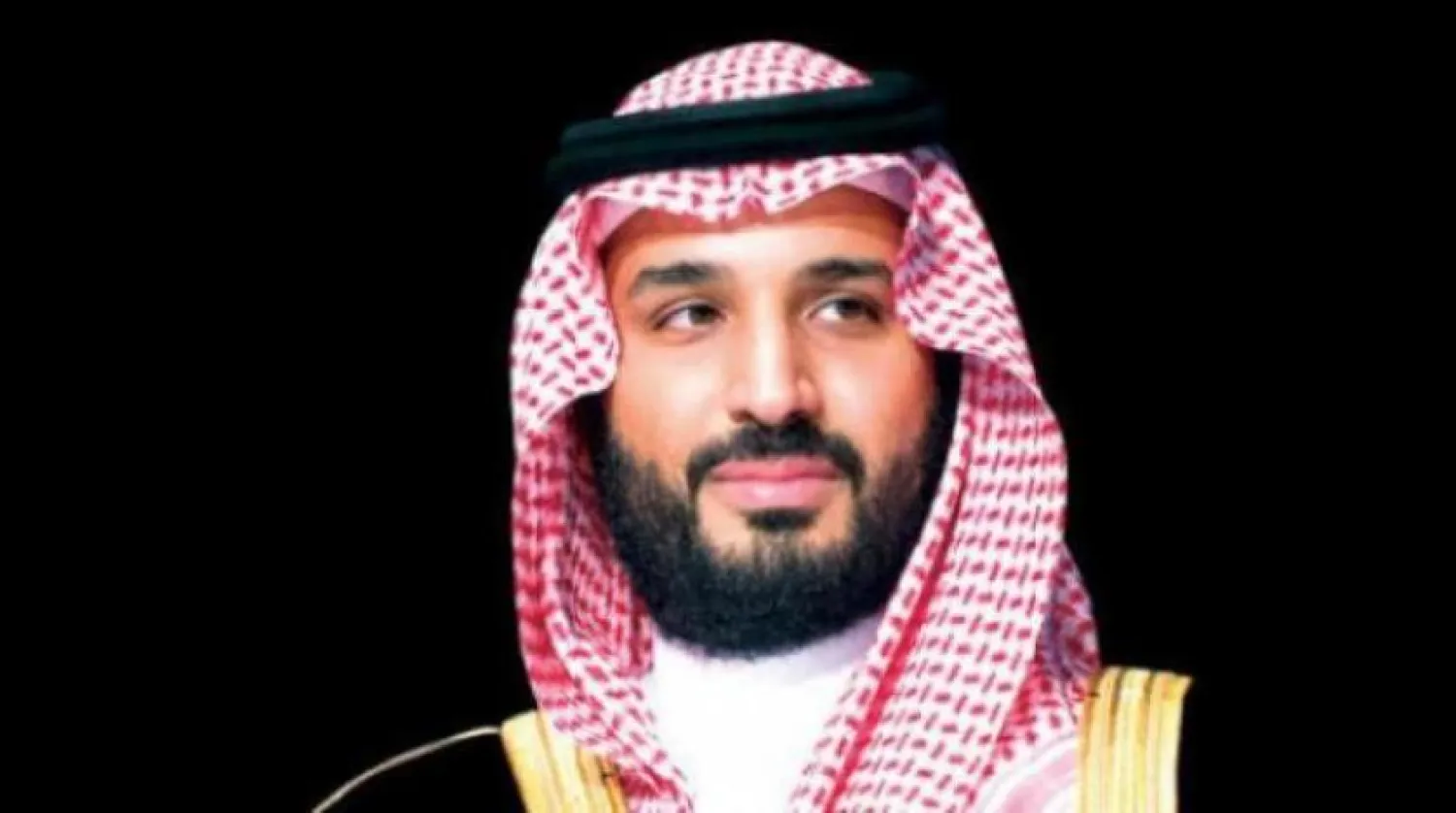
Sources at the Turkish Foreign Ministry said the meeting also discussed the final stages of ongoing technical negotiations aimed at institutionalizing cooperation to be implemented under the agreement, which was signed by Saudi Crown Prince Mohammed bin Salman, Turkish President Recep Tayyip Erdogan, and Pakistani Prime Minister Shehbaz Sharif on August 7. The agreement aims to enhance regional and international security, peace, stability, and prosperity, and increase joint deterrence capabilities in response to growing instability in the region.
The agreement stipulates that an attack on one of the member states constitutes an attack on all parties.
According to the sources, the ministers also discussed preparations for the next meeting of the Political and Defense Strategic Committee established under the agreement. The committee held its first meeting in Istanbul on August 31, attended by foreign and defense ministers and chiefs of staff. The parties agreed to establish a general secretariat in Riyadh, headed by Pakistan for three years.
Erdogan: We Trust Our Brothers
Speaking to Turkish journalists upon his return from New York late Thursday after attending the UN General Assembly meetings, President Recep Tayyip Erdogan described the "Makkah Agreement" as "a strong step in the right direction."
He said that when undertaking an initiative of such importance in a challenging geographical region, it is not surprising to face some challenges. He said it is natural for some to reject a new idea or a new will when it emerges, adding that Türkiye has enough experience to avoid being drawn into provocations or falling into traps.
Erdogan said he had no doubt that the three countries would move forward more strongly with their efforts to complete the agreement's institutional framework. He said the agreement had established a foundation for finding solutions to the region's problems from within the region, after everyone had seen how those who come from outside to prescribe security solutions for the region often leave behind greater instability.
He concluded: "This seed we have planted, the Makkah Agreement, will grow and expand in a short time to become a deeply rooted tree. We trust our country and our people, and we trust our brothers."
In the same context, Turkish Parliament Speaker Numan Kurtulmus said the "Makkah Agreement" had not yet been submitted to parliament for ratification. He said he expects it to be presented when parliament resumes after its summer recess and begins its new session on October 1.
Kurtulmus said Friday that the "Makkah Agreement" does not target any country, but is primarily intended to ensure the security of the countries of the region amid ongoing conflicts and what he described as "Israeli hostile policies." He added that "the agreement is not directed against Iran, and it should not be. Rather, we hope it will become a broader agreement for the Muslim world, and Iran can join it. We also hope the agreement will become stronger with the participation of other countries in the region."