


Lebanon: Kordahi’s Gulf Criticism Continue To Stir Angry Reactions

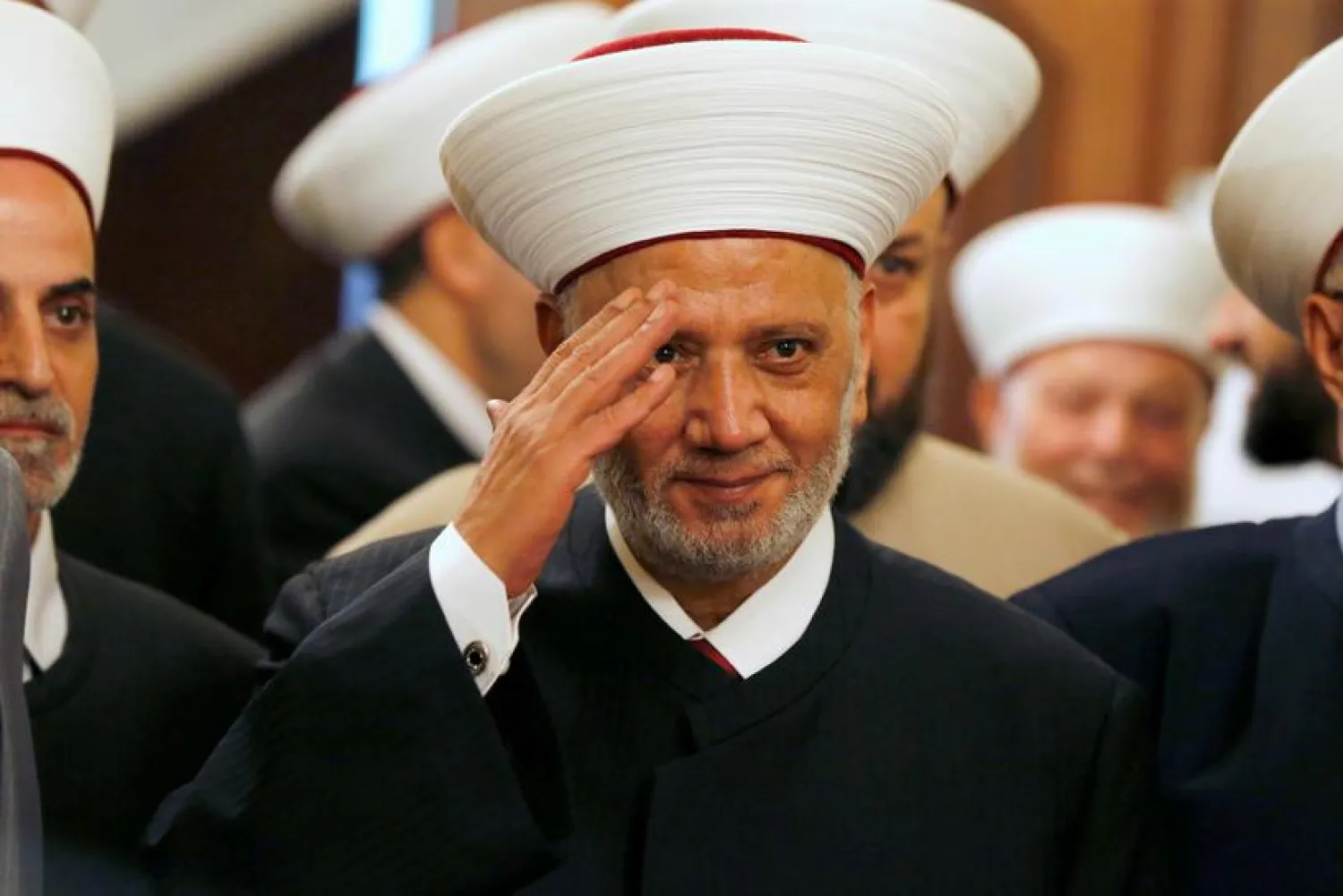
Lebanon’s Grand Mufti Sheikh Abdellatif Derian. (Reuters/ Mohammed Azakir)
TT

Lebanon: Kordahi’s Gulf Criticism Continue To Stir Angry Reactions

Lebanon’s Grand Mufti Sheikh Abdellatif Derian. (Reuters/ Mohammed Azakir)

The wave of angry reactions continue against Lebanon’s Minister of Information George Kordahi over statements in which he criticized Arab states and the Arab military coalition for supporting legitimacy in Yemen.

Lebanon’s Grand Mufti Sheikh Abdellatif Derian said in a statement on Thursday that verbal attacks against the Kingdom of Saudi Arabia, the United Arab Emirates, and other Gulf Cooperation Council states “are totally rejected, no matter how high-ranking the person behind those attacks is.”

“Lebanon and Dar al-Fatwa are keen on their relations with the Arab Gulf states. We condemn, denounce, and deplore any offense to these countries with whom we want the best possible relations,” he added.

Interior Minister Bassam Mawlawi reiterated his keenness on “the best relations with the Kingdom of Saudi Arabia and all the countries of the Gulf Cooperation Council.”

For his part, MP Nehmeh Tohme called for the formation of a senior delegation to Saudi Arabia, expressing his regret for the recent “unfair campaigns against the Kingdom.”

He also urged the government to take the appropriate measures to “preserve the glorious history and the relationship between the two countries.”

“Saudi Arabia stood by Lebanon in the darkest and most difficult circumstances, fortified our economy, and embraced the largest Lebanese community,” Tohme underlined.

Former President Michel Sleiman emphasized “the necessity of restoring Lebanon’s official relations with friendly Arab countries, especially the Kingdom of Saudi Arabia,” which he said was confronting terrorism.

During his meeting with Major General Ashraf Rifi on Thursday, Sleiman said that the government’s duty was to ensure the higher interests of Lebanon. It begins with improving Lebanon’s foreign relations and distancing the country from regional conflicts.



EU Condemns Israel's West Bank Control Measures

The Israeli settlement of Har Homa, seen from the West Bank city of Bethlehem, Tuesday, Dec. 17, 2024. (AP)
TT

EU Condemns Israel's West Bank Control Measures

The Israeli settlement of Har Homa, seen from the West Bank city of Bethlehem, Tuesday, Dec. 17, 2024. (AP)

The European Union on Monday condemned new Israeli measures to tighten control of the West Bank and pave the way for more settlements in the occupied Palestinian territory, AFP reported.

"The European Union condemns recent decisions by Israel's security cabinet to expand Israeli control in the West Bank. This move is another step in the wrong direction," EU spokesman Anouar El Anouni told journalists.


Atrocities in Sudan's El-Fasher Were 'Preventable Human Rights Catastrophe'

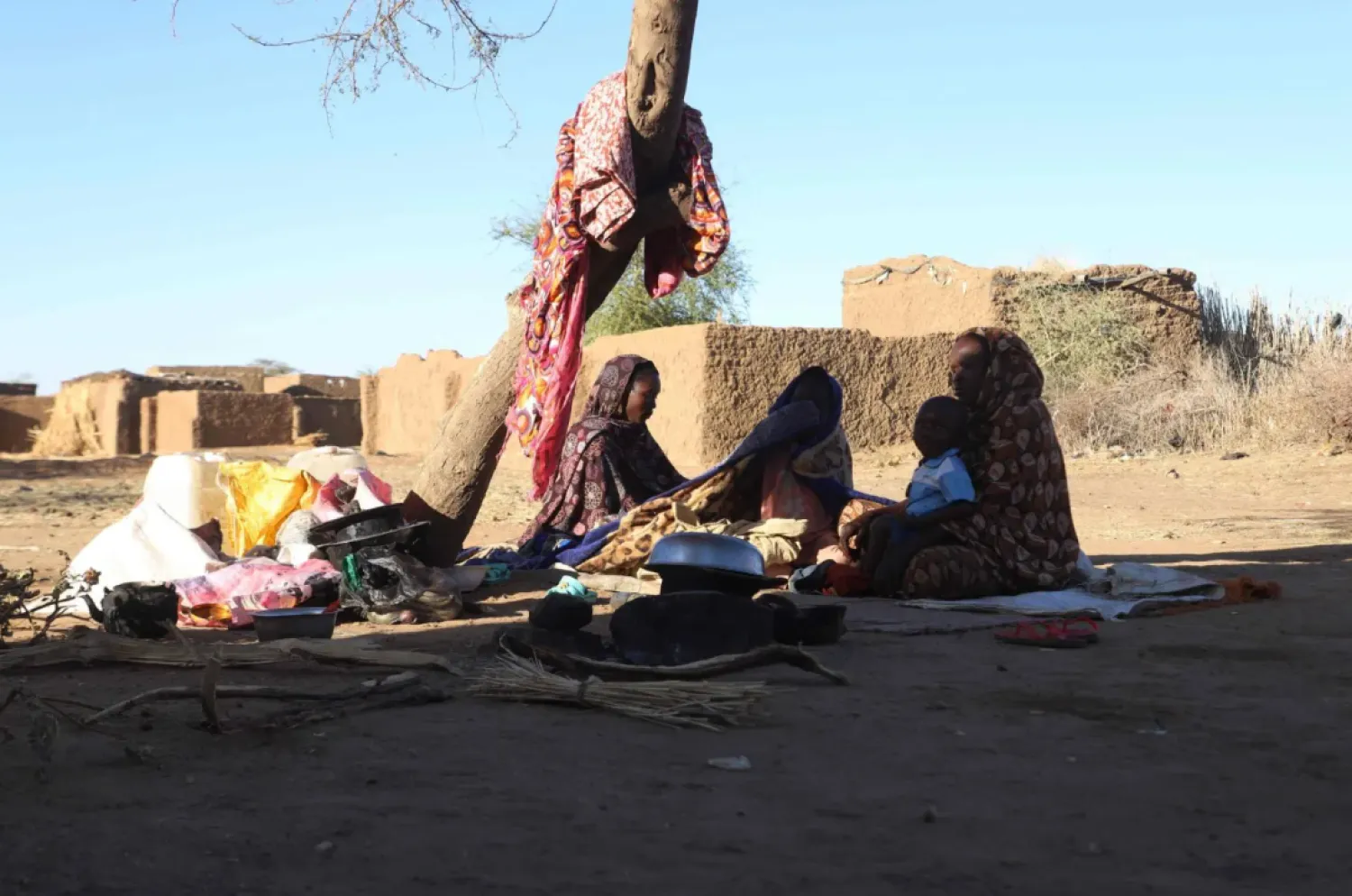
Sudanese displaced people who left El Fasher after its fall, sit in the shade in Tawila at the Rwanda camp reception point on December 17, 2025. (Photo by AFP)
TT

Atrocities in Sudan's El-Fasher Were 'Preventable Human Rights Catastrophe'

Sudanese displaced people who left El Fasher after its fall, sit in the shade in Tawila at the Rwanda camp reception point on December 17, 2025. (Photo by AFP)

The atrocities unleashed on El-Fasher in Sudan's Darfur region last October were a "preventable human rights catastrophe", the United Nations said Monday, warning they now risked being repeated in the neighbouring Kordofan region.


"My office sounded the alarm about the risk of mass atrocities in the besieged city of El-Fasher for more than a year ... but our warnings were ignored," UN rights chief Volker Turk told the Human Rights Council in Geneva.


He added that he was now "extremely concerned that these violations and abuses may be repeated in the Kordofan region".


Arab League Condemns Israel's Decisions to Alter Legal, Administrative Status of West Bank

A general view shows the opening session of the meeting of Arab foreign ministers at the Arab League Headquarters (Reuters)
TT

Arab League Condemns Israel's Decisions to Alter Legal, Administrative Status of West Bank

A general view shows the opening session of the meeting of Arab foreign ministers at the Arab League Headquarters (Reuters)

The General Secretariat of the Arab League strongly condemned decisions by Israeli occupation authorities to impose fundamental changes on the legal and administrative status of the occupied Palestinian territories, particularly in the West Bank, describing them as a dangerous escalation and a flagrant violation of international law, international legitimacy resolutions, and signed agreements, SPA reported.

In a statement, the Arab League said the measures include facilitating the confiscation of private Palestinian property and transferring planning and licensing authorities in the city of Hebron and the area surrounding the Ibrahimi Mosque to occupation authorities.

It warned of the serious repercussions of these actions on the rights of the Palestinian people and on Islamic and Christian holy sites.

The statement reaffirmed the Arab League’s firm support for the legitimate rights of the Palestinian people, foremost among them the establishment of their independent state on the June 4, 1967 borders, with East Jerusalem as its capital.