


Why Africa Is Dominating Literary Prizes in 2021

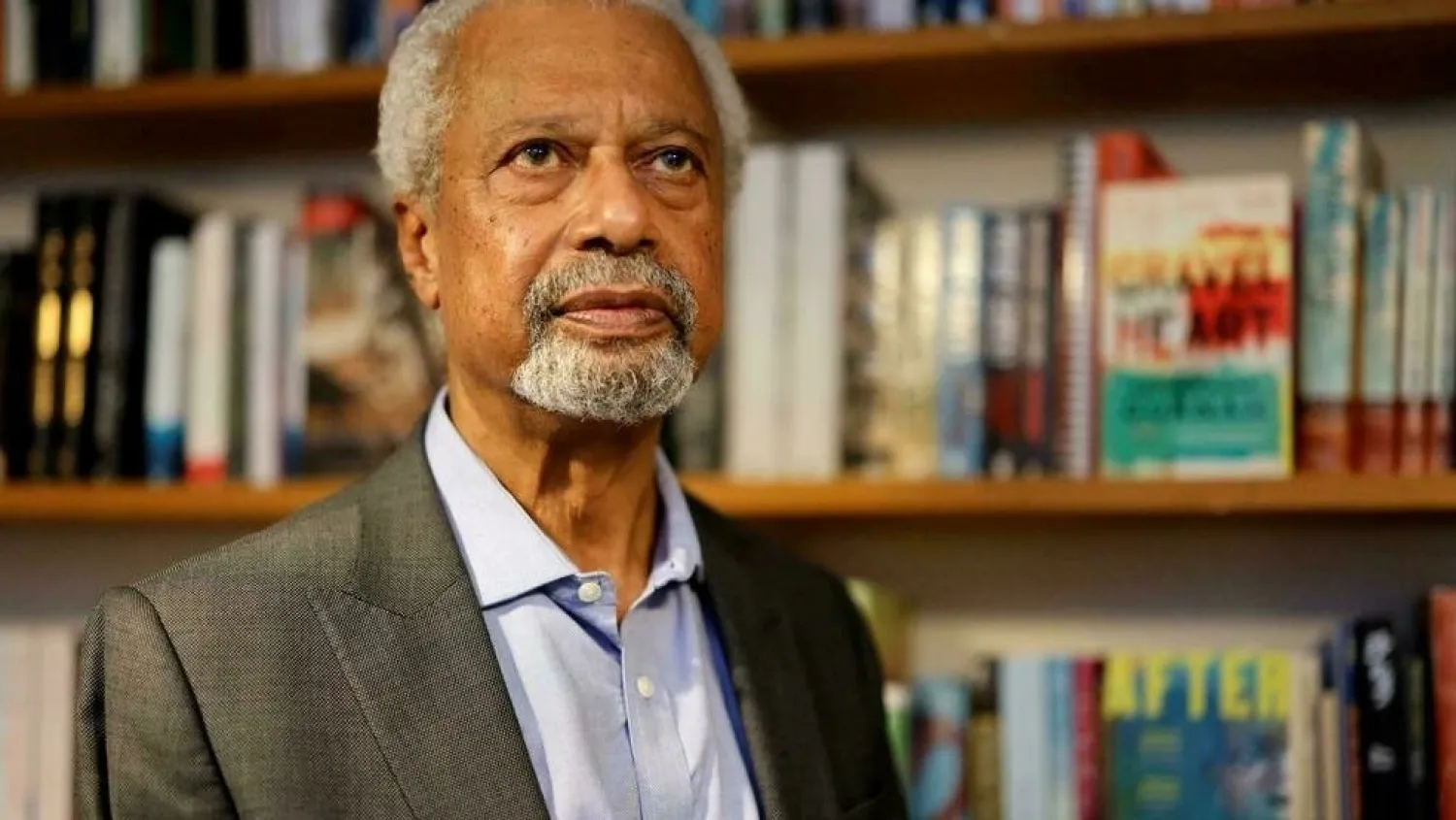
Zanzibar-born Abdulrazak Gurnah, who came to Britain as a refugee, won the Nobel in October for his long career dissecting colonialism and immigration Tolga Akmen AFP
TT

Why Africa Is Dominating Literary Prizes in 2021

Zanzibar-born Abdulrazak Gurnah, who came to Britain as a refugee, won the Nobel in October for his long career dissecting colonialism and immigration Tolga Akmen AFP

Some of the world's biggest literary awards, including the Nobel, Booker and Goncourt, have gone to Africans this year in a sign of the continent's emergence as a major force in publishing and a region with a direct line to the pressing questions of our time.

"We are witnessing a reawakening of interest in Africa among the European literary world," said Xavier Garnier, who teaches African literature at the Sorbonne in Paris.

He described the string of awards for Africans as "striking".

They include Tanzania's Abdulrazak Gurnah becoming a Nobel laureate, South Africa's Damon Galgut winning Britain's Booker Prize and 31-year-old Senegalese Mohamed Mbougar Sarr becoming the first writer from sub-Saharan Africa to win France's top literary award, the Prix Goncourt, AFP reported.

That's not all: Senegalese writers won this year's International Booker (David Diop) and Prix Neustadt (Boubacar Boris Diop) while Portugal's Prix Camoes went to Paulina Chiziane of Mozambique.

These are not token gestures by prize committees trying to look relevant, experts say.

Rather, as Garnier put it, they reflect the Western industry finally recognizing a booming literary scene that "no longer really needs recognition."

Publishing houses have sprouted across Africa in recent years, along with literary reviews, festivals and regional prizes.

"There's a huge reading public for African writers, and that's been underlined during the pandemic when we've seen the scale of the community as it shifted online," said Madhu Krishnan, who teaches African literature at Britain's Bristol University.

"People don't come out of nowhere. We just don't always see these smaller worlds from Europe."

'A lot more variety'

African literature had a previous heyday in the 1950s and 1960s, though it was tied up with politics and decolonization, embodied by figures like Senegal's poet/president Leopold Sedar Senghor.

Today, the themes are much broader and writers less concerned with how they are viewed by outsiders.

"We're seeing more experimentation, ecologically engaged texts, African futurism," said Krishnan. "There's a lot more variety -- a lot more that isn't concerned with explaining itself to a Western audience."

Diop's Booker-winning "At Night All Blood Is Black" tracks a soldier's fall into madness on the frontlines of World War I.

And Sarr's Goncourt winner, "La plus secrete memoire des hommes" ("The Most Secret Memory of Men"), focuses on literature itself.

Sarr was praised by Congolese writer-critic Boniface Mongo-Mboussa for "stepping away from the usual African subjects -- violence, war, child soldiers".

Mongo-Mboussa said he hoped the wins would open the way for greater integration of African writers in the notoriously closed French literary scene.

'Tensions and anxieties'

What might explain the burst of European interest is that Africa looks increasingly like a testing ground for problems that may soon affect us all.

"Ecological crisis, social crisis... it's the African continent that is showing us the major threats that we all face," said Garnier.

Not that the victories have been entirely free of controversy.

There were grumblings online about the Nobel going to someone who emigrated to Britain in the 1960s, and that Gurnah's birthplace of Zanzibar is not "real Africa".

"There are beefs in African literature, especially between the diaspora and the continent," said Krishnan.

She said Gurnah's extensive work in nurturing African talent made it hard to agree with the criticisms.

"But this speaks to the tensions and anxieties about what we mean when we talk about African literature. Who's African? What's African?" she said.

"There's a tendency to reduce it to race or geography, but Africa is huge, there are at least 55 countries, it's multi-racial, multi-ethnic, and that's often erased in the discourse."


Saudi Arabia, Syria Underline Depth of their Cultural Ties

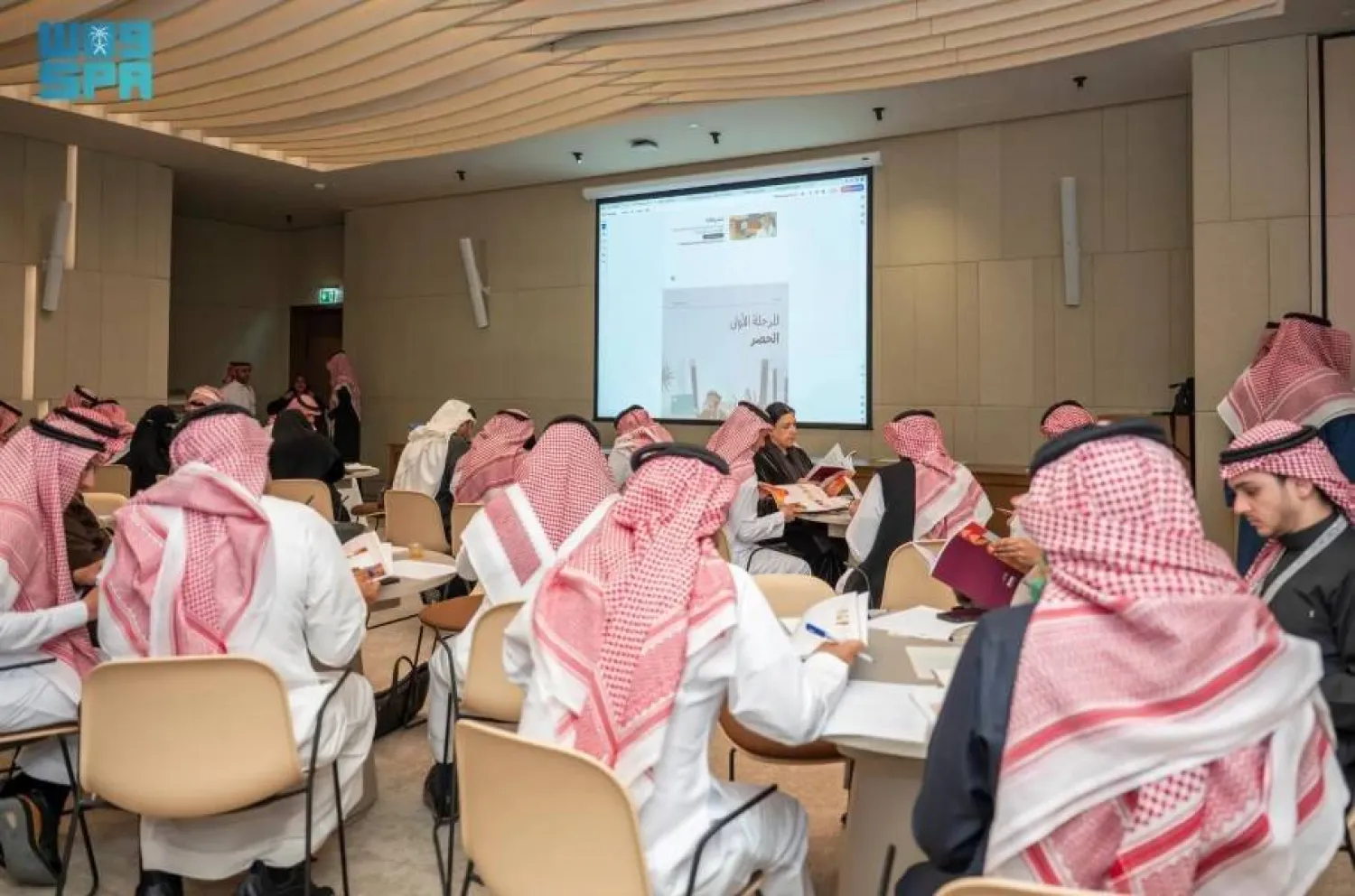
Syrian President al-Sharaa receives the Saudi minister of culture and the accompanying delegation at the Conference Palace in Damascus on Thursday. (SPA)
TT

Saudi Arabia, Syria Underline Depth of their Cultural Ties

Syrian President al-Sharaa receives the Saudi minister of culture and the accompanying delegation at the Conference Palace in Damascus on Thursday. (SPA)

Saudi Arabia and Syria underlined the strength of their cultural relationship during high-level meetings held in Damascus on Thursday, on the sidelines of the opening of the Damascus International Book Fair 2026, where the Kingdom is participating as guest of honor.

Syrian President Ahmad al-Sharaa received Saudi Minister of Culture Prince Badr bin Abdullah bin Farhan at the Conference Palace in the capital.

Earlier the same day, Prince Badr met with his Syrian counterpart, Minister of Culture Mohammad Yassin Saleh, during an official visit to attend the fair. T

he Saudi minister congratulated Syria on hosting the exhibition and expressed his wishes for continued prosperity, progress, and stability for the Syrian government and people.

Both meetings highlighted the depth of cultural relations between the two countries, the importance of expanding joint cultural cooperation across various fields, and the alignment of positions on issues of mutual interest in a way that serves both nations.

The Saudi delegation included senior officials and advisers, among them representatives from the Royal Court, the Ministry of Culture, and the King Abdulaziz Public Library, reflecting broad institutional engagement in the visit.

In the evening, Prince Badr attended the opening ceremony of the fair’s special session, held under the patronage and in the presence of al-Sharaa. The event drew wide official and cultural participation, including Arab ministers, political and intellectual figures, and a distinguished group of writers and cultural figures.

In a post on the X platform, Prince Badr thanked “our brothers in Syria for their generous hospitality and their efforts in organizing the Damascus International Book Fair.”

The minister also inaugurated the Kingdom’s pavilion at the fair in the presence of the Syrian minister of culture and the Qatari minister of culture.

Saudi Arabia’s guest-of-honor participation continues until Feb. 16 and reflects its growing prominence and leadership in the Arab and global cultural landscape.

This participation aligns with Saudi Vision 2030, which places culture at the heart of national development, viewing it as a space for dialogue, a bridge for civilizational communication, and a tool for strengthening ties among Arab peoples.

The Saudi Literature, Publishing and Translation Commission is leading the Kingdom’s participation, highlighting the development of the cultural sector and reaffirming the central role of books as carriers of knowledge and awareness.

The Saudi pavilion boasts a comprehensive cultural program featuring intellectual seminars, poetry evenings, a manuscript exhibition, traditional Saudi fashion displays, hospitality corners, archaeological replicas, and performing arts that express the depth of the Kingdom’s cultural heritage.

On the sidelines of the visit, Prince Badr, accompanied by Minister Saleh, toured the National Museum of Damascus, which houses rare artifacts spanning prehistoric eras, ancient Syrian civilizations, classical and Islamic periods, as well as traditional and modern art.


UNESCO Honors Al-Bisht Al-Hasawi as Thousands Flock to Al-Ahsa Festival

Visitors can explore interactive displays, participate in live workshops, and witness the meticulous process of tailoring this iconic symbol of prestige - SPA
TT

UNESCO Honors Al-Bisht Al-Hasawi as Thousands Flock to Al-Ahsa Festival

Visitors can explore interactive displays, participate in live workshops, and witness the meticulous process of tailoring this iconic symbol of prestige - SPA

The third edition of Al-Bisht Al-Hasawi Festival is drawing thousands of regional and international visitors to Ibrahim Palace in historic Al-Hofuf.

Organized by the Heritage Commission, this year’s festival celebrates the inscription of the Bisht on UNESCO’s Representative List of the Intangible Cultural Heritage of Humanity.

The event showcases Al-Ahsa’s centuries-old tradition of hand-weaving and gold embroidery, a craft passed down through generations of local families, SPA reported.

Visitors can explore interactive displays, participate in live workshops, and witness the meticulous process of tailoring this iconic symbol of prestige.

With UNESCO's participation and representatives from six countries, the festival has evolved into a global platform for cultural dialogue, cementing the Bisht’s status as a world-class cultural treasure.


Saudi, Syrian Culture Ministers Tour National Museum of Damascus

The ministers observed the museum’s extensive collections spanning prehistoric eras to modern art. SPA
TT

Saudi, Syrian Culture Ministers Tour National Museum of Damascus

The ministers observed the museum’s extensive collections spanning prehistoric eras to modern art. SPA

Saudi Minister of Culture Prince Badr bin Abdullah bin Farhan and his Syrian counterpart, Mohammed Yassin Saleh, have toured the National Museum of Damascus during the Kingdom’s participation as guest of honor at the 2026 Damascus International Book Fair.

The ministers observed on Thursday the museum’s extensive collections spanning prehistoric eras to modern art.

A particular focus was placed on the Arab-Islamic wing, featuring significant artifacts from the Umayyad period.

The Kingdom's participation as guest of honor at the 2026 Damascus International Book Fair, which runs until February 16, stems from the role culture plays within Saudi Vision 2030.