


Yemeni Council to Protect Religious Minorities from Houthi Abuse

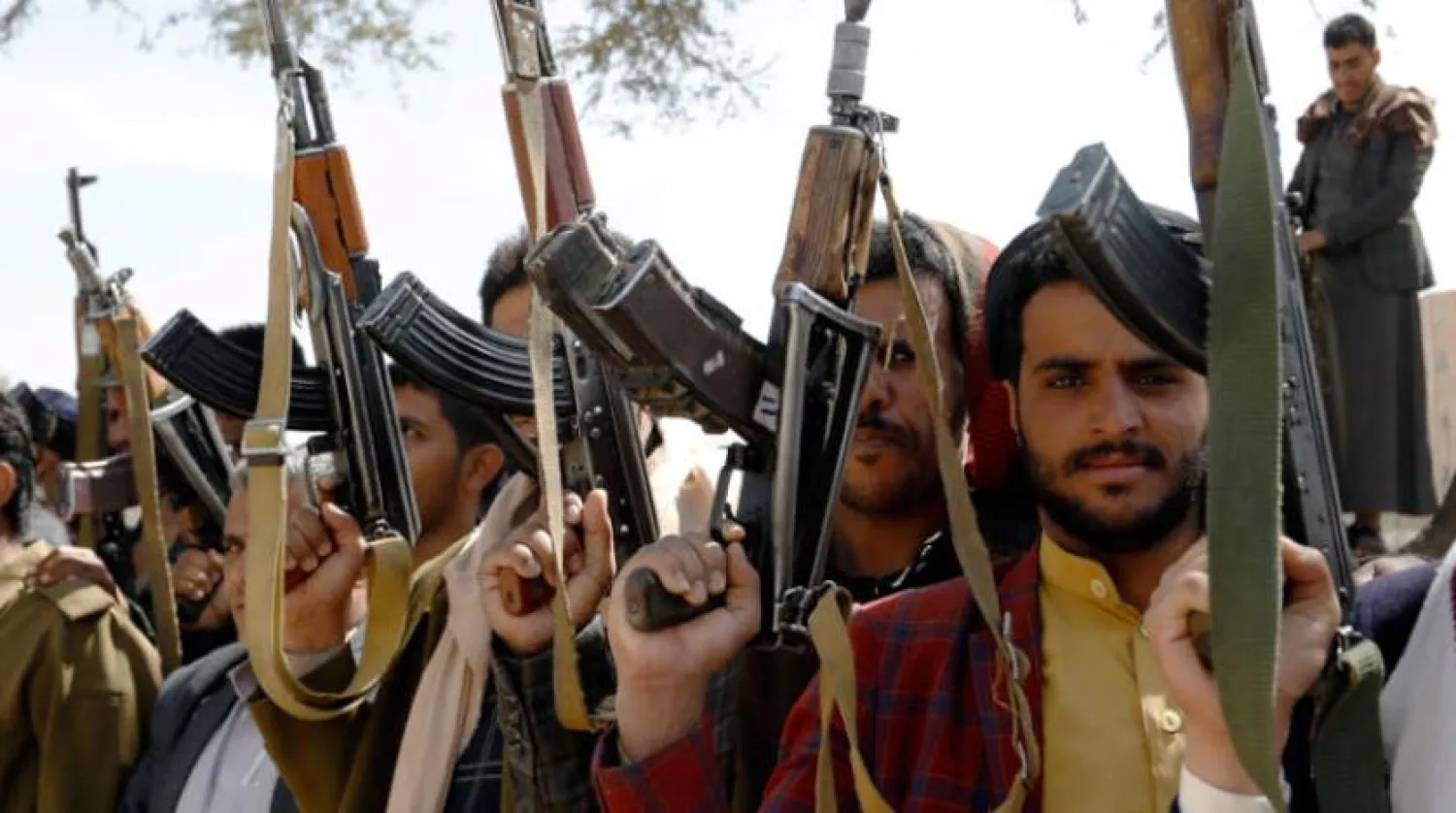
Houthi militias during a gathering aimed at mobilizing more fighters in Sanaa (AFP)
TT

Yemeni Council to Protect Religious Minorities from Houthi Abuse

Houthi militias during a gathering aimed at mobilizing more fighters in Sanaa (AFP)

Representatives of religious minorities in Yemen have agreed to form a coordinating council that would defend their right to freedom of belief and equal citizenship as Iran-backed Houthi militias continue to abuse them.

Houthis have prevented minority faith groups from practicing their rituals, displaced their symbols, and forced them to fight in their ranks.

This is the first gathering of religious minorities in the history of Yemen, which is known for its multiplicity of religious and sectarian groups and their coexistence.

The Yemeni constitution stipulates that all citizens, regardless of their faith group, are equal in rights and duties.

Sources told Asharq Al-Awsat that preparations are underway to announce the Coordinating Council for Religious and Ethnic Minorities in Yemen.

According to sources, the Council will include representatives of the Christian, Jewish and Baha'i faiths. These minorities were the most affected by Houthi oppression.

The Council will have eight members, including four women. It will aim to preserve religious and ethnic pluralism in Yemen.

According to the founders, the goal of establishing the Council is to strengthen the values of partnership and to unify positions on human rights, civil, political, and national issues.

This will be done through promoting the values of tolerance, coexistence, acceptance of others, and equal citizenship, and adopting the issues of these groups in national, regional, and international forums.

Unofficial data estimate that more than three million people of minority faith groups have been affected by the Houthi-waged war in Yemen.

Houthis had deported the Baha'i sect clerics, Jewish families, and Christian priests from Yemen.

Besides the deportation, Houthis have abused the followers of these religious minorities and have shut down their places of worship.



EU Condemns Israel's West Bank Control Measures

The Israeli settlement of Har Homa, seen from the West Bank city of Bethlehem, Tuesday, Dec. 17, 2024. (AP)
TT

EU Condemns Israel's West Bank Control Measures

The Israeli settlement of Har Homa, seen from the West Bank city of Bethlehem, Tuesday, Dec. 17, 2024. (AP)

The European Union on Monday condemned new Israeli measures to tighten control of the West Bank and pave the way for more settlements in the occupied Palestinian territory, AFP reported.

"The European Union condemns recent decisions by Israel's security cabinet to expand Israeli control in the West Bank. This move is another step in the wrong direction," EU spokesman Anouar El Anouni told journalists.


Atrocities in Sudan's El-Fasher Were 'Preventable Human Rights Catastrophe'

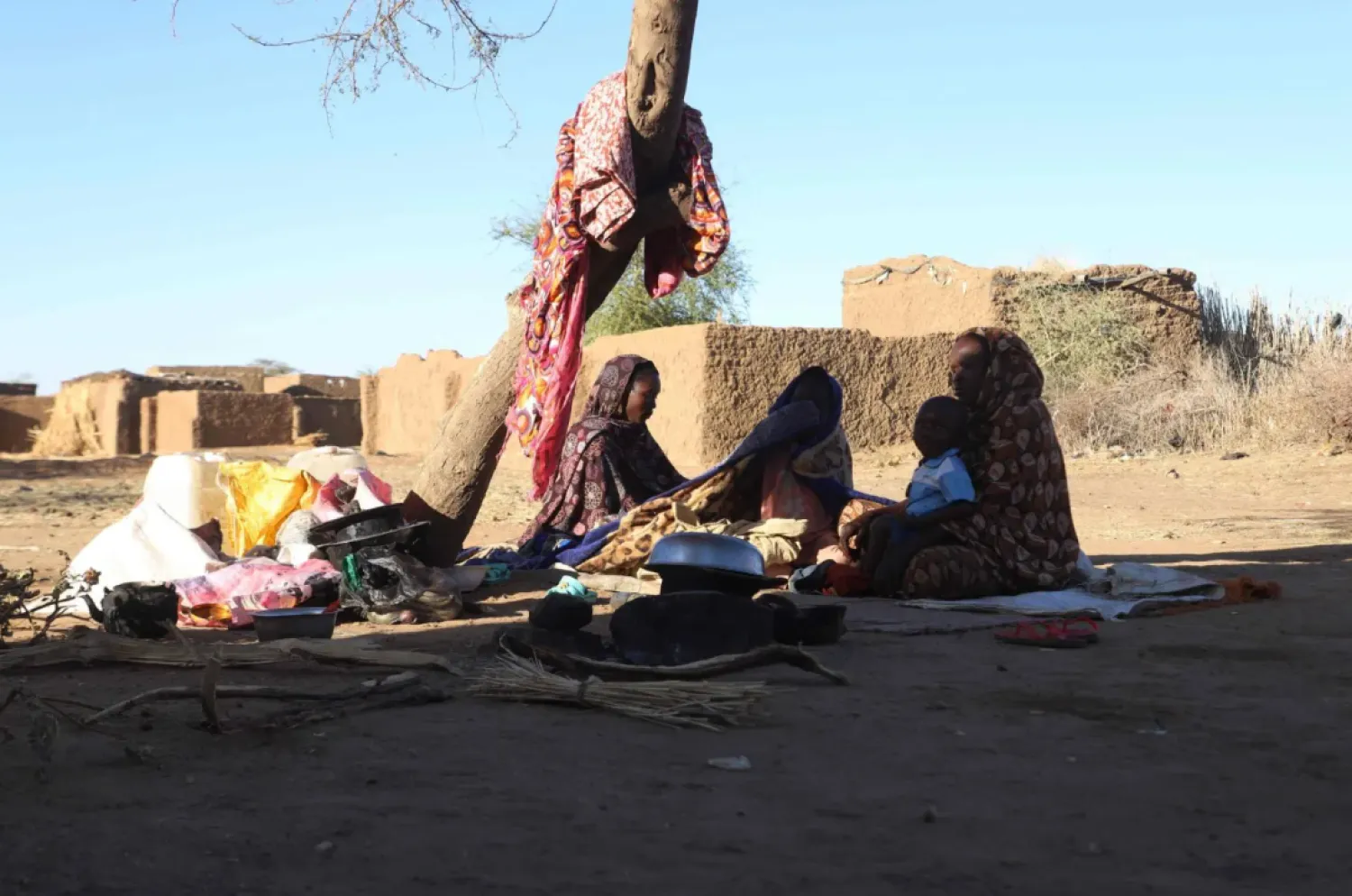
Sudanese displaced people who left El Fasher after its fall, sit in the shade in Tawila at the Rwanda camp reception point on December 17, 2025. (Photo by AFP)
TT

Atrocities in Sudan's El-Fasher Were 'Preventable Human Rights Catastrophe'

Sudanese displaced people who left El Fasher after its fall, sit in the shade in Tawila at the Rwanda camp reception point on December 17, 2025. (Photo by AFP)

The atrocities unleashed on El-Fasher in Sudan's Darfur region last October were a "preventable human rights catastrophe", the United Nations said Monday, warning they now risked being repeated in the neighbouring Kordofan region.


"My office sounded the alarm about the risk of mass atrocities in the besieged city of El-Fasher for more than a year ... but our warnings were ignored," UN rights chief Volker Turk told the Human Rights Council in Geneva.


He added that he was now "extremely concerned that these violations and abuses may be repeated in the Kordofan region".


Arab League Condemns Israel's Decisions to Alter Legal, Administrative Status of West Bank

A general view shows the opening session of the meeting of Arab foreign ministers at the Arab League Headquarters (Reuters)
TT

Arab League Condemns Israel's Decisions to Alter Legal, Administrative Status of West Bank

A general view shows the opening session of the meeting of Arab foreign ministers at the Arab League Headquarters (Reuters)

The General Secretariat of the Arab League strongly condemned decisions by Israeli occupation authorities to impose fundamental changes on the legal and administrative status of the occupied Palestinian territories, particularly in the West Bank, describing them as a dangerous escalation and a flagrant violation of international law, international legitimacy resolutions, and signed agreements, SPA reported.

In a statement, the Arab League said the measures include facilitating the confiscation of private Palestinian property and transferring planning and licensing authorities in the city of Hebron and the area surrounding the Ibrahimi Mosque to occupation authorities.

It warned of the serious repercussions of these actions on the rights of the Palestinian people and on Islamic and Christian holy sites.

The statement reaffirmed the Arab League’s firm support for the legitimate rights of the Palestinian people, foremost among them the establishment of their independent state on the June 4, 1967 borders, with East Jerusalem as its capital.