


Saudi Crown Prince: Budget 2022 Supports Post-Pandemic Financial, Economic Goals

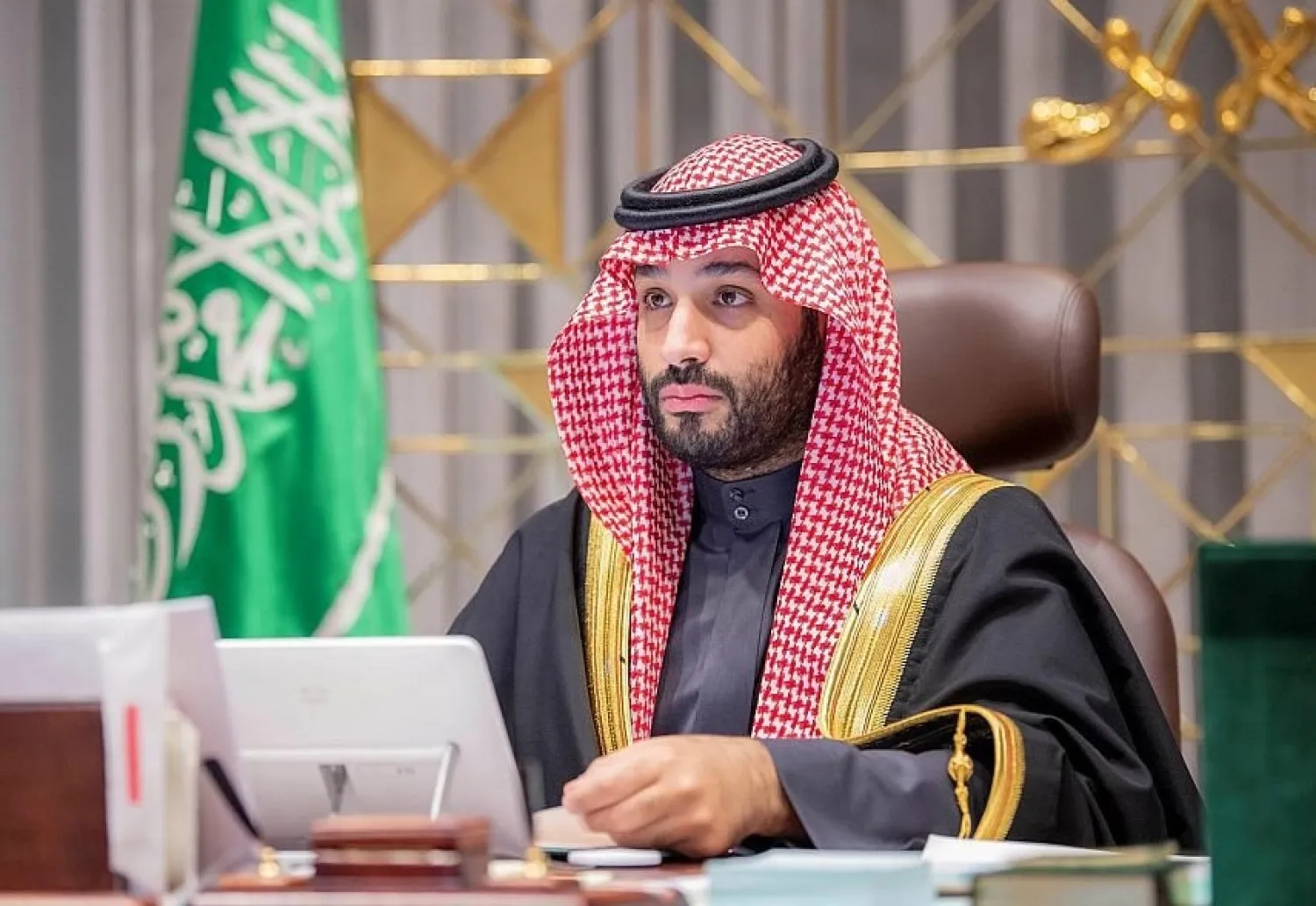
Crown Prince Mohammed bin Salman delivers his press statement. (SPA)
TT

Saudi Crown Prince: Budget 2022 Supports Post-Pandemic Financial, Economic Goals

Crown Prince Mohammed bin Salman delivers his press statement. (SPA)

Crown Prince Mohammed bin Salman, Deputy Prime Minister and Chairman of the Council of Economic and Development Affairs, stressed on Sunday that the economic transformation journey adopted by the Kingdom’s government continues to meet the achievements and targets per the directives of the Custodian of the Two Holy Mosques King Salman bin Abdulaziz.

The Kingdom on Sunday approved the 2022 budget.

"The budget was a confirmation of the results achieved from economic and financial reforms aimed at promoting economic growth and financial sustainability towards a vibrant society, a prosperous economy, and an ambitious nation," added Crown Prince Mohammed in a press statement following the announcement of the state's General Budget for the fiscal year 2022

"The government is committed in the 2022 budget to the planned spending in the medium term, which was previously announced last year, and expects to achieve budget surpluses for the fiscal year 2022, through completing work on developing the financial planning process and raising spending efficiency," he said.

It is also committed to "developing various sources and more stability of government revenues, which supports the objectives of the Financial Sustainability Program, which seeks to complete the march towards enhancing economic stability and sustainability in the medium and long terms," he continued.

"The financial and economic results and indicators confirm that we are progressing positively, as next year's budget comes amid a global climate characterized by great challenges in light of the repercussions of the Covid-19 pandemic, and great local ambitions, but in a financially disciplined framework that focuses on the efficiency and effectiveness of directing government spending and utilizing available resources to achieve the best return from them, while maintaining financial stability as a fundamental pillar of sustainable growth."

He reiterated that the economic recovery, initiatives, and policies of financial control, and the development of public financial management and its efficiency contributed to sustaining the reduction of the budget deficit while maintaining the achievement of the main objectives of Vision 2030.

It is expected that the deficit in 2021 will reach around 2.7% of GDP compared to 11.2 % in 2020, which was affected by the pandemic.

"While we expect to achieve financial surpluses that may exceed 2.5% of GDP in 2022, these surpluses will be used to increase government reserves to counter the needs posted by the pandemic, strengthen the Kingdom’s financial position, and boost its capabilities to face global shocks and crises," stated Crown Prince Mohammed.

He explained that the economic and structural reforms that have been implemented since the launch of Vision 2030 have contributed to reducing the negative impacts associated with the pandemic. Until the end of the third quarter of 2021, the Kingdom achieved high rates of real GDP growth for the non-oil sector, which amounted to about 5.4%, driven by a 7% growth in the private sector. This was reflected in significant growth in many economic activities and sectors, some of which retracted to pre-pandemic levels. This growth was accompanied by a decline in unemployment rates among citizens from 12.6% by the end of last year to 11.3% in the middle of the year due to the increase in job opportunities available to citizens.

The Crown Prince stressed that the citizen's role today has become pivotal in economic development, as they directly contribute to gaining achievements in various promising fields and sectors, in addition to increasing women's participation, whose participation represents a positive force for society.

Crown Prince Mohammed said Vision 2030 focuses on achieving and deepening the impact and involvement of the private sector in the transformation journey to make a qualitative leap in various sectors. Significant progress has been made in implementing several programs that will contribute to progress and development in various fields, diversifying the economy, raising the level of quality of life, and developing sectors contributing to the economy.

The revision and update of strategies, programs, initiatives, and procedures are being implemented regularly to ensure their effectiveness and correct their course whenever the need arises and to achieve the objectives of the Kingdom’s Vision 2030, he added.

He stressed the important role of the private sector as a major and vital partner in development, and that the government, in addition to the areas of general spending, is implementing various major initiatives that will contribute to strengthening the private sector’s role.

The National Investment Strategy and “Shareek” Program in addition to the Public Investment Fund (PIF) program will contribute to providing great opportunities for investors to participate in many sectors and different regions within the Kingdom. It is planned that the total spending in the Kingdom will reach SR27 trillion by 2030, including investments of the PIF, the private sector, government spending, and private consumption This also supports the ongoing reforms undertaken by the government in developing the business climate and creating an attractive environment for investors to contribute to promoting economic growth.

The Crown Prince touched on the role of the second phase of the vision realization programs in the qualitative shift of the Saudi economy and achieving what citizens aspire to improve and raise the quality of services and investment opportunities and increase employment opportunities, including the National Industrial Development and Logistics Program (NIDLP), the National Transformation Program, the Financial Sector Development Program and the Human Capability Development Program, the Quality of Life Program, and the Housing Program and its contribution to raising the levels of citizens' ownership of housing.

He highlighted the objectives of the PIF program in achieving the goals of the ’s Vision 2030, as it represents the local and foreign investment arm that contributes to diversifying the economy and sources of income, which supports and complements the government efforts to diversify the economy. It has contributed to achieving a clear impact and achievements at the local and global levels in pursuit of its ambitions in the medium term, including the Fund’s contribution and its subsidiaries to the non-oil domestic product, and raising the percentage of local content in its investments and its subsidiaries by up to 60%.

It should be noted that the Fund’s local investments have amounted to more than SR 84 billion during the current year and plans for additional local investments of more than SR 150 billion for the year 2022. The total local investments of the Fund are expected to amount to SR 3 trillion by 2030, compared to SR 11.2 billion local investment in 2016.

The Crown Prince also highlighted the important role of the National Development Fund and its affiliated development funds and banks through programs and initiatives that support various economic activities and sectors and increase their competitiveness by providing the necessary financing for national institutions and companies, including small and medium enterprises, and enhancing the role they play to support the growth of non-oil domestic product and create more jobs in the economic sector.

He concluded that the government’s success in confronting the pandemic and curbing its economic and social impacts proves the strength of the Kingdom’s economy in facing challenges and that the government is working to support countries and international organizations in their efforts to confront the crisis.

The Crown Prince stressed the leading role played by the Kingdom in stabilizing energy markets, while at the same time leading the next green era. He underscored that the Saudi Green Initiative and the Middle East Green Initiative chart the direction of the Kingdom and the region in protecting the land and nature and placing it on a clear and ambitious roadmap that will contribute strongly to achieving global goals.

The Kingdom will also continue during the coming year and in the medium and long terms to increase the attractiveness of the Kingdom's economy as a hub for local and foreign investments, and diversify the economy by developing promising sectors such as tourism, technology, industry, and mining.


Coalition to Asharq Al-Awsat: Houthi Claims about Targeting Riyadh Are Misleading

Coalition official spokesman Major General Turki Al-Malki. (Coalition to Restore Legitimacy in Yemen)
TT

Coalition to Asharq Al-Awsat: Houthi Claims about Targeting Riyadh Are Misleading

Coalition official spokesman Major General Turki Al-Malki. (Coalition to Restore Legitimacy in Yemen)

The Saudi-led Coalition to Restore Legitimacy in Yemen dismissed on Saturday as “misleading” Houthi claims that they targeted the Saudi capital Riyadh.

Coalition official spokesman Major General Turki Al-Malki told Asharq Al-Awsat that “what the Houthis are facing in Taiz, and the human losses suffered by the group's members at the hands of the heroes of the Yemeni Armed Forces and the Popular Resistance on all fronts drives them to seek illusory victories.”

The Houthis are “attempting to divert attention from the scale of the losses and the growing public anger against them,” he added, while stressing that their “ties to external agendas that have brought chaos and devastation to Yemen.”

The Iran-backed group claimed it had targeted Riyadh at a time when unified Yemeni forces are fighting battles to repel the group's attempts to secure positions it attacked on the West Coast.

Recent Yemeni reports said the group has lost around 5,000 fighters within a week, while the Yemeni Armed Forces are carrying out a series of aerial and ground military operations across various fronts targeted by the Houthis.

Spokesperson for the Yemeni Armed Forces Colonel Majid Al-Nuzaili announced in a statement the execution of 257 precision targeting operations against Houthi military positions, movements, and capabilities, utilizing fighter jets, drones, artillery, missiles, and rocket launchers.

The operations covered Sanaa, Midi (northwest), and Baqim (Saada), the fronts of Al-Jawf, Marib, Al-Bayda, and Lahij, with operational efforts concentrated on the Taiz fronts, targeting command and control centers, troop gatherings and mobilizations, combat reserves, weapons and ammunition depots, as well as military supply lines and means, he added.

According to preliminary field estimates, the operations resulted in the neutralization of at least 700 militants and destruction of 170 combat vehicles, stated Al-Nuzaili.

This had a direct impact on the militias' combat capacity and limited their ability to continue their assaults against civilians in their homes and villages, he went on to say.


Pakistan Says Makkah Alliance to Discuss Houthi Attacks at Emergency Riyadh Meeting

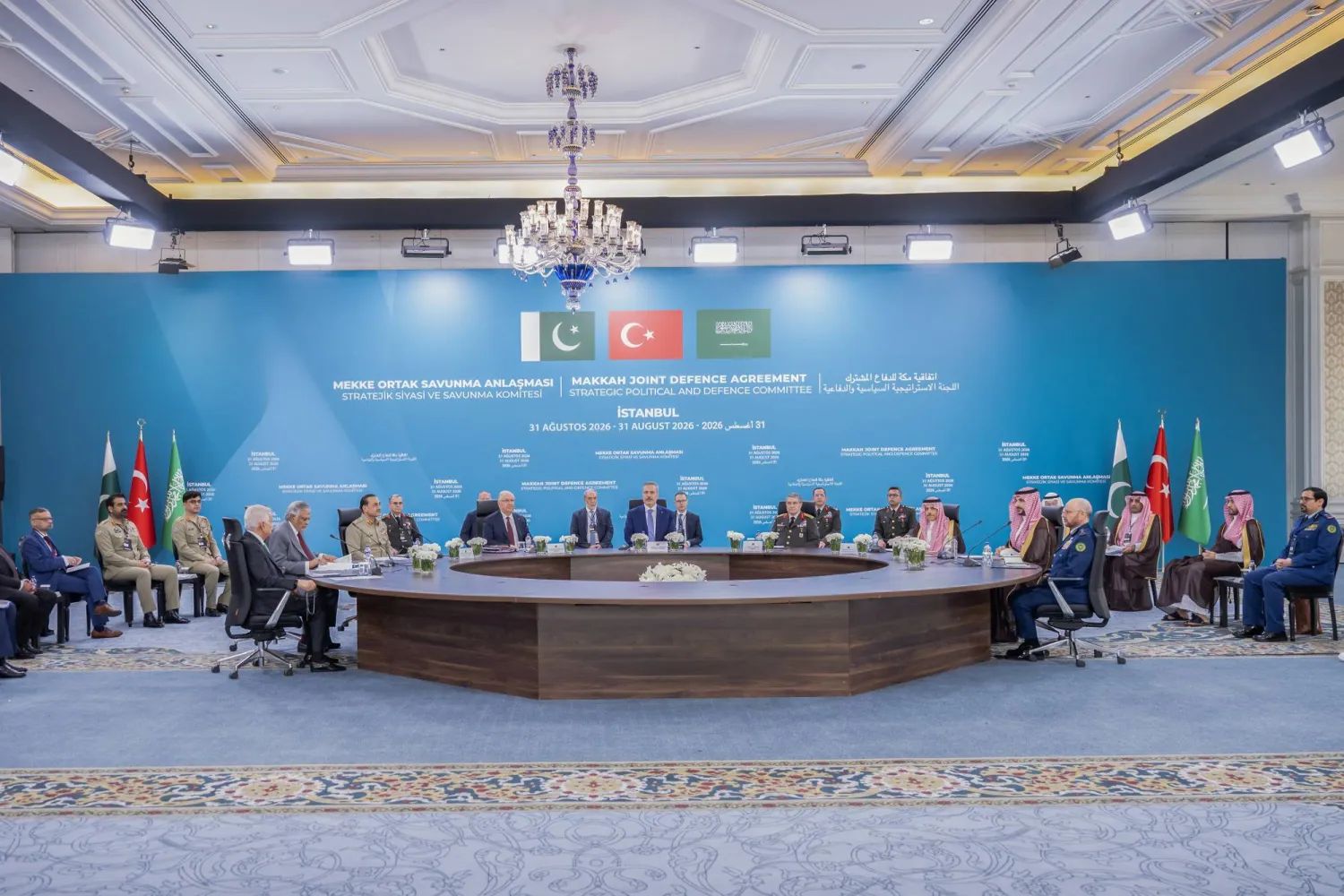
The first meeting of the Strategic Political and Defense Committee established under the Makkah Agreement in Istanbul (Saudi Ministry of Defense). 
TT

Pakistan Says Makkah Alliance to Discuss Houthi Attacks at Emergency Riyadh Meeting

The first meeting of the Strategic Political and Defense Committee established under the Makkah Agreement in Istanbul (Saudi Ministry of Defense). 

Pakistani Foreign Minister Mohammad Ishaq Dar announced that the Strategic Political and Defense Committee of the Makkah Joint Defense Agreement between Pakistan, Saudi Arabia and Türkiye will hold an emergency meeting in Riyadh next week to discuss Houthi attacks on the Kingdom.

Speaking at a press conference on Friday, Dar said the committee would determine the next steps at the meeting, adding that more than six countries had expressed interest in joining the Makkah alliance, according to Reuters.

In a statement carried by Reuters on Friday, the Pakistani military said its senior commanders had strongly condemned the Houthi attacks on Saudi Arabia, expressed solidarity with the Kingdom and reaffirmed their commitment to the security of Islam’s holy sites.

The Makkah Joint Defense Agreement, signed on Aug. 7 by Saudi Crown Prince Mohammed bin Salman, Turkish President Recep Tayyip Erdogan and Pakistani Prime Minister Shehbaz Sharif, stipulates that an armed attack against any one of its signatories shall be considered an attack against all three.

Any joint military response is subject to an assessment by the member states, particularly the country under attack, taking into account the need for such action, the nature and severity of the attack, the level of threat and the contributions required from each party to achieve the intended integration of their efforts.

Istanbul hosted the first meeting of the agreement’s Strategic Political and Defense Committee on Aug. 31, bringing together the foreign and defense ministers and military chiefs of staff of Saudi Arabia, Türkiye and Pakistan.

During the meeting, the three countries reaffirmed their determination to work together under the Makkah agreement to achieve sustainable peace and stability in their region and continue supporting efforts to promote de-escalation and restraint. They encouraged peaceful solutions to crises in line with their commitment to fulfilling their regional responsibilities.

The three countries’ foreign ministers subsequently met in New York on Sept. 24 to review progress toward establishing the agreement’s general secretariat, committees and working groups, as well as preparations for the launch of their activities.

The ministers also condemned attacks targeting Makkah and civilian and economic facilities in Saudi Arabia, stressing the Kingdom’s right to take whatever measures it deemed appropriate to defend its security under Article 51 of the UN Charter.

On Sept. 25, the three countries’ military chiefs of staff met in Riyadh to review the security situation and attacks against Saudi Arabia. They condemned the strikes targeting Makkah and the Kingdom’s civilian and economic infrastructure.

Participants also discussed ways to further strengthen cooperation among their armed forces, develop intelligence cooperation, enhance military coordination and integrate their capabilities to bolster deterrence and collective defense.


UAE: Flydubai Co-Pilot Attempted Terrorist Attack

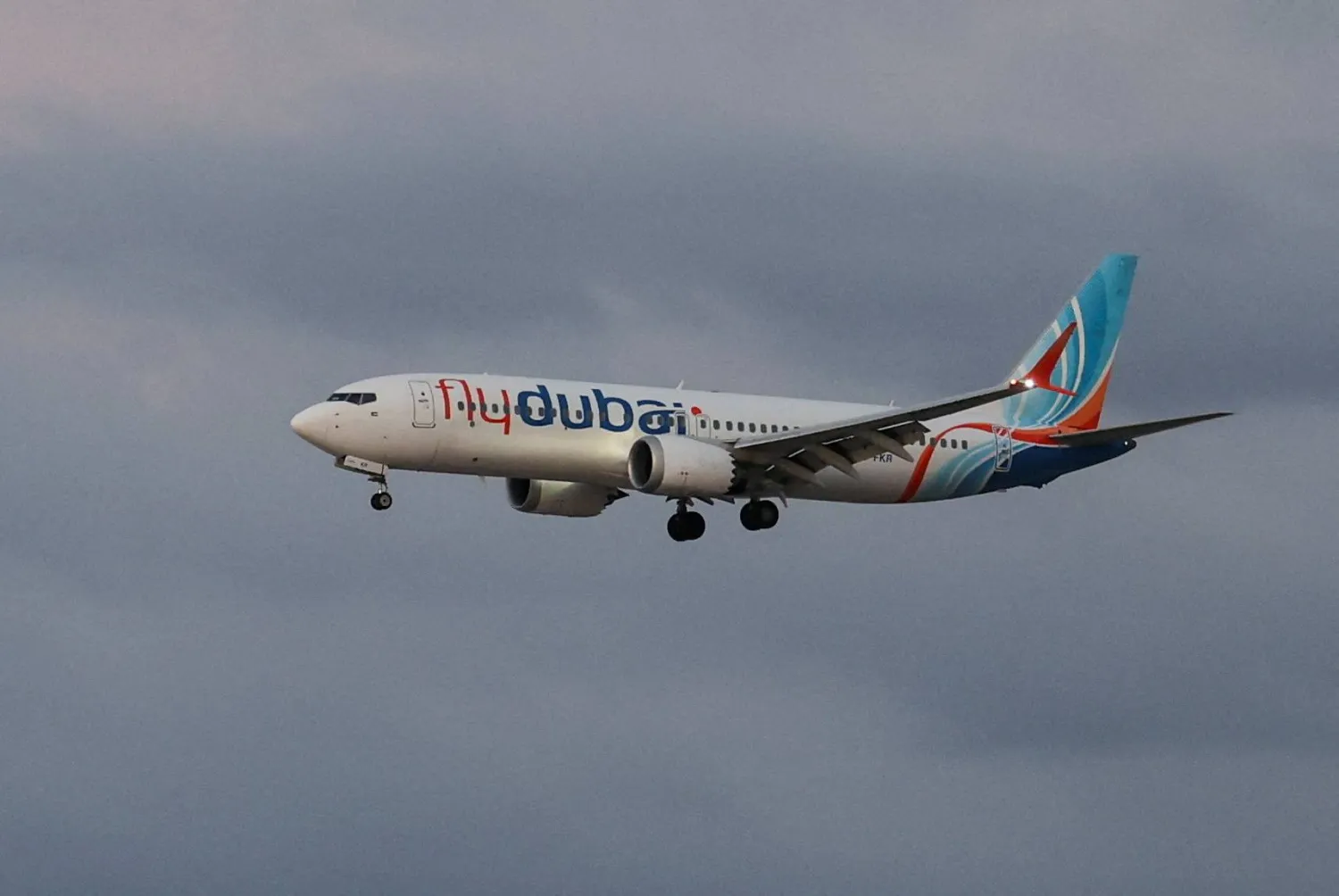
FILE PHOTO: A plane, carrying passengers who were on the FlyDubai aircraft bound for Israel from the United Arab Emirates, which was diverted to Saudi Arabia following an emergency signal, arrives at the Ben Gurion International Airport, in Lod, near Tel Aviv, Israel, September 30, 2026. REUTERS/Ammar Awad/File Photo
TT

UAE: Flydubai Co-Pilot Attempted Terrorist Attack

FILE PHOTO: A plane, carrying passengers who were on the FlyDubai aircraft bound for Israel from the United Arab Emirates, which was diverted to Saudi Arabia following an emergency signal, arrives at the Ben Gurion International Airport, in Lod, near Tel Aviv, Israel, September 30, 2026. REUTERS/Ammar Awad/File Photo

The United Arab Emirates Attorney-General said investigations into the incident aboard flydubai flight FZ1073 revealed that the co-pilot attempted to carry out a terrorist act, the Emirates News Agency (WAM) reported on Saturday.

The co-pilot began executing his plan during the flight, attacking the captain inside the cockpit using a crash axe and attempting to take control of the aircraft, the Attorney-General added.

He assured that investigations are ongoing to establish the full circumstances, motives, and any links related to the incident, as well as to complete technical examinations and analysis of physical and digital evidence.

The final results will be announced upon the conclusion of all necessary procedures, he assured.

The flight from Dubai to Tel Aviv came close to disaster on Wednesday morning when the attacker stabbed the captain.

Passengers told interviewers that the captain, who was seriously wounded, managed to open the cockpit door, allowing a group of passengers and crew members to overpower the attacker. Two reserve pilots who were also on board then managed to regain control of the aircraft, stabilize it, and land safely.