

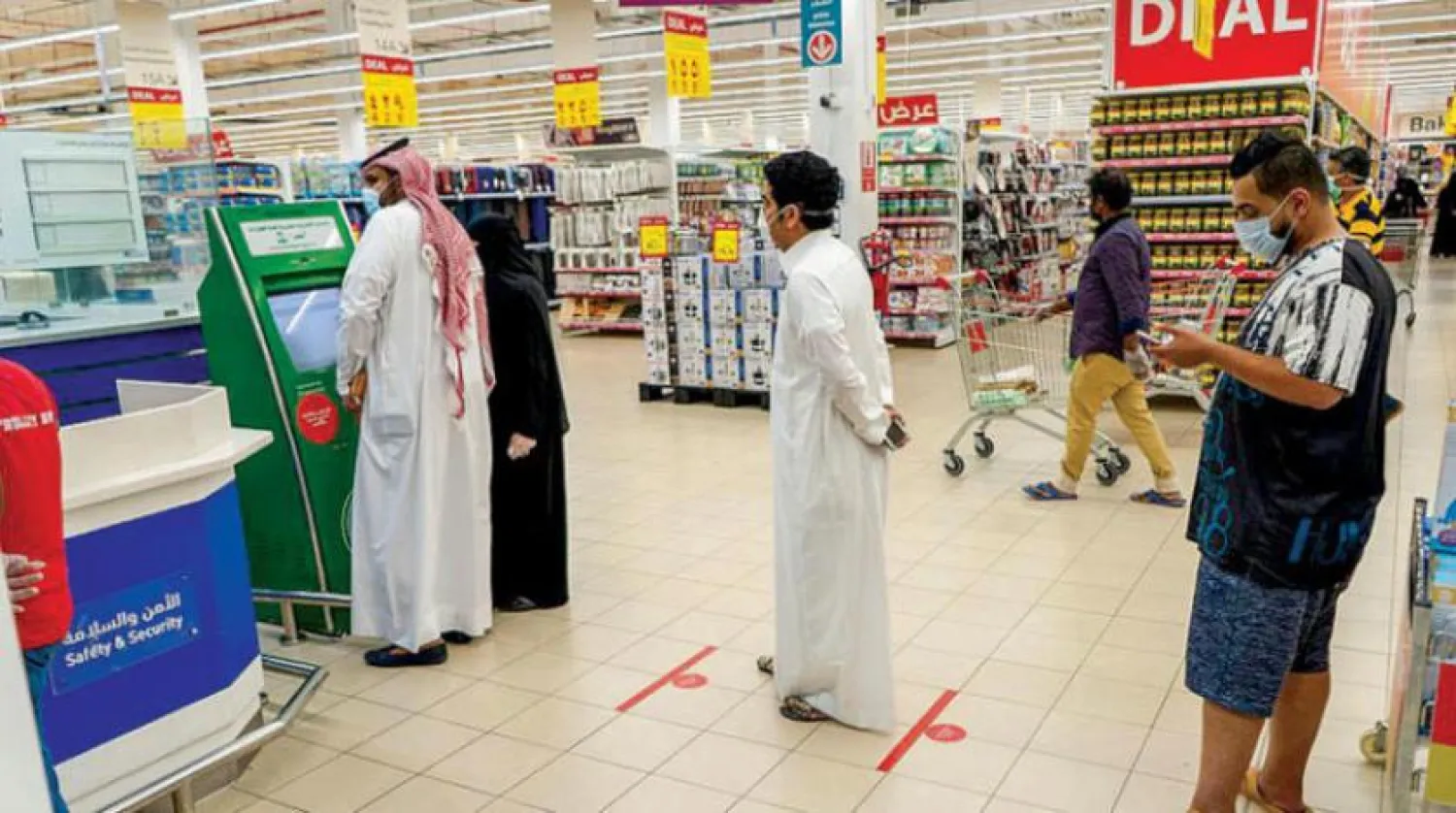

Saudi Arabia Records 70% Daily Increase in COVID-19 Cases

Saudi Arabia tightens health restrictions amid surge in coronavirus infections. (SPA)
TT

Saudi Arabia Records 70% Daily Increase in COVID-19 Cases

Saudi Arabia tightens health restrictions amid surge in coronavirus infections. (SPA)

Saudi Arabia recorded on Monday a 70% increase in the daily COVID-19 infection rate compared to Sunday.

The Health Ministry recorded 1,746 new coronavirus cases on Monday, a figure not seen since July 2020 during the peak point of the outbreak, prompting the Kingdom to reimpose preventive measures to curb the virus spread.

Last week, Saudi Arabia reimposed a mandatory wearing of face masks and social distancing in the Two Holy Mosques and in indoor and outdoor public places.

This comes in line with the significant rise in COVID infection cases around the world, causing great damage to the health sector in major countries such as the United States and Britain.

Lt. Col. Talal al-Shalhoub, the security spokesperson of the Ministry of Interior, stressed that fines are once again imposed on health measures violators in closed and public areas, especially in government and private departments, as well as tourist, sports, and cultural sites.

Health Ministry spokesman Dr. Mohammed Abdelali said the booster shots reduce the chances of contracting the virus, adding that most of those who contract the virus after the booster shot didn’t need any medical care.

Commenting on the epidemic curve rise in the Kingdom, Associate Vice President of the Sulaiman AL Habib Medical Group and Chief of Infectious Disease and Infection Control Dr. Awad al-Omari told Asharq Al-Awsat that the surge in infections is expected as part of the global outbreak of Omicron variant.

However, he urged people to be cautious because the rise in infection rates may cause great pressure on the global health systems.

The clinical symptoms of those infected with Omicron variant are mild and similar to flu symptoms.

The Saudi health system is tough, and it has proven successful in addressing the pandemic during previous waves.

In remarks about the recent health measures the Kingdom has reimposed, Omari said the situation changes based on various factors, including the increase in the number of infections, the hospitalized cases and those in internal care units.

The future cannot be predicted, he affirmed, but people must adhere to health measures, avoid gatherings, wear a face mask, and take the booster shot to resist the new mutations.



Islamic Ministers’ Executive Council Condemns Iran’s Attacks on the Region

Saudi Minister of Islamic Affairs, Dawah and Guidance Sheikh Dr. Abdullatif Al Alsheikh addresses the conference. (Asharq Al-Awsat)
TT

Islamic Ministers’ Executive Council Condemns Iran’s Attacks on the Region

Saudi Minister of Islamic Affairs, Dawah and Guidance Sheikh Dr. Abdullatif Al Alsheikh addresses the conference. (Asharq Al-Awsat)

The Executive Council of the Conference of Ministers of Awqaf and Islamic Affairs condemned the deliberate Iranian attacks on Saudi Arabia, the Gulf and Jordan, accusing Tehran of seeking to destabilize the region, terrorize civilians, kill innocents and target homes, infrastructure, desalination plants, airports and diplomatic missions.

In a statement after a virtual meeting in Jeddah, Saudi Arabia, the council said the attacks violated Islamic values and principles, good neighborliness, international treaties and international law, and posed a threat to international peace and security.

The council said the attacks could not be justified under any pretext and called on Iran to halt them immediately and stop supporting, funding or arming affiliated militias.

Saudi Minister of Islamic Affairs, Dawah and Guidance and Chairman of the council Sheikh Dr. Abdullatif Al Alsheikh urged condemnation of the heinous attacks by Iran and its militias on Saudi Arabia, Gulf Cooperation Council states and Jordan.

He said the attacks violated Islamic principles and international laws, undermined regional security and reflected a reckless attempt to push the region toward chaos and strife.

Alsheikh said Saudi Arabia and its leadership were capable of defending the country, protecting Islamic holy sites and confronting any threat to its security and resources.

The Kingdom had strengthened national unity, with citizens rallying behind the leadership and supporting its decisions, he added.

In remarks to Asharq Al-Awsat, the minister said the meeting came at a time of “abnormal circumstances” in the Muslim world marked by rising aggression.

He accused Iran of carrying out daily hostile acts, including launching drones and missiles without justification toward Saudi Arabia, Gulf states and Jordan, and said those countries remained steadfast, strong and aware of their responsibilities toward their religion, leadership and nations.


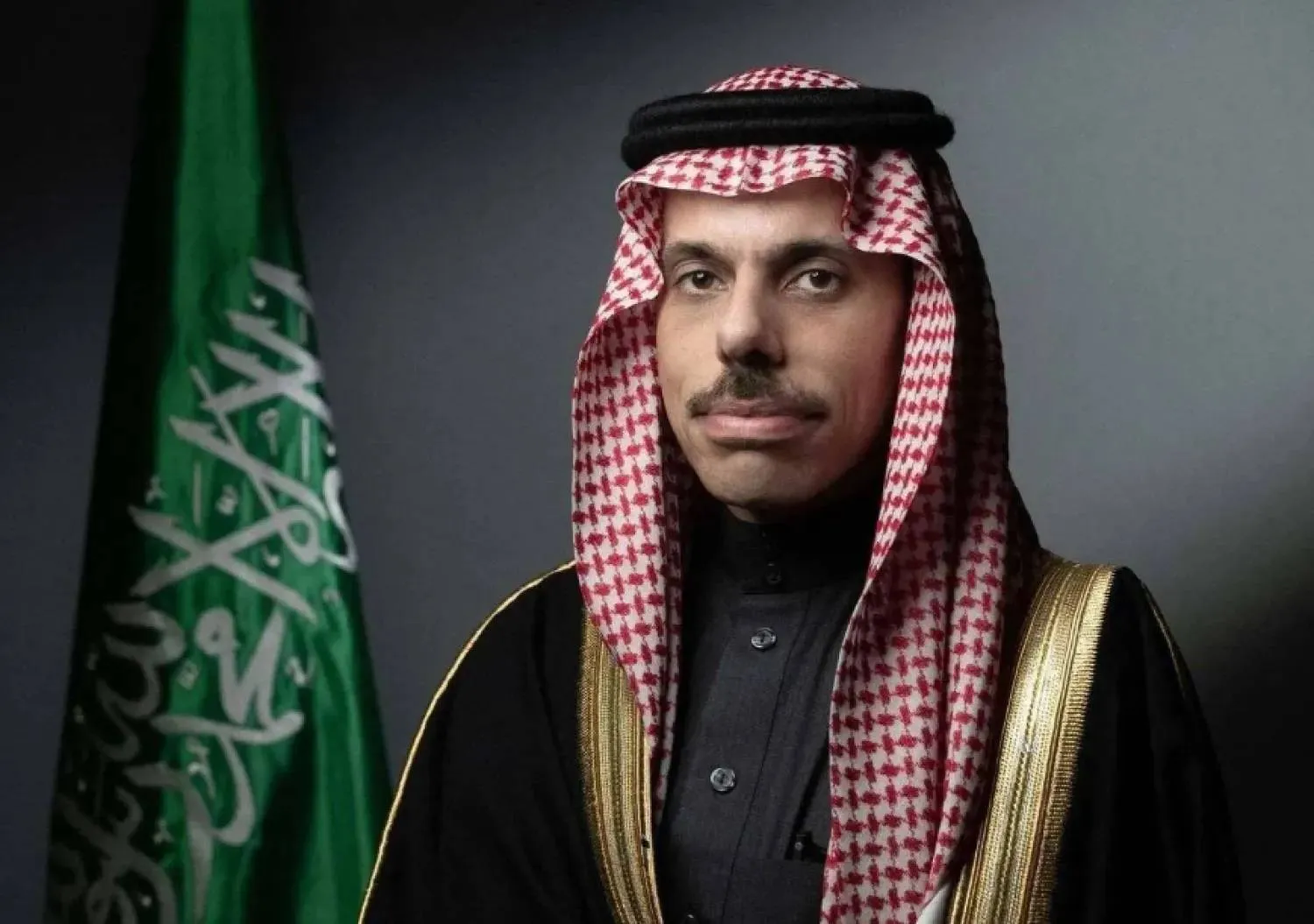
Saudi FM, Russian Counterpart Discuss Regional Developments

Saudi Minister of Foreign Affairs Prince Faisal bin Farhan bin Abdullah/File Photo
TT

Saudi FM, Russian Counterpart Discuss Regional Developments

Saudi Minister of Foreign Affairs Prince Faisal bin Farhan bin Abdullah/File Photo

Saudi Minister of Foreign Affairs Prince Faisal bin Farhan bin Abdullah held a phone call with Russian Minister of Foreign Affairs Sergei Lavrov, during which they discussed the latest developments in the region, the Saudi Press Agency said on Thursday.

The discussion comes amid heightened tensions in parts of the Middle East, prompting continued diplomatic engagement between major international stakeholders.


Gulf States Pursue IRGC, Hezbollah Cells Amid Ongoing Attacks

 Suspects identified as fugitives abroad (Bahrain’s Interior Ministry) 
Suspects identified as fugitives abroad (Bahrain’s Interior Ministry) 
TT

Gulf States Pursue IRGC, Hezbollah Cells Amid Ongoing Attacks

 Suspects identified as fugitives abroad (Bahrain’s Interior Ministry) 
Suspects identified as fugitives abroad (Bahrain’s Interior Ministry) 

Gulf Cooperation Council states are pursuing hunting down terrorist cells linked to Tehran and Lebanon’s Hezbollah, as they continue to counter Iranian attacks, intercepting more than 6,246 missiles and drones, according to the Gulf Research Center.

Monitoring by Asharq Al-Awsat shows that within 30 days, Gulf security services uncovered nine cells tied to Iran or its allies, particularly Hezbollah, across four countries: Qatar, Bahrain, Kuwait, and the UAE.

The first cell was announced in Qatar on March 3, and the latest on March 30—meaning all nine were dismantled within 27 days, or roughly one Iran-linked cell every three days.

Seventy-four suspects across nine Iranian cells

About 74 individuals were arrested or identified across the nine cells, according to official data. They include nationals of Kuwait, Lebanon, Iran, and Bahrain.

According to official statements and confessions, the suspects were involved in coordinating with operatives abroad in ways that undermine state sovereignty and endanger public safety. Charges include raising funds for attacks, plotting assassinations targeting leaders and public figures, damaging strategic interests, infiltrating national economies, and executing schemes that threaten financial stability.

They also face accusations of espionage, collecting intelligence on military and critical sites, and possessing drones and coordinates of sensitive locations.

“Exporting the revolution”

The activities and charges mirror previously uncovered Iran-linked networks in the Gulf. Gulf security specialist Dhafer Alajmi said Iran has pursued a policy of exporting its 1979 revolution, turning sleeper cells into an existential threat to Gulf states.

Gulf countries began dismantling such networks early in the current conflict. The first announced operation came less than 72 hours after the outbreak of US, Israeli, and Iranian military confrontations, reflecting heightened security vigilance.

In Bahrain, authorities uncovered three cells involving 14 individuals, including 12 detained and two identified as fugitives abroad.

In Kuwait, three cells linked to the banned Hezbollah group involved 45 individuals, some arrested and others identified overseas.

The UAE announced the dismantling of a network linked to Hezbollah and Iran comprising five members.

Qatar, the first to act on March 3, said two cells working for the Revolutionary Guards involved 10 suspects.

A three-dimensional strategy

Alajmi said Tehran relies on a three-dimensional strategy to encircle the region: local terrorist cells, recruitment within Gulf states to carry out bombings and assassinations, and regional armed proxies such as the Houthis and Hezbollah to exert missile and drone pressure.

He also pointed to “nuclear blackmail,” using nuclear facilities as cover for destabilizing activities and as leverage against the international community.

He said Gulf states have demonstrated exceptional efficiency through preemptive operations that foiled dozens of plots and uncovered weapons and explosives linked to the Revolutionary Guard.

He cited strict anti-money laundering and counterterrorism financing laws that have constrained Iran-linked networks financially, alongside defense alliances, enhanced security coordination such as the Peninsula Shield Force, and advanced air defense systems.

He added that public awareness has denied such cells a supportive environment, turning them from pressure tools into losing assets.

“An old, renewed tactic”

Bahraini writer Faisal Al-Sheikh said targeting Bahrain and the wider Gulf through terrorist cells and proxy networks is a long-standing Iranian tactic central to its proxy warfare strategy, aimed at undermining states from within and spreading instability.

He described it as a system built on recruiting agents and exploiting weak loyalties, calling it “organized betrayal.”

Lebanese political analyst Ibrahim Raihan said Tehran uses such cells to destabilize Gulf states and signal that any attack on it would trigger broader regional chaos.

Developments since the start of hostilities show Gulf forces have not only intercepted attacks in the air but are also engaged in a parallel ground campaign to dismantle Iran-linked networks operating within their borders.