

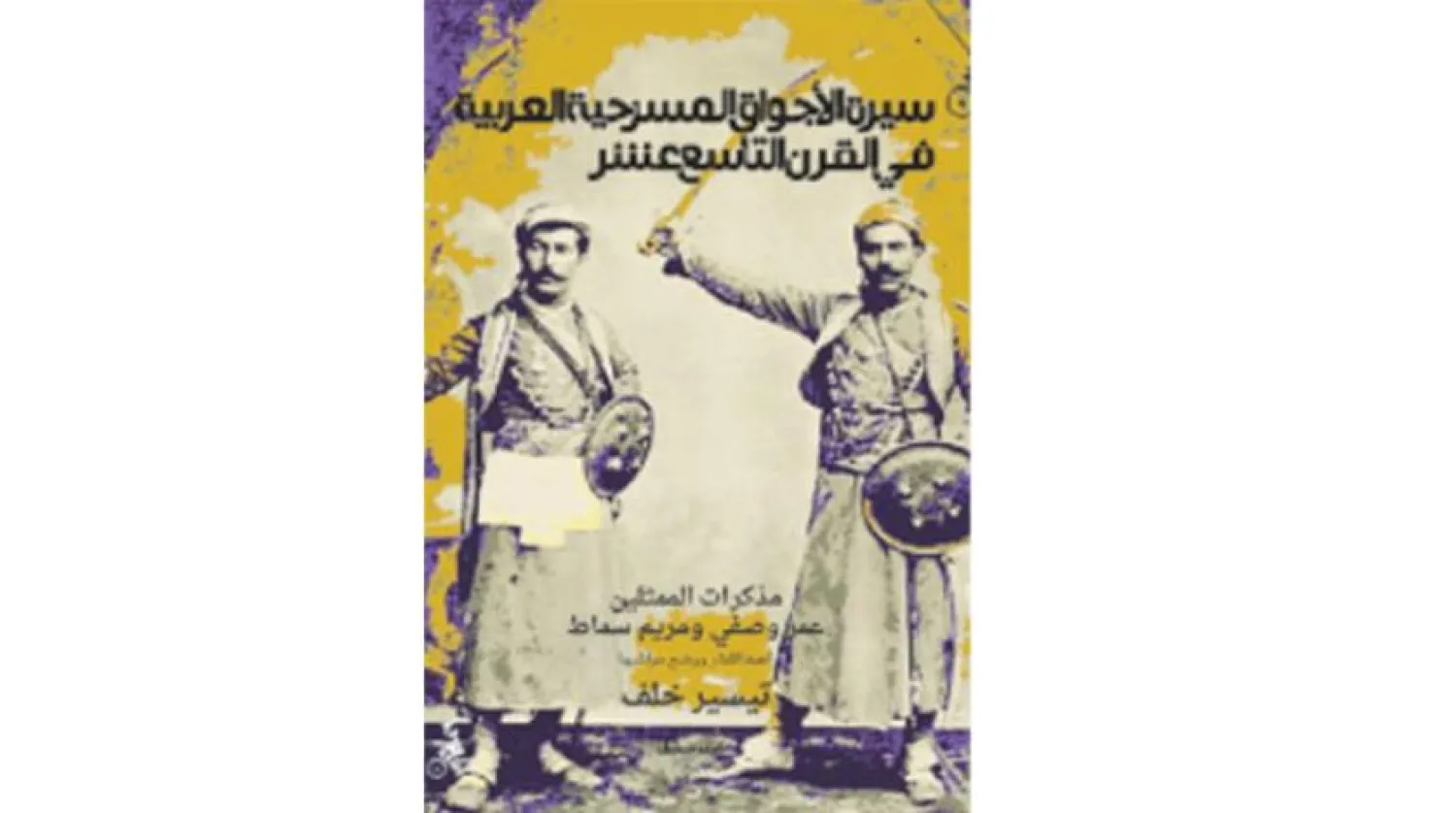

‘Biography of Arabic Theater Choirs in 19th Century,’ New Book by Taysir Khalaf

‘Biography of Arabic Theater Choirs in 19th Century,’ New Book by Taysir Khalaf
TT

‘Biography of Arabic Theater Choirs in 19th Century,’ New Book by Taysir Khalaf

‘Biography of Arabic Theater Choirs in 19th Century,’ New Book by Taysir Khalaf

Italy-based Al-Mutawassit publishing released the “Biography of Arabic Theater Choirs in 19th Century---Memoirs of Actors Omar Wasfi, Mariam al-Sammat,” a new book by novelist and researcher Taysir Khalaf.

Egyptian actor Omar Wasfi, his real name is Omar Mohammad Mikati, was born in 1874 to a conservative family from Cairo. His father was a Quran reader and the “muadin” at Al Hussein Mosque.

Marian Sammat was born in Beirut, in 1870, but her family’s origins go back to the city of Mahardah, near Hama. The harsh conditions pushed her father, a jewelry merchant to migrate to Cairo in 1888.

The title of the book in Arabic features the world “Al Ajwak”, the plural of “Jawk,” which refers to “Al-Jawk al-Masrahi,” a term used in the 19th century to refer to today’s so-called “theater choirs.”

“This book explores the artistic memoirs of Omar Wasfi and Mariam Sammat, who witnessed the emergence of professional theater choirs in Egypt during the 1880s and 1890s. It also includes two introductions that shed lights on the influence of those two leading actors in the history of the Arabic theater,” writes the publisher.

The two actors met in many important events and occasions, especially when they worked together in the “Egyptian-Syrian Jawk (theater choir) of Abu Khalil Qabbani (from 1894 to 1901). This gives the researchers in the history of Arabic theater a rare chance to compare the different stories on the foundation of Arabic theater choirs in Egypt, the circumstances that led to their end, and their merge with other choirs or reemergence under new names. The description of theater choirs doesn’t hold any ideological message, mainly because they defined their work as Arabic theater. Also, most of the choirs’ actors came from Ottoman Syria and Egypt, so they looked at Damascus, Cairo, Alexandria, Beirut, or Jaffa as different cities in one country connected by one Arabic spirit.”

Taysir Khalaf is a Syrian novelist and researcher, who was born in Syria in 1967. His works include a novel entitled “Notebooks of Leaning Shoulder” (1996), in addition to tens of books in literature, historic studies, memoirs, and investigations, such as the “Encyclopedia of Arab, Muslims Journeys to Palestine,” released in eight volumes, in 2009.


Saudi Arabia, UK Announce 2029 as Saudi-UK Year of Culture

Saudi Arabia, UK Announce 2029 as Saudi-UK Year of Culture
TT

Saudi Arabia, UK Announce 2029 as Saudi-UK Year of Culture

Saudi Arabia, UK Announce 2029 as Saudi-UK Year of Culture

The Saudi Ministry of Culture and the UK Department for Culture, Media and Sport have announced the year 2029 as the official Saudi-UK Year of Culture, reported the Saudi Press Agency on Wednesday. The announcement follows an official visit by Britain’s Prince William to Saudi Arabia this week.

For nearly a century, formal relations between Saudi Arabia and the UK and Northern Ireland have evolved into a multifaceted international relationship that has expanded across culture, education, and innovation, reflecting shared values and a mutual commitment to long-term cooperation.

In recent years, cultural exchange has emerged as a cornerstone of Saudi-British relations, driven by joint initiatives in heritage conservation, visual and culinary arts, architecture, and higher education.

This ongoing expansion of cultural exchange lays the foundation for the Saudi-UK Year of Culture 2029, a year-long program celebrating creative dialogue and the shared heritage of Saudi Arabia and the UK, while deepening cultural ties for generations to come. It will also be a great opportunity for young people in both countries to connect in new ways.

Supported by Saudi Vision 2030 and the United Kingdom’s continued promotion of cultural innovation and creativity, the Saudi-UK Year of Culture 2029 will be an important milestone for both countries.


Prince William Visits Historic, Natural Sites in AlUla Accompanied by Saudi Culture Minister

The visit reflects the depth of Saudi-British relations and their growing cooperation in culture, arts, environmental sustainability, and human capability development. (SPA)
TT

Prince William Visits Historic, Natural Sites in AlUla Accompanied by Saudi Culture Minister

The visit reflects the depth of Saudi-British relations and their growing cooperation in culture, arts, environmental sustainability, and human capability development. (SPA)

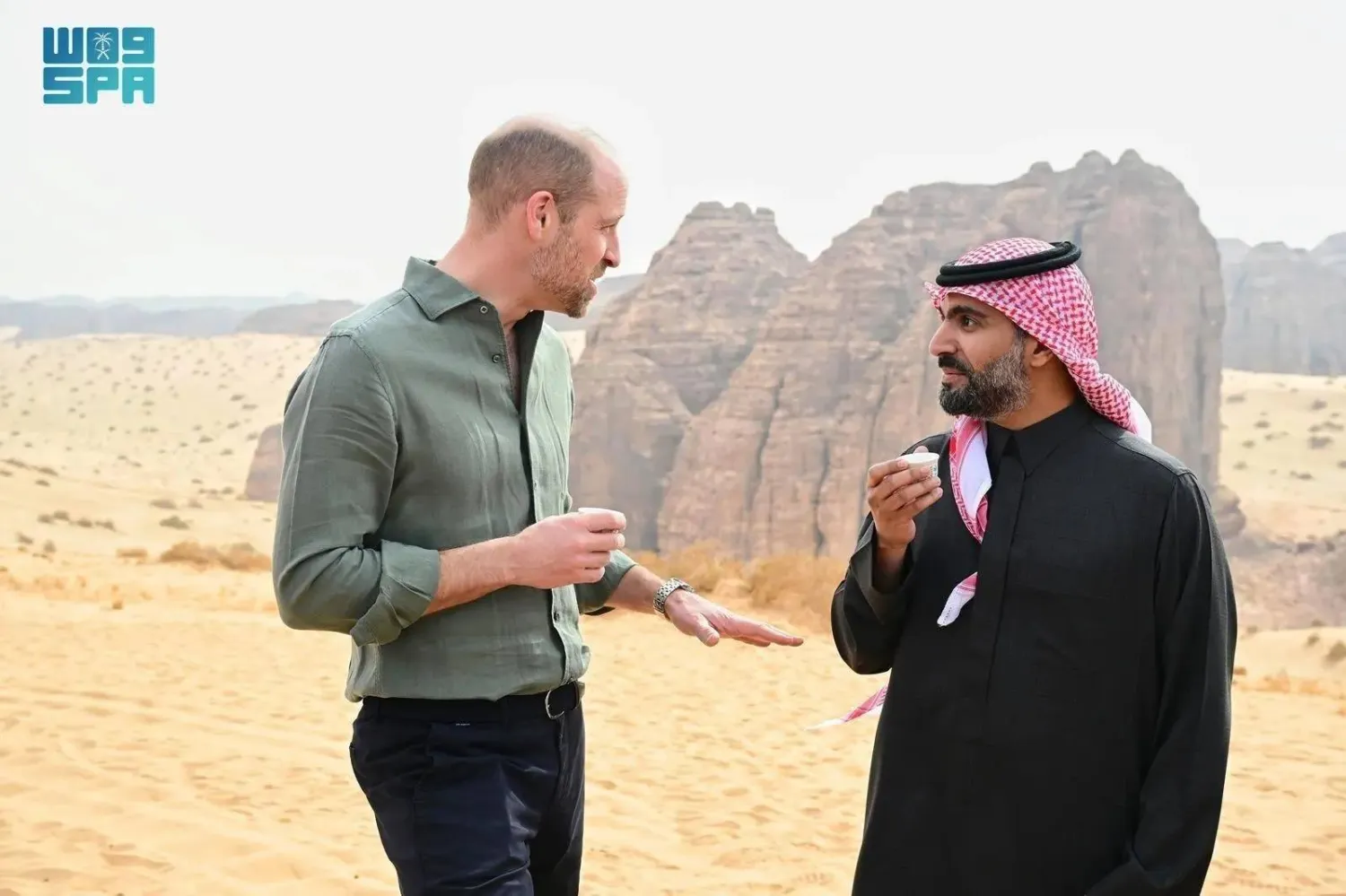
Britain’s Prince William visited a number of historic, natural, and cultural sites in Saudi Arabia’s AlUla, accompanied by Saudi Minister of Culture and Governor of the Royal Commission for AlUla Prince Bader bin Abdullah bin Farhan, reported the Saudi Press Agency on Wednesday.

The visit reflects the depth of Saudi-British relations and their growing cooperation in culture, arts, environmental sustainability, and human capability development, in line with the objectives of Saudi Vision 2030.

During his tour, Prince William reviewed a number of environmental initiatives at Sharaan Nature Reserve, including ecosystem restoration and biodiversity conservation efforts. He was briefed on programs to rehabilitate natural habitats, restore ecological balance, and reintroduce species such as the Arabian oryx and mountain ibex, contributing to long-term goals for the recovery of the Arabian leopard in its natural environment.

He received an overview of the history of AlUla Old Town and the Incense Road, and the role of culture and arts as a bridge for cultural exchange between the two countries. The visit included viewing artworks at AlUla Arts Festival 2026.

Prince William met with Saudi youths participating in joint cultural programs and initiatives between the two countries. The visit also featured a tour of AlUla Oasis Cultural District.

The visit highlighted the strategic importance of the partnership between the Royal Commission for AlUla and British cultural institutions within an organized framework of cooperation encompassing cultural, educational, and environmental entities, supporting balanced and sustainable development in AlUla and reinforcing its status as a global destination for heritage, culture, and nature.


Workshop Held to Develop Cultural Heritage Documentation, Digital Archiving Guide in Saudi Arabia

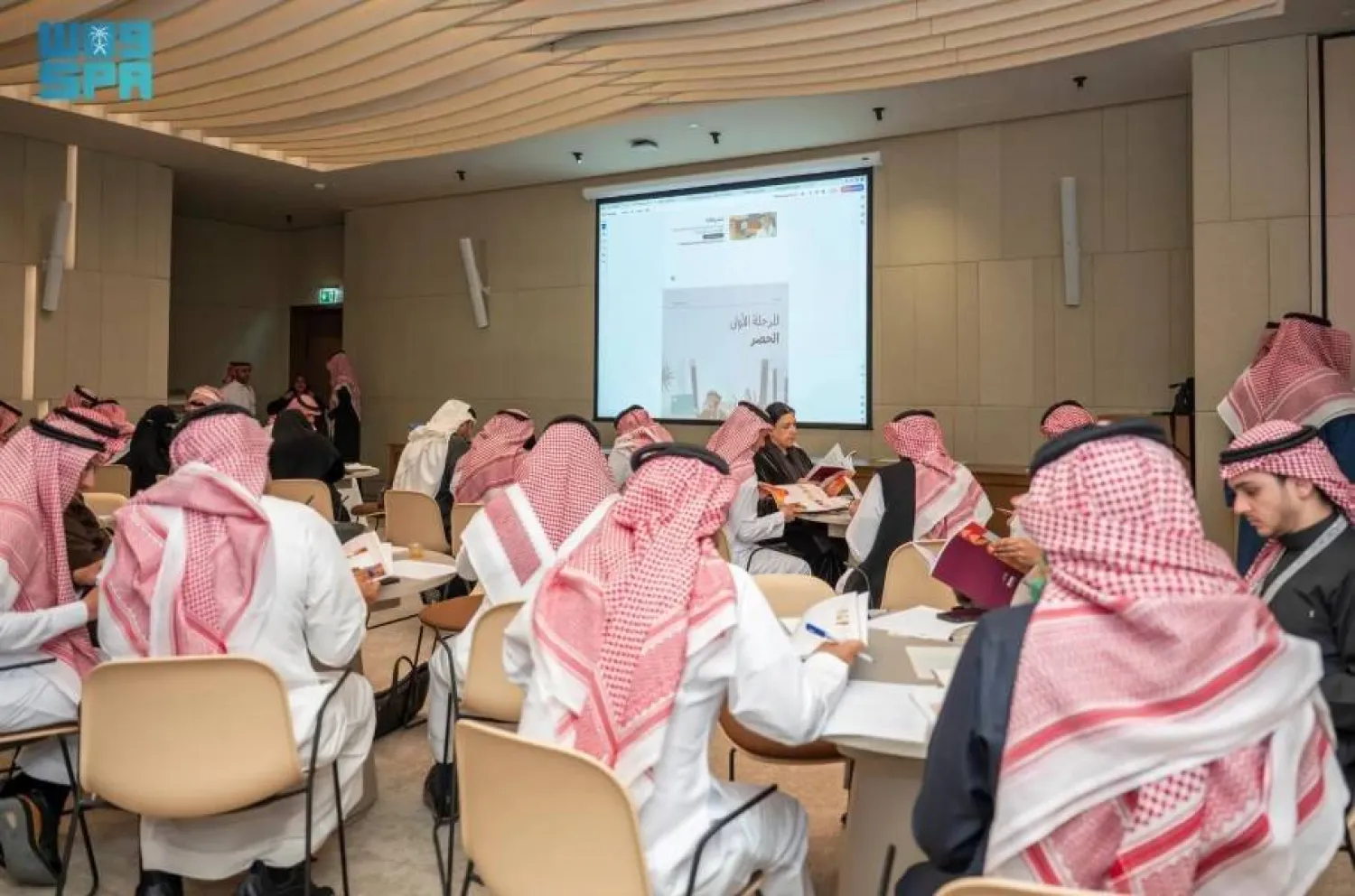
The workshop brought together representatives from relevant cultural entities, along with stakeholders, experts, and practitioners. SPA
TT

Workshop Held to Develop Cultural Heritage Documentation, Digital Archiving Guide in Saudi Arabia

The workshop brought together representatives from relevant cultural entities, along with stakeholders, experts, and practitioners. SPA

The Saudi Ministry of Culture organized a specialized workshop to review and develop the third edition of the Cultural Heritage Documentation and Digital Archiving Guide in the Kingdom.

The workshop brought together representatives from relevant cultural entities, along with stakeholders, experts, and practitioners, as part of the center’s efforts to standardize methodologies for documenting and archiving cultural heritage and to enhance institutional practices for managing national cultural memory.

The workshop forms part of the Ministry of Culture’s ongoing efforts to establish national standard frameworks for the management and digital documentation of cultural heritage, strengthen integration among entities, and equip practitioners with the necessary tools and methodologies.

These efforts reinforce the role of the Saudi cultural memory center in preserving the Kingdom’s cultural memory and support the objectives of the National Culture Strategy under Saudi Vision 2030.