


Israel Police Chief Orders Probe into NSO Spyware Claims

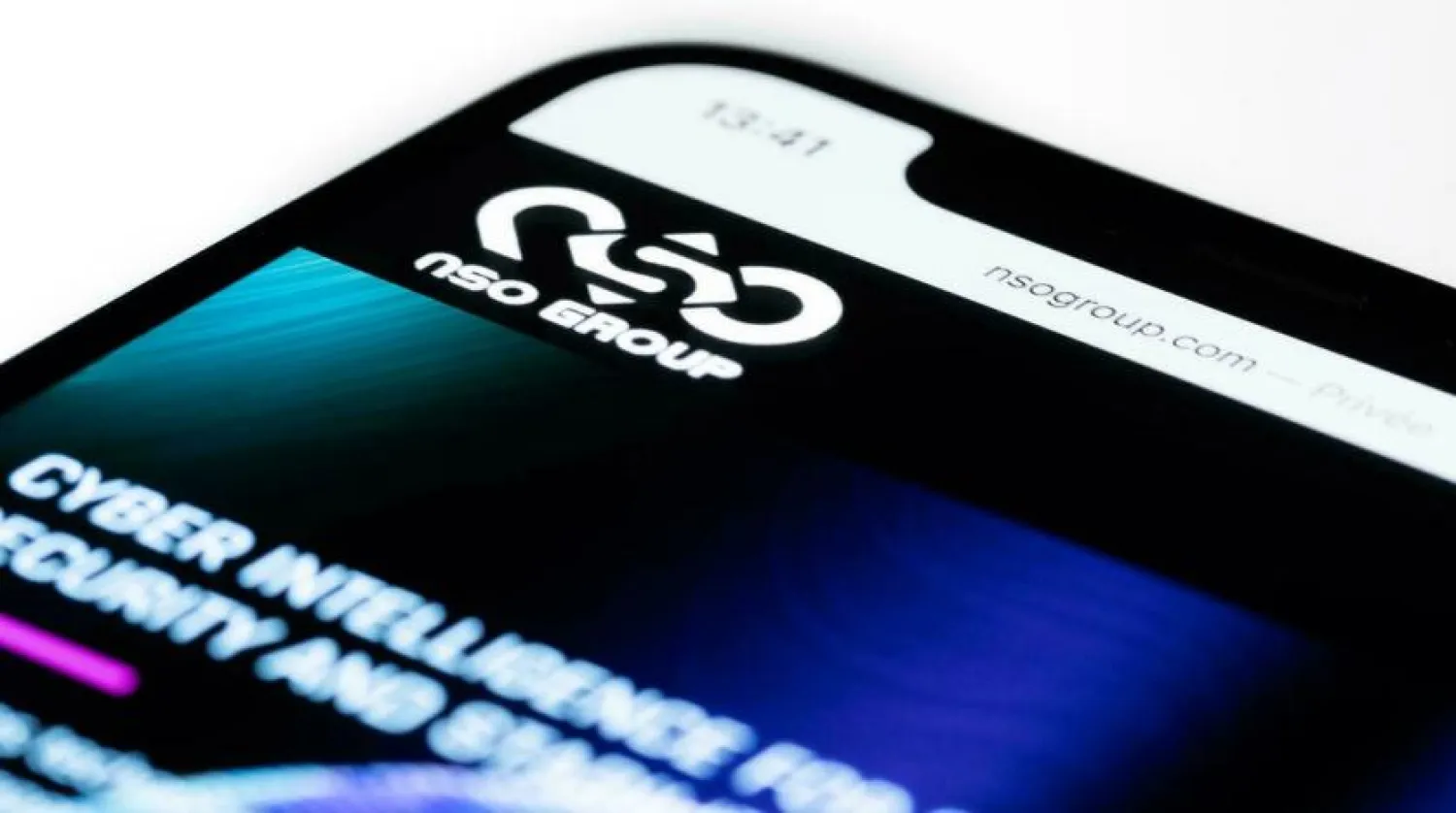
Smartphone shows the website of Israel's NSO Group which features "Pegasus" spyware. (AFP)
TT

Israel Police Chief Orders Probe into NSO Spyware Claims

Smartphone shows the website of Israel's NSO Group which features "Pegasus" spyware. (AFP)

Israel's police chief said Thursday that he had ordered an extensive investigation into a newspaper's claims that the force had used controversial Israeli spyware to hack the phones of protesters, mayors and other citizens under investigation without proper authorization.

Earlier this week a Hebrew-language business paper published an investigative report claiming that the police had used the NSO Group's Pegasus hacking software to surveil leaders of a protest movement against then-Prime Minister Benjamin Netanyahu, as well as a raft of other alleged misuses of the technology.

The police have dismissed the report as inaccurate and said they only operate according to the law, but the publication drew outcry from lawmakers and prompted multiple investigations by various Israeli authorities into the allegations. The NSO Group said it does not identify its clients.

The NSO Group, an Israeli spyware company, has faced mounting scrutiny over its Pegasus software, which has been linked to snooping on human rights activists, journalists and politicians across the globe. In November, the US Commerce Department blacklisted NSO, barring the company from using certain US technologies, saying its tools had been used to “conduct transnational repression.”

According to The Associated Press, Police Commissioner Kobi Shabtai said that immediately following the report's publication, police launched “a thorough internal investigation” that has yet to find any instances of unlawful surveillance. He called on the paper to provide “concrete details that will allow us to inspect the alleged incidents.”

Tuesday's Calcalist article didn't name any of the people whose phones were allegedly hacked, nor did it cite any current or former sources in the police, government or NSO. The report referred to eight alleged examples of the police’s secretive signal intelligence unit employing Pegasus to surveil Israeli citizens, including hacking phones of protesters, mayors, a murder suspect and opponents of the Jerusalem Pride Parade, all without a court order or a judge's oversight.

The company says its products are intended to be used against criminals and terrorists, and that it does not control how its clients use the software. Israel, which regulates the company, has not said whether its own security forces use the spyware.

Earlier this week, Israeli lawmakers called for a parliamentary investigation into the allegations, and both the attorney general and state comptroller said they were looking into the claims of misuse.

Shabtai said that “if it turns out that there were specific instances in which regulations were violated, the police under my command will work to improve and correct," pledging full transparency. At the same time, he defended the police’s lawful use of such technologies to combat crime.


WFP: Expanding Conflict Drives Record Hunger in Northern Nigeria

A soldier patrols outside burned homes, days after an attack in the village of Woro, Nigeria, Thursday, Feb. 5, 2026. (AP Photo/Pelumi Salako)
TT

WFP: Expanding Conflict Drives Record Hunger in Northern Nigeria

A soldier patrols outside burned homes, days after an attack in the village of Woro, Nigeria, Thursday, Feb. 5, 2026. (AP Photo/Pelumi Salako)

Hunger across Nigeria's conflict-hit north is at levels not seen in a decade as violence spreads and aid shrinks, the UN's World Food Program warned Thursday, with more than three million people "acutely food insecure".

The country has been battling an extremist insurgency centered in the northeast since 2009, with a resurgence in violence since 2025.

Extremists have also been expanding into the northwest, which is already facing a separate, overlapping crisis from armed "bandit" gangs.

"What concerns us most is how this crisis is expanding," WFP regional director for west and central Africa, Kinday Samba, said in a statement, noting the spread of violence "across a much wider area and forcing people from farmland, driving displacement and restricting humanitarian access".

Aid cuts under US President Donald Trump and other western countries have hit some of Nigeria's poorest households in recent years.

At the same time, the International Monetary Fund reported last month that poverty has risen under President Bola Tinubu, who has embarked on a raft of economic reforms supported by economists but which have also driven punishing inflation.

As conflict in the country's troubled north has expanded, so has the number of areas too dangerous for WFP to operate in, it said.

"The number of inaccessible locations has doubled: a further 15 areas are now considered partially inaccessible for WFP's frontline staff," it said,

Government control is scanty outside urban centers, leaving swathes of rural areas prone to attacks from armed groups.

More than 17 million people across northern Nigeria "are experiencing crisis, emergency, or catastrophic levels of hunger", WFP said.

"Nigeria's food security crisis is worsening faster than previously anticipated," it said. "Conflict is driving hunger in some northern states, particularly the northeast, to levels not seen in almost a decade".

In Borno state, the epicenter of the militants conflict, more than three million people are "acutely food insecure", including 10,000 people facing "catastrophic hunger".

But WFP's footprint is shrinking amid a donor shortfall, it said.

At the height of 2025 "lean season", when the previous year's foodstocks are running low but the current year's crops aren't ready for harvest, the agency delivered food and nutrition aid to 1.3 million people.

Amid "extreme funding shortfalls", it has projected it will reach slightly over half that number this year.


Iran Warns Oil Tankers to Use Approved Routes in Strait of Hormuz or Face a 'Forceful Response'

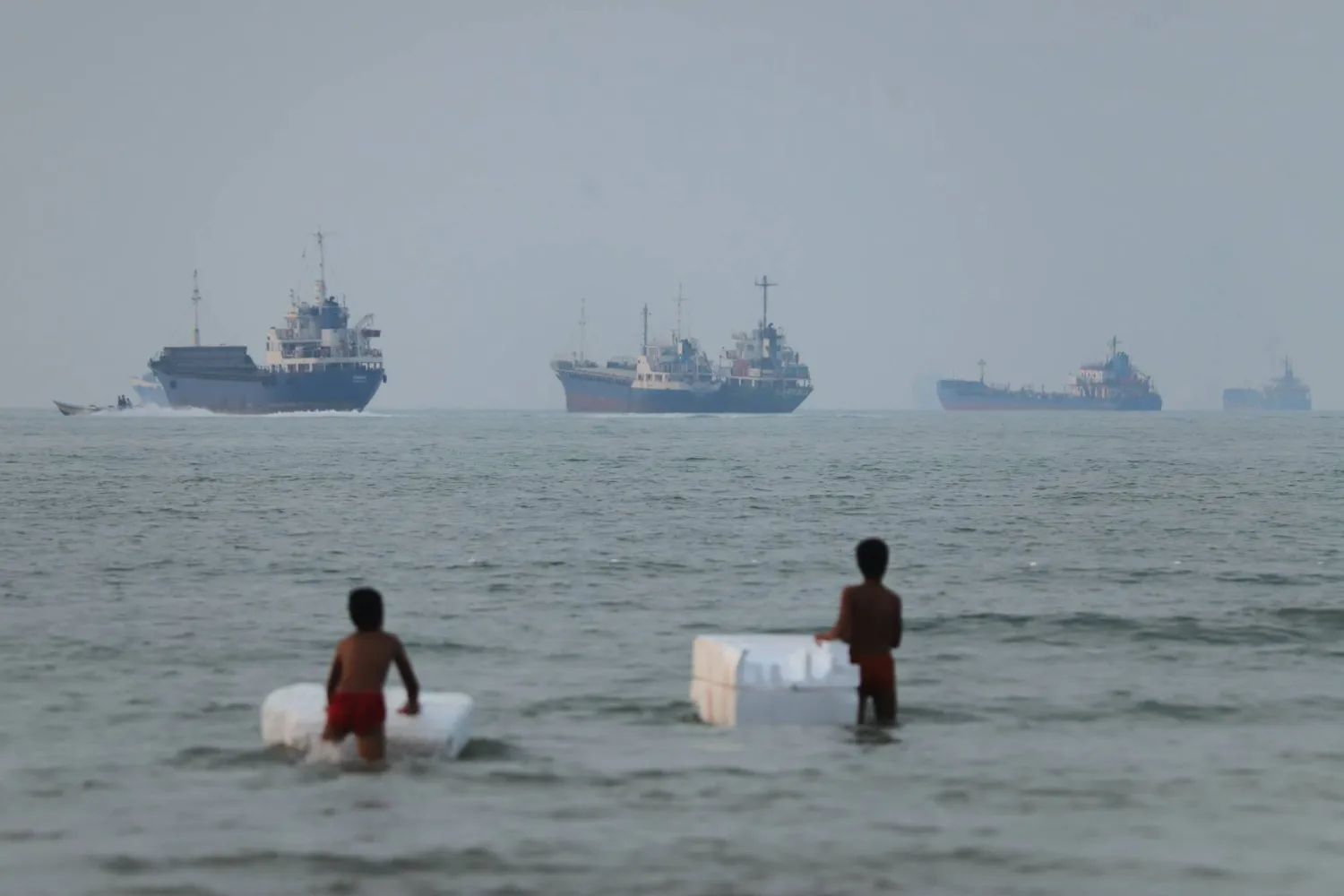
Two boys stand in shallow water with foam floats as cargo ships and other vessels are seen in the Strait of Hormuz off Bandar Abbas, Iran, Tuesday, June 30, 2026. (Amirhosein Khorgooi/ISNA via AP)
TT

Iran Warns Oil Tankers to Use Approved Routes in Strait of Hormuz or Face a 'Forceful Response'

Two boys stand in shallow water with foam floats as cargo ships and other vessels are seen in the Strait of Hormuz off Bandar Abbas, Iran, Tuesday, June 30, 2026. (Amirhosein Khorgooi/ISNA via AP)

Iran’s joint military command warned Thursday that all oil tankers moving through the Strait of Hormuz must use its approved routes or face a “forceful response,” again ratcheting up tensions over a waterway crucial for international energy supplies.

The strait, the narrow mouth of the Arabian Gulf, has emerged as one of the top issues in negotiations to reach a permanent end to the Iran war. The statement from the Khatam al-Anbiya military command, reported by Iranian state television, comes after both US and Iranian diplomats met with mediators on Wednesday in Qatar, The Associated Press said.

It wasn’t immediately clear what sparked the threat from Iran. However, the US military's Central Command had put out a statement about having a meeting with officials from Mideast nations in Bahrain that said “leaders underscored their shared commitment to the free flow of commerce through the Strait of Hormuz.”

“Any failure to comply, deviation from the designated route, or disregard for the navigation protocols of the Islamic Republic of Iran in the Strait of Hormuz will be met with an immediate and forceful response from the armed forces, endangering the security of the violating vessels,” the Iranian statement said.

It also said the continued presence of US fighter jets over the strait “causes insecurity in this waterway and threatens regional security.”

“Any attempt by the United States to interfere in security matters or any disruptive action in the Strait of Hormuz will be considered a threat to Iran’s national sovereignty and will be met with a rapid and decisive reaction,” the Iranian warning added.

Iran and the United States agreed as part of an interim deal to allow ships to pass without paying charges for 60 days. But Tehran insisted it must control the routes of the vessels and later charge fees for passage, upending decades of practice in the waterway.

An effort by Oman and a United Nations agency to launch a new route near Oman’s shore sparked attacks across the Mideast last weekend, highlighting the tensions.


Iran Warns US against Interference in Strait of Hormuz

Cargo vessel anchored in the Strait of Hormuz (AP)
TT

Iran Warns US against Interference in Strait of Hormuz

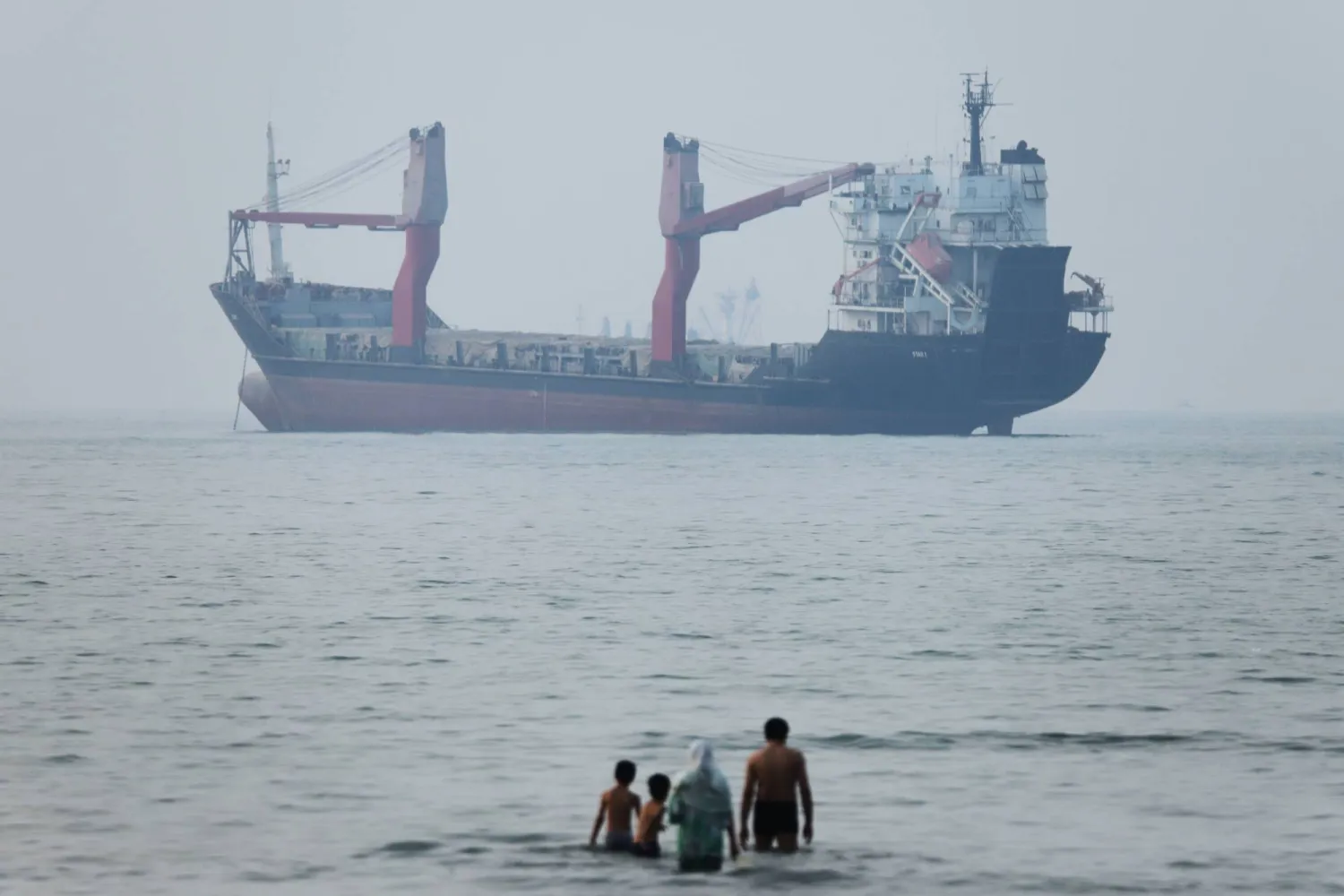
Cargo vessel anchored in the Strait of Hormuz (AP)

Iran said on Thursday that any US interference in the Strait of Hormuz would trigger a "decisive and ‌rapid" ‌response, adding ‌that ⁠the continued presence of US ⁠air assets across the waterway endangered regional security, state media ⁠reported.

Khatam al-Anbiya ‌Central ‌Headquarters, which coordinates Iran's ‌armed forces ‌operations, said all tanker and commercial vessels must follow ‌routes designated by Tehran for ⁠safe ⁠passage through the strait, adding that deviations or failure to comply with navigation protocols would face an immediate response.