WEF President: New Technologies Key to Fighting Climate Change

Brende Told Asharq Al-Awsat ‘Global Cooperation’ Biggest Lesson of the Pandemic

 Børge Brende says the greatest lesson of the pandemic has been that global cooperation is a necessity.
Børge Brende says the greatest lesson of the pandemic has been that global cooperation is a necessity.
TT

WEF President: New Technologies Key to Fighting Climate Change

 Børge Brende says the greatest lesson of the pandemic has been that global cooperation is a necessity.
Børge Brende says the greatest lesson of the pandemic has been that global cooperation is a necessity.

From fighting climate change, to building an inclusive post pandemic economic model and managing migratory flows, the President of the World Economic Forum highlights the importance of ‘Global Cooperation’.

In an interview with Asharq Al-Awsat, on the sidelines of this year’s “Davos Agenda” week, Børge Brende warned of the high cost of climate inaction, and emphasized the need to decouple future energy growth from that of CO2 emissions. He added that the Middle East has a unique opportunity to position itself at the heart of global climate efforts, hailing the Saudi Green Initiative and the Middle East Green Initiative as vital components of global efforts to reduce emissions.

Despite growing tensions on the international stage, Brende displayed cautious optimism, saying there were “signs that key actors are looking for opportunities to work together”.

The Global Risks Report identified ten most pressing risks, many of them were climate related. Do you worry that the progress seen in COP26 might lose its momentum?

Climate concerns come through clearly in the World Economic Forum’s Global Risks Report this year, as the costs of climate inaction are high. We are faced with real challenges. We need to decouple future energy growth from growth in CO2 emissions — and at the same time secure sufficient electricity for the 700 million on our planet that don’t even have access to basic electricity. New technologies such as carbon capture and storage and renewables will play a major role in this puzzle.

Many countries in the Middle East have announced ambitious climate friendly policies, with Saudi Arabia leading the way with a zero-emission target by 2060. How do you view these commitments?

The Saudi Green Initiative and the Middle East Green Initiative are vital components of global efforts to reduce emissions. The hope is that the clear economic advantages of investing in green emerging technologies early, combined with the devastating costs of climate inaction, will spur all nations to accelerate their energy transitions. In this respect, the fact that the region is to host the two upcoming COP meetings—in Egypt in 2022 and the UAE in 2023—is a unique opportunity for the Middle East to position itself at the heart of global climate efforts, especially considering that it is projected to be one of the most affected by global warming.

It is so important that we take meaningful action now. Only by protecting our planet and people today, will we advance our shared prosperity tomorrow. The Forum is working to launch a community of government and business leaders to drive action on sustainability in the Middle East, where we hope Saudi Arabia will play a leading role.

This year’s Davos Agenda takes place in a difficult geopolitical atmosphere, with rising tensions between the West and Russia on the one hand, and the West and China on the other. Are we witnessing the precursors of a new cold war?

Geopolitical tensions are a concern, especially at a time when the world is more interconnected and interdependent than ever before.

But while I am realistic about the geopolitical landscape, I am also optimistic because there are signs that key actors are looking for opportunities to work together.

For instance, this week at the Davos Agenda, China’s President Xi Jinping said, “The right way forward for humanity is peaceful development and win-win cooperation.” And late last year, we saw the US and China release a joint statement after COP26 pledging “firm commitment to work together” to achieve the aims of the 2015 Paris Agreement.

As the international organization for public-private cooperation, the World Economic Forum serves as platform for dialogue among global leaders. The fact that over 80 leaders from the public and private sectors joined the Davos Agenda this week is testament to the strong desire for collaboration in addressing the climate crisis, pandemic, and economic challenges, among other issues.

The pandemic, which brought the world to a halt is hopefully on its way out, despite the raging Omicron wave. Has the world as a collective learnt anything from the biggest health crisis in a century?

The greatest lesson of the pandemic has been that global cooperation is a necessity.

The miraculous speed at which safe and effective vaccines were developed—in under a year—was the result of research institutions, pharmaceutical companies, and governments aligning their objectives and working together. The BioNTech/Pfizer vaccine is made up of 280 components from 19 different countries. This is a clear example of public-private cooperation at work.

Hopefully we will heed this lesson and work with one another to address shared challenges and unlock opportunities. Technology is one area where there is enormous potential. If actors work together, artificial intelligence, for instance, can boost GDP by 4.4% this decade and at the same time reduce greenhouse gas emissions by 4.0%, according to PwC.

Excessive debts, staggering inflation, slow growth… The economic picture causes worry around the world. Are these temporary consequences of the pandemic in your view, or symptoms of a fundamental economic problem?

In 2020, the global economy contracted by 3.1%, causing devastation for many communities. While global growth is expected to be 5.9% for last year, the International Monetary Fund downgraded initial projections of 6.0%, warning of divergent recoveries across countries and industries. So, while some countries are on the road toward recovery, lower income economies are still at risk.

The World Economic Forum has long called for a more inclusive and sustainable economic model, and we have championed Stakeholder Capitalism – the idea that business should account for the interests of all stakeholders in society.

The growing popularity of this way of thinking is reflected by our Stakeholder Capitalism Metrics initiative, which offers a universal set of stakeholder capitalism practices that companies can use and report on. Launched in 2020, over 100 companies have already shown support for the initiative and over 50 companies included the metrics in their 2020-2021 reporting materials.

And earlier this year, the Forum brought together leading technology and financial companies, along with government entities, to launch the EDISON Alliance. This first-of-its-kind platform is working to foster affordable digital access for everyone by 2025.

Cyber security is another risk associated with this year’s forecast. How can countries regulate the cyber space, and do we need a new international body to govern it?

We have become increasingly dependent on digital systems globally in recent years, a trend which has only accelerated during the pandemic. However, at the same time, cyber-crime has also surged. According to the World Economic Forum’s new report, The Global Cybersecurity Outlook 2022, ransomware attacks rose by 151% in 2021, and there were on average 270 cyberattacks per organization during this same year - a 31% increase on 2020.

The best way to address these challenges is through collaborative efforts—between companies, policymakers, and regulators. Over 90% of respondents to a recent survey we conducted of 120 global cyber leaders pointed to receiving actionable insights from external information sharing groups.

To this effect, our Center for Cyber Security works on heightening cyber-security cooperation between key stakeholders, from both the public and private sectors. Our Network of Centers for the Fourth Industrial Revolution— active in 15 countries and growing—brings together governments, leading companies, civil society, and innovators to address these types of challenges around technology adoption and governance.

Migration has resurfaced as a contentious subject in many countries, despite the growing need for employees and trained workers. Is this a manifestation of identity politics, or a wider issue?

Over the last decade, the number of international migrants has grown consistently, from 221 million people in 2010 to 281 million in 2020. Economic hardship, climate change, conflict and political instability are some of the driving factors. The increasing risk of climate change related displacement may only aggravate the issue over the coming years. These trends are reflected in the Global Risks Report, where “involuntary migration” is ranked as a top long-term concern.

Accordingly, better international collaboration around the management of migratory flows is vital. More efficient and orderly channels for migration—including coherent legal and policy frameworks, cross-border cooperation and alignment, and better enforcement against smuggling operations—could prompt closer political ties and collaboration between countries on this sensitive and complex issue.
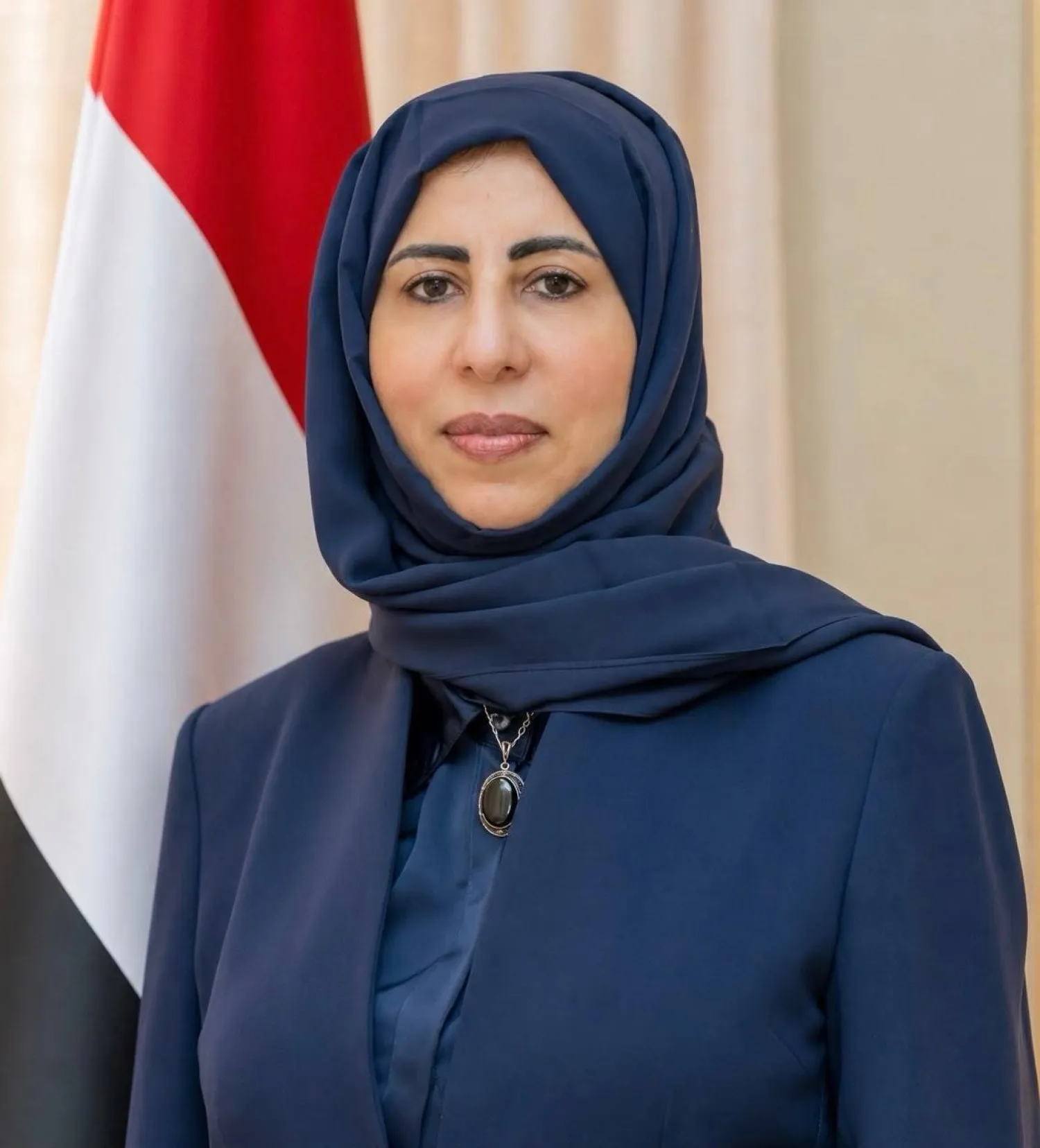
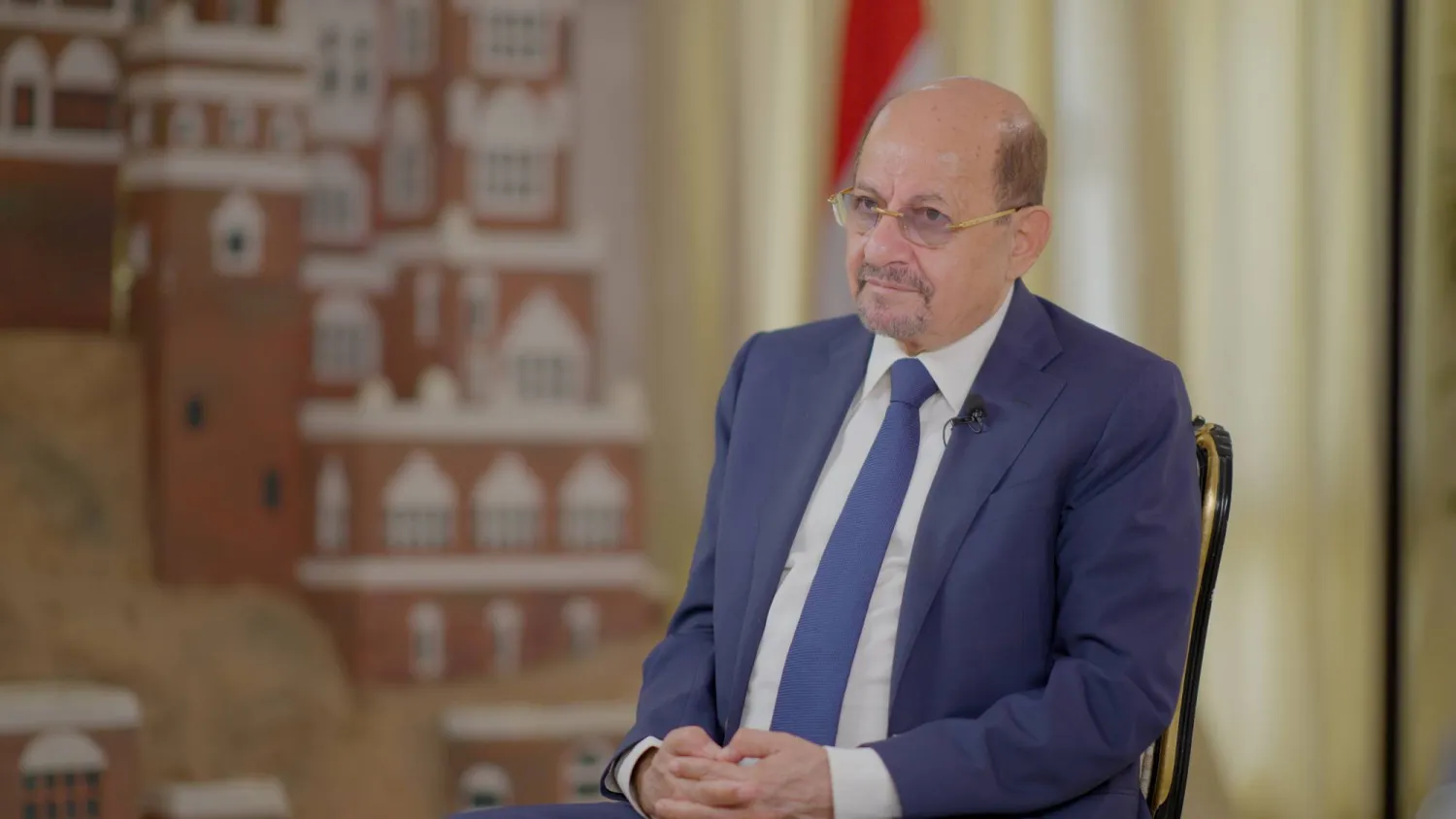
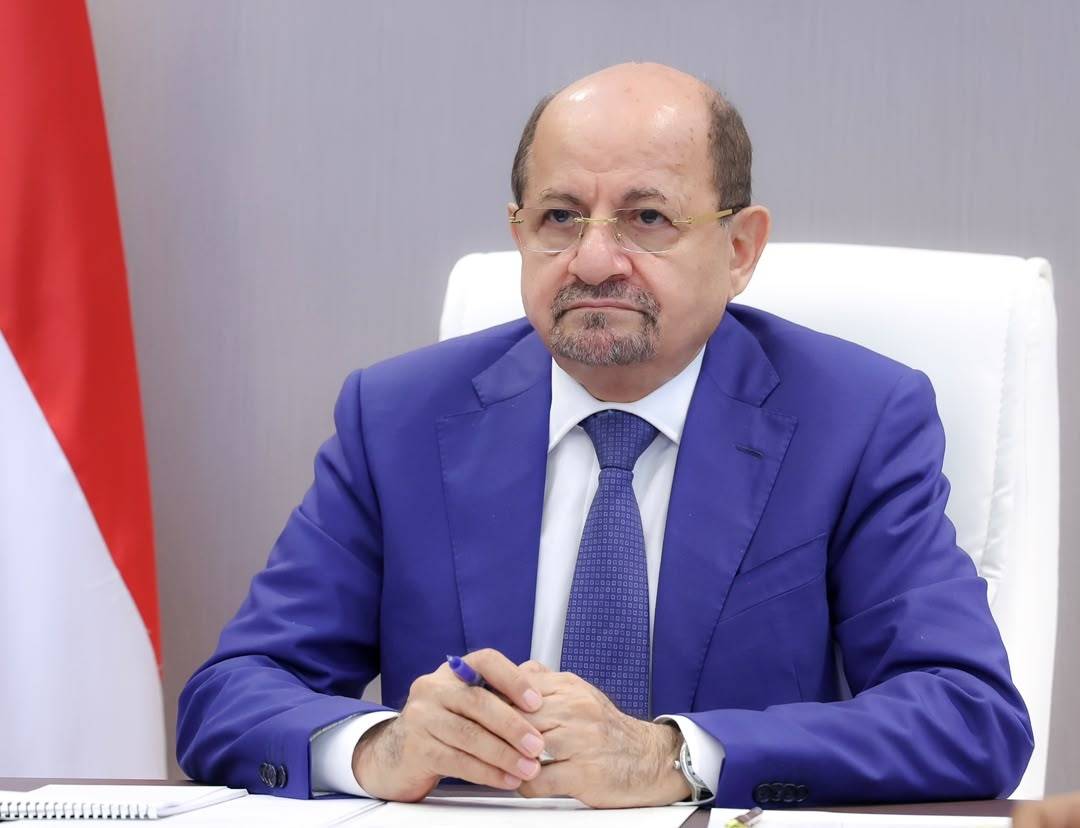
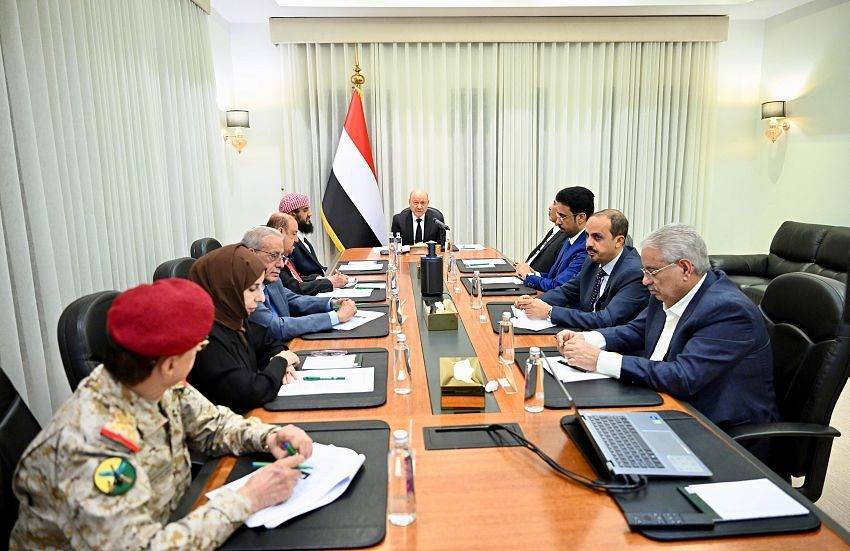
President of Madagascar to Asharq Al-Awsat: Three-Pillar Economic Plan to Revive the Country

President of Madagascar Michael Randrianirina (Presidency)
TT

President of Madagascar to Asharq Al-Awsat: Three-Pillar Economic Plan to Revive the Country

President of Madagascar Michael Randrianirina (Presidency)

President of Madagascar Michael Randrianirina said his country views Saudi Arabia as its “main partner” in the phase of “refoundation” and in building a new development model, revealing to Asharq Al-Awsat a three-pillar economic plan aimed at restoring political and institutional stability, activating structural sectors, and improving the business environment to attract investment, with a focus on cooperation in mining and natural resources, including rare minerals.

In his first interview with an Arab newspaper since assuming office in October, Randrianirina said in remarks delivered via Zoom from his presidential office that Madagascar “possesses real potential in energy, agriculture, mining, tourism, and human capital,” stressing that driving national revival requires consolidating institutional stability and building balanced partnerships with countries such as Saudi Arabia in order to translate potential into tangible outcomes for citizens and youth.

Three-Pillar Economic Plan

The president explained that his plan is based on three main pillars. The first focuses on restoring political and institutional stability through a clear transitional roadmap, the establishment of an executive body to manage and review projects, and the formation of a supporting committee to ensure an orderly and transparent transition.

The second pillar centers on investment in structural sectors, including energy, ports, digital transformation, health, and mining, in partnership with Saudi Arabia and other partners, with the aim of removing the main obstacles to economic revival.

The third pillar, he said, targets creating an attractive environment for investors by improving the business climate, strengthening public-private partnerships, activating special economic zones, and leveraging regional frameworks such as the African Continental Free Trade Area (AfCFTA) and the Southern African Development Community (SADC) to open broader African markets through Madagascar.

Strategic Partnership and “Investment-Ready” Projects

On plans to enhance economic, investment, and trade cooperation between Saudi Arabia and Madagascar, Randrianirina said his objective is to build a long-term strategic partnership within a clear institutional framework and through flagship projects with tangible impact for both countries.

He proposed the creation of a joint Madagascar–Saudi investment body, to be known as “OIMS,” to coordinate and finance projects in energy, ports, health, digital governance, mining, agriculture, and tourism. He noted that Madagascar is simultaneously preparing a package of investment-ready projects aligned with Saudi Vision 2030 and Africa’s regional integration, in order to provide organized and secure opportunities for Saudi capital and expertise.

Saudi Arabia as the “Main Partner”

Randrianirina emphasized that Madagascar considers Saudi Arabia a key partner in priority sectors. In energy and refining, he said the country plans to establish a national oil refinery, supply fuel directly from the Kingdom, and jointly develop heavy oil resources in western Madagascar.

In ports and logistics, he pointed to efforts to modernize and expand the ports of Toliara and Mahajanga to position Madagascar as a logistics and energy hub in the Indian Ocean.

Regarding digital transformation and secure governance, he said Madagascar aims to launch a secure national digital platform for public administration and security, drawing on Saudi experience.

He also highlighted mining and natural resources, including rare minerals, as a cornerstone of cooperation, with the goal of improving valuation and ensuring traceability of Malagasy gold and other mineral resources in a transparent and mutually beneficial manner. He further expressed interest in the health sector, proposing the establishment of a royal health complex in Antananarivo, followed by a gradual expansion of similar facilities in other regions.

Planned Visit to Riyadh

The President said Madagascar is working with Saudi authorities to arrange an official visit in the near future, with the date to be determined in coordination with the Kingdom.

He described the visit as an important opportunity to meet and engage with Crown Prince Mohammed bin Salman, noting that Vision 2030 has brought about a qualitative transformation in the Kingdom’s image and economic trajectory. He said Saudi Arabia has strengthened its role as a major player in economic modernization, energy diversification, digital transformation, and global investment, while maintaining its central role in the Arab and Islamic worlds.

He added that the reforms and major projects achieved under the vision are a source of inspiration for Madagascar’s refoundation efforts, expressing a desire to benefit from the Saudi experience in areas including energy, infrastructure, digital transformation, health, and natural resource development.

The president said he hopes the visit will include meetings with the Custodian of the Two Holy Mosques King Salman bin Abdulaziz and Crown Prince Mohammed bin Salman, as well as sectoral meetings covering energy, ports, digital transformation, health, mining, defense and security, trade, culture, and sports, alongside discussions on establishing the joint investment body.

Historical Links with the Arab World

Randrianirina noted that Madagascar had historical links with the Arab world prior to the arrival of Western powers, explaining that Arab sailors, traders, and scholars reached its coasts and left their mark on certain languages, place names, and customs.

Three Major Challenges

The president acknowledged three main challenges facing his country: poverty and food insecurity, lack of infrastructure, and weak institutions. He said a large segment of the population still lives in poverty and that food security is not guaranteed in several regions, stressing that addressing these challenges requires investment in agriculture and rural infrastructure and the search for partners to support sustainable value chains that improve farmers’ incomes.

On infrastructure, he said the capacity of the energy and port sectors remains insufficient, hindering growth and trade, noting that upcoming discussions with Saudi Arabia focus on projects such as the refinery, heavy oil development, the ports of Toliara and Mahajanga, and digital infrastructure. He added that repeated crises have weakened institutions, and that his government is working to strengthen the rule of law, anti-corruption mechanisms, and public investment governance through independent oversight and transparent reporting to restore trust.

Combating Corruption

The President said financial corruption is a serious problem in Madagascar as it undermines public trust and diverts resources away from development. He explained that the anti-corruption strategy is based on three levels: establishing an executive body with clear procedures, independent audits, and periodic reporting; using digitalization to improve traceability and reduce misuse; and strengthening anti-corruption bodies while supporting judicial independence.

When asked about allegations of financial corruption linked to the previous leadership, he said his focus is on institutions rather than personal accusations, stressing that addressing any allegations falls under the jurisdiction of the competent judicial and oversight bodies, which must be protected from political interference and allowed to operate in accordance with the law and due process.

Duty to the Country and Its Youth

The president concluded by saying that he assumed office out of a sense of duty toward the country and its youth, noting that young people represent a significant demographic weight in Madagascar and are demanding change, dignity, and a better future through jobs, education, stability, and opportunities within their own country.


Microsoft President: Saudi Arabia is Moving from Exporting Oil to Exporting Artificial Intelligence

Naim Yazbeck, President of Microsoft for the Middle East and Africa (Microsoft) 
TT

Microsoft President: Saudi Arabia is Moving from Exporting Oil to Exporting Artificial Intelligence

Naim Yazbeck, President of Microsoft for the Middle East and Africa (Microsoft) 

As Saudi Arabia accelerates its national transformation under Vision 2030, the region’s technology landscape is undergoing a decisive shift. For the first time, “the region is not merely participating in a global transformation, it is clearly leading it,” said Naim Yazbeck, President of Microsoft for the Middle East and Africa, in an interview with Asharq Al-Awsat.

Yazbeck argued that Saudi Arabia now stands at the forefront of what he called “a historic turning point not seen in the past century,” defined by sovereign cloud infrastructure, artificial intelligence, and national innovation capabilities.

He noted that Saudi Arabia’s rapid progress is driven by clear political will, explaining that the state is not simply modernizing infrastructure, but views AI as a strategic pillar comparable to the historical role of oil. While oil underpinned the economy for decades, AI has emerged as the new resource on which the Kingdom is staking its economic future.

According to Yazbeck, the recent visit of Crown Prince and Prime Minister Mohammed bin Salman to the United States underscored this shift, with AI and advanced technologies taking center stage in discussions, reflecting Saudi Arabia’s intent to build a globally influential knowledge economy.

This direction marks the start of a new phase in which the Kingdom is no longer a consumer of imported AI technologies but a developer of local capabilities and a producer of exportable knowledge, strengthening technological sovereignty and laying the foundation for an innovation-driven economy.

A Distinctive Tech Market

Yazbeck stressed that the regional landscape, especially in Saudi Arabia, is witnessing an unprecedented shift. Gulf countries are not only deploying AI but also developing and exporting it. The Kingdom is building advanced infrastructure capable of running large-scale models and providing massive computing power, positioning it for the first time as a participant in global innovation rather than a mere technology importer.

He pointed to a common sentiment he encountered in recent meetings across Riyadh’s ministries, regulatory bodies, national institutions, and global companies: “Everyone wants to be ahead of AI, not behind it.” Ambition has translated into action through revised budgets, higher targets, and faster project timelines.

He added that Saudi institutions now demand the highest standards of data sovereignty, especially in sensitive financial, health, and education sectors. The regulatory environment is evolving rapidly; Saudi Arabia has modernized its cybersecurity, data governance, cloud, and AI frameworks faster than many countries worldwide, turning regulatory agility into a competitive asset.

Yazbeck emphasized that success is not measured by the number of AI projects but by their alignment with national priorities, productivity, healthcare, education, and cybersecurity, rather than superficial, publicity-driven initiatives.

The ‘Return on Investment’ Equation

According to the Microsoft official, building an AI-driven economy requires more than advanced data centers. It begins with long-term planning for energy production and the expansion of connectivity networks. He further said that running large models demands enormous electrical capacity and long-term stability, which the Kingdom is addressing through strategic investments in renewable energy and telecommunications.

Yazbeck said return on investment is a central question. Nationally, ROI is measured through economic growth, job creation, higher productivity, enhanced innovation, and stronger global standing. At the institutional level, tangible results are already emerging: with tools such as Copilot, employees are working faster and with higher quality, shedding routine tasks and redirecting time toward innovation. The next phase, he added, will unlock new business models, improved customer experiences, streamlined operations, and higher efficiency across sectors.

Sovereignty and Security

Digital sovereignty is now indispensable, Yazbeck said. Saudi Arabia requires cloud providers to meet the highest accreditation standards to host sensitive national systems, which are criteria Microsoft is working to fulfill ahead of launch. Once the new cloud regions in Dammam go live, they will become part of the Kingdom’s sovereign infrastructure, requiring maximum protection.

Microsoft invests billions annually in cybersecurity and has repelled unprecedented cyberattacks, an indicator of the threats national infrastructure faces. The company offers a suite of sovereign cloud solutions, data-classification tools, and hybrid options that allow flexible operation and expansion. Yazbeck noted that sovereignty is not a single concept but a spectrum that includes data protection, regulatory control, and local hosting all play critical roles.

Data: The Next Source of Advantage

Yazbeck identified data as the decisive factor in AI success. He warned that any model built on unclean data becomes a source of hallucinations. Thus, national strategy begins with assessing the readiness of Saudi Arabia’s data landscape.

He revealed that the Kingdom, working with SDAIA, the Ministry of Communications, and national companies, is constructing a vast, high-quality data ecosystem, laying the groundwork for competitive Arabic language models.

He also called for a robust framework for responsible AI, saying that speed alone is not enough. He stressed that safe and trustworthy use must be built from the start, noting that Microsoft is collaborating with national bodies to craft policies that prevent misuse, protect data, and ensure fairness and transparency.

Skills: A National Advantage

Human capability is the true engine of national power; Yazbeck underlined, pointing that infrastructure means little without talent to run and advance it. He stated that Saudi youth represent the Kingdom’s greatest competitive advantage.

Microsoft has trained more than one million Saudis over the past two years through programs with SDAIA, the Ministry of Communications, the Ministry of Education, and the MISK Foundation. Its joint AI Academy has graduated thousands of students from over 40 universities, and it has launched broad programs to train teachers on AI tools in education.


El-Mahboub Abdul Salam to Asharq Al-Awsat: Al-Turabi Was Shocked by Deputy’s Role in Mubarak Assassination Plot

Dr. El-Mahboub Abdul Salam speaks to Asharq Al-Awsat. (Asharq Al-Awsat)
TT

El-Mahboub Abdul Salam to Asharq Al-Awsat: Al-Turabi Was Shocked by Deputy’s Role in Mubarak Assassination Plot

Dr. El-Mahboub Abdul Salam speaks to Asharq Al-Awsat. (Asharq Al-Awsat)

This happens only in thrillers. A religious leader summons an obscure army officer and meets him for the first time two days before a planned coup. He appoints him president with an unprecedented line, “You will go to the palace as president, and I will go to prison as a detainee.”

That is what happened on June 30, 1989. The officer, Omar al-Bashir, went to the presidential palace while security forces took Dr. Hassan Al-Turabi to the notorious Kober Prison along with other political leaders.

Al-Turabi’s “ruse” aimed to conceal the Islamic nature of the coup so that near and distant governments would not rush to isolate it. Intelligence agencies in neighboring states, including Egypt, fell for the deception and assumed that Bashir had seized power at the head of a group of nationalist officers. Cairo recognized the new regime and encouraged others to follow.

This happens only in stories. A young man landed at Khartoum airport carrying a passport that said his name was Abdullah Barakat. He arrived from Amman. One day he would knock on Al-Turabi’s office door, though Al-Turabi refused to see him.

Soon after, Sudanese security discovered that the visitor was a “poisoned gift,” in Al-Turabi’s words. He was the Venezuelan militant known as Carlos the Jackal, a “revolutionary” to some and a “notorious terrorist” to others.

He led the 1975 kidnapping of OPEC ministers in Vienna under instructions from Palestinian militant Dr. Wadie Haddad, an architect of aircraft hijackings. One night, and with the approval of Al-Turabi and Bashir, French intelligence agents arrived in Khartoum. Carlos awoke from sedatives aboard the plane taking him to France, where he remains imprisoned for life.

Bashir’s government was playing with explosives. In the early 1990s, it also hosted a prickly young man named Osama bin Laden, who after Afghanistan was seeking a base for training and preparation. He arrived under the banner of investment and relief work. Mounting pressure left bin Laden with no option but to leave.

This happens only in thrillers. The leadership of the National Islamic Front gathered with its top figures, Bashir, and security chiefs. The occasion was the assassination attempt against Egyptian President Hosni Mubarak in Addis Ababa.

Ali Osman Taha, Al-Turabi’s deputy, stunned attendees by admitting that Sudanese security services were linked to the attempt. Those present understood that he had been one of its sponsors. Neither the sheikh nor the president had prior knowledge.

After the attempt, some proposed killing the operatives who had returned from the Ethiopian capital to eliminate any trail that could incriminate the Sudanese regime. Al-Turabi opposed the assassinations. The impression spread that Bashir supported the killings and signs of a rift between him and Al-Turabi began to appear.

The split later became formal in what came to be known as the “separation” among Islamists. Power is a feast that cannot accommodate two guests. Bashir did not hesitate to send to prison the man who had placed him in the palace. Al-Turabi did not hesitate to back Bashir’s handover to the International Criminal Court. Al-Turabi tasted the betrayal of his own disciples. Disciples, after all, are known to betray.

This happens only in thrillers. Through Al-Turabi’s mediation, Osama bin Laden agreed to meet an intelligence officer from Saddam Hussein’s regime named Farouk Hijazi. The meeting produced no cooperation, but it became one of the early arguments George W. Bush used in 2003 to justify the invasion of Iraq.

Hijazi also met senior Sudanese security officials who later visited Baghdad and were warmly received, and it became clear that Ali Osman Taha was among Saddam’s most enthusiastic admirers.

Sudanese blood now flows like the waters of the Nile. Bodies scattered on the streets of el-Fasher are almost making the world forget the bodies buried under the rubble of Gaza. Hard men are pouring fire onto the oil of ethnic and regional hatreds. Making corpses is far easier than making a settlement, a state, or institutions.

Since independence, Sudan has been a sprawling tragedy. Because the present is the child of the recent past, searching for a witness who knows the game and the players, and journalism leads to meeting and interviewing the experienced politician and researcher Dr. El-Mahboub Abdul Salam.

For a decade he served as Al-Turabi’s office director. For another decade, he wrote some of Bashir’s speeches.

In recent years, his bold conclusions stood out, including that Sudan’s Islamic movement has exhausted its purposes, that it shares responsibility with other elites for the country’s condition, and that it erred in dealing with others just as it erred when it chose the path of coups, violence, ghost houses, and contributed to pushing the South outside Sudan’s map.

Abdul Salam does not hesitate to scrutinize Al-Turabi’s own mistakes and his passion for wielding power. I sat down for an interview with him, and this is the first installment.

Abdul Salam was a first-year university student when Al-Turabi’s ideas caught his attention. Al-Turabi then appeared different, moving outside Sudan’s traditional social divides. He also knew the West, having studied in Paris and London. In 1990, Abdul Salam became Al-Turabi’s office director until the end of that decade.

Abdul Salam recalled: “I am often asked this question, are you a disciple of Al-Turabi? I have told them more than once, yes, I am a disciple of Al-Turabi, a devoted one. But I graduated from this school and became an independent person with my own ideas and experiences, perhaps broader than those of the Islamic movement’s earlier leaders.”

Asked about when he discovered Al-Turabi’s mistakes and developed a critical sense toward his experience Abdul Salam said that it was “perhaps in 2011, with the ‘Arab Spring’, and the Egyptian revolution in particular and the change that took place in Egypt.”

A tense beginning

Abdul Salam said Al-Turabi’s relationship with Egyptian President Hosni Mubarak began on polite terms when they met in 1986 during an Al-Azhar conference on the Prophet’s biography. At the time, he recalled, Cairo was hostile or deeply wary of the Sudanese government under Sadiq al-Mahdi. The meeting, in his words, “was more courtesy than substance.”

According to Abdul Salam, relations later deteriorated sharply because of the deception surrounding the 1989 coup, then worsened further after the 1995 assassination attempt against Mubarak in Addis Ababa.

The Addis Ababa shock

Abdul Salam recounted that a major political meeting was convened after the failed attempt, held at the home of Ali Osman Mohammed Taha and attended by Al-Turabi, Bashir and all senior leaders. He said that during this gathering, both Bashir and Al-Turabi learned “for the first time” that Sudanese security services and Al-Turabi’s own deputy had been involved in the operation without informing them, describing the moment as a “huge shock” to the leadership.

He said Taha admitted at the meeting that the security services were involved and that it later became clear he himself was implicated. When a proposal emerged to kill the operatives returning from Ethiopia to erase evidence, Abdul Salam said Al-Turabi “rose in fierce opposition,” calling the idea outside both politics and Sharia. He cited Dr. Ali al-Haj as saying this moment “marked the beginning of the split.”

Egyptian intelligence reassesses Sudan

Abdul Salam describes how the Sudanese and Egyptian intelligence services eventually moved toward reconciliation. He said Omar Suleiman, Egypt’s intelligence chief, sent a message through French intelligence stating that the attack had been carried out by Egyptian Islamist groups.

According to Abdul Salam, Suleiman maintained that Sudan had only provided what he described as logistical support including money, shelter and weapons, rather than planning or executing the attack. This understanding, he says, prevented Egypt from responding harshly.

The communication opened a door for “major repair” of relations, Abdul Salam added, as Sudan began presenting itself as a pragmatic government after distancing itself from Al-Turabi.

After 1999: Rapprochement with Cairo

The reconciliation with Egypt and the region, Abdul Salam noted, took shape after 1999. He recalled that Taha’s visit to Cairo came after that date, followed by a visit from intelligence chief Salah Gosh. Foreign Minister Mustafa Osman regularly traveled to Egypt and maintained a friendship with his Egyptian counterpart, further improving ties.

The memorandum that shifted power

Abdul Salam described the turning point in relations between Bashir and Al-Turabi as the “Memorandum of Ten” in October 1998. During a major Shura gathering attended by hundreds of party, state and tribal leaders, ten members presented a document calling for the removal of Al-Turabi and the installation of Bashir as both head of state and leader of the movement.

He said the memorandum included reform language, but its essence was ending dual leadership. Bashir, according to Abdul Salam, “conspired with the ten” and accepted the proposal, calling the conspiracy “clear and very public.”

Abdul Salam recounted that Bashir wanted to confine Al-Turabi to a symbolic role and that some officers close to Bashir even asked Al-Turabi to remain as a spiritual figure who would bless decisions made elsewhere. “Al-Turabi would not accept this,” he stressed.

Al-Turabi’s influence and gradual reemergence

Reflecting on the early years of the Salvation regime, Abdul Salam said Al-Turabi authored all strategic decisions while the government handled daily business independently. He avoided public appearances during the first five years, he recalls.

Abdul Salam added that Al-Turabi gradually reemerged and became speaker of the National Assembly in 1996. He said Al-Turabi’s influence “never truly faded” because of his charisma, knowledge and strong presence, and diminished only when he was imprisoned after the split.

The 2001 Memorandum and South Sudan

Abdul Salam said Al-Turabi was arrested after the signing of a memorandum of understanding with the Sudan People’s Liberation Movement in February 2001. He confirmed he personally signed the document.

Asked whether he felt responsible for South Sudan’s independence, Abdul Salam rejected the suggestion. He said his position was clear and aligned with Sheikh Rached Ghannouchi, who argued that unity required suspending the hudud laws introduced under President Jaafar Nimeiri. Abdul Salam told southern leaders that unity should take precedence over maintaining those laws, adding that Islamic legislation, like all legal systems, is shaped by its psychological and historical context.

Complicated relationship

Abdul Salam described the relationship between Al-Turabi and his deputy Ali Osman Taha as complex and shaped by long-standing philosophical differences. He recalled a sharp split within the Islamist movement in 1968 when Taha aligned with figures who believed Al-Turabi had grown too dominant.

He cited Taha’s personal doctrine as follows: if an individual disagrees with the organization he sides with the organization, if the organization disagrees with the state he sides with the state, and if the state disagrees with Islam he sides with Islam. Al-Turabi, Abdul Salam said, did not operate that way and pursued his own ideas regardless of circumstance.

Abdul Salam recalled that during the Salvation regime, Ahmed Osman Maki had originally been prepared to succeed Al-Turabi but later moved to the United States. He stated that Maki’s strong charisma may have made him unsuitable as number two, while Taha excelled at concealing his emotions and functioning as deputy. He said the two leaders worked in outward harmony during the early years of the regime before deep differences surfaced later.

Abdul Salam added that Taha admired Saddam Hussein’s model of governance and believed Sudanese society was not ready for liberalism or pluralism.

The Arab Spring and the Islamic movement’s decline

According to Abdul Salam, the Arab Spring was “harsh on the Islamic movement.” Although the regional wave ended around 2012, Sudan’s version of it erupted in 2019. He said the uprising struck Islamists hard and reflected the real sentiment of the Sudanese street.

He argued that during its years in power, the Islamic movement held a barely concealed hostility toward civil society, youth, women and the arts. Sudanese intellectual and cultural life, he said, naturally opposed the regime’s long authoritarian rule. The revolution’s slogans of peace, freedom and justice were not part of the movement’s vocabulary, and over time the movement evolved into a posture “contrary to Sudanese society.”

The Communist Party’s influence

Abdul Salam said the Sudanese Communist Party helped shape opposition to the Salvation regime. After the execution of its leaders in 1971, the party underwent major transformation, and after the collapse of the Soviet Union it fully embraced liberalism. He remarked that many young Sudanese seeking freedom, justice and an expanded role for women found the Communist Party closer to their aspirations than the conservative Islamist movement.

Responsibility for Sudan’s political impasse

Abdul Salam rejected the narrative that Sudan’s decades of military rule make the military solely responsible for the country’s crises. He stressed that responsibility also lies with the civilian elite. Officers were part of this elite, and civilians who supported them in government shared responsibility. Sudan’s civilian parties, he argued, lacked clear programs to address longstanding distortions inherited from the colonial era.

One of Abdul Salam’s most sensitive moments with Al-Turabi occurred on the eve of the Islamist split. He said he personally succeeded in arranging a meeting between Al-Turabi and Bashir after months of estrangement, trying to avoid complete rupture. Bashir proposed turning the party conference into a political showcase while setting aside differences. Al-Turabi agreed, but according to Abdul Salam, disagreements reappeared by the end of the day.

Writing Bashir's speeches and choosing a side

Abdul Salam described his relationship with Bashir as very good and said he wrote the president’s speeches from early 1990 until the late 1990s. The speeches reflected the movement’s overall positions.

When the split occurred, Abdul Salam aligned with Al-Turabi not on personal grounds, but because he shared his positions on democracy, public freedoms, federal governance and adherence to agreements with the South.

Abdul Salam said the relationship between Al-Turabi and Bashir resembles other regional cases involving a sheikh and a president only to a limited extent. Bashir was originally a member of the Islamist movement led by Al-Turabi and obeyed him even after becoming president.

The split emerged naturally once the visible authority of the presidency clashed with the hidden authority of the movement, “which was the one truly governing,” he said.