Forget Working from Home -- Why Not Live in an Old Office?

"Adaptive reuse" projects swept the US property market in 2021. (AFP)
TT

Forget Working from Home -- Why Not Live in an Old Office?

"Adaptive reuse" projects swept the US property market in 2021. (AFP)

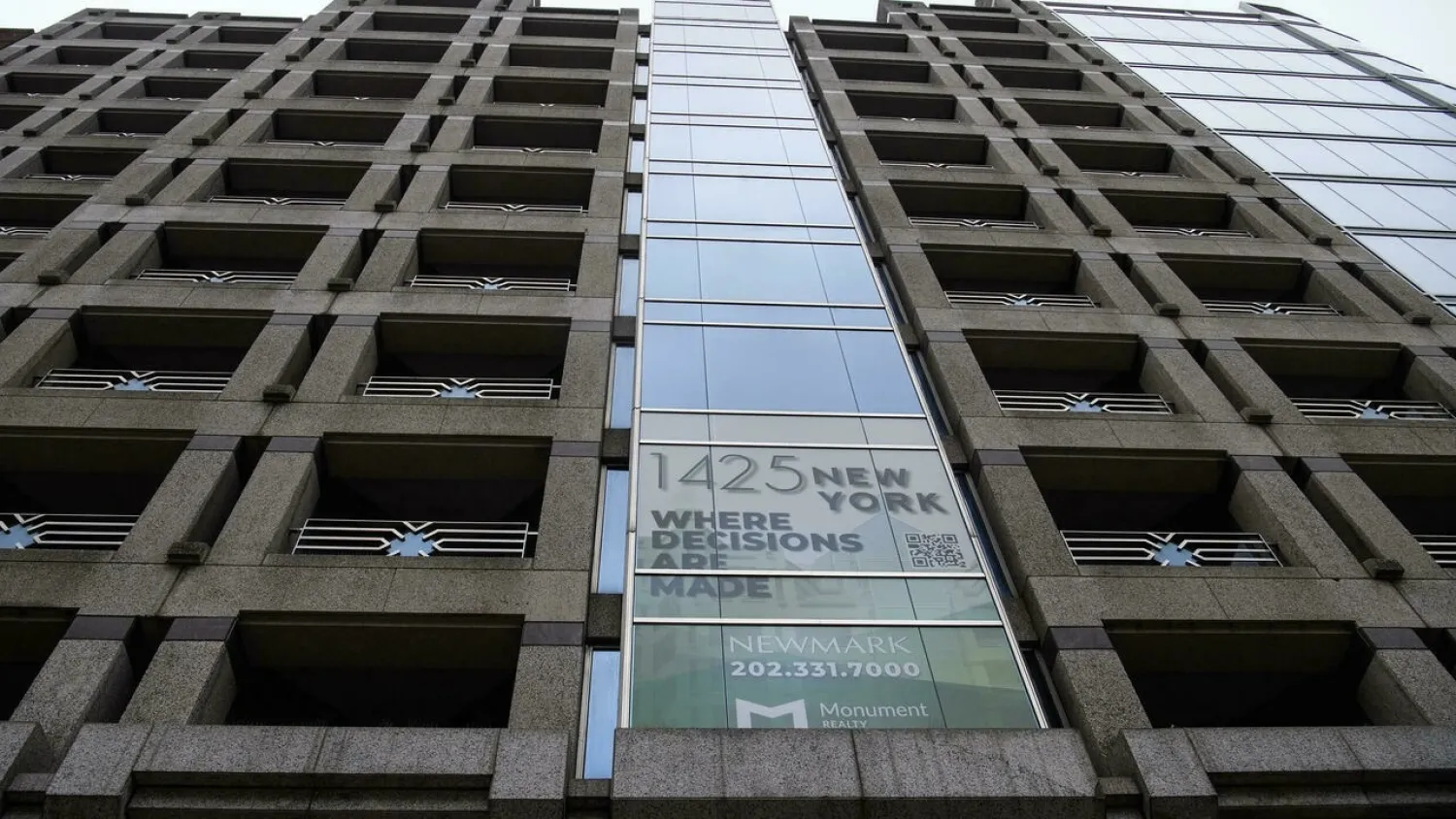
Blocks from the White House, an unassuming edifice in downtown Washington that once held offices used by the US Department of Justice is set to be converted into homes for hundreds of people.

The transformation of the vacant office space is among a surge of "adaptive reuse" projects that swept the US property market in 2021, where developers bought hotels and offices that were struggling to get business and announced plans to turn them into apartments.

"The market spoke, and it said the value was greater for a conversion than for it continuing as office space," said Michael Abrams, managing director of Foulger-Pratt, the property development firm that is turning the 14-story building on New York Avenue into 255 apartments.

A survey by apartment listing service RentCafe found about 20,100 apartments were built out of converted properties in the United States last year, almost double the number converted in the year prior.

Such conversions could offer a way forward for US downtowns, which haven't been the same since office workers fled as Covid-19 broke out nearly two years ago, leaving landlords and local businesses struggling.

"The slow office market recovery is just going to make it that much more expensive to carry vacant office buildings," Abrams said.

Conversions may also play a role in easing a shortage of affordable housing, particularly in cities like Washington, where notoriously high rents are a feature of life.

"From the overall perspective, we just need increased supply. By having more supply, both the home price growth will come down and the rents will come down," said Lawrence Yun, chief economist of the National Association of Realtors.

Even more expensive

Despite the downturn caused by Covid-19, the median price of existing homes climbed 15.8 percent over the course of 2021, and by last month supply had hit an all-time low, according to NAR data, likely exacerbating a crisis of affordable housing that predated the pandemic.

As of 2017, 48 percent of tenants were considered "rent burdened" by the US Government Accountability Office -- meaning they paid more than 30 percent of their income on rent -- a figure that had risen six percentage points over the preceding 16 years.

The United States meanwhile has a glut of offices. With many of them dating to the 1980s, they are now too old to be attractive to companies, said Tracy Hadden Loh, a fellow at Brookings Metro.

With their designs centered around outdated needs like space for file cabinets, "Really just the entire building is obsolete," she said in an interview.

Corporate pullout

Marc Ehrlich, chief investment officer at Rose Associates, which has converted New York City offices into housing, said such projects tend to be "well-located properties that need a higher and better use."

One of his firm's latest undertakings is the transformation of an office once used by telecommunications firm AT&T into a place people want to live.

Lacking amenities like covered parking, the building is unlikely to attract commercial tenants, Ehrlich said.

However, the new apartments will feature co-working spaces, since many tenants will likely want to continue working from home, he said.

In Washington, developers are pouncing on properties formerly rented by the region's top employer, the federal government.

This includes The Wray, an office building used by the State Department, but which has been totally renovated to house apartments.

The only signs of its former use are in the lobby, where the tiles are original, as is a directory listing the names of State Department offices once based there.

"The pool of tenants that goes back into these buildings is dramatically diminished, and that's what's putting the stress on that tier of property, that's what's creating the opportunity," said Abrams.

Adaptive reuse projects tend to demand high rents, Loh said, since they often require expensive renovations such as the construction of new bathrooms in buildings where they were once communal.

While expanding inventory has been shown to relieve price pressures elsewhere in the housing market, "This isn't a solution to the housing crisis," she added.

"This is a solution to revitalize areas like downtowns that are super dominated by places like office spaces."

Riyadh Ranks Among Top Four Global Initiatives at World Smart City Awards

 Visitors at the Royal Commission for Riyadh City's pavilion during the Smart City Expo World Congress in Barcelona (RCRC)
Visitors at the Royal Commission for Riyadh City's pavilion during the Smart City Expo World Congress in Barcelona (RCRC)
TT

Riyadh Ranks Among Top Four Global Initiatives at World Smart City Awards

 Visitors at the Royal Commission for Riyadh City's pavilion during the Smart City Expo World Congress in Barcelona (RCRC)
Visitors at the Royal Commission for Riyadh City's pavilion during the Smart City Expo World Congress in Barcelona (RCRC)

Three Riyadh projects received international recognition at the 2026 World Smart City Awards, held during the Smart City Expo World Congress in Barcelona, Spain, with one winning its category and two reaching the finals.

The Riyadh Infrastructure Projects Center (RIPC) was named among four finalists for the Governance & Economy Award for its "Infrastructure in One Source" initiative, which uses an Integrated Infrastructure Coordination Plan to improve infrastructure planning and coordination.

Riyadh Metro was also among four finalists for the Mobility Award, while the Real Estate Balance Program (Tawazoun) won the Infrastructure & Building Award.

The awards attracted 533 entries from 68 countries worldwide.

The Integrated Infrastructure Coordination Plan aims to improve infrastructure project quality across Riyadh Region by establishing a comprehensive framework for planning and coordination among government agencies, private-sector organizations and service providers.

The initiative seeks to improve project execution, minimize conflicts between construction activities and strengthen coordination during the planning and implementation stages.

Riyadh's recognition also extended to public transportation, with Riyadh Metro reaching the finals of the Mobility Award for its development of an integrated public transportation network that contributes to more efficient and sustainable mobility in the Saudi capital.

Smart cities and residents' quality of life

Dr. Maher Shirah, Director General of the Smart Cities General Department at the Royal Commission for Riyadh City (RCRC), told Asharq Al-Awsat that the value of smart cities lies in their impact on residents' lives.

He said housing, access to opportunities, efficient public services and confidence in urban development management were essential elements of a city offering a higher quality of life.

Shirah said Riyadh's experience with real estate balance demonstrated the importance of addressing these priorities together, as the Tawazoun program seeks to correct imbalances in the property market and facilitate homeownership amid the capital's rapid growth.

He confirmed that Tawazoun had won the Infrastructure & Building Award at the 2026 World Smart City Awards, an achievement separate from RIPC's selection as one of four finalists for the Governance & Economy Award.

Shirah said the relationship between real estate balance and smart cities rested on three main dimensions.

The first is understanding the city through data. Monitoring the real estate market, analyzing differences between neighborhoods and comparing current housing supply with future demand provide a clearer picture of urban challenges and help authorities develop more effective interventions.

Using data to manage urban development

The second dimension involves translating knowledge into practical action, Shirah said.

He explained that data delivers value when it informs decisions on land development, infrastructure provision, housing initiatives and market monitoring, strengthening institutions' ability to respond to complex urban challenges.

The third dimension focuses on outcomes that matter to residents.

Shirah said access to housing was a fundamental part of how people experience their city and assess its performance, noting that the IMD Smart City Index measures residents' perceptions of their ability to find housing at affordable rents.

He added that international frameworks take a comprehensive approach to smart cities.

The Cities in Motion Index, developed by IESE Business School, covers urban planning, governance, technology, the economy and social cohesion, while the International Telecommunication Union's United for Smart Sustainable Cities (U4SSC) framework links digital transformation to quality of life, inclusion, infrastructure and sustainability.

Shirah said the Tawazoun program's long-term impact would be measured by improvements in housing accessibility, service efficiency, the quality of decision-making and residents' experiences.

Building a smart city requires institutions capable of translating information into coordinated action and turning that action into tangible improvements in residents' lives, he said.

Riyadh's presence at the World Smart City Awards

The recognition came during the Smart City Expo World Congress, held in Barcelona from Nov. 3 to 5, with the World Smart City Awards ceremony taking place on Nov. 4.

The awards recognize cities, public agencies and organizations developing innovative solutions and initiatives to make urban areas smarter, more sustainable and better places to live.

They highlight pioneering approaches to using technology and innovation to address urban challenges and improve the efficiency of public services and infrastructure, while allowing cities and participating organizations from around the world to exchange expertise and experiences.

The Riyadh Infrastructure Projects Center achieved similar recognition in 2025 when its "Road Resurfacing Governance" initiative was selected among four finalists for the Governance & Economy Award.

The initiative sought to establish a unified framework for governing work procedures, improving coordination, planning and implementation, raising safety standards and reducing conflicts and disruptions associated with infrastructure projects.

Riyadh's participation in the awards reflects the diversity of its smart city initiatives, spanning infrastructure project management, urban planning, public transportation and real estate market balance.

These initiatives highlight efforts to improve public services, increase urban efficiency and enhance residents' quality of life.

According to the Royal Commission for Riyadh City, this international recognition builds on efforts by authorities across Riyadh Region to develop and manage infrastructure projects and adopt smart, sustainable solutions in support of Saudi Vision 2030, while improving quality of life and the efficiency of urban projects and services.


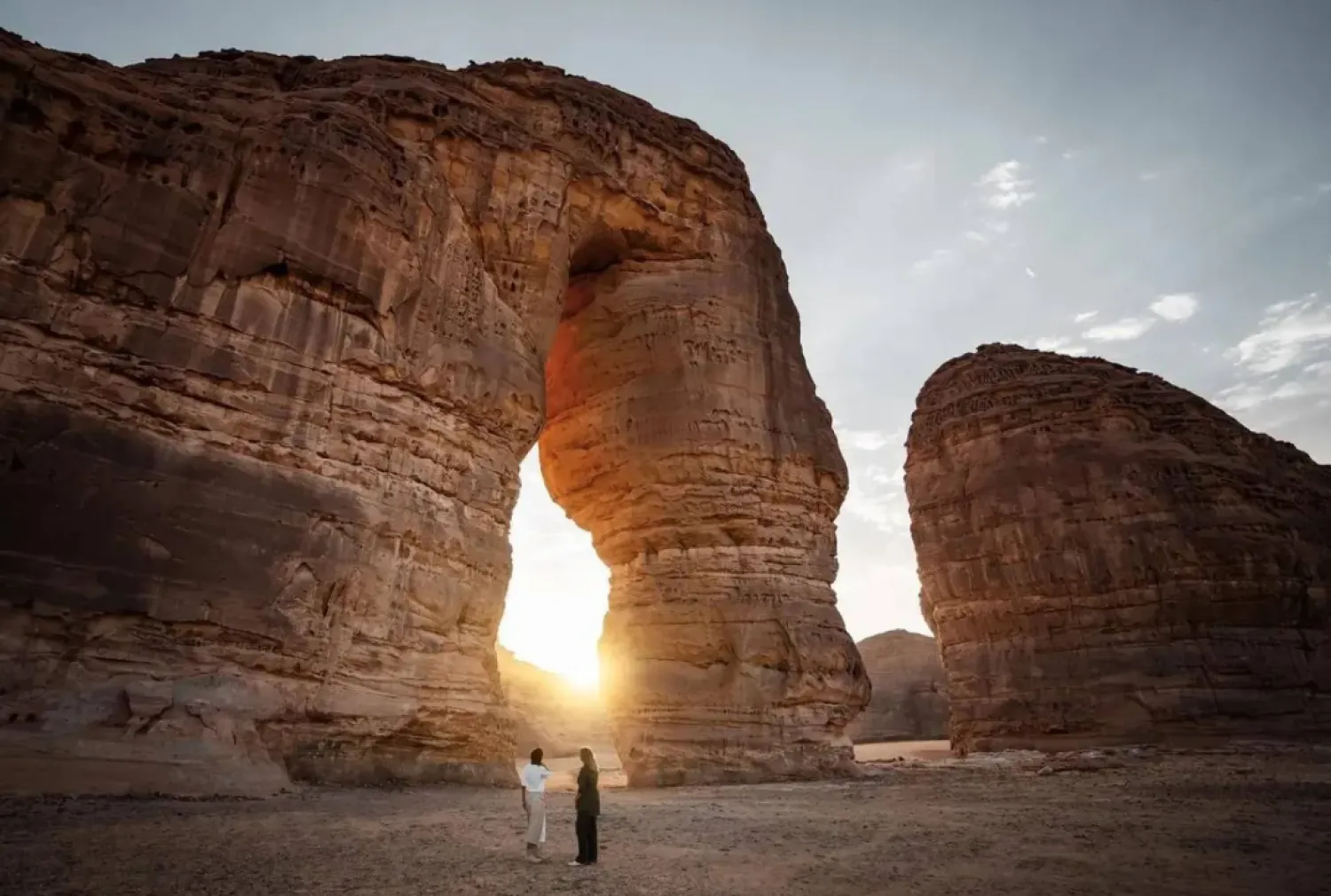
Saudi Arabia Expands Tourist E-Visa Eligibility to Four More Countries

The tourist visa allows visitors to attend events, perform Umrah, and visit exhibitions and conferences (SPA)
TT

Saudi Arabia Expands Tourist E-Visa Eligibility to Four More Countries

The tourist visa allows visitors to attend events, perform Umrah, and visit exhibitions and conferences (SPA)

Saudi Arabia has expanded its electronic tourist visa program by adding four countries to the list of eligible nationalities: Mexico, North Macedonia, Serbia, and Bosnia and Herzegovina.

The Ministry of Tourism said the move is part of ongoing efforts to facilitate travel to the Kingdom for visitors from around the world, allowing citizens of the newly added countries to apply electronically for tourist visit visas.

The tourist visa also permits holders to attend events, perform Umrah, visit exhibitions and conferences, and visit relatives and friends, in accordance with applicable regulations and instructions.


50-Year Contracts Open New Horizons for Real Estate Investment in Saudi Arabia

A neighborhood in the Saudi capital, Riyadh (SPA)
TT

50-Year Contracts Open New Horizons for Real Estate Investment in Saudi Arabia

A neighborhood in the Saudi capital, Riyadh (SPA)

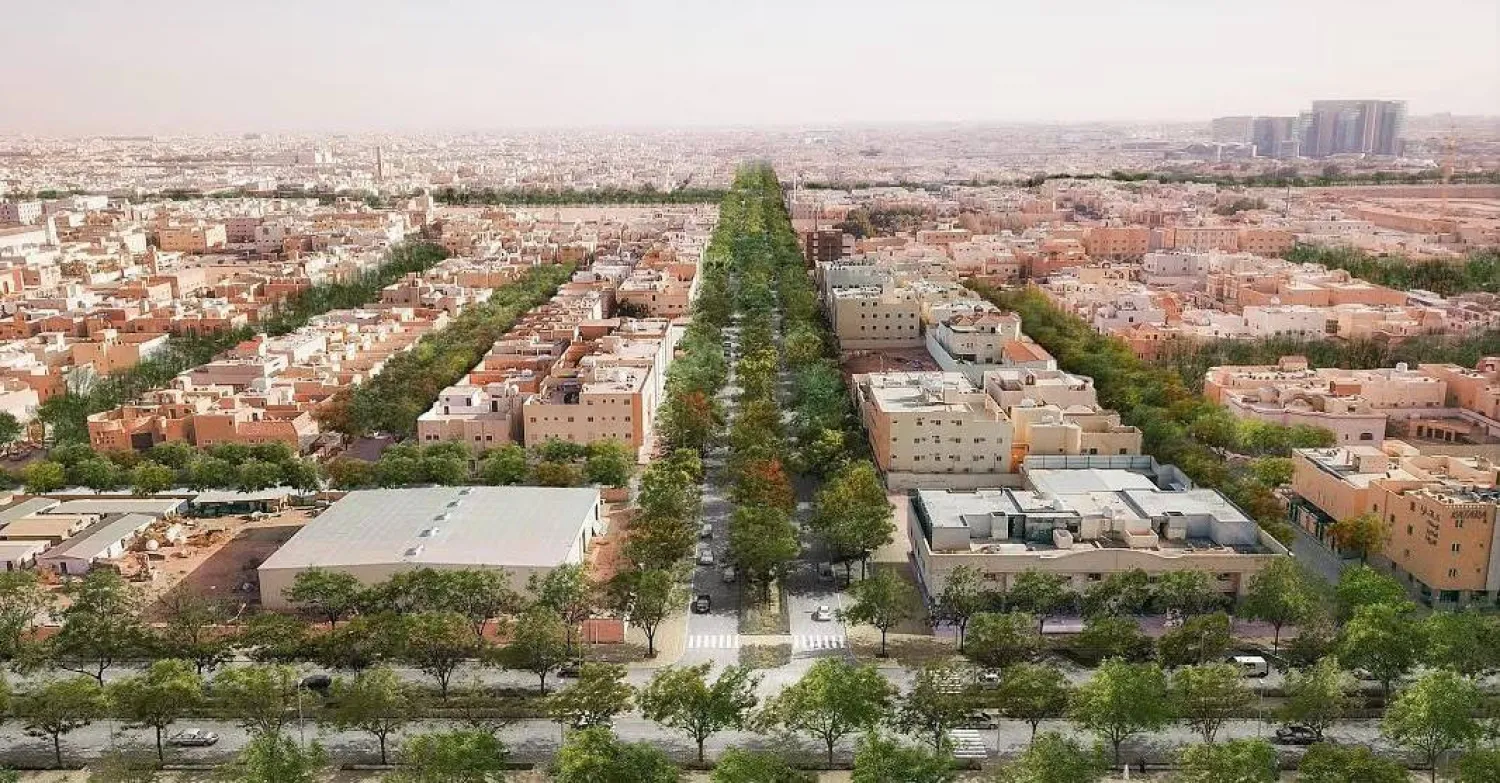
Long-term real estate investment models are opening new opportunities for Saudi Arabia's private sector, as the Kingdom seeks to expand partnerships with investors to develop municipal assets and transform them into mixed-use projects.

The approach is expected to enhance the appeal of the real estate market, create investment opportunities spanning decades, and attract domestic and international capital to urban development. It also aims to improve land-use efficiency, maximize the economic value of municipal assets and increase housing supply.

Riyadh Region Municipality, the Ministry of Municipalities and Housing, and the National Center for Privatization & PPP (NCP) announced the launch of the expression of interest, prequalification and proposal submission phases for a joint land investment project in northern Riyadh.

The project involves developing a plot of municipal land under a 50-year partnership with the private sector, marking the municipality's first initiative under this joint investment model.

The private-sector partner will be responsible for designing, constructing, operating and maintaining all project facilities.

Located on Zaid bin Asim Street, the strategically positioned 30,015-square-meter site benefits from flexible urban planning regulations that allow for mixed-use development, including residential, commercial, office and recreational facilities.

The project aims to deliver high-quality developments that meet growing demand, serve local residents and community needs, and strengthen Riyadh's urban infrastructure.

Long-Term Investment Strategies

Offering investment opportunities through contracts extending up to 50 years represents a shift in how Saudi Arabia develops government-owned real estate assets.

The model gives private-sector investors a longer timeframe to develop projects and implement long-term investment strategies, overcoming some of the limitations associated with short- and medium-term contracts.

It also strengthens investors' ability to undertake financial and operational planning, allowing them to recover development costs and generate investment returns over a longer period.

This could make such opportunities more attractive to real estate companies and institutional investors.

The project forms part of Riyadh Region Municipality's strategy to improve the efficiency of municipal asset management, expand private-sector participation in urban development and attract high-value investments.

These efforts are intended to promote sustainable urban development, keep pace with the capital's rapid growth and advance Saudi Vision 2030 objectives, in line with the municipality's ambition to help create a prosperous, sustainable Riyadh with a higher quality of life.

Project Sustainability

Real estate expert Khaled al-Mobid said the launch of a 50-year investment project in Riyadh's Al-Narjis district represents an important step toward enabling the private sector to develop real estate assets and transform them into sustainable projects with substantial economic value.

Speaking to Asharq Al-Awsat, he explained that the extended investment period encourages developers to improve construction quality and services while enhancing the financial viability of projects.

He added that the model could help diversify real estate offerings and increase supply in one of the capital's most expensive neighborhoods.

Al-Mobid said the project's significance lies less in its immediate impact on property prices than in its potential to establish a replicable investment model.

Such a model, he noted, could gradually increase supply, strengthen competition and contribute to greater price stability across Riyadh's real estate market.

Diversifying Real Estate Supply

Real estate developer Ahmed Omar Basoudan said the importance of these contracts extends beyond simply making land available to investors.

They also create opportunities to develop integrated real estate assets combining residential, commercial, office and recreational uses, increasing the economic value of land and improving its utilization.

Speaking to Asharq Al-Awsat, Basoudan explained that bringing design, construction, operation and maintenance together under a single investment framework allows for more integrated developments.

It also creates a stronger link between construction quality, operational efficiency and long-term sustainability.

At the broader market level, he said, the model could help diversify real estate offerings, particularly in major cities experiencing rapid urban expansion and rising demand for residential, commercial and office space.

The participation of new developers and operators could also strengthen competition and improve the quality of projects and services.

Moreover, the approach could create integrated mixed-use urban destinations that meet residents' needs and support economic activity, rather than relying solely on conventional real estate development.


Replicating the Model


According to Basoudan, the success of this investment model will depend on how effectively contracts are structured, how risks are allocated between government entities and investors, and how clearly development, operation and maintenance obligations are defined.

Equally important, he said, is striking an appropriate balance between investment returns and the public interest.

Basoudan believes extending the model to other municipalities and regions could create an additional channel for attracting domestic and international investment.

It could also strengthen private-sector participation in urban development, in line with Saudi Vision 2030 objectives to diversify the economy and improve the efficiency of government asset management.