
Book Sheds Light on Israel Role in Destruction of Jerusalem Mughrabi Quarter

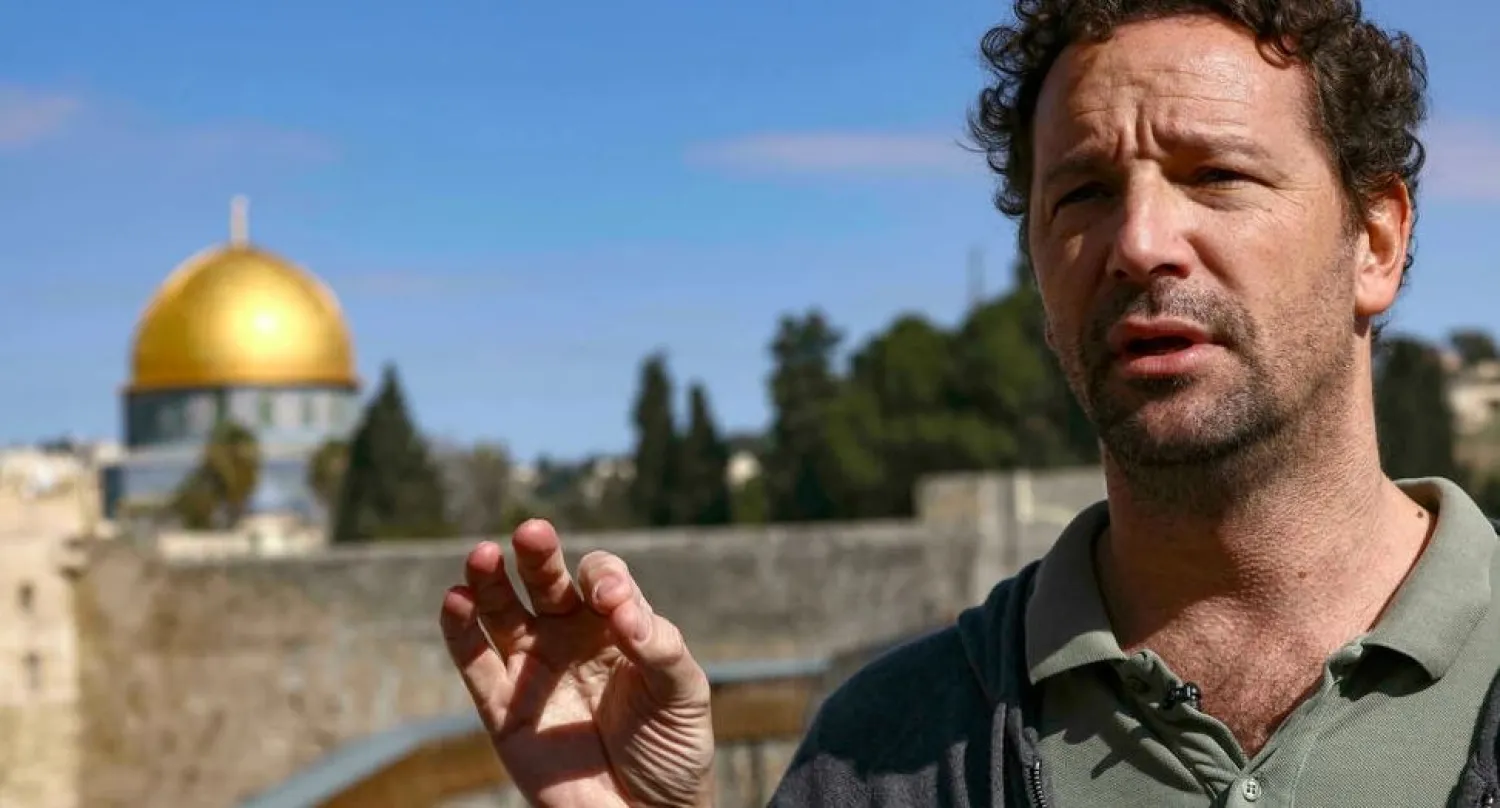
French historian Vincent Lemire speaks during a interview near the Western Wall in Jerusalem with the Dome of the Rock in the background RONALDO SCHEMIDT AFP
TT

Book Sheds Light on Israel Role in Destruction of Jerusalem Mughrabi Quarter

French historian Vincent Lemire speaks during a interview near the Western Wall in Jerusalem with the Dome of the Rock in the background RONALDO SCHEMIDT AFP

After the 1967 Six-Day War, Israel planned the "destruction" of Jerusalem's historic Mughrabi neighborhood at the base of the Western Wall but tried to hide it, according to a book published Friday.

Its author, French historian Vincent Lemire, expects the book "In the Shadow of the Wall: The life and death of the Mughrabi quarter of Jerusalem" to spark controversy because of the sensitive nature of the Holy City.

Lemire, who published several books on the history of Jerusalem, said he drew material from local archives, as well as Ottoman and French ones, for his work released by Le Seuil in Paris, AFP reported.

Most tourists who visit Jerusalem make a stop at the Western Wall plaza, a large esplanade of polished stone that extends from the ancient wall, which according to Jewish tradition is the surviving structure of the Second Temple and the holiest site where Jews can pray.

But before the Six-Day War, when east Jerusalem -- including the old walled city -- was controlled by Jordan, there was no esplanade at the base of the wall.

Instead, there was a Muslim neighborhood of about 135 homes initially established in the 12th Century by Emperor Saladin, and where Palestinian leader Yasser Arafat lived for a period during his youth.

Lemire, director of the French Research Center in Jerusalem, traces the area's history in a book due to be translated into English later this year by Stanford University Press.

The commonly told story about the fate of Jerusalem's Mughrabi quarter is that immediately after Israel captured the Old City a group of 15 private Jewish contractors destroyed the neighborhood to make space for the Western Wall plaza.

The role played by then Jerusalem mayor Teddy Kollek in the operation has previously been reported by media outlets.

But Lemire told AFP that his book offers "definitive, written proof on the premeditation, planning and coordination of this operation".

He cites minutes of a meeting between Kollek and the army commander in charge of Jerusalem on June 9, 1967, just 36 hours before the neighborhood was demolished.

"One of the items on the agenda is the destruction of the Mughrabi quarter," Lemire said.

He said he also consulted an internal foreign ministry note from the same day that prepared talking points to explain the neighborhood's destruction, "designed to make people believe they were slums and dangerous buildings".

He said he found a note in the Jerusalem municipality's archives that references the need to remove the rubble of the area "on the order of the military command".

Lemire told AFP he expected some "hostile" responses to his book, given sensitivities surrounding Jerusalem's holy sites and the "fact that this story is unpleasant for everyone".

But he said he was compelled to write about a neighborhood that was lacking a recorded history.

"With this book, there's the beginning of a history. It's a start," he said.


Saudi Arabia, Syria Underline Depth of their Cultural Ties

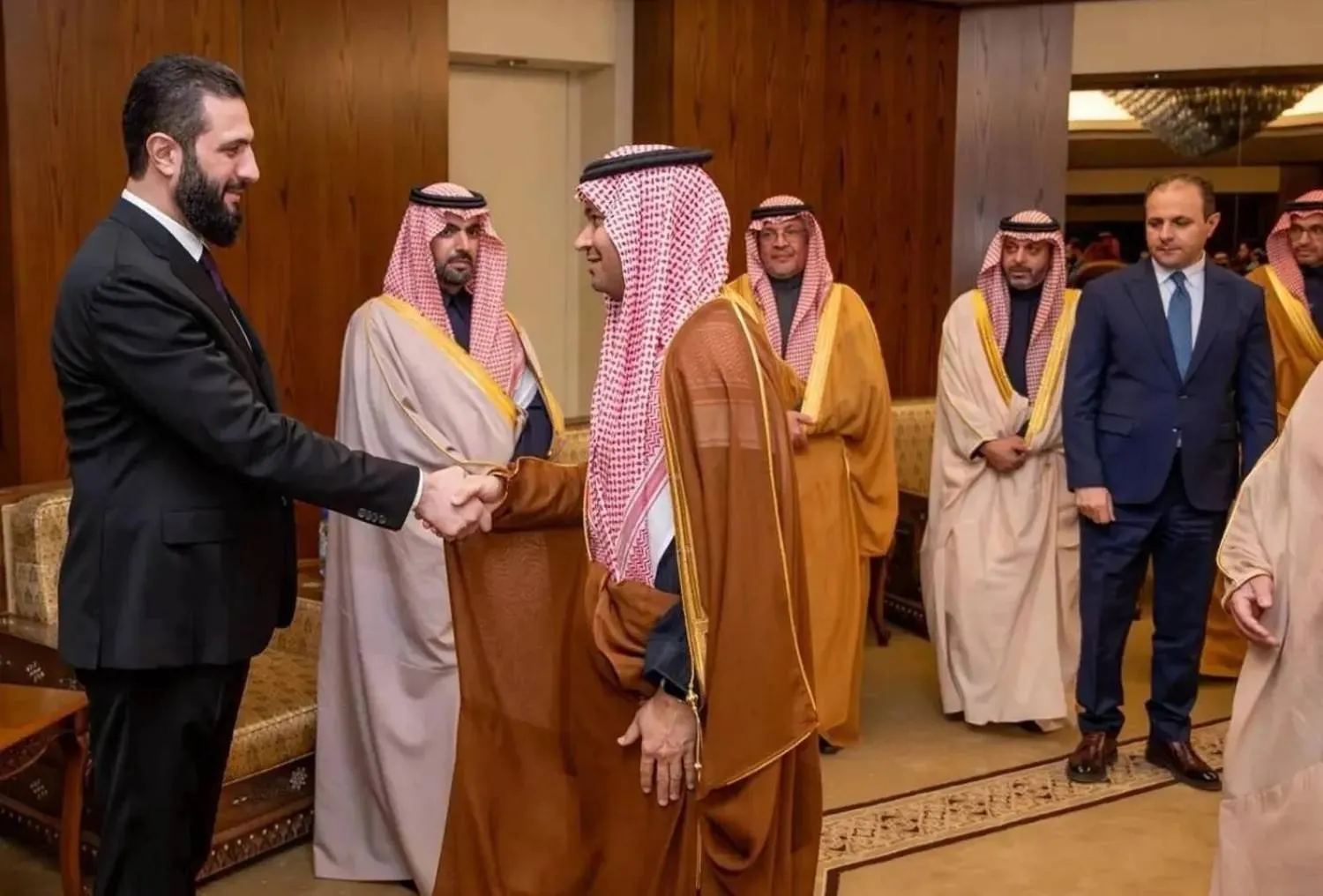
Syrian President al-Sharaa receives the Saudi minister of culture and the accompanying delegation at the Conference Palace in Damascus on Thursday. (SPA)
TT

Saudi Arabia, Syria Underline Depth of their Cultural Ties

Syrian President al-Sharaa receives the Saudi minister of culture and the accompanying delegation at the Conference Palace in Damascus on Thursday. (SPA)

Saudi Arabia and Syria underlined the strength of their cultural relationship during high-level meetings held in Damascus on Thursday, on the sidelines of the opening of the Damascus International Book Fair 2026, where the Kingdom is participating as guest of honor.

Syrian President Ahmad al-Sharaa received Saudi Minister of Culture Prince Badr bin Abdullah bin Farhan at the Conference Palace in the capital.

Earlier the same day, Prince Badr met with his Syrian counterpart, Minister of Culture Mohammad Yassin Saleh, during an official visit to attend the fair. T

he Saudi minister congratulated Syria on hosting the exhibition and expressed his wishes for continued prosperity, progress, and stability for the Syrian government and people.

Both meetings highlighted the depth of cultural relations between the two countries, the importance of expanding joint cultural cooperation across various fields, and the alignment of positions on issues of mutual interest in a way that serves both nations.

The Saudi delegation included senior officials and advisers, among them representatives from the Royal Court, the Ministry of Culture, and the King Abdulaziz Public Library, reflecting broad institutional engagement in the visit.

In the evening, Prince Badr attended the opening ceremony of the fair’s special session, held under the patronage and in the presence of al-Sharaa. The event drew wide official and cultural participation, including Arab ministers, political and intellectual figures, and a distinguished group of writers and cultural figures.

In a post on the X platform, Prince Badr thanked “our brothers in Syria for their generous hospitality and their efforts in organizing the Damascus International Book Fair.”

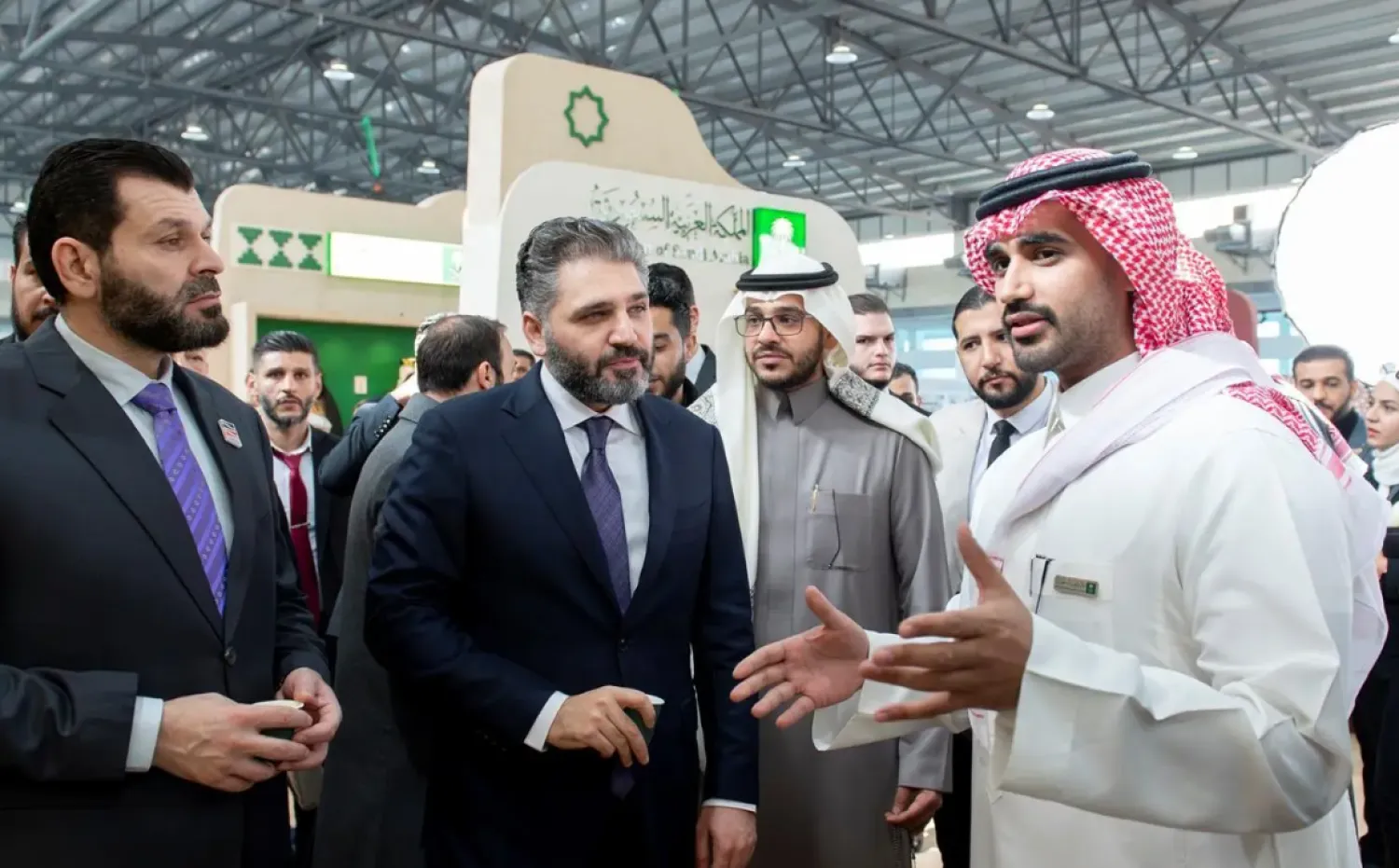
The minister also inaugurated the Kingdom’s pavilion at the fair in the presence of the Syrian minister of culture and the Qatari minister of culture.

Saudi Arabia’s guest-of-honor participation continues until Feb. 16 and reflects its growing prominence and leadership in the Arab and global cultural landscape.

This participation aligns with Saudi Vision 2030, which places culture at the heart of national development, viewing it as a space for dialogue, a bridge for civilizational communication, and a tool for strengthening ties among Arab peoples.

The Saudi Literature, Publishing and Translation Commission is leading the Kingdom’s participation, highlighting the development of the cultural sector and reaffirming the central role of books as carriers of knowledge and awareness.

The Saudi pavilion boasts a comprehensive cultural program featuring intellectual seminars, poetry evenings, a manuscript exhibition, traditional Saudi fashion displays, hospitality corners, archaeological replicas, and performing arts that express the depth of the Kingdom’s cultural heritage.

On the sidelines of the visit, Prince Badr, accompanied by Minister Saleh, toured the National Museum of Damascus, which houses rare artifacts spanning prehistoric eras, ancient Syrian civilizations, classical and Islamic periods, as well as traditional and modern art.


UNESCO Honors Al-Bisht Al-Hasawi as Thousands Flock to Al-Ahsa Festival

Visitors can explore interactive displays, participate in live workshops, and witness the meticulous process of tailoring this iconic symbol of prestige - SPA
TT

UNESCO Honors Al-Bisht Al-Hasawi as Thousands Flock to Al-Ahsa Festival

Visitors can explore interactive displays, participate in live workshops, and witness the meticulous process of tailoring this iconic symbol of prestige - SPA

The third edition of Al-Bisht Al-Hasawi Festival is drawing thousands of regional and international visitors to Ibrahim Palace in historic Al-Hofuf.

Organized by the Heritage Commission, this year’s festival celebrates the inscription of the Bisht on UNESCO’s Representative List of the Intangible Cultural Heritage of Humanity.

The event showcases Al-Ahsa’s centuries-old tradition of hand-weaving and gold embroidery, a craft passed down through generations of local families, SPA reported.

Visitors can explore interactive displays, participate in live workshops, and witness the meticulous process of tailoring this iconic symbol of prestige.

With UNESCO's participation and representatives from six countries, the festival has evolved into a global platform for cultural dialogue, cementing the Bisht’s status as a world-class cultural treasure.


Saudi, Syrian Culture Ministers Tour National Museum of Damascus

The ministers observed the museum’s extensive collections spanning prehistoric eras to modern art. SPA
TT

Saudi, Syrian Culture Ministers Tour National Museum of Damascus

The ministers observed the museum’s extensive collections spanning prehistoric eras to modern art. SPA

Saudi Minister of Culture Prince Badr bin Abdullah bin Farhan and his Syrian counterpart, Mohammed Yassin Saleh, have toured the National Museum of Damascus during the Kingdom’s participation as guest of honor at the 2026 Damascus International Book Fair.

The ministers observed on Thursday the museum’s extensive collections spanning prehistoric eras to modern art.

A particular focus was placed on the Arab-Islamic wing, featuring significant artifacts from the Umayyad period.

The Kingdom's participation as guest of honor at the 2026 Damascus International Book Fair, which runs until February 16, stems from the role culture plays within Saudi Vision 2030.