
Arab Women Entrepreneurs Defy Odds with Leap into Sportswear

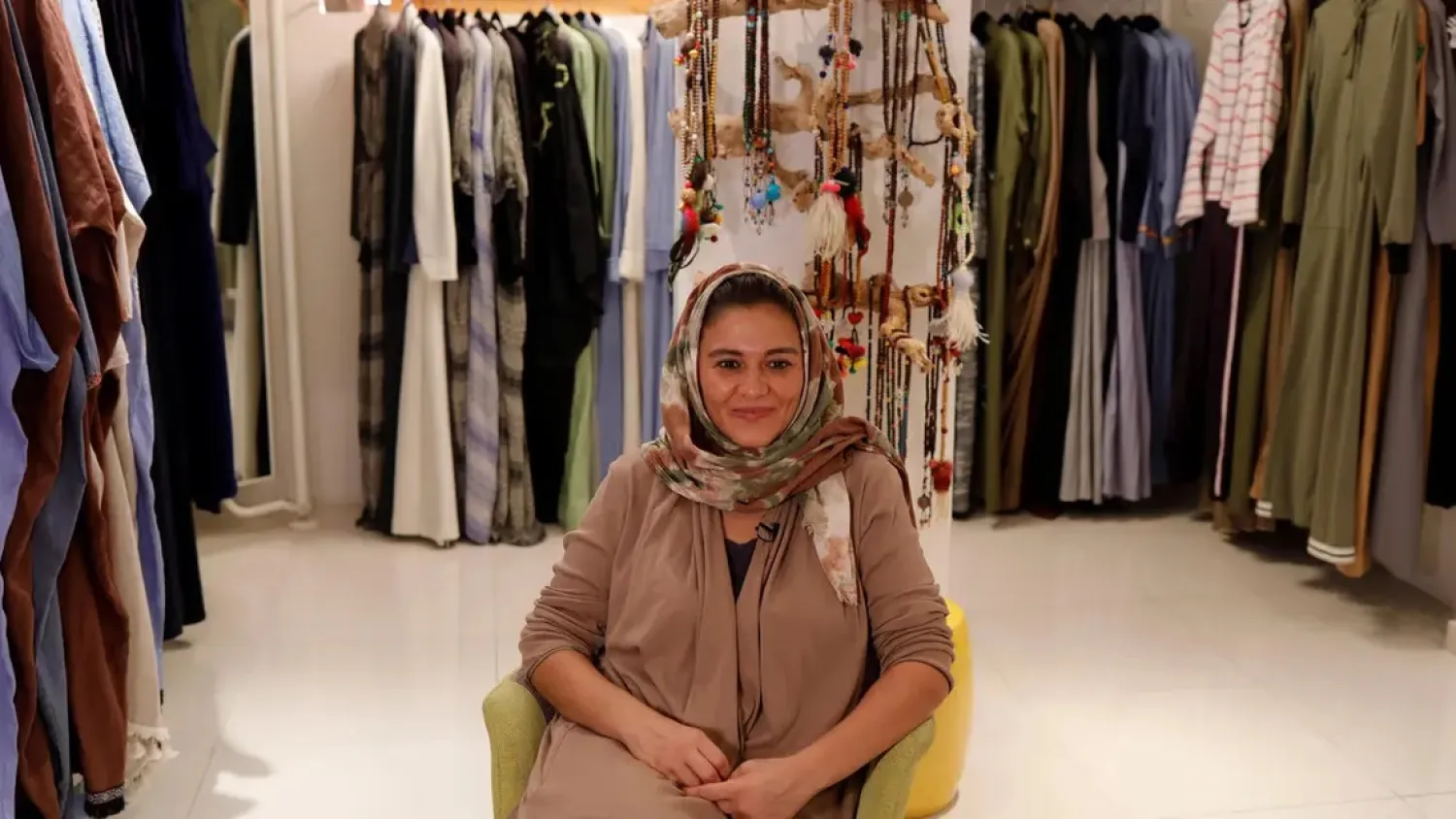
Saudi fashion designer Eman Joharjy in her boutique in Jeddah, Saudi Arabia. (Reuters)
TT

Arab Women Entrepreneurs Defy Odds with Leap into Sportswear

Saudi fashion designer Eman Joharjy in her boutique in Jeddah, Saudi Arabia. (Reuters)

Nathaly Daou zigzags through an underground fabric store in Beirut, pulling out bolts of neon Lycra and patterned polyester before settling on a roll of white cotton.

Finding affordable fabric for her budding sportswear line during Lebanon's economic crisis has been a challenge for the 36-year-old entrepreneur, one of several women making strides into the activewear sector in the Middle East and North Africa.

"We had all these imported brands, but I wanted to do something special - something different," said Daou, who is also a professional photographer and pole-dance instructor.

She launched her line "Nat-Usual" in August 2020 - weeks after Beirut's devastating port blast and nearly a year into the financial collapse that has put more than three-quarters of Lebanon's people below the poverty line.

The currency has lost more than 90% of its value over the last three years, meaning imported fabrics either quintupled in price or were no longer available.

Rampant power cuts across the country delayed production by months and the banking sector had effectively collapsed, cutting off potential financing for her fledgling business.

"It was impossible to create a business plan. I kept thinking, should I do it? But I've had this idea for 10 years, and I didn't want to wait anymore," Daou told the Thomson Reuters Foundation.

She hunted down affordable fabrics across the city, spread news of her line through her pole-dancing network, and initially priced her pieces in Lebanese pounds to keep them affordable.

"I had a vision of a Lebanese brand priced in pounds - but in the end, even my tailor was asking to get paid in US dollars because his own expenses had gone up, too. I had no choice."

Small margins, big ambitions

Across the Middle East and North Africa (MENA), just 5% of formal firms are led by women. For every female entrepreneur, there are another six women who want to start a business but do not manage to achieve their goal.

Small and medium-sized enterprises led by women in the region have long struggled to access sufficient financing, according to the World Bank, which said the situation had become "even more dire" during the COVID-19 pandemic.

Tunisian business owner Fatma Ben Soltane, who launched her sportswear line Fierce in 2019, has struggled to scale up due to a credit crunch during the pandemic.

She did access some funding through Flat6Labs Tunisia, an accelerator program and early-stage venture capital fund backed by the World Bank's International Finance Corporation (IFC) arm and supported by the Women Entrepreneurs Finance Initiative (We-Fi).

"It's so much more difficult to access financing than pre-COVID. I'm trying to get credit to open a big two-level flagship store for Fierce, but it's taking too much time," she said.

Fierce focuses on sustainability - its best-selling leggings are made from recycled plastic bottles.

Other items are made out of reused Tunisian cotton, and Ben Soltane insists on producing in smaller batches to reduce textile waste.

"It's much more expensive for us because it's not an economy of scale and to push this eco-friendly product, we kept the margins on those products low to encourage people to buy it," she said.

The leggings run at 85 Tunisian dinars ($29.60) - much less than brands imported from abroad, on which Tunisia charges tariffs as high as 150%.

It seems to have worked: Ben Soltane said the company's revenues have tripled in the last year.

'Go girl!'

For Saudi designer Eman Joharjy, inspiration came from her love of exercising outdoors.

The former financial professional said she wanted to be able to run and cycle outside, but conservative norms mean women wear loose robes known as abayas and cover their hair - making exercise difficult.

The usual skin-tight leggings and t-shirts on sale at shopping malls would not do, so Joharjy designed a "sports abaya" for herself in 2007.

The loose, cotton, one-piece garment had long sleeves, pockets, zippers, and cinched legs - and came in blue, instead of the conventionally black robes.

The first time she wore it out for a jog, she got stares and plenty of laughs.

"Little by little, I went from being the joke of the town to the trend of the town - and the sports abaya became a new niche," Joharjy said, speaking by video call from her studio in Jeddah, Saudi Arabia.

They now come in cotton and dry-fit fabric, and run up to 650 Saudi riyal ($173.23).

"When I see a lady jogging or running with my abaya, I'm like, 'Yes! Go girl!'" said Joharjy, who is being mentored as part of Vogue Arabia's 100 Saudi Brands fashion program.

She has gone on to design pieces for Saudi women professionals - architects who needed to be on construction sites or photographers who needed big pockets for their lenses.

"I wanted to give women more access to the public space to say, we are here, and we can do anything," she said.

Other designers across the region have begun producing sports abayas - but Joharjy is not fazed.

"It's beautiful to be a trend-setter," she said.


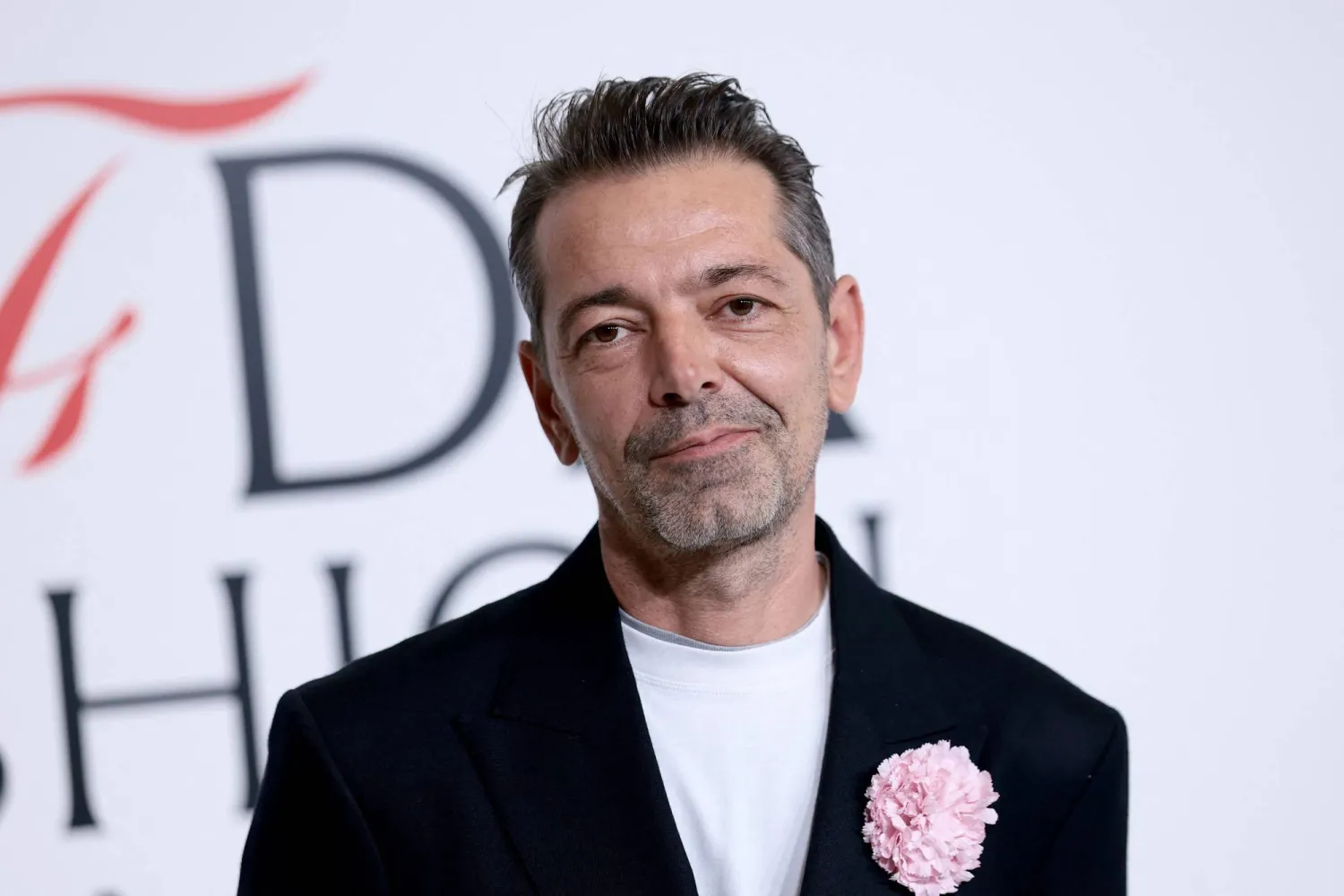
Pieter Mulier Named Creative Director of Versace

(FILES) Pieter Mulier attends the 2025 CFDA Awards at The American Museum of Natural History on November 03, 2025 in New York City. (Photo by Dimitrios Kambouris / GETTY IMAGES NORTH AMERICA / AFP)
TT

Pieter Mulier Named Creative Director of Versace

(FILES) Pieter Mulier attends the 2025 CFDA Awards at The American Museum of Natural History on November 03, 2025 in New York City. (Photo by Dimitrios Kambouris / GETTY IMAGES NORTH AMERICA / AFP)

Belgian fashion designer Pieter Mulier has been named the new creative director of the Milan fashion house Versace starting July 1, according to an announcement on Thursday from the Prada Group, which owns Versace.

Mulier is currently creative director of the French fashion house Alaïa, and was previously the right-hand man of fellow Belgian designer and Prada co-creative director Raf Simons at Calvin Klein, Jil Sander and Dior.

In his new role, Mulier will report to Versace executive chairman Lorenzo Bertelli, the designated successor to manage the family-run Prada Group. Bertelli is the son of Miuccia Prada and Prada Group chairman Patrizio Bertelli.

“We believe that he can truly unlock Versace’s full potential and that he will be able to engage in a fruitful dialogue,’’ The Associated Press quoted Lorenzo Bertelli as saying of Mulier in a statement.

Mulier takes over from Dario Vitale, who departed in December after previewing just one collection during his short-lived Versace stint.

Mulier was honored last fall by supermodel and longtime Alaïa muse Naomi Campbell at the Council of Fashion Designers of America for his work paying tribute to brand founder Azzedine Alaïa. Mulier took the creative helm in 2021, after Alaïa’s death.


Ralph Lauren’s Margin Caution Eclipses Stronger‑than‑expected Quarterly Results

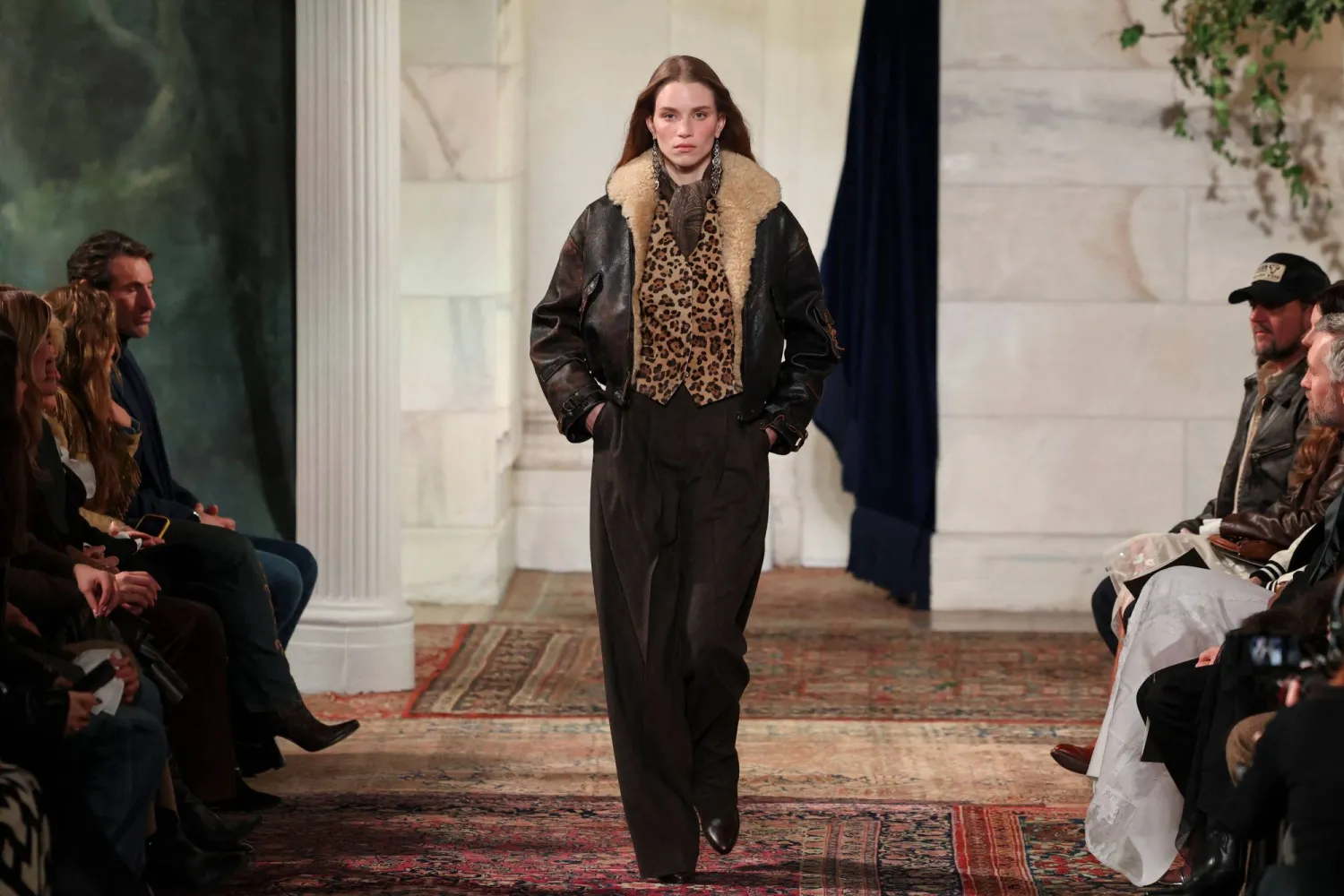
Guests wait after viewing the latest Ralph Lauren collection in New York City, US, April 17, 2025. REUTERS/Caitlin Ochs/File photo
TT

Ralph Lauren’s Margin Caution Eclipses Stronger‑than‑expected Quarterly Results

Guests wait after viewing the latest Ralph Lauren collection in New York City, US, April 17, 2025. REUTERS/Caitlin Ochs/File photo

Ralph Lauren posted third-quarter results above Wall Street estimates on Thursday, but the luxury retailer's warning of margin pressure tied to US tariffs sent its shares down nearly 6.4% in premarket trading.

The company expects fourth-quarter margins, its smallest revenue period, to shrink about 80 to 120 basis points due to higher tariff pressure and marketing spend.

Ralph Lauren, which sources its products from regions such as China, India and Vietnam, has relied on raising prices and reallocating production to regions with lower duty exposure to offset US tariff pressures, Reuters reported.

"Ralph Lauren has been able to raise prices for some time now. There is some limit on how long it can continue to do this. I think (the company's) gross margins are near peak levels," Morningstar analyst David Swartz said.

The company, which sells $148 striped linen shirts and $498 leather handbags, has tightened inventory, lifted full-price sales and refreshed core styles, boosting its appeal among wealthier and younger customers, including Gen Z.

Higher-income households are still splurging on luxury items, travel and restaurant meals, while lower- and middle-income consumers are strained by higher costs for rents and food as well as a softer job market.

The New York City-based company saw quarterly operating costs jump 12% year-on-year as it ramped up brand building efforts through sports-focused brand campaigns such as Wimbledon and the US Open tennis championship.

The luxury retailer said revenue in the quarter ended December 27 rose 12% to $2.41 billion, above analysts' estimates of a 7.9% rise to $2.31 billion, according to data compiled by LSEG.

It earned $6.22 per share, excluding items, compared to expectations of $5.81, aided by a 220 basis points increase in margins and an 18% rise in average unit retail across its direct-to-consumer channel.

Ralph Lauren now expects fiscal 2026 revenue to rise in the high single to low double digits on a constant currency basis, up from its prior forecast of a 5% to 7% growth.


Saudi Fashion Commission, Kering Launch 'Kering Generation Award X MENA'

This year's award builds on the strong success of the 2025 award, which attracted more than 500 applications, shortlisted 21 finalists, and recognized three winners. SPA
TT

Saudi Fashion Commission, Kering Launch 'Kering Generation Award X MENA'

This year's award builds on the strong success of the 2025 award, which attracted more than 500 applications, shortlisted 21 finalists, and recognized three winners. SPA

Saudi Arabia’s Fashion Commission and global luxury group Kering have launched the "Kering Generation Award X MENA" across the Middle East and North Africa (MENA) for 2026.

The announcement was made on Tuesday during the opening of the RLC Global Forum, hosted at the French Embassy in Riyadh.

This year's award builds on the strong success of the 2025 award, which attracted more than 500 applications, shortlisted 21 finalists, and recognized three winners.

Participants benefited from mentorship programs, workshops, and opportunities to strengthen their global presence. Building on this momentum, the 2026 program seeks to expand its impact across the MENA region.

The 2026 award focuses on four key areas of sustainable fashion: innovation in regenerative materials and clean production, circular design and sustainable business models, nature conservation and animal welfare, and consumer awareness and cultural engagement.

The program targets startups across the MENA region that operate in, or positively influence, the sustainable fashion sector, provided they demonstrate innovation capabilities and the ability to deliver measurable sustainability outcomes.