


Tunisia Urges IMF to Consider Social Impact of Reforms

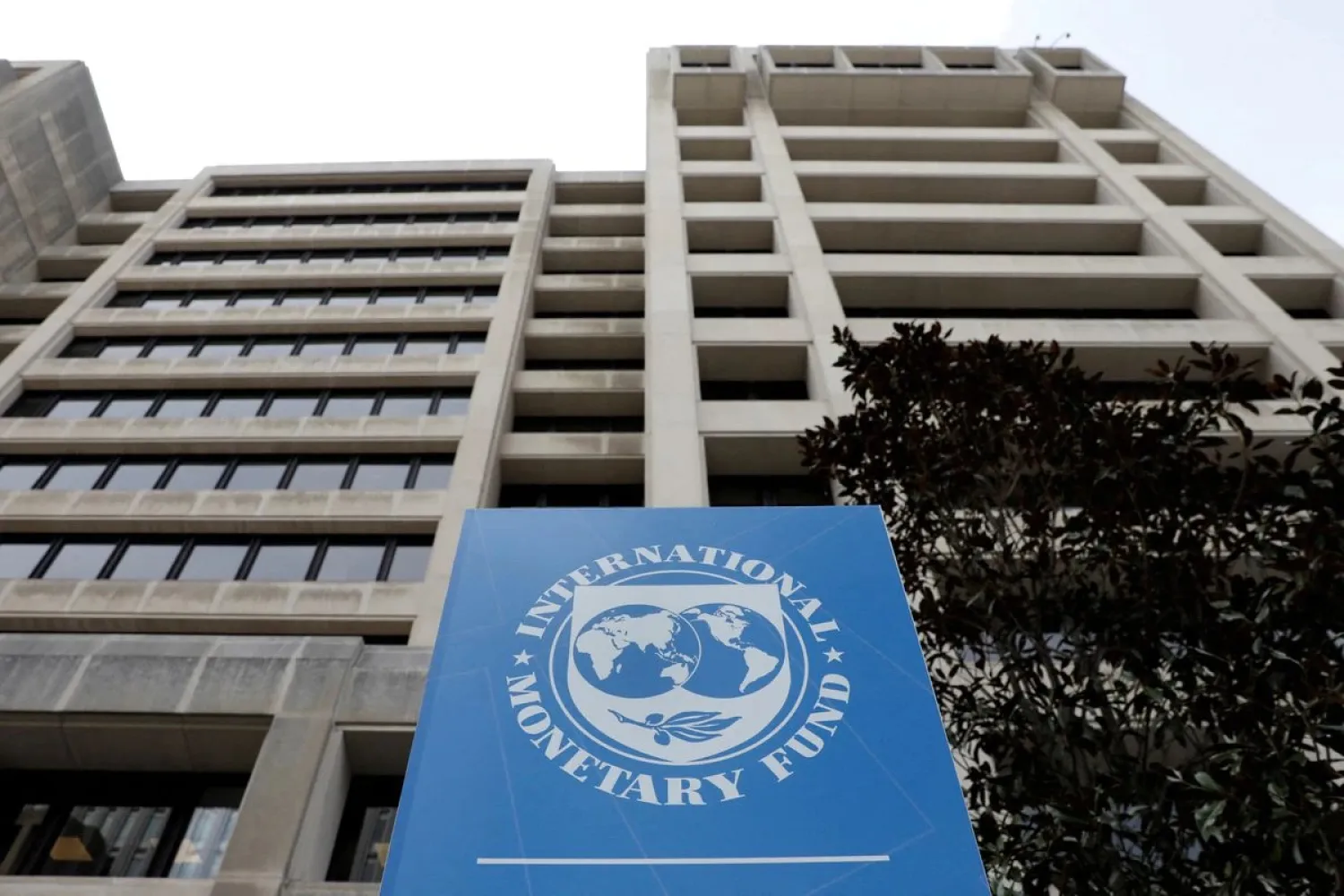
The International Monetary Fund (IMF) headquarters building is seen ahead of the IMF/World Bank spring meetings in Washington, US, April 8, 2019. REUTERS/Yuri Gripas
TT

Tunisia Urges IMF to Consider Social Impact of Reforms

The International Monetary Fund (IMF) headquarters building is seen ahead of the IMF/World Bank spring meetings in Washington, US, April 8, 2019. REUTERS/Yuri Gripas

Tunisian President Kais Saied on Tuesday urged the International Monetary Fund to take into account the social impact of any economic reforms it may demand as part of a bailout package.

The North African country has been in preliminary discussions with the global lender for a new loan to save an economy ravaged by years of high unemployment, inflation and public debt even pre-dating its 2011 revolution.

AFP said that Saied met the IMF's regional chief, Jihad, Azour on Tuesday, telling him he "recognized the need to introduce major reforms" but insisted that such changes must "take social impacts into account", according to a statement from the president's office.

People "have certain rights, such as to health and education, which cannot be made subservient to measures of profit and loss", he added.

Ahead of formal negotiations that are expected to start soon, the government has presented a reform plan to the global lender that includes a freeze on the public sector wage bill, some subsidy cuts and a restructuring of state firms.

Tunisia's powerful UGTT trade union, which staged a nationwide public-sector strike last week to demand pay raises, has warned against "painful reforms" made to please the IMF.

In a video message published by the presidency, Azour said he and Saied had discussed "aspects of cooperation and liaison between the IMF and the Tunisian government as well as future economic developments in Tunisia, the region and the world".

Tunisia's central bank chief said in May that a new IMF deal -- the third in a decade -- was "indispensable" given Tunisia's public debt and gaping budget deficit, exacerbated by a spike in energy and food prices due to the war in Ukraine.

An IMF team said in March that the country faced "major structural challenges", with low growth and investment along with high unemployment and gaping inequality.



EU Condemns Israel's West Bank Control Measures

The Israeli settlement of Har Homa, seen from the West Bank city of Bethlehem, Tuesday, Dec. 17, 2024. (AP)
TT

EU Condemns Israel's West Bank Control Measures

The Israeli settlement of Har Homa, seen from the West Bank city of Bethlehem, Tuesday, Dec. 17, 2024. (AP)

The European Union on Monday condemned new Israeli measures to tighten control of the West Bank and pave the way for more settlements in the occupied Palestinian territory, AFP reported.

"The European Union condemns recent decisions by Israel's security cabinet to expand Israeli control in the West Bank. This move is another step in the wrong direction," EU spokesman Anouar El Anouni told journalists.


Atrocities in Sudan's El-Fasher Were 'Preventable Human Rights Catastrophe'

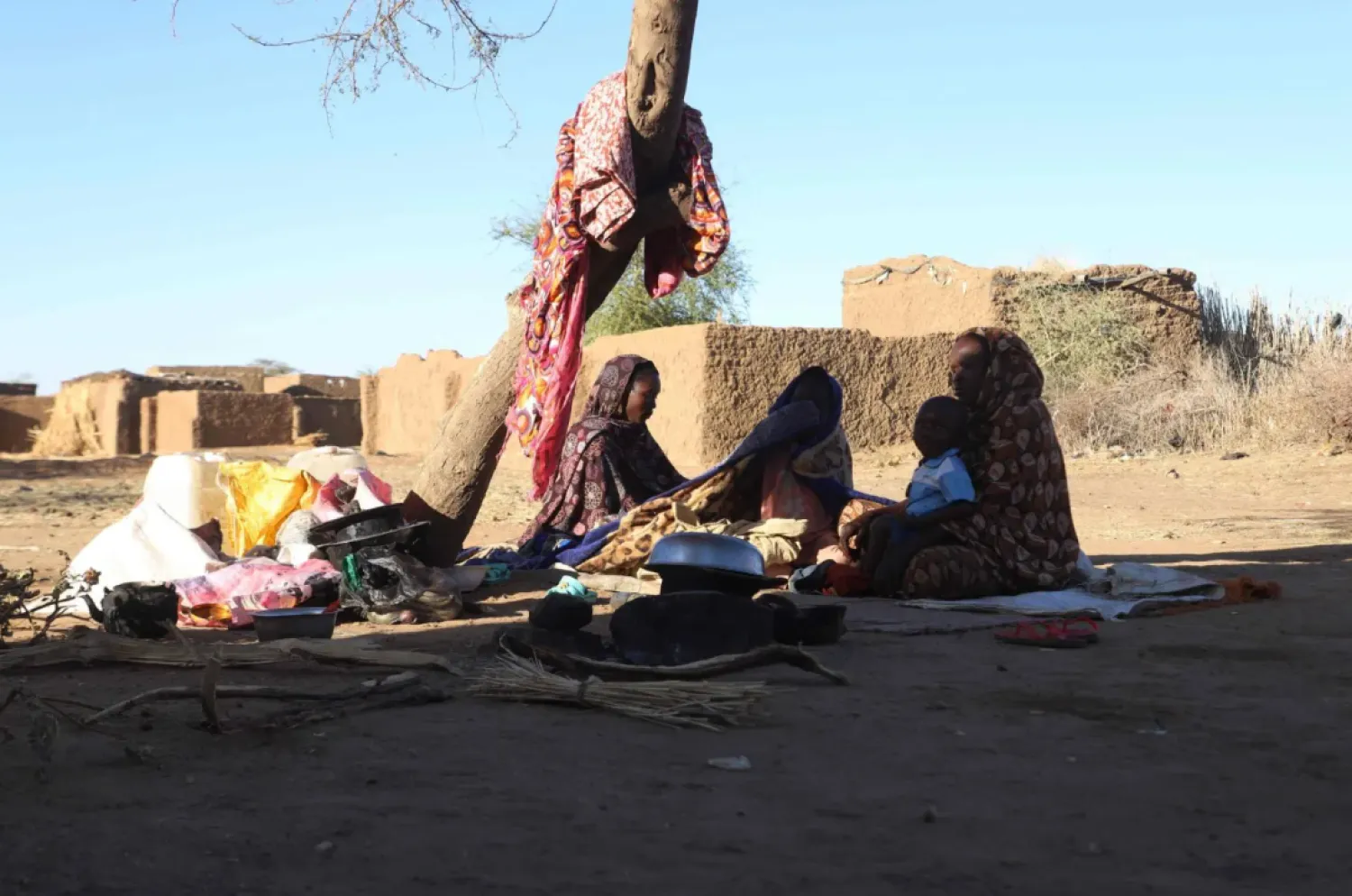
Sudanese displaced people who left El Fasher after its fall, sit in the shade in Tawila at the Rwanda camp reception point on December 17, 2025. (Photo by AFP)
TT

Atrocities in Sudan's El-Fasher Were 'Preventable Human Rights Catastrophe'

Sudanese displaced people who left El Fasher after its fall, sit in the shade in Tawila at the Rwanda camp reception point on December 17, 2025. (Photo by AFP)

The atrocities unleashed on El-Fasher in Sudan's Darfur region last October were a "preventable human rights catastrophe", the United Nations said Monday, warning they now risked being repeated in the neighbouring Kordofan region.


"My office sounded the alarm about the risk of mass atrocities in the besieged city of El-Fasher for more than a year ... but our warnings were ignored," UN rights chief Volker Turk told the Human Rights Council in Geneva.


He added that he was now "extremely concerned that these violations and abuses may be repeated in the Kordofan region".


Arab League Condemns Israel's Decisions to Alter Legal, Administrative Status of West Bank

A general view shows the opening session of the meeting of Arab foreign ministers at the Arab League Headquarters (Reuters)
TT

Arab League Condemns Israel's Decisions to Alter Legal, Administrative Status of West Bank

A general view shows the opening session of the meeting of Arab foreign ministers at the Arab League Headquarters (Reuters)

The General Secretariat of the Arab League strongly condemned decisions by Israeli occupation authorities to impose fundamental changes on the legal and administrative status of the occupied Palestinian territories, particularly in the West Bank, describing them as a dangerous escalation and a flagrant violation of international law, international legitimacy resolutions, and signed agreements, SPA reported.

In a statement, the Arab League said the measures include facilitating the confiscation of private Palestinian property and transferring planning and licensing authorities in the city of Hebron and the area surrounding the Ibrahimi Mosque to occupation authorities.

It warned of the serious repercussions of these actions on the rights of the Palestinian people and on Islamic and Christian holy sites.

The statement reaffirmed the Arab League’s firm support for the legitimate rights of the Palestinian people, foremost among them the establishment of their independent state on the June 4, 1967 borders, with East Jerusalem as its capital.