


'Naqoura Tunnel' a New Conflict Issue between Lebanon and Israel

An Israeli crane erects a wall near border, as seen from Lebanon, near Lebanon's Naqoura, March 6, 2018. (Reuters)
TT

'Naqoura Tunnel' a New Conflict Issue between Lebanon and Israel

An Israeli crane erects a wall near border, as seen from Lebanon, near Lebanon's Naqoura, March 6, 2018. (Reuters)

A new point of border conflict was added on Monday to the Lebanese-Israeli file after a pro-Hezbollah caretaker minister included the so-called “railway tunnel” established by the English army in the forties between Lebanon and Palestine, to the lingering border dispute between the two countries.

Caretaker Minister of Public Works and Transport Ali Hamieh included the issue under the title “the Occupied Naqoura tunnel”, to two other conflict border points of Shebaa Farms and Kfarshuba Hills, and to the disputed maritime areas where border demarcation is being negotiated under the UN auspices and US mediation.

“Our sovereign rights lie in our decision to restore every inch of the occupied tunnel, besides to our decision to restore our land and maritime borders too,” said Hamieh during a visit to Naqoura where the tunnel lies.

The tunnel was built by the English army between 1942 and 1944 to build a railway for rapid movement between Lebanon and Palestine.

It was closed in 1948 with the declaration of the state of Israel.

According to field sources in south Lebanon, “Israel closed the tunnel with a cement wall and placed concrete barriers inside it within a geographical spot located inside Lebanese territory."

According to the former head of the negotiating delegation on the border with Israel, retired Major General Abdul Rahman Shehaitli, the tunnel lies in Lebanese territories and was closed by Israel, which is occupying the area where the tunnel is located, a long time ago.

The Israeli side "is encroaching on Lebanese territory at this point,” he told Asharq Al-Awsat in remarks.

The tunnel is located directly on the coast of Naqoura (the farthest south of Lebanon), while the Israeli forces installed a gate to the east of it that "encroaches on Lebanese territory for a distance of about 30 meters as well," he added.

“There is no dispute over the point, but Israel is now refusing to acknowledge it or allow the Lebanese to reach it. The point is still a pile of stones since 1923. The Israeli army installed the gate in front of it deep inside Lebanese territory in the year 2000 after the liberation of southern Lebanon,” Shehaitli noted.

During his visit to the tunnel, Hamieh said: “We are on Lebanese soil that is under Lebanese sovereignty...A study was conducted on the railway tunnel, which was built during the Second World War in 1942." He added that "we are now in the process of preparing terms of reference for launching international bids for the establishment of resorts and facilities.”

“We will not give up an inch,” of the land or maritime borders, Hamieh said, “We also want our rights and borders in the tunnel until the last square meter.”

Anti-Hezbollah parliamentary sources said the issue adds a new dispute to the lingering border conflict between Lebanon and Israel.



EU Condemns Israel's West Bank Control Measures

The Israeli settlement of Har Homa, seen from the West Bank city of Bethlehem, Tuesday, Dec. 17, 2024. (AP)
TT

EU Condemns Israel's West Bank Control Measures

The Israeli settlement of Har Homa, seen from the West Bank city of Bethlehem, Tuesday, Dec. 17, 2024. (AP)

The European Union on Monday condemned new Israeli measures to tighten control of the West Bank and pave the way for more settlements in the occupied Palestinian territory, AFP reported.

"The European Union condemns recent decisions by Israel's security cabinet to expand Israeli control in the West Bank. This move is another step in the wrong direction," EU spokesman Anouar El Anouni told journalists.


Atrocities in Sudan's El-Fasher Were 'Preventable Human Rights Catastrophe'

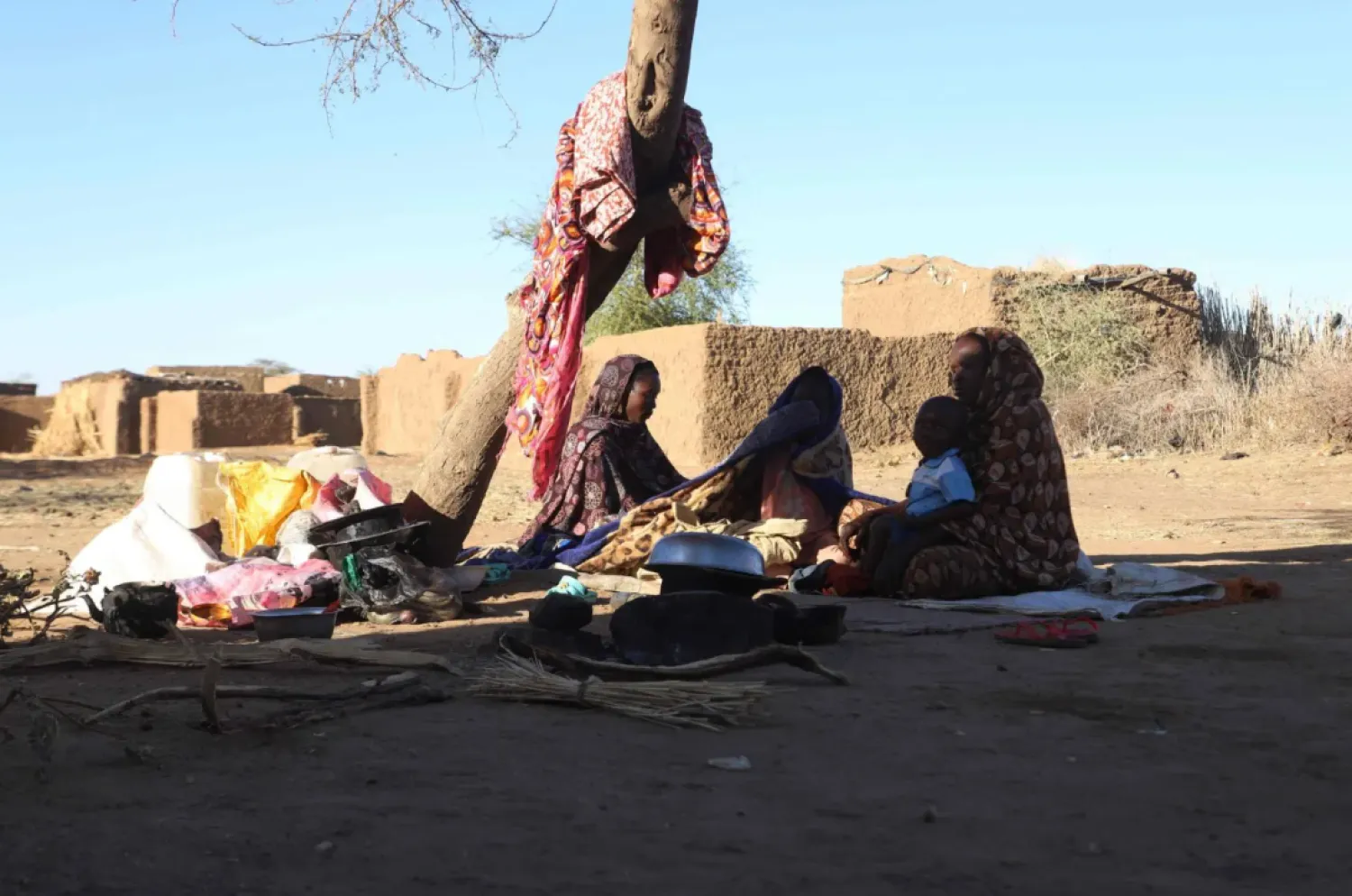
Sudanese displaced people who left El Fasher after its fall, sit in the shade in Tawila at the Rwanda camp reception point on December 17, 2025. (Photo by AFP)
TT

Atrocities in Sudan's El-Fasher Were 'Preventable Human Rights Catastrophe'

Sudanese displaced people who left El Fasher after its fall, sit in the shade in Tawila at the Rwanda camp reception point on December 17, 2025. (Photo by AFP)

The atrocities unleashed on El-Fasher in Sudan's Darfur region last October were a "preventable human rights catastrophe", the United Nations said Monday, warning they now risked being repeated in the neighbouring Kordofan region.


"My office sounded the alarm about the risk of mass atrocities in the besieged city of El-Fasher for more than a year ... but our warnings were ignored," UN rights chief Volker Turk told the Human Rights Council in Geneva.


He added that he was now "extremely concerned that these violations and abuses may be repeated in the Kordofan region".


Arab League Condemns Israel's Decisions to Alter Legal, Administrative Status of West Bank

A general view shows the opening session of the meeting of Arab foreign ministers at the Arab League Headquarters (Reuters)
TT

Arab League Condemns Israel's Decisions to Alter Legal, Administrative Status of West Bank

A general view shows the opening session of the meeting of Arab foreign ministers at the Arab League Headquarters (Reuters)

The General Secretariat of the Arab League strongly condemned decisions by Israeli occupation authorities to impose fundamental changes on the legal and administrative status of the occupied Palestinian territories, particularly in the West Bank, describing them as a dangerous escalation and a flagrant violation of international law, international legitimacy resolutions, and signed agreements, SPA reported.

In a statement, the Arab League said the measures include facilitating the confiscation of private Palestinian property and transferring planning and licensing authorities in the city of Hebron and the area surrounding the Ibrahimi Mosque to occupation authorities.

It warned of the serious repercussions of these actions on the rights of the Palestinian people and on Islamic and Christian holy sites.

The statement reaffirmed the Arab League’s firm support for the legitimate rights of the Palestinian people, foremost among them the establishment of their independent state on the June 4, 1967 borders, with East Jerusalem as its capital.