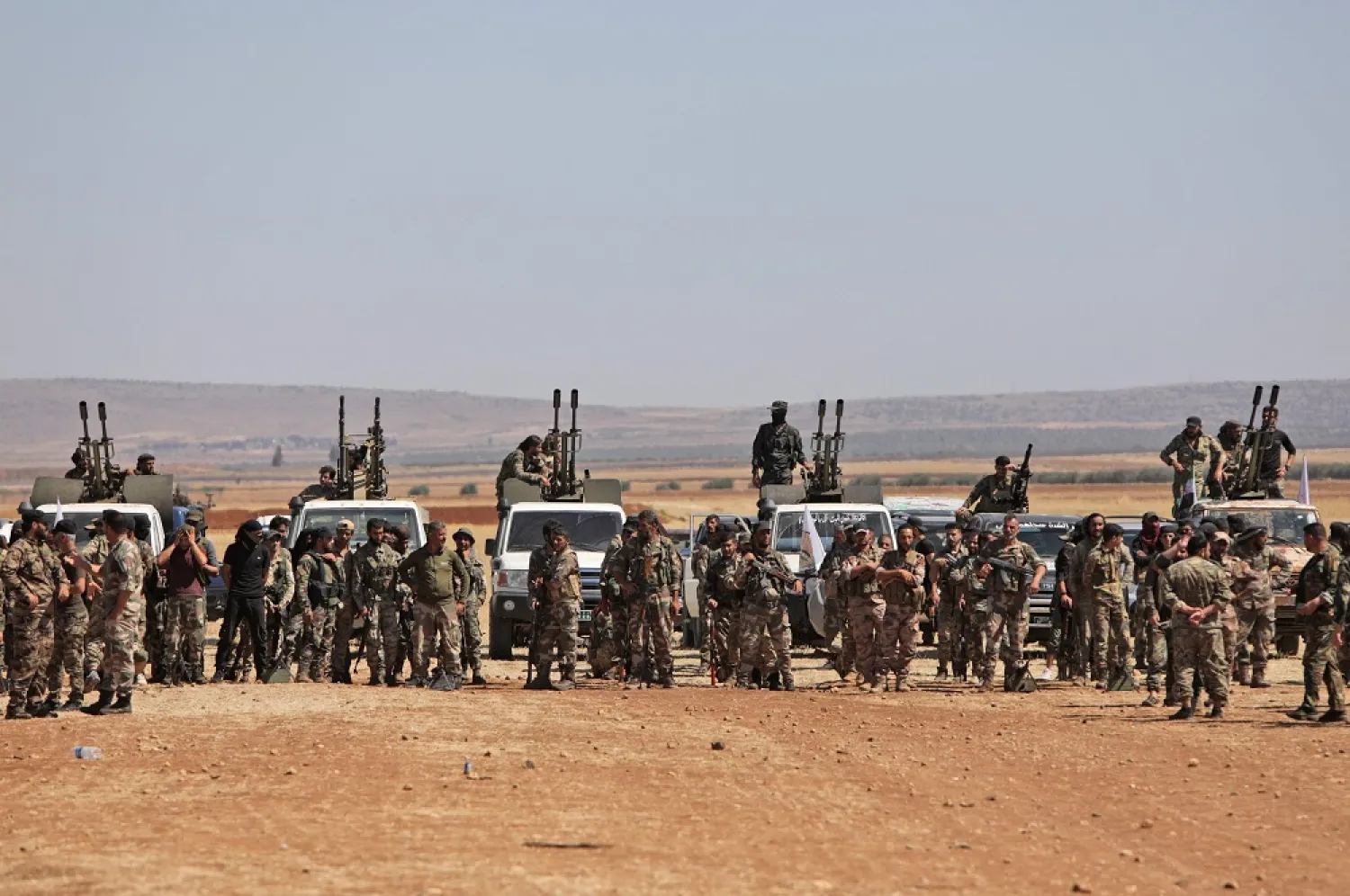
The Sudanese army said Friday it had recaptured the strategic town of Al-Mazroub in North Kordofan, a week after retaking Sodari, as a deadly drone strike on student housing in the state capital, El-Obeid, highlighted the growing use of unmanned aircraft in the conflict.
The developments come as the UN Security Council prepares for fresh negotiations over a US proposal to extend the arms embargo on Darfur to all of Sudan.
In a statement, the army’s General Command said its troops and allied forces had retaken Al-Mazroub after “fierce battles,” inflicting heavy casualties and vehicle losses on the paramilitary Rapid Support Forces (RSF).
The army pledged to continue operations on all fronts, protect civilians and secure property, urging residents of recaptured areas to resume their normal lives.
Mohamed Deidan, spokesman for the Special Operations Forces in North Kordofan, announced on Facebook that army troops had entered Al-Mazroub at 9 a.m. Friday, a development corroborated by field sources.
Located about 130 kilometers northwest of El-Obeid, Al-Mazroub is an important livestock market that has also served as a military supply route during the war. It had long been under RSF control.
Witnesses reported that RSF fighters withdrew from the town in September but returned after the army captured Sodari, before retreating again as government forces advanced Friday morning.
Holding Al-Mazroub strengthens the army’s ability to monitor movements west of Bara and restrict the town’s use as a transit and supply hub. Consolidating the gain, however, depends on securing surrounding roads and rural areas.
The advance follows recent army gains in Sodari, Um Sharo, Bara, Jabra al-Sheikh and Um Sayala. Field reports indicated that RSF units had retreated toward Um Badr, Hamrat al-Sheikh and the state’s far west, although their current positions remain independently unverified.
Kordofan’s strategic importance stems from its location linking central Sudan to Darfur, making control of its towns and roads critical to troop movements and supply lines.
Meanwhile, the Sudan Doctors Network reported that five people were killed and 47 wounded in a drone strike on University of Kordofan student housing in El-Obeid.
The network blamed the RSF, describing the attack as an escalation in strikes against civilian and educational facilities.
The paramilitary group made no immediate comment, and responsibility for the strike could not be independently established.
El-Obeid has faced repeated drone attacks in recent weeks, reflecting the weapon’s growing use alongside ground operations.
Burhan addresses military recruits
In Khartoum, Sudan’s Sovereignty Council chairman and army chief Abdel Fattah al-Burhan told newly admitted military academy recruits that the armed forces must safeguard the country’s security and unity, with loyalty transcending political, tribal and regional affiliations.
He described the army as a national institution serving all Sudanese and urged recruits to develop their military and technical skills to keep pace with advances in weaponry and equipment.
The Security Council is expected to revisit Sudan sanctions before the current temporary extension expires on October 9.
In September, disagreements over a US proposal to expand the Darfur arms embargo nationwide forced the council to extend the existing measures by just one month.
Washington also seeks tighter restrictions on weapons, drones, related technology and foreign fighters, while Russia and China have expressed reservations about widening the embargo.
Sudan’s government opposes a nationwide ban, arguing it could undermine the army’s ability to defend the country. Instead, it wants tougher measures to prevent weapons and foreign support from reaching the RSF.
The latest escalation in Kordofan adds significance to the Security Council debate, as military operations and drone warfare have spread beyond Darfur, for which the embargo was established more than two decades ago.