


Facebook Misses Election Misinfo in Brazil Ads

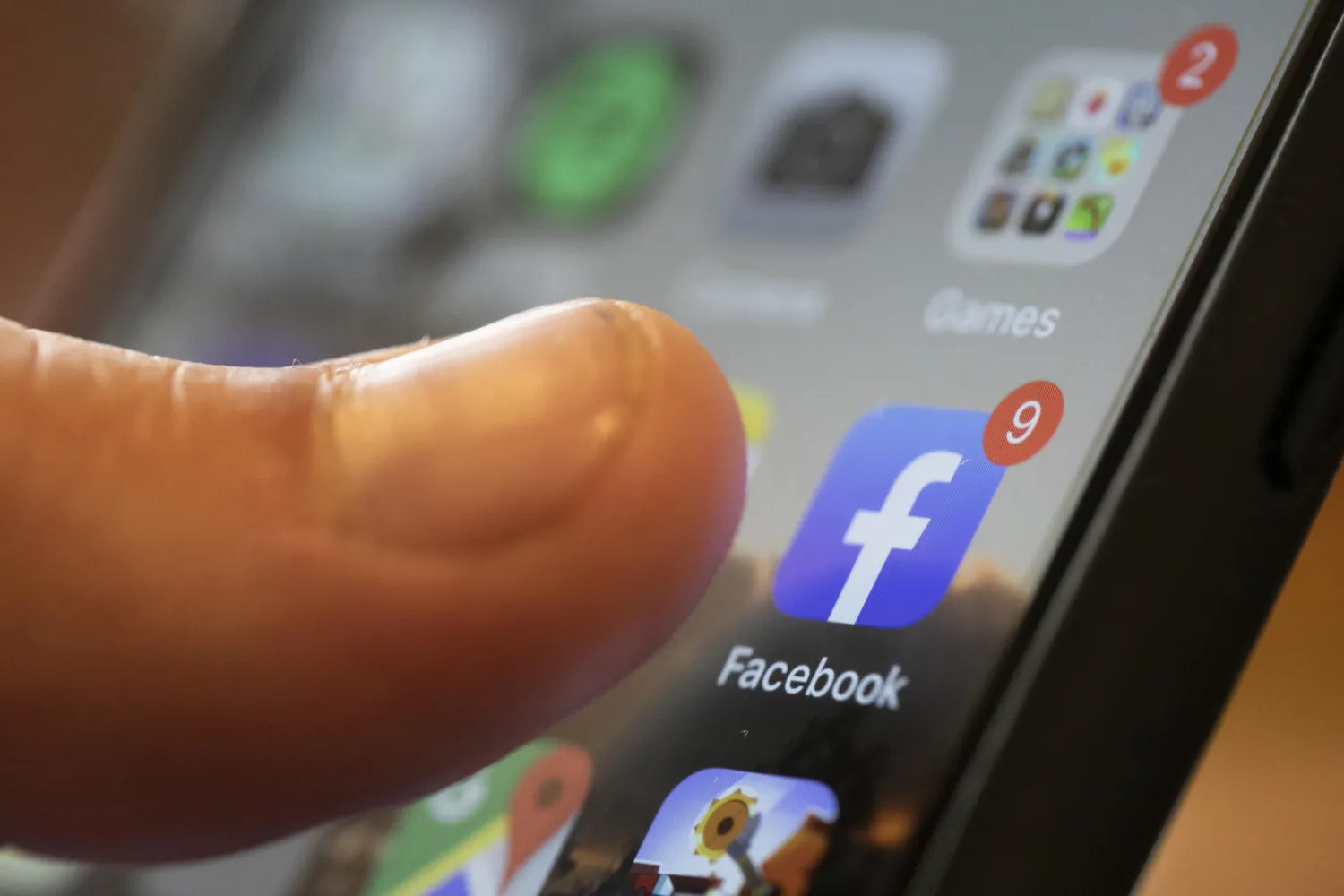
FILE - An iPhone displays the Facebook app in New Orleans, Aug. 11, 2019. (AP Photo/Jenny Kane, File)
TT

Facebook Misses Election Misinfo in Brazil Ads

FILE - An iPhone displays the Facebook app in New Orleans, Aug. 11, 2019. (AP Photo/Jenny Kane, File)

Facebook failed to detect blatant election-related misinformation in ads ahead of Brazil’s 2022 election, a new report from Global Witness has found, continuing a pattern of not catching material that violates its policies the group describes as “alarming.”

The advertisements contained false information about the country’s upcoming election, such as promoting the wrong election date, incorrect voting methods and questioning the integrity of the election — including Brazil's electronic voting system, The Associated Press said.

This is the fourth time that the London-based nonprofit has tested Meta's ability to catch blatant violations of the rules of its most popular social media platform— and the fourth such test Facebook has flubbed. In the three prior instances, Global Witness submitted advertisements containing violent hate speech to see if Facebook's controls — either human reviewers or artificial intelligence — would catch them. They did not.

“Facebook has identified Brazil as one of its priority countries where it’s investing special resources specifically to tackle election-related disinformation,” said Jon Lloyd, senior advisor at Global Witness. “So we wanted to really test out their systems with enough time for them to act. And with the US midterms around the corner, Meta simply has to get this right — and right now.”

Brazil's national elections will be held on Oct. 2 amid high tensions and disinformation threatening to discredit the electoral process. Facebook is the most popular social media platform in the country. In a statement, Meta said it has “ prepared extensively for the 2022 election in Brazil.”

“We’ve launched tools that promote reliable information and label election-related posts, established a direct channel for the Superior Electoral Court (Brazil's electoral authority) to send us potentially-harmful content for review, and continue closely collaborating with Brazilian authorities and researchers,” the company said.

In 2020 Facebook began requiring advertisers who wish to run ads about elections or politics to complete an authorization process and include “paid for by” disclaimers on them, similar to what it does in the US The increased safeguards follow the 2016 US presidential elections, when Russia used rubles to pay for political ads designed to stoke divisions and unrest among Americans.

Global Witness said it broke these rules when it submitted the test ads (which were approved for publication but were never actually published). The group placed the ads from outside Brazil, from Nairobi and London, which should have raised red flags.

It was also not required to put a “paid for by” disclaimer on the ads and did not use a Brazilian payment method — all safeguards Facebook says it had put in place to prevent misuse of its platform by malicious actors trying to intervene in elections around the world.

“What’s quite clear from the results of this investigation and others is that their content moderation capabilities and the integrity systems that they deploy in order to mitigate some of the risk during election periods, it’s just not working,” Lloyd said.

The group is using ads as a test and not regular posts because Meta claims to hold advertisements to an “even stricter” standard than regular, unpaid posts, according to its help center page for paid advertisements.

But judging from the four investigations, Lloyd said that's not actually clear.
“We we are constantly having to take Facebook at their word. And without a verified independent third party audit, we just can’t hold Meta or any other tech company accountable for what they say they’re doing,” he said.

Global Witness submitted ten ads to Meta that obviously violated its policies around election-related advertising. They included false information about when and where to vote, for instance and called into question the integrity of Brazil's voting machines — echoing disinformation used by malicious actors to destabilize democracies around the world.

In another study carried out by the Federal University of Rio de Janeiro, researchers identified more than two dozen ads on Facebook and Instagram, for the month of July, that promoted misleading information or attacked the country’s electronic voting machines.

The university’s internet and social media department, NetLab, which also participated in the Global Witness study, found that many of those had been financed by candidates running for a seat at a federal or state legislature.

This will be Brazil's first election since far-right President Jair Bolsonaro, who is seeking reelection, came to power. Bolsonaro has repeatedly attacked the integrity of the country's electronic voting system.

“Disinformation featured heavily in its 2018 election, and this year’s election is already marred by reports of widespread disinformation, spread from the very top: Bolsonaro is already seeding doubt about the legitimacy of the election result, leading to fears of a United States-inspired January 6 ‘stop the steal’ style coup attempt,” Global Witness said.

In its previous investigations, the group found that Facebook did not catch hate speech in Myanmar, where ads used a slur to refer to people of East Indian or Muslim origin and call for their deaths; in Ethiopia, where the ads used dehumanizing hate speech to call for the murder of people belonging to each of Ethiopia’s three main ethnic groups; and in Kenya, where the ads spoke of beheadings, rape and bloodshed.



Russia Confirms Ban on WhatsApp, Says No Plans to Block Google

Men pose with smartphones in front of displayed Whatsapp logo in this illustration September 14, 2017. REUTERS/Dado Ruvic/File Photo
TT

Russia Confirms Ban on WhatsApp, Says No Plans to Block Google

Men pose with smartphones in front of displayed Whatsapp logo in this illustration September 14, 2017. REUTERS/Dado Ruvic/File Photo

Russia has blocked the popular messaging service WhatsApp over its failure to comply with local legislation, the Kremlin said Thursday, urging its 100 million Russian users to switch to a domestic alternative.

Moscow has for months been trying to shift Russian users onto Max, a domestic messaging service that lacks end-to-end encryption and that activists have called a potential tool for surveillance.

"As for the blocking of WhatsApp ... such a decision was indeed made and implemented," Kremlin spokesman Dmitry Peskov told reporters.

Peskov said the decision was due to WhatsApp's "reluctance to comply with the norms and letter of Russian law".

"Max is an accessible alternative, a developing messenger, a national messenger. And it is an alternative available on the market for citizens," he said.

Anton Gorelkin, a member of the Russian parliament and vice chair of its IT committee, said on Thursday that there were no plans to block Google in Russia.

WhatsApp, owned by US social media giant Meta, said Wednesday that it believed Russia was attempting to fully block the service in a bid to force users onto Max.

"We continue to do everything we can to keep users connected," it said.


Samsung Starts Mass Production of Next-gen AI Memory Chip

A man walks past the logo of Samsung Electronics displayed on a glass door at the company's Seocho building in Seoul on January 29, 2026. (Photo by Jung Yeon-je / AFP)
TT

Samsung Starts Mass Production of Next-gen AI Memory Chip

A man walks past the logo of Samsung Electronics displayed on a glass door at the company's Seocho building in Seoul on January 29, 2026. (Photo by Jung Yeon-je / AFP)

Samsung Electronics has started mass production of a next-generation memory chip to power artificial intelligence, the South Korean firm announced Thursday, touting an "industry-leading" breakthrough.

The high-bandwidth "HBM4" chips are a key component for AI data centers, with US tech giant Nvidia -- now the world's most valuable company -- widely expected to be one of Samsung's main customers.

Samsung said it had "begun mass production of its industry-leading HBM4 and has shipped commercial products to customers".

"This achievement marks a first in the industry, securing an early leadership position in the HBM4 market," AFP quoted it as saying in a statement.

A global frenzy to build AI data centers has sent orders for advanced, high-bandwidth memory microchips soaring.

South Korea's two chip giants, SK hynix and Samsung, have been racing to start HBM4 production.

Taipei-based research firm TrendForce predicts that memory chip industry revenue will surge to a global peak of more than $840 billion in 2027.

The South Korean government has pledged to become one of the world's top three AI powers, alongside the United States and China.

Samsung and SK hynix are among the leading producers of high-performance memory chips.


Siemens Energy Trebles Profit as AI Boosts Power Demand

FILED - 05 August 2025, Berlin: The "Siemens Energy" logo can be seen in the entrance area of the company. Photo: Britta Pedersen/dpa
TT

Siemens Energy Trebles Profit as AI Boosts Power Demand

FILED - 05 August 2025, Berlin: The "Siemens Energy" logo can be seen in the entrance area of the company. Photo: Britta Pedersen/dpa

German turbine maker Siemens Energy said Wednesday that its quarterly profits had almost tripled as the firm gains from surging demand for electricity driven by the artificial intelligence boom.

The company's gas turbines are used to generate electricity for data centers that provide computing power for AI, and have been in hot demand as US tech giants like OpenAI and Meta rapidly build more of the sites.

Net profit in the group's fiscal first quarter, to end-December, climbed to 746 million euros ($889 million) from 252 million euros a year earlier.

Orders -- an indicator of future sales -- increased by a third to 17.6 billion euros.

The company's shares rose over five percent in Frankfurt trading, putting the stock up about a quarter since the start of the year and making it the best performer to date in Germany's blue-chip DAX index.

"Siemens Energy ticked all of the major boxes that investors were looking for with these results," Morgan Stanley analysts wrote in a note, adding that the company's gas turbine orders were "exceptionally strong".

US data center electricity consumption is projected to more than triple by 2035, according to the International Energy Agency, and already accounts for six to eight percent of US electricity use.

Asked about rising orders on an earnings call, Siemens Energy CEO Christian Bruch said he thought the first-quarter figures were not "particularly strong" and that further growth could be expected.

"Demand for gas turbines is extremely high," he said. "We're talking about 2029 and 2030 for delivery dates."

Siemens Energy, spun out of the broader Siemens group in 2020, said last week that it would spend $1 billion expanding its US operations, including a new equipment plant in Mississippi as part of wider plans that would create 1,500 jobs.

Its shares have increased over tenfold since 2023, when the German government had to provide the firm with credit guarantees after quality problems at its wind-turbine unit.