


Nazik al-Malaika’s ‘Cholera’ and Free Verse Poetry

Book, poetry reading
TT

Nazik al-Malaika’s ‘Cholera’ and Free Verse Poetry

Book, poetry reading

Critic Muhammad Abdul Muttalib published a new book, “Poetry Reading”, in collaboration with the General Egyptian Book Authority. It includes readings of selected poems written by classic poets like Ahmed Shawqi, and Elia Abu Madi. It also dedicates a special, wide space for one of the most esteemed Arabic poetry experiences in the 20th century, Nazik al-Malaika, an Iraqi poet and academic professor whose journey was influenced by a father, who practiced zajal, and a mother who wrote poetry.

Nazik graduated from Dar Al Moalemeen and started her academic journey with a scholarship to study literary criticism in the United States, where she also studied comparative literature, in 1954. Her first poetry collection, “Night Lover”, was released in 1947, including “Cholera”, a poem described as free poetry. Her second collection, “Shards and Ashes” saw the light in 1949, featuring several poems written in a modern style, followed by a third collection, “Wave Decision” in 1957. She also wrote a book, “Causes of Contemporary Poetry” (1962) that discussed free poetry.

Abdul Muttalib believes that discussions of the “Cholera” poem, which marks an important milestone in Nazik’s experience, should be preceded by discussing the “beginnings” of free poetry. Nazik al-Malaika claims that she created the so-called free poetry movement in Iraq. But when she made this remark, she didn’t know that many made similar attempts before her including Ali Ahmad Bakathir, Muhammad Farid Abu Hadid, Mahmoud Hassan Ismail, and Louis Awad.

The critic notes that Nazik’s first and second claim, in which she admits that some poets preceded her to this style, were made in 1962 and 1974, during which the first and fourth prints of her book, “Causes of Contemporary Poetry” were published.

Opinions were diverse on who debuted the free poetry movement; some suggest it started in Iraq, in 1921, while others claim it emerged in Egypt, in 1932. This divergence pushed Nazik to set four terms that define free poetry: a poet should be aware he’s working with a new rhythmic pattern, the pattern should catch the attention of the audience, a poet should present his work with an explanation, and call peers to follow and analyze his work.

Abdul Muttalib explains that the “Cholera” poem was based on “hearing”; it revolves around a radio station that announces the outbreak of cholera in Egypt, how victims are increasing every day, and how the poet is coping with a tragedy.

The two main terms used in the poem created a sad writing field: “night” inspires darkness, while “death” (used six times in the poem) recalls pain, cries, and tears. This dark background was effective in turning the writing path into a dramatic clash on the level of sound and action. The first lines of the poem imply that the poem is close to a romantic moment, but then drama hits with silence and yelling.

“It seems the poetic culture rooted in Nazik’s consciousness transformed the day into an extension of the night, which means salvation was delusional. This type of expression was already seen in a poem by Imruʾ al-Qais,” the author said.


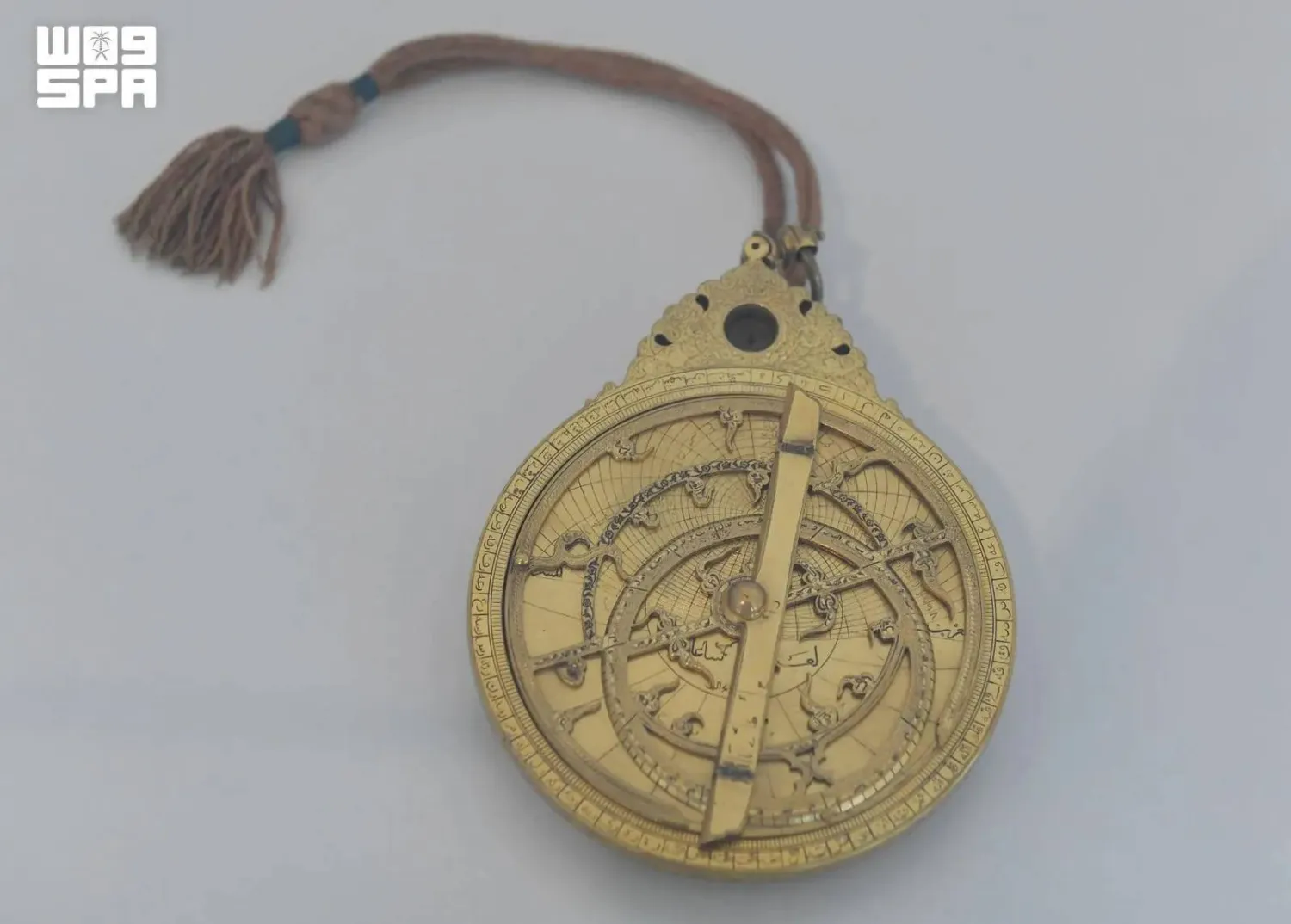

Heritage Commission Wins 2025 New York Product Design Award

Heritage Commission Wins 2025 New York Product Design Award
TT

Heritage Commission Wins 2025 New York Product Design Award

Heritage Commission Wins 2025 New York Product Design Award

The Heritage Commission achieved a new international milestone after winning the Silver Category at the 2025 New York Product Design Awards for its creative work, Al-Qaayed Craft Mural, one of the most prominent products of the Artisans House in Jazan Region.

This recognition coincides with the Year of Handicrafts 2025, launched by the Kingdom to strengthen the presence of traditional crafts and highlight their cultural and economic value. The award reflects the commission’s ability to present Saudi handicrafts in contemporary forms that keep pace with innovation while showcasing the richness of national identity, SPA reported.

With this achievement, the Heritage Commission has raised its total award count this year to six, including five international honors and one regional distinction, bringing its overall accolades since establishment to 13 across the fields of heritage, handicrafts, and design.

The commission emphasized that this international recognition embodies its ongoing commitment to preserving and developing handicrafts within the framework of the Year of Handicrafts 2025.

It also highlights the integration of efforts by its specialized teams and its effective local and international partnerships to support male and female artisans and enable their products to reach global creative platforms, in line with the objectives of Saudi Vision 2030.


Saudi National Museum Celebrates World Arabic Language Day with Focus on Heritage, Crafts

The Saudi National Museum is organizing a cultural program to celebrate World Arabic Language Day 2025, which is observed annually on December 18
TT

Saudi National Museum Celebrates World Arabic Language Day with Focus on Heritage, Crafts

The Saudi National Museum is organizing a cultural program to celebrate World Arabic Language Day 2025, which is observed annually on December 18

Saudi Arabia’s National Museum is organizing a cultural program to celebrate World Arabic Language Day 2025, which is observed annually on December 18.

The program will run over three days, offering visitors a unique experience that combines heritage, arts, and the Arabic language.

The celebration will feature a series of cultural and intellectual dialogues exploring the human and cultural dimensions of the Arabic language.

A key highlight is a session titled "the aesthetics of language in Saudi folk songs," which will examine the relationship between traditional folk songs and highlight the role of language in preserving cultural heritage, connecting tools and crafts to the living heritage of Saudi societies.

The program also offers visitors a unique opportunity to explore literary and cultural works through a book signing session with a conversational style, allowing direct interaction with authors and the exploration of the aesthetics of Arabic in their texts.

The program will conclude its activities with a series of workshops, interactive activities, and artistic performances that reflect the richness and diversity of traditional crafts and arts, providing visitors with an exceptional cultural experience that blends discovery, knowledge, and celebration of living heritage.


Saudi Culture Ministry Signs Partnership with ESSEC Business School for Riyadh University of Arts

The signing ceremony was held at Fenaa Alawwal, a leading cultural hub in Riyadh’s Diplomatic Quarter. SPA
TT

Saudi Culture Ministry Signs Partnership with ESSEC Business School for Riyadh University of Arts

The signing ceremony was held at Fenaa Alawwal, a leading cultural hub in Riyadh’s Diplomatic Quarter. SPA

The Saudi Ministry of Culture signed on Sunday a partnership with ESSEC Business School, for Riyadh University of Arts (RUA)’s College of Cultural Management, to nurture creative talent and foster cross-cultural exchange, according to a statement issued by the ministry

The signing ceremony was held at Fenaa Alawwal, a leading cultural hub in Riyadh’s Diplomatic Quarter. Deputy Minister for National Partnerships and Talent Development at the Culture Ministry Noha Kattan signed for Riyadh University of Arts, while Dean and President of the ESSEC Business School Vincenzo Vinzi signed on behalf of ESSEC Business School.

Under this partnership, ESSEC will collaborate with RUA to co-design and deliver specialized programs for the College of Cultural Management, equipping future leaders with the skills to shape the evolving cultural landscape.

Founded in 1907, ESSEC Business School is among Europe’s most prestigious institutions, recognized for its academic excellence, global reach, and commitment to innovation and ethical leadership. Its programs emphasize experiential learning and empower students to drive meaningful impact across industries.

Riyadh University of Arts will offer a progressive educational framework spanning all levels and disciplines within the arts and culture sectors, including short courses, diplomas, bachelor’s, higher diplomas, master’s, and doctoral programs.

Further details on RUA, its academic programs, and international partnerships will be available on its official website, set to launch in the first quarter of 2026.

The statement added that the partnership with ESSEC is part of a series of partnerships and MoUs between Riyadh University of Arts and top-tier international institutions, advancing academic excellence, research collaboration, and world-class cultural education.