


Jeddah Summit...Regional Coordination to Face Challenges

 File photo of the meeting of foreign ministers of the countries bordering the Red Sea and Gulf of Aden (Asharq Al-Awsat)
File photo of the meeting of foreign ministers of the countries bordering the Red Sea and Gulf of Aden (Asharq Al-Awsat)
TT

Jeddah Summit...Regional Coordination to Face Challenges

 File photo of the meeting of foreign ministers of the countries bordering the Red Sea and Gulf of Aden (Asharq Al-Awsat)
File photo of the meeting of foreign ministers of the countries bordering the Red Sea and Gulf of Aden (Asharq Al-Awsat)

The Council of Arab and African States bordering the Red Sea and Gulf of Aden will hold its first summit in Jeddah on Thursday, to discuss means to enhance the security of navigation and global trade.

The council, which was established in early 2020, seeks to expand political and economic cooperation and unify efforts to enhance navigation security and protect waterways and vital straits in the Red Sea and Gulf of Aden.

Political researcher Abdo Salem said that the council would set practical mechanisms to merge the security systems of the Arabian Sea and the Gulf of Aden with the Red Sea and Bab al-Mandeb, with the aim to curb the Iranian influence and other threats that lie in the Arabian Sea basin.

For his part, researcher in strategic and military studies Dr. Muhammad Al-Harbi said that the Jeddah summit would be held at an important time, in view of the accelerating events at the political, economic and military levels.

He explained that world powers were competing to draw a modern geopolitical map, in the wake of the Covid-19 pandemic, the Russian-Ukrainian war and its repercussions on energy, oil, and supply chains, in addition to the escalating Cold War between the United States and China.

Al-Harbi added that Saudi Arabia would assume an important role within the council, as a key political, economic, military and religious center, “embodying the concept of diversity and strategic balance, promoting security, stability, prosperity and comprehensive sustainable development in all fields, and confronting the various regional and international threats and challenges.”

“In this regard, it has become necessary to develop and activate an effective, advanced, realistic and applicable strategic vision, to guarantee the security of the Arabian Gulf and Red Sea regions in the face of various international and regional threats and challenges.”

Custodian of the Two Holy Mosques King Salman bin Abdulaziz had invited the leaders of the GCC countries to participate in the work and discussions of the one-day summit, which is held in the city of Jeddah on the Red Sea coast.

The summit agenda addresses a range of topics, topped by the situation in Yemen and the Horn of Africa, the security of water navigation and international trade routes, and their economic, commercial and investment importance to the global economy.


Saudi Arabia Says Will Not Allow Practices That Deviate Hajj from its Objectives

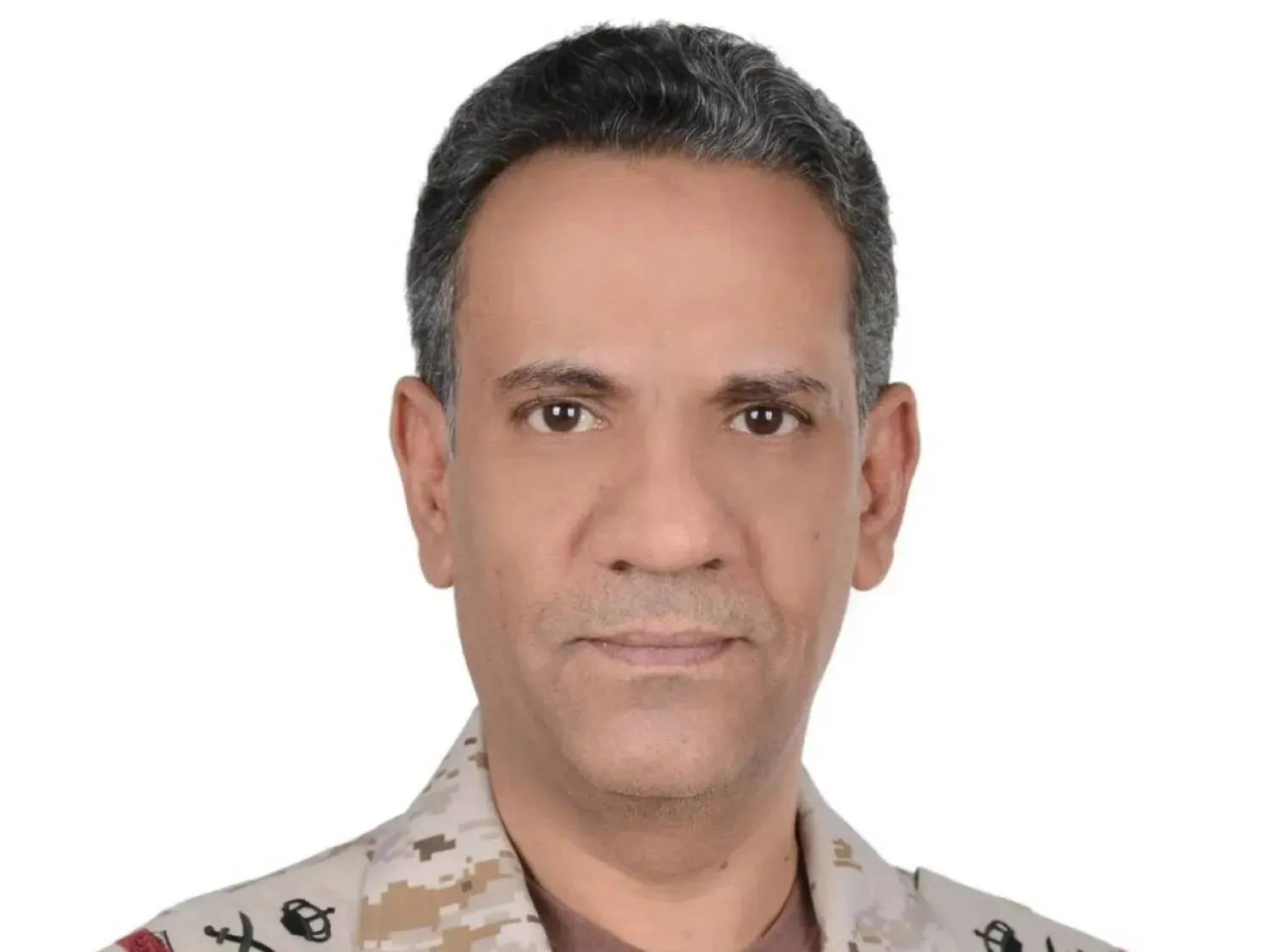
Security commanders are seen at the press conference in Makkah on Friday (Bashir Saleh)
TT

Saudi Arabia Says Will Not Allow Practices That Deviate Hajj from its Objectives

Security commanders are seen at the press conference in Makkah on Friday (Bashir Saleh)

Saudi Arabia said it would not allow the Hajj to be used for any activity that strays from its religious purpose, as more than 1.5 million pilgrims arrived from abroad by Friday afternoon.

He made his statement during a press conference by Hajj security commanders at the Unified Security Operations Center (911) in the Makkah region.

Officials outlined security, traffic, and organizational plans for this year’s holy pilgrimage, along with related instructions and guidelines.

Lt. Gen. Mohammed Al-Bassami, director of Public Security, said the Hajj security system was fully ready to carry out its duties.

“Our goal is for pilgrims to reach their destination, perform their rituals, and return home safely,” he stressed.

Al-Bassami said crowd management plans focused on regulating pilgrim flows and minimizing overlap between routes. Technology, he said, was playing a key role alongside security personnel on the ground.

He said authorities were prepared for various scenarios based on risk assessments, following extensive drills and field exercises to test the readiness of all security agencies.

Lt. Gen. Mohammed Al-Omari, commander of the Special Emergency Forces at the Presidency of State Security, described the security plans as “integrated, proactive and flexible.” He said security forces were deployed in the central area and the holy sites to protect pilgrims.

Maj. Gen. Dr. Hammoud Al-Faraj, director general of Civil Defense, said preparations for the Hajj season were complete.

“We trained all bodies involved in serving pilgrims on self-protection,” he said, adding that male and female volunteers were working alongside Civil Defense personnel across all tasks and operations.

Maj. Gen. Dr. Saleh Al-Murabba, commander of the Passports Forces for Hajj, said the “Makkah Route” initiative accounted for 30% of arriving pilgrims. He said 1,518,153 pilgrims had arrived from outside Saudi Arabia by Friday afternoon.


Saudi, Pakistani Interior Ministers Discuss Security Cooperation

Saudi Minister of Interior Prince Abdulaziz bin Saud bin Naif bin Abdulaziz. (SPA)
TT

Saudi, Pakistani Interior Ministers Discuss Security Cooperation

Saudi Minister of Interior Prince Abdulaziz bin Saud bin Naif bin Abdulaziz. (SPA)

Saudi Minister of Interior Prince Abdulaziz bin Saud bin Naif bin Abdulaziz received on Friday a telephone call from his Pakistani counterpart Mohsin Naqvi for talks on issues of common interest.

They also reviewed aspects of security cooperation and coordination.


Saudi Leadership Congratulates Yemen on Unity Day

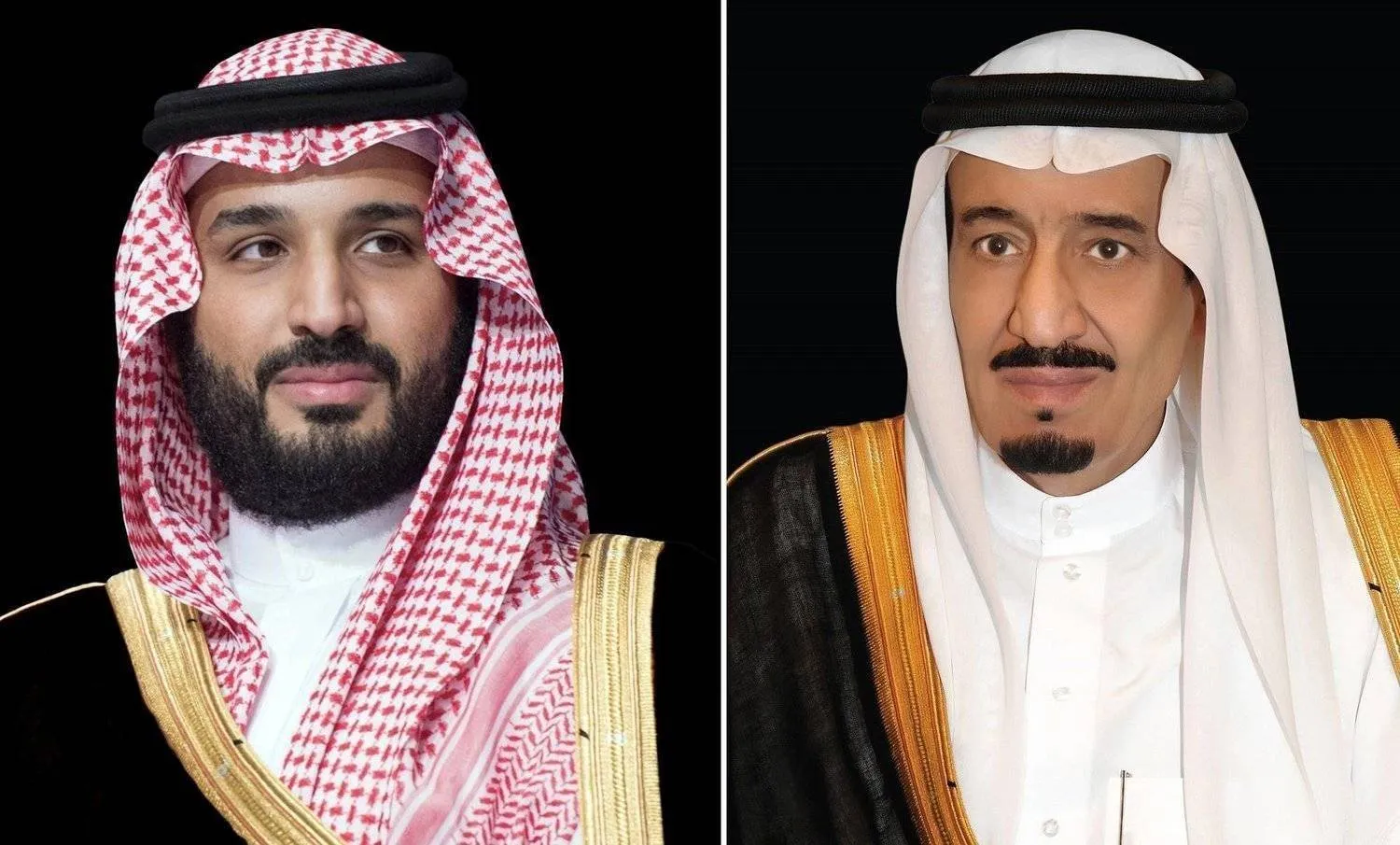
Custodian of the Two Holy Mosques King Salman bin Abdulaziz Al Saud and Prince Mohammed bin Salman bin Abdulaziz Al Saud, Crown Prince and Prime Minister. (SPA)
TT

Saudi Leadership Congratulates Yemen on Unity Day

Custodian of the Two Holy Mosques King Salman bin Abdulaziz Al Saud and Prince Mohammed bin Salman bin Abdulaziz Al Saud, Crown Prince and Prime Minister. (SPA)

Custodian of the Two Holy Mosques King Salman bin Abdulaziz Al Saud sent on Friday a cable of congratulations to Chairman of Yemen's Presidential Leadership Council Dr. Rashad Mohammed Al-Alimi on the occasion of his country's Unity Day.

King Salman wished the president continued good health, and the government and people of Yemen further security and stability.

Prince Mohammed bin Salman bin Abdulaziz Al Saud, Crown Prince and Prime Minister, sent Al-Alimi a similar cable on the occasion.