


How Did Queen Elizabeth Embody British Spirit in Classic, Whimsical Way?

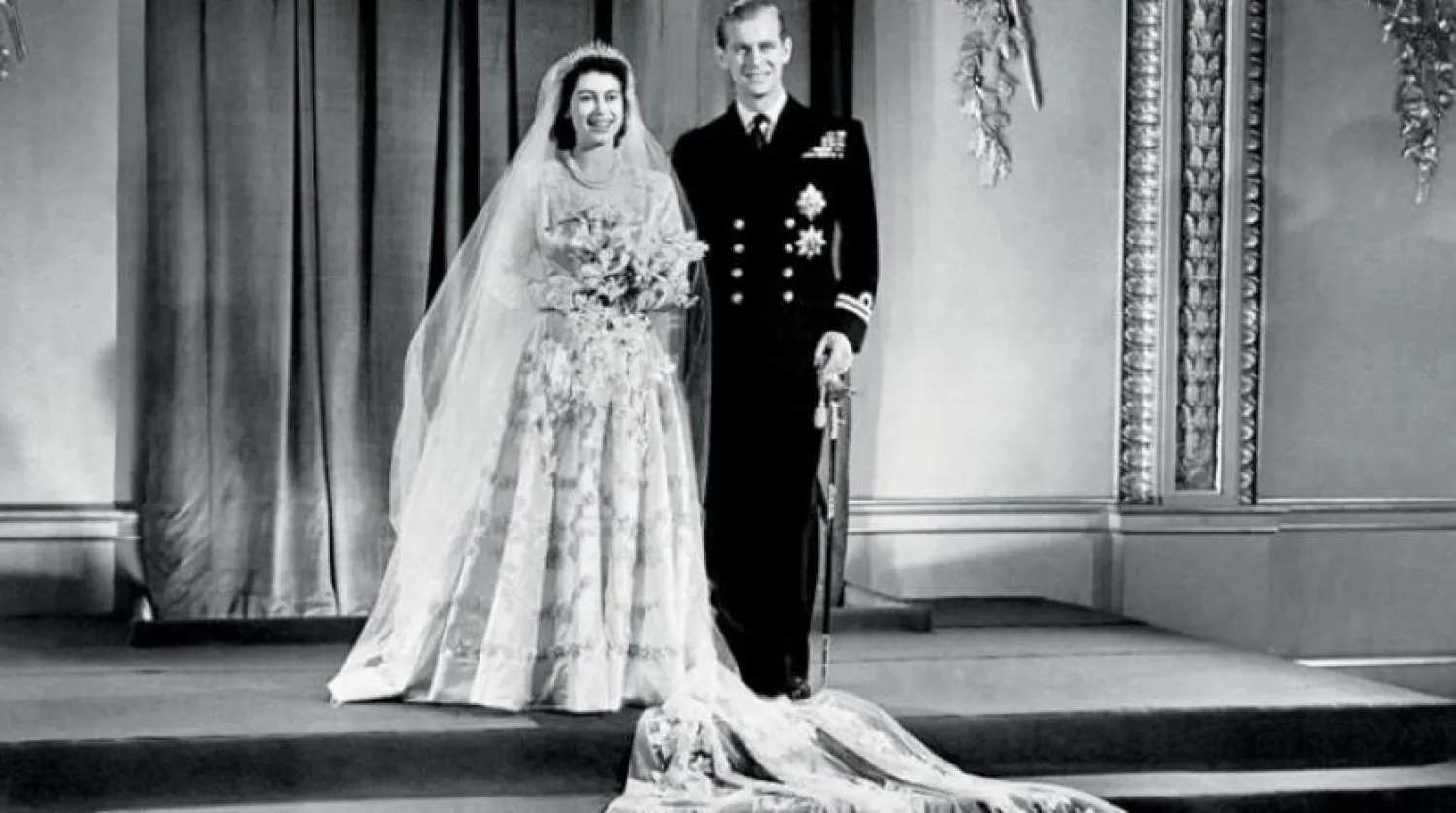
The official wedding picture of Princess Elizabeth and her new husband the Duke of Edinburgh, after their return to Buckingham Palace in November, 1947. dpa
TT

How Did Queen Elizabeth Embody British Spirit in Classic, Whimsical Way?

The official wedding picture of Princess Elizabeth and her new husband the Duke of Edinburgh, after their return to Buckingham Palace in November, 1947. dpa

When Liz Truss, the newly appointed Prime Minister of the United Kingdom, addressed her speech following the announcement of the death of Queen Elizabeth II, on Thursday, she said “the queen was the rock on which modern Britain was built…She has been a personal inspiration to me and to many Britons.”

Her last sentence reminded us that the queen is also the tree from which bourgeoned the foundations of the modern British fashion, and a source of inspiration for many designers. Her effect was huge since she was crowned as the Queen of Britain, she was the best to reflect a boldness mixed with a conservative, classic sense, and a whimsicality that makes a key element of fashion and British culture in general. The pictures posted in newspapers, magazines, and social media platforms these days prove that the queen’s sobriety and respect for traditions hid an audacity reflected by the bright colors and hats that can only be spotted at the Royal Ascot.

However, the queen had always worn them like if she was saying loyalty to one style and sustainability are indivisible.

The queen never presented herself as a fashion influencer or passionate like her sister Marguerite and Jacqueline Kennedy, but she was always aware that she’s under the microscope, and pictures are way more significant than words when it comes to a queen that cannot explicitly express her political inclinations and personal thoughts. With time, she managed to create a special position for herself, one that goes beyond the image of the beautiful woman to a queen that had never waived her charm.

Shortly after becoming the queen, she attended a movie premiere in London wearing a black and white dress designed by the palace’s couturier Norman Hartnell, and matched it with white gloves, and a simple tiara to look like an elegant star that stole lights. In the next day, the dress she wore was the request of every British woman. The Barbour country coats and jackets, headscarves, and tartan skirts she wore in non-official appearances have also become a style for members of the high social class and aristocrats, and a source of inspiration for many designers.

Ahead of his 2016 show in Westminster Abby, London, Alessandro Michele, creative director of Gucci, described her as “one of the weirdest people on earth” but in a positive way. He was inspired by her like many other designers including the rebellious Vivienne Westwood, Miuccia Prada, and late Karl Lagerfeld, who said in 2014 that despite all this whimsicality and exaggerated classic sense, “She is never ridiculous; she is flawless.”

Burberry's creative director Riccardo Tisci said it’s impossible to ignore the monarch’s style because it’s an integral part of Burberry’s style in Britain. “She’s one of the world’s most elegant and decent women, and this is what makes Britain an amazing place that combines class and sophistication with the desire of rebellious self-expression.” Designers don’t usually like this appreciation of her style, which doesn’t change or follow fashion seasonal trends, because they often rely on change and controversy to attract customers and make profits. Therefore, some of them went to use her style with some modern, trendy twists. In his Spring/Summer 2011 collection, Designer Christopher Kane presented designs inspired by Norman Hartnell but in flashy neon colors; and in 2018, Erdem Moralıoğl inspired his spring/summer collection from a photo of the queen she took with Duke Ellington in 1958.

Designer Richard Quinn owed his fame to the queen, who attended his fashion show in 2018, and awarded him the Queen Elizabeth Award. This was the first fashion show she attends in person since she became a queen, as a message to support young designers and the London Fashion Week. Her wedding dress was made of Damascene Damask in which craftsman Qassim Ayoubi used gold threads to create the “Elizabeth carving,” later known as the “lover and beloved”.

The queen valued and appreciated the beauty of the dress she received as a gift from the Syrian government in 1947, or maybe she wanted to send a certain message through it, as she had always used her garments and accessories to deliver diplomatic messages, especially during her official meetings with kings and statemen, or in her visits abroad.

Her passion for fashion was nurtured in her early years by her father King George V, who used her in his early rule to gain acceptance and popularity after his brother Edward waived his crown because of a woman, the elegant Alice Simpson. At the time, King George recruited couturier Norman Hartnell to design creative, yet conservative and respectful outfits for his wife and two daughters, Elizabeth and Marguerite. After her father’s death in 1952, Elizabeth requested Hartnell to design a dress for her crowning ceremony. She wanted a dress that reflects the grandness of the occasion, and at the same time, promises the government and the people that she is eligible for her new responsibility.

Her attention to details and the reflection of her outfits had persisted until her last day, not only because she knew she’s a woman in a world dominated by men, so she has to be elegant and unattainable, but also because she never tolerated mistakes in this field. In an interview with The Times newspaper in 2021, couturier Stewart Parvin, who worked with the queen since the 2000s, revealed that the monarch archives her dresses based on dates and occasions, so she doesn’t wear the same outfit twice with the same person. “Some said she doesn’t wear the same dress twice, but that wasn’t true. It’s just that she was very careful in her choices. If she wants to meet President Obama for instance, she can’t wear the same dress she wore when she met him the last time,” he explained.

The queen has died, but her style will always be inspirational for the unique, classic British spirit, and it would be so hard to replace what she had calmly rooted over decades.



Caffeinated Beverages May Help Protect the Brain, Study Says

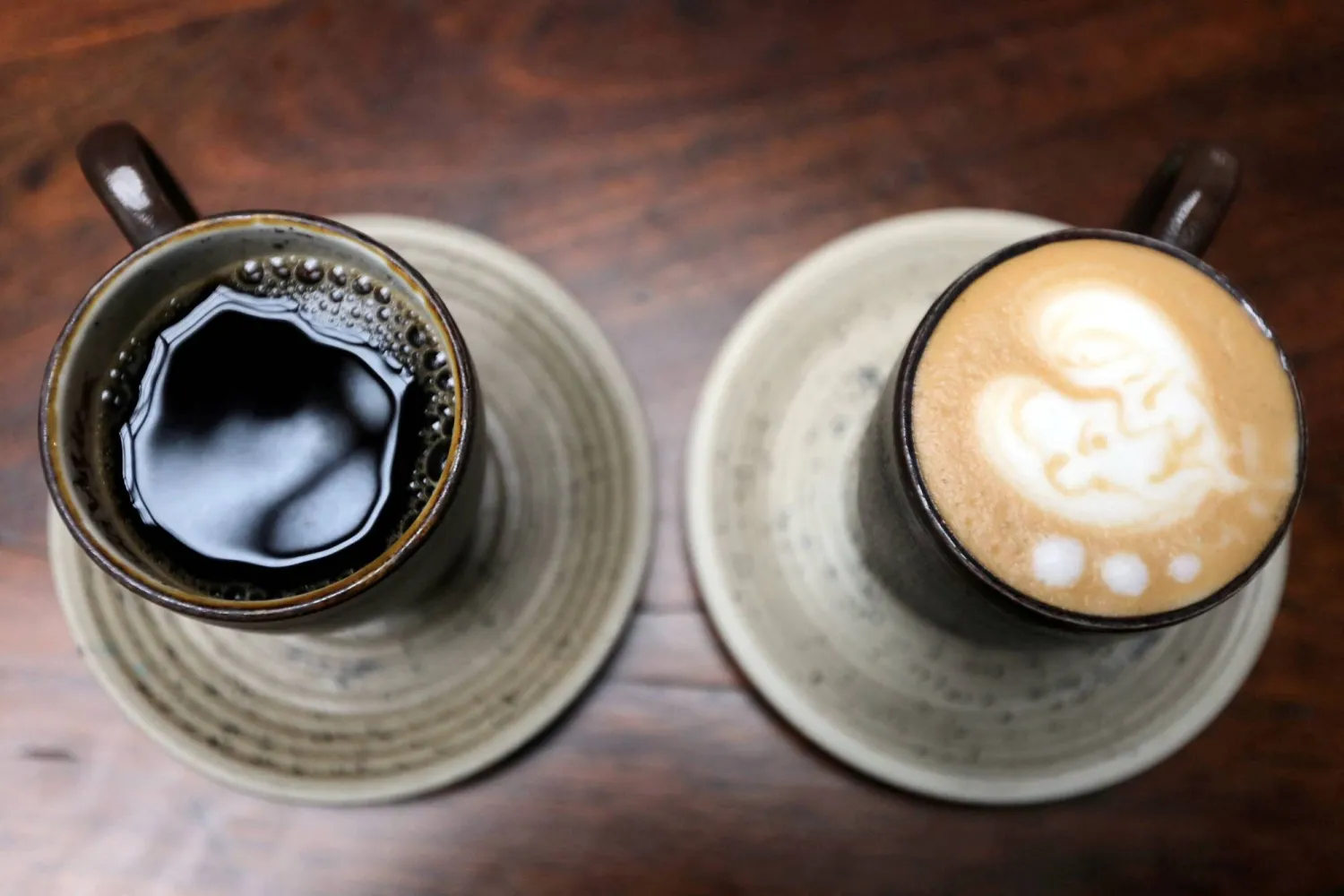
A cup of coffee and a cappuccino are seen at a Juan Valdez store in Bogota, Colombia June 5, 2019. (Reuters)
TT

Caffeinated Beverages May Help Protect the Brain, Study Says

A cup of coffee and a cappuccino are seen at a Juan Valdez store in Bogota, Colombia June 5, 2019. (Reuters)

Drinking a few cups of caffeinated coffee or tea every day may help in a small way to preserve brain power and prevent dementia, researchers reported on Monday.

People with the highest daily intake of caffeinated coffee had an 18% lower risk of developing dementia compared to those with the lowest such intake, according to a study based on responses to questionnaires by 132,000 U.S. adults spanning four decades.

The study, published in JAMA, also found that the people with the highest intake had a lower rate - by nearly 2 percentage points - of ‌self-perceived memory ‌or thinking problems compared to those with ‌the ⁠lowest intake.

Results were ‌similar with caffeinated tea, but not with decaffeinated beverages, the researchers said.

While the findings are encouraging, the study does not prove caffeine helps protect the brain, they said.

The magnitude of caffeine's effect, if any, was small, and there are other better-documented ways to protect cognitive function as people age, study leader Dr. Daniel Wang ⁠of Harvard Medical School said in a statement.

Lifestyle factors linked with lower risks of ‌dementia include physical exercise, a healthy diet ‍and adequate sleep, according to previous ‍research.

"Our study suggests that caffeinated coffee or tea consumption can ‍be one piece of that puzzle," Wang said.

The findings were most pronounced in participants who consumed two to three cups of caffeinated coffee or one to two cups of caffeinated tea daily, the researchers reported.

Those who drank caffeinated coffee also showed better performance on some objective tests of cognitive function, according to the ⁠study funded by the National Institutes of Health.

Further research is needed to validate the factors and mechanisms responsible for the findings, the researchers said.

They noted that bioactive ingredients in coffee and tea such as caffeine and polyphenols have emerged as possible factors that reduce nerve cell inflammation and damage while protecting against cognitive decline.

"We also compared people with different genetic predispositions to developing dementia and saw the same results - meaning coffee or caffeine is likely equally beneficial for people with high and low genetic risk of developing ‌dementia," study coauthor Dr. Yu Zhang of the Harvard T.H. Chan School of Public Health said in a statement.


AlUla Announces Exceptional Ramadan Experiences

These programs come as part of efforts to enhance AlUla’s tourism experience - SPA
TT

AlUla Announces Exceptional Ramadan Experiences

These programs come as part of efforts to enhance AlUla’s tourism experience - SPA

AlUla Governorate is welcoming the holy month of Ramadan this year with a wide range of diverse tourism experiences that reflect the area’s distinctive character and rich cultural heritage, reinforcing its position as one of the Kingdom’s most prominent destinations to visit during the holy month.

During Ramadan, AlUla offers an integrated experience catering to different visitor preferences, including guided stargazing experiences, cultural events, and night markets, in addition to traditional dining experiences for Iftar and Suhoor, embodying the depth of AlUla’s cultural heritage and local identity.

The Ramadan programs in AlUla include a variety of standout events, such as Ramadan experiences at Maraya Hall, a cultural market, and live performances in the atmosphere of Ashar Valley, alongside heritage tours in AlUla Old Town that narrate stories of AlUla and its Ramadan customs, including the award-winning Incense Road Experience, SPA reported.

The programs also feature seasonal art exhibitions hosted across multiple cultural venues, including Design Space AlUla, the fourth edition of Desert X AlUla, and the Arduna exhibition at AlUla Oasis, in addition to experiences combining art, nature, and stargazing at Daimumah Oasis in collaboration with AlUla Manara.

Visitors are also offered tours to prominent archaeological sites, including Hegra, Dadan, and Jabal Ikmah, to explore ancient sites dating back centuries BCE and view unique rock inscriptions, as well as adventure experiences ranging from dinner and stargazing in Sharaan, hot-air balloon rides, mountain hiking trails, and safari tours.

These programs come as part of efforts to enhance AlUla’s tourism experience during the holy month of Ramadan and provide diverse options that meet visitor expectations, contributing to the growth of tourism activity and showcasing the governorate’s natural and cultural assets.


NCW Releases over 10,000 Animals under Reintroduction Programs

The releases carried out by the center over the past years included more than 80 priority wildlife species - SPA
TT

NCW Releases over 10,000 Animals under Reintroduction Programs

The releases carried out by the center over the past years included more than 80 priority wildlife species - SPA

The National Center for Wildlife (NCW) announced that the total number of wildlife animals released under its breeding and reintroduction programs for locally threatened species has exceeded 10,000 animals, an achievement reflecting the scale of the center’s sustained efforts to develop wildlife, restore ecosystems, and enhance biodiversity across various regions of the Kingdom.

The releases carried out by the center over the past years included more than 80 priority wildlife species, including reem gazelles (sand gazelles), Arabian oryx, Idmi gazelles, mountain ibex, houbara bustards, ostriches, and sandgrouse, as part of efforts aimed at supporting the recovery of natural populations of these species and enhancing their sustainability within their environmental and historical ranges, SPA reported.

CEO of NCW Dr. Mohammad Qurban noted that release operations are among the key tools for restoring ecosystems and reducing ecological imbalance, as the return of wildlife to their natural habitats contributes to protecting biodiversity and improving environmental quality, which in turn supports habitat integrity, the continuity of plant and animal components, and the enhancement of ecosystem functions over the long term.

NCW continues to implement its strategic plans to develop wildlife, protect endangered species, and enhance the efficiency of natural habitat management through expanding breeding programs, enhancing applied scientific research, building national capacities, and applying the best international practices in biodiversity management, in addition to raising environmental awareness, engaging local communities, and supporting eco-tourism, thereby contributing to achieving the objectives of the Saudi Green Initiative and Saudi Vision 2030, and the National Environment Strategy, toward thriving and sustainable wildlife, biodiversity, and ecosystems.