



IMF: 141 Million People Across Arab World Are Exposed to Food Insecurity

In this file photo taken on May 23, 2022 International Monetary Fund (IMF) managing director Kristalina Georgieva delivers a speech at the Congress center during the World Economic Forum (WEF) annual meeting in Davos. (AFP)
TT

IMF: 141 Million People Across Arab World Are Exposed to Food Insecurity

In this file photo taken on May 23, 2022 International Monetary Fund (IMF) managing director Kristalina Georgieva delivers a speech at the Congress center during the World Economic Forum (WEF) annual meeting in Davos. (AFP)

The International Monetary Fund said on Monday that up to 20 countries, many in Africa, could need emergency assistance to cope with the global food crisis.

IMF Managing Director Kristalina Georgieva, speaking at a conference in Saudi Arabia, also said that 141 million people across the Arab world are exposed to food insecurity.

The IMF on Friday approved a new food shock borrowing window under its existing emergency financing instruments to help vulnerable countries cope with food shortages and high costs stemming from Russia's war in Ukraine.

Georgieva said that 48 countries around the world are particularly exposed to the food crisis.

"Of the 48 countries, about 10-20 are likely to be asking (for emergency assistance)," Georgieva said, adding that "quite a lot of them" are in sub Sahran Africa.

"We are here for you," she promised members at the event.

The IMF will add its voice to fight food trade restrictions in order to ease the situation and plans to fund the food shock window using last year's Special Drawing Rights (SDR) allocations.

Countries across the Middle East region and beyond have stepped in to support states battling high food inflation and shortages made more acute by global geopolitical developments and the growing risk of a global recession.

Georgieva said in a statement that Gulf Arab states "are planning to make further pledges soon" following the Arab Coordination Group's recent announcement of an initial $10 billion to alleviate the global food supply crisis.

The IMF and Saudi Arabia signed an agreement on Monday to set up an IMF regional representative office in Riyadh.

Ensuring social stability through adequate provision of basic foodstuff is a priority beyond the borders of those directly affected, said Alice Gower, director of geopolitics and security at London-based advisory Azure Strategy.

"Staples such as wheat, rice and lentils are at risk of being inaccessible to food poor communities across the region," she told Reuters.

"A desire for regional stability - and therefore security - has seen increased investment from states such as Saudi Arabia and the UAE in countries under financial strain."



EU Condemns Israel's West Bank Control Measures

The Israeli settlement of Har Homa, seen from the West Bank city of Bethlehem, Tuesday, Dec. 17, 2024. (AP)
TT

EU Condemns Israel's West Bank Control Measures

The Israeli settlement of Har Homa, seen from the West Bank city of Bethlehem, Tuesday, Dec. 17, 2024. (AP)

The European Union on Monday condemned new Israeli measures to tighten control of the West Bank and pave the way for more settlements in the occupied Palestinian territory, AFP reported.

"The European Union condemns recent decisions by Israel's security cabinet to expand Israeli control in the West Bank. This move is another step in the wrong direction," EU spokesman Anouar El Anouni told journalists.


Atrocities in Sudan's El-Fasher Were 'Preventable Human Rights Catastrophe'

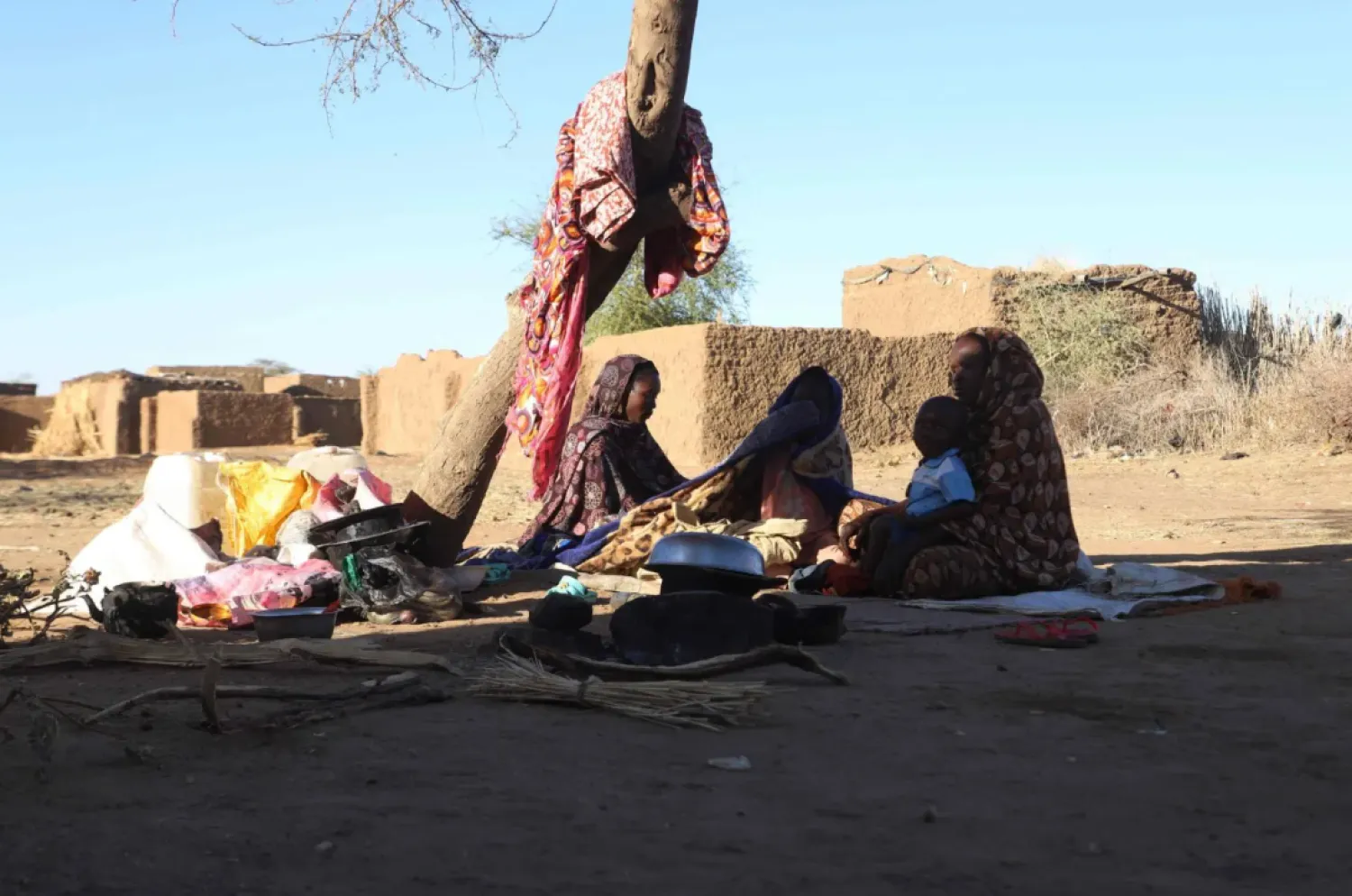
Sudanese displaced people who left El Fasher after its fall, sit in the shade in Tawila at the Rwanda camp reception point on December 17, 2025. (Photo by AFP)
TT

Atrocities in Sudan's El-Fasher Were 'Preventable Human Rights Catastrophe'

Sudanese displaced people who left El Fasher after its fall, sit in the shade in Tawila at the Rwanda camp reception point on December 17, 2025. (Photo by AFP)

The atrocities unleashed on El-Fasher in Sudan's Darfur region last October were a "preventable human rights catastrophe", the United Nations said Monday, warning they now risked being repeated in the neighbouring Kordofan region.


"My office sounded the alarm about the risk of mass atrocities in the besieged city of El-Fasher for more than a year ... but our warnings were ignored," UN rights chief Volker Turk told the Human Rights Council in Geneva.


He added that he was now "extremely concerned that these violations and abuses may be repeated in the Kordofan region".


Arab League Condemns Israel's Decisions to Alter Legal, Administrative Status of West Bank

A general view shows the opening session of the meeting of Arab foreign ministers at the Arab League Headquarters (Reuters)
TT

Arab League Condemns Israel's Decisions to Alter Legal, Administrative Status of West Bank

A general view shows the opening session of the meeting of Arab foreign ministers at the Arab League Headquarters (Reuters)

The General Secretariat of the Arab League strongly condemned decisions by Israeli occupation authorities to impose fundamental changes on the legal and administrative status of the occupied Palestinian territories, particularly in the West Bank, describing them as a dangerous escalation and a flagrant violation of international law, international legitimacy resolutions, and signed agreements, SPA reported.

In a statement, the Arab League said the measures include facilitating the confiscation of private Palestinian property and transferring planning and licensing authorities in the city of Hebron and the area surrounding the Ibrahimi Mosque to occupation authorities.

It warned of the serious repercussions of these actions on the rights of the Palestinian people and on Islamic and Christian holy sites.

The statement reaffirmed the Arab League’s firm support for the legitimate rights of the Palestinian people, foremost among them the establishment of their independent state on the June 4, 1967 borders, with East Jerusalem as its capital.