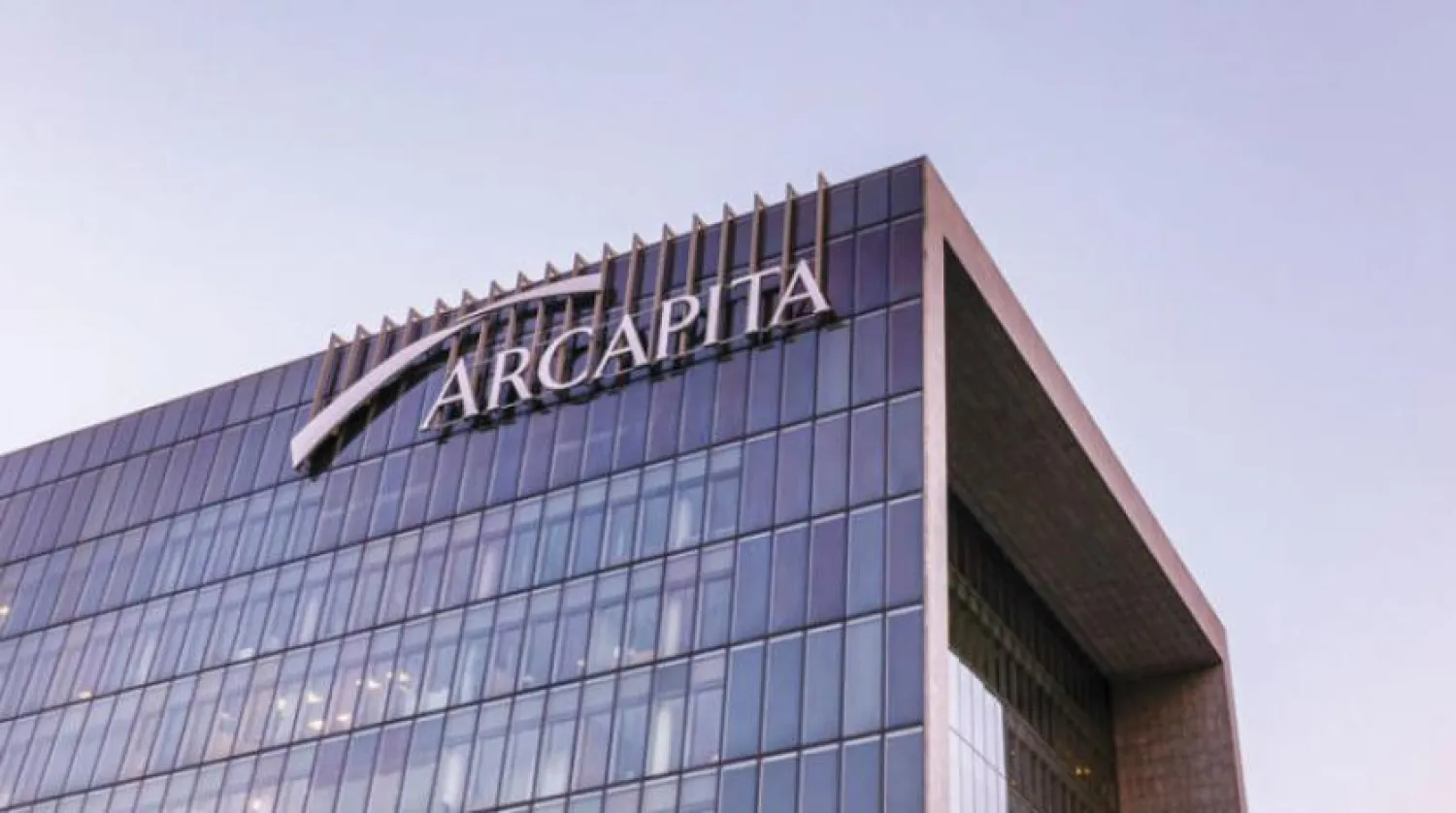
Arcapita Expands in Saudi Arabia, Forms Financial Firm

Arcapita said that the establishment of a financial company will allow it to participate in promising investments in the Saudi market. (Asharq Al-Awsat)
TT

Arcapita Expands in Saudi Arabia, Forms Financial Firm

Arcapita said that the establishment of a financial company will allow it to participate in promising investments in the Saudi market. (Asharq Al-Awsat)

Arcapita Group Holdings, the global alternative investment firm, has formed Arcapita Capital Company, a new subsidiary licensed by the Capital Market Authority of Saudi Arabia with offices in Riyadh, as part of its strategic expansion.

The formation of Arcapita Capital Company will enable the firm to participate in private equity and real estate investments in the Saudi market.

Arcapita intends to leverage growth opportunities driven by the National Industrial Development and Logistics Program, and the Kingdom’s National Investment Strategy, which aims to deploy $3.3 trillion in investments across the economy by 2030.

As the largest economy in the MENA region, Saudi Arabia’s socio-economic transformation under Vision 2030 is driving exceptional growth across several promising sectors.

These include the industrial, logistics, fintech, business services, and healthcare sectors, providing investors with a wealth of untapped opportunities for businesses to thrive.

Chairman of the Board of Directors of Arcapita Abdulaziz Hamad Aljomaih commented: “The opening of an Arcapita office in Saudi Arabia is a significant milestone, allowing us to provide premium services to the growing Saudi market.”

“We are very much looking forward to expanding our business and our new office enables us to work with our strategic partners to target further opportunities in the Kingdom.”

Chief Executive Officer of Arcapita Atif Ahmed Abdulmalik said: “Establishing our first office in Saudi Arabia is a natural next step that demonstrates Arcapita’s continued commitment to Saudi Arabia.”

“Arcapita’s new on-ground presence will enable us to capitalize on an abundance of opportunities in the market, while forging even closer relationships with our clients and investment partners as we continue to grow our global footprint,” Abdulmalik added.

“Many sectors of the Saudi economy are poised to experience very healthy growth, driven by substantial infrastructure investment and demographic shifts. Bringing many years of experience and deep expertise in real estate, Arcapita is particularly well-placed to pursue on opportunities in the industrial and logistics sectors,” he remarked.

“With the new office in place, we are already looking at a number of significantly sized transactions and are anticipating a very active investment pipeline in the coming years.”


US Energy Secretary: Oil Flows Through Hormuz Reach 80-90% of Pre-Conflict Levels

US Energy Secretary Chris Wright participating via video call in the WPC Energy Congress. (Asharq Al-Awsat)
TT

US Energy Secretary: Oil Flows Through Hormuz Reach 80-90% of Pre-Conflict Levels

US Energy Secretary Chris Wright participating via video call in the WPC Energy Congress. (Asharq Al-Awsat)

US Energy Secretary Chris Wright said oil flows through the Strait of Hormuz had recovered to 80% to 90% of pre-conflict levels, averaging 13 million to 14 million barrels per day, while increased flows through alternative pipelines had helped support global supplies.

Speaking via video link at the WPC Energy Congress, Wright said spare production capacity and substantial inventories had helped keep crude oil supplies at manageable levels despite ongoing challenges. The crude oil supply problem was largely under control, but not fully resolved, he said.

The bigger challenge was refined petroleum product flows out of the Arabian Gulf, which remained at just 25% to 35% of pre-conflict levels, worsening shortages of diesel, jet fuel and gasoline.

Refined product shortages add to market pressures

Wright said the decline in Gulf refined product exports coincided with lower supplies from other sources. Russia, once a major diesel supplier, had become a net importer, albeit in limited volumes.

China had sharply cut refined product exports and announced it would not export such products in October, adding to pressure on global markets, he said.

Wright expressed hope that increased output from Chinese refineries, which have spare capacity and are benefiting from attractive profit margins, would help ease shortages. US refineries were also processing crude and producing refined products at record levels, he added.

He said the course of the Russia-Ukraine war and China's policy on refined product exports would affect supply in the coming period.

Shipping constraints hamper supply recovery

Wright said maritime shipping was another factor complicating the recovery in refined product flows from the Gulf, citing higher transport costs and longer shipping routes.

Houthi disruptions in the Bab al-Mandab Strait had forced oil tankers to take longer routes, while shifts in supply sources and Iranian attacks on vessels had added pressure on available shipping capacity, he said.

A decline in Iranian, Venezuelan and Russian oil flows through channels that had used the so-called “dark fleet” had freed up a significant number of tankers previously used to transport those supplies, Wright added.

Some of those vessels needed to be reintegrated into the mainstream shipping system, with sanctions lifted where possible, to increase capacity for transporting refined products from the Gulf and support continued oil and gas operations, he said.

Diesel and jet fuel prices rise

Wright warned that higher shipping costs were having a greater impact on markets farther from supply sources. Global diesel prices had reached very high levels, while jet fuel prices had also risen, alongside a more moderate increase in gasoline prices.

Spare production capacity and inventories had helped contain pressure on the crude oil market, he said, but shortages of refined products and constraints on maritime shipping continued to pose challenges.

Wright concluded that the response to the conflict had demonstrated the energy system's ability to adapt, but stressed that the crisis was not over and that continued efforts were needed to maintain stable supplies.


IMF's Georgieva Urges Member Countries to Act Swiftly on Debt, Inflation

IMF Managing Director Kristalina Georgieva during the annual meetings of the Fund and the World Bank in Bangkok (Reuters)
TT

IMF's Georgieva Urges Member Countries to Act Swiftly on Debt, Inflation

IMF Managing Director Kristalina Georgieva during the annual meetings of the Fund and the World Bank in Bangkok (Reuters)

The International Monetary Fund is urging its member states to act swiftly if they see inflation rising and to work on reducing large deficits, IMF Managing Director Kristalina ‌Georgieva said ‌on Monday, ‌noting stubborn ⁠inflation fueled by ⁠AI investments.

Georgieva told a panel at the annual meetings of the IMF and World Bank ⁠in Bangkok that sharp ‌increases ‌in defense spending were also ‌pushing inflation higher ‌after the energy shock of the war in the Middle East, which ‌in turn was putting pressure on central banks ⁠to ⁠raise interest rates, reported Reuters.

But that had consequences for developing countries and emerging markets, which she said were now "becoming victims of the increase in yields in advanced economies," she said.


Miras: Energy Security, Sustainability, or Affordability Cannot Be Sacrificed

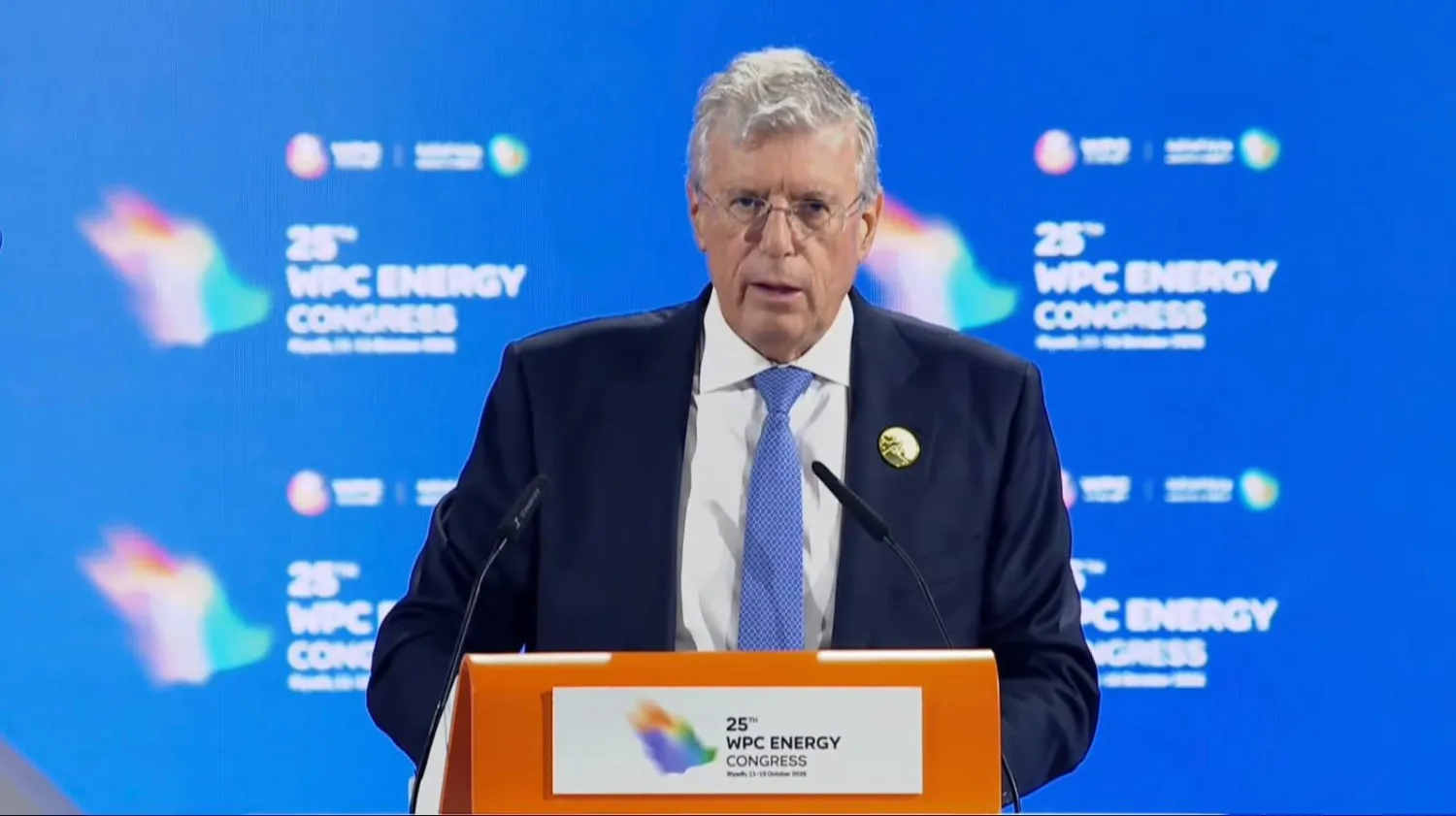
Pedro Miras addresses attendees as the 25th WPC kicks off in Riyadh (Asharq Al-Awsat)
TT

Miras: Energy Security, Sustainability, or Affordability Cannot Be Sacrificed

Pedro Miras addresses attendees as the 25th WPC kicks off in Riyadh (Asharq Al-Awsat)

Pedro Miras, President of WPC Energy, affirmed that the world needs more energy from multiple sources to keep pace with population and economic growth, emphasizing the necessity of balancing supply security, affordability, sustainability, and economic development, without sacrificing any of these priorities.

In his speech at the opening of the 25th WPC in Riyadh, Miras stated that Riyadh is the most suitable place to host the conference, noting the pivotal role Saudi Arabia plays in the global energy system, and its continued leadership in investments, innovation, and technological advancement in the sector.

He added that the conference, which gathers government and industry leaders, academics, technology experts, financiers, and international institutions over four days, serves as a platform to discuss ways to meet the world's increasing energy needs, while supporting prosperity, sustainability, and security for future generations.

He pointed out that the world is undergoing a period of profound transformations, significant challenges, and exceptional opportunities, with the global population expected to approach 10 billion by mid-century, accompanied by increased energy demand resulting from population growth, urbanization, and improved living standards.

He explained that energy consumption and human development have gone hand-in-hand throughout modern history, as the availability of energy has contributed to improving health, education, and living standards, emphasizing that continued human progress requires more energy.

He noted that oil and gas still provide a significant share of the world's energy needs, despite decades of innovation and growth in new technologies, considering this an affirmation of the scale of the upcoming challenge and the need to utilize multiple energy sources.

Four Pillars for the Future of Energy
Miras stressed that the challenge is no longer about choosing between energy security, affordability, and sustainability, but rather about achieving progress in these areas in parallel with economic development.

He stated that billions of people around the world aspire to improve their living conditions, access better health and education services, and broader economic opportunities, all of which require reliable energy availability and continued investment in its system.

He added that countries differ in their circumstances, resources, priorities, and developmental stages, which necessitates adopting diverse paths to achieve the future of energy and utilizing a wide range of technologies and solutions, noting that this diversity represents a source of strength.

He affirmed that technological neutrality remains one of the fundamental principles of the WPC, allowing various energy sources and technologies to contribute to building a secure, affordable, and sustainable system.

Innovation Alone Is Not Enough Without Investment and Partnerships
Regarding technological developments, Miras said that artificial intelligence, digitalization, advanced materials, new fuels, hydrogen, and carbon capture, utilization, and storage technologies, along with other technologies, are reshaping the global energy landscape.

However, he stressed that technology alone is not enough to achieve the desired transformation, as it requires effective policies, stable and predictable regulatory frameworks, long-term investments, and enhanced international cooperation.

He explained that energy security remains essential for economic growth, social stability, and human well-being, and that a successful energy sector transformation cannot be achieved without ensuring supply security. Furthermore, the long-term sustainability of this security requires sufficient investments across various components of the energy system.

He added that no single country, company, or technology can address global energy challenges alone, emphasizing the importance of partnerships among governments, industry, academia, and international institutions.

Riyadh: A Platform for Global Dialogue
Miras expressed his appreciation to the Kingdom, the Minister of Energy, and the Saudi Minister of Industry and Mineral Resources, Prince Abdulaziz bin Salman, for their efforts in organizing and hosting the conference in Riyadh.

He stated that for over 90 years, the WPC has provided a platform bringing together governments, industry, academia, and international institutions to exchange ideas, deepen understanding, and explore practical solutions for sector challenges.

He noted that the importance of dialogue and cooperation is increasing amid the uncertainty and fragmentation the world is experiencing, expressing his hope that the conference discussions will contribute to developing partnerships and exploring innovations that will shape the future of energy.

He concluded by affirming that the goal is to build an energy future that leaves no one behind, achieving progress in supply security, affordability, sustainability, and economic development, based on innovation, cooperation, and mutual respect.