


Republican Senator Criticizes Biden’s Policy towards Tehran

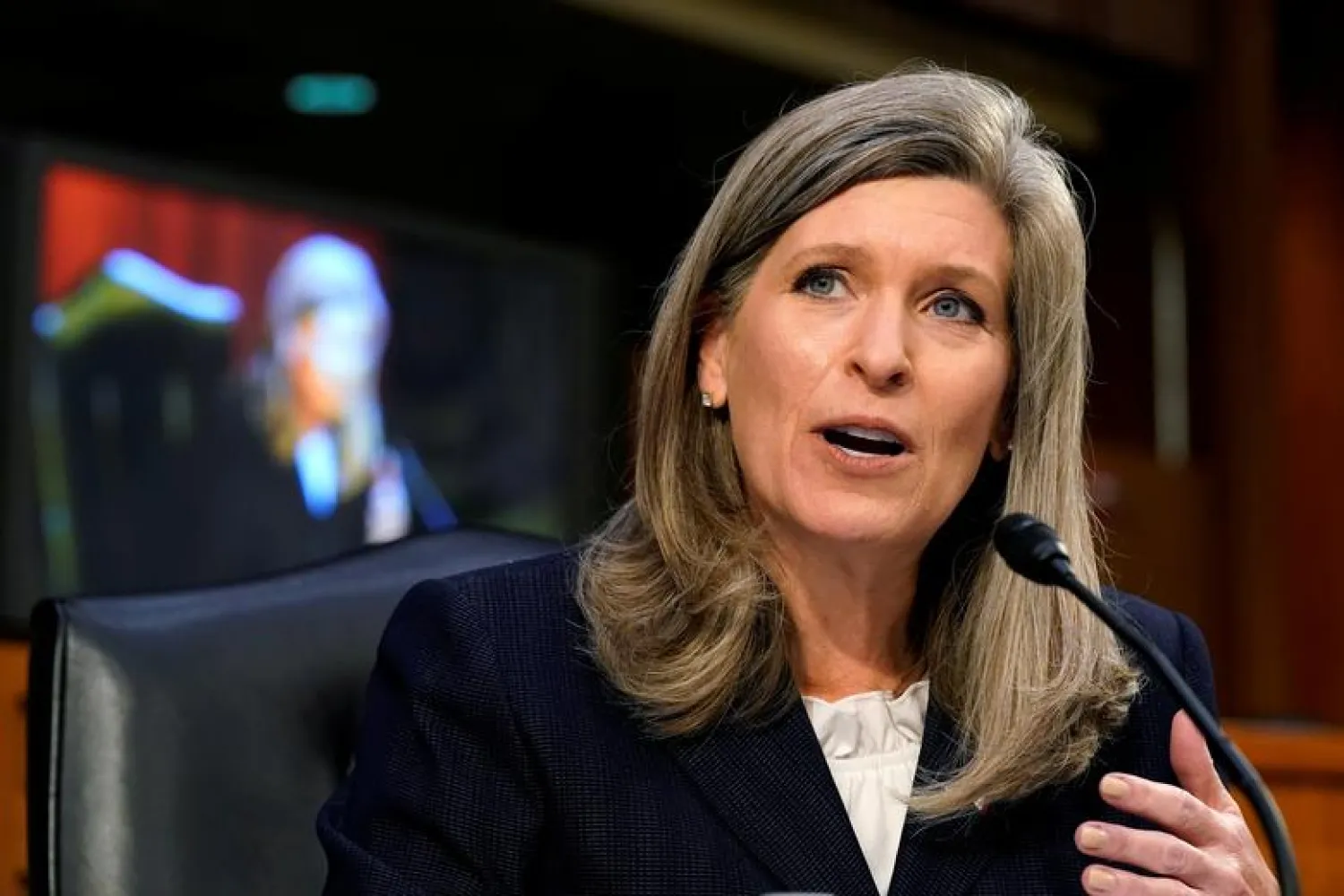
US Senator Joni Ernst (Patrick Semansky/Pool via REUTERS/File Photo)
TT

Republican Senator Criticizes Biden’s Policy towards Tehran

US Senator Joni Ernst (Patrick Semansky/Pool via REUTERS/File Photo)

Republican Senator Joni Ernst criticized the administration of US President Joe Biden and Democrats in their handling of the Iranian file, after the White House confirmed the exchange of information with Saudi Arabia about Iranian threats.

In a tweet, Ernst said that the United States currently has approximately 3,000 service members stationed in Saudi Arabia.

“While Iran prepares for an attack on our partners, leading Dems are advocating for removing key air and missile defense units, risking the lives of US citizens and our troops alike,” she said.

Ernst described Saudi Arabia as a long-term security partner, saying: “Saudi Arabia is a longstanding Gulf security partner and that has not changed. The Biden admin kneecapped US energy production and has blamed OPEC+ for high gas prices. The American people don’t buy it.”

The Republican senator called on the White House to end negotiations with Iran in efforts to revive the nuclear agreement, describing the country as the leading sponsor of terrorism in the world.

“Moving forward we must return to US energy independence, and terminate the renegotiation of the JCPOA with the world’s leading state sponsor of terrorism,” she tweeted.

Ernst concluded by saying: “America must defend our land and our allies in the Gulf, and punish our adversaries like Iran.”

The senator’s comments came in reaction to a report by the Wall Street Journal, which quoted US and Saudi officials as saying that Saudi Arabia had shared intelligence with the United States warning of imminent attacks by Iran on targets in the Kingdom.

The newspaper said that the United States, Saudi Arabia and other neighboring countries raised the state of alert of their military forces, after information that Iran was planning to launch attacks on both Saudi Arabia and Erbil in Iraq, in an attempt by the Iranian regime to distract attention from the demonstrations that have swept the country.

The newspaper quoted the National Security Council in the White House as saying that the US was concerned about the warnings, and was ready to respond if Iran carried out any aggression.

A spokesman for the council said: “We are concerned about the threats and remain in constant contact with the Saudis through military and intelligence channels. We will not hesitate to act in defense of our interests and the interests of our partners in the region.”



Trump Says Tuesday Deadline to Make a Deal with Iran Is Final

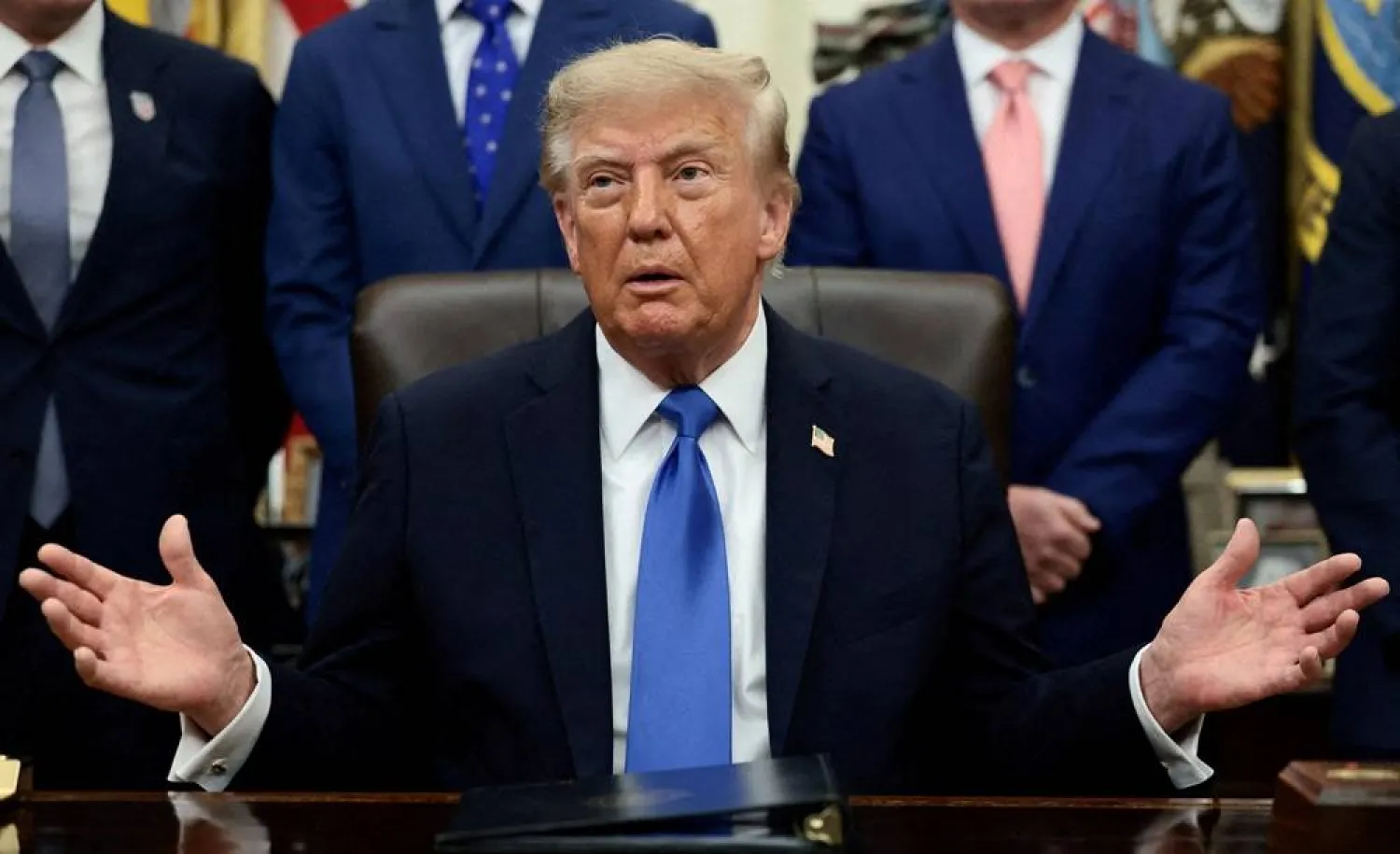
US President Donald Trump speaks to members of the media during the annual Easter Egg Roll on the South Lawn of the White House in Washington, DC, USA, 06 April 2026. (EPA)
TT

Trump Says Tuesday Deadline to Make a Deal with Iran Is Final

US President Donald Trump speaks to members of the media during the annual Easter Egg Roll on the South Lawn of the White House in Washington, DC, USA, 06 April 2026. (EPA)

US President Donald Trump said on Monday the Tuesday deadline he has set for Iran to make a deal is final, calling Iran's peace proposal significant but not good enough.

Trump has warned US forces will unleash broad attacks on Iranian infrastructure if his Tuesday night deadline is not met. Iran has rejected Trump's deadline.

"They ‌made a ‌proposal, and it's a ‌significant ⁠proposal. It's a significant step. ⁠It's not good enough," Trump told reporters during an Easter egg event for children on the White House South Lawn.

"It could end very quickly, the war, if they do what they have to do. They ⁠have to do certain things. ‌They know that, they've ‌been negotiating I think in good faith," he ‌said.

Trump's senior aides have been negotiating ‌with Iran indirectly through Pakistan, attempting to get a deal in which Iran will forswear nuclear weapons and reopen the Strait of Hormuz, the oil ‌transit waterway. Iran said it wanted a permanent end to the war, ⁠not ⁠just a temporary ceasefire.

Trump said it appeared the latest team representing the Iranian government is "not as radicalized" as others who have been killed in airstrikes. "We think they're actually smarter," he said.

Trump said if it were up to him, the United States would take control of Iran's oil, but he said the American people would probably not understand such a move.


Red Cross Chief Condemns ‘Deliberate Threats’ Against Civilians in Mideast War

A man walks past the damaged building of the Shahid Beheshti University following a strike, in Tehran on April 4, 2026. (AFP)
TT

Red Cross Chief Condemns ‘Deliberate Threats’ Against Civilians in Mideast War

A man walks past the damaged building of the Shahid Beheshti University following a strike, in Tehran on April 4, 2026. (AFP)

The head of the International Committee of the Red Cross on Monday condemned "deliberate threats" against civilian targets that have marked the widening Middle East war.

Without naming any side, ICRC president Mirjana Spoljaric said there had already been widespread destruction of "essential" infrastructure and that "any war fought without limits is incompatible with the law" and "indefensible".

Spoljaric spoke out as the conflict headed for a new crisis point with US President Donald Trump threatening attacks on Iranian bridges and power stations unless Iran reopens the Strait of Hormuz to international shipping.

The ICRC chief, whose body is considered a key guardian of the Geneva conventions, has already warned over the conduct of the war since it started on February 28 with US-Israeli attacks on Iran. Iran has responded with retaliatory strikes on Gulf states and Israel.

"Deliberate threats, whether in rhetoric or in action, against essential civilian infrastructure and nuclear facilities must not become the new norm in warfare," Spoljaric said in a statement.

"Any war fought without limits is incompatible with the law. It is indefensible, inhumane and devastating for entire populations."

She added: "States must respect and ensure respect for the rules of war in both what they say and what they do. The world cannot succumb to a political culture that prioritizes death over life."

Spoljaric said that, across the Middle East, ICRC "teams are seeing the destruction of infrastructure essential for civilian life. Power plants, water systems, hospitals, roads, bridges, homes, schools and universities have come under fire.

"Most alarming are potential threats to nuclear facilities. Any miscalculation can cause irreversible consequences for generations to come.

"I urgently call on parties to spare civilians and civilian objects in all military operations. It is their obligation under international humanitarian law."


Death Toll From Extreme Weather in Afghanistan Increases to 110

Residents inspect a building that partially collapsed due to heavy flooding in Jalalabad, Afghanistan, Saturday, April 4, 2026. (AP)
TT

Death Toll From Extreme Weather in Afghanistan Increases to 110

Residents inspect a building that partially collapsed due to heavy flooding in Jalalabad, Afghanistan, Saturday, April 4, 2026. (AP)

The death toll from extreme weather that has triggered widespread flooding and landslides in many parts of Afghanistan has increased to at least 110, authorities said Monday, with another seven people missing and more heavy rain forecast.

Storms and heavy rainfall began across Afghanistan about 12 days ago, affecting most of the country’s 34 provinces. Over the past 24 hours alone, 11 people have died and six have been injured, the Disaster Management Authority said. Seven people were reported missing in separate incidents, all believed to have been carried away by floodwater.

Overall, the flooding, landslides and lighting strikes have killed 110 people and injured 160 in the past 12 days, the authority said, while 958 homes have been completely destroyed and another 4,155 have suffered partial damage.

The Defense Ministry said Monday that it had used a helicopter to airlift two people to safety after they became stranded by floodwater in the western province of Herat.

More than 325 kilometers (200 miles) of roads have been destroyed, while businesses, agricultural land, irrigation canals and fresh-water wells have also been damaged, affecting 6,122 families, the authority said. It said the figures are preliminary.

Authorities issued weather warnings for Tuesday for nearly the entire country, warning people to stay away from rivers and areas prone to flooding.

Earlier this year, heavy snowfall and flash floods left dozens of people dead across the country.

Two major highways have been closed for days due to landslides and floods, forcing travelers to take long, circuitous routes to reach their destinations. The Kabul to Jalalabad highway — the main route linking the capital to the Pakistani border and eastern Afghan provinces — has been shut since last Thursday, while the road from Jalalabad, the main city in eastern Afghanistan, heading northeast to Kunar and Nuristan provinces has been closed since Sunday by falling rocks.

Snow and heavy rain often trigger flash floods that kill scores, or even hundreds, of people at a time in Afghanistan. In 2024, more than 300 people died in springtime flash floods.