Saudi Sets Requirements for Establishment of Duty-Free Markets in Customs Ports

Saudi Arabia defines customs rules, conditions and procedures for establishing duty-free markets (Asharq Al-Awsat)
TT

Saudi Sets Requirements for Establishment of Duty-Free Markets in Customs Ports

Saudi Arabia defines customs rules, conditions and procedures for establishing duty-free markets (Asharq Al-Awsat)

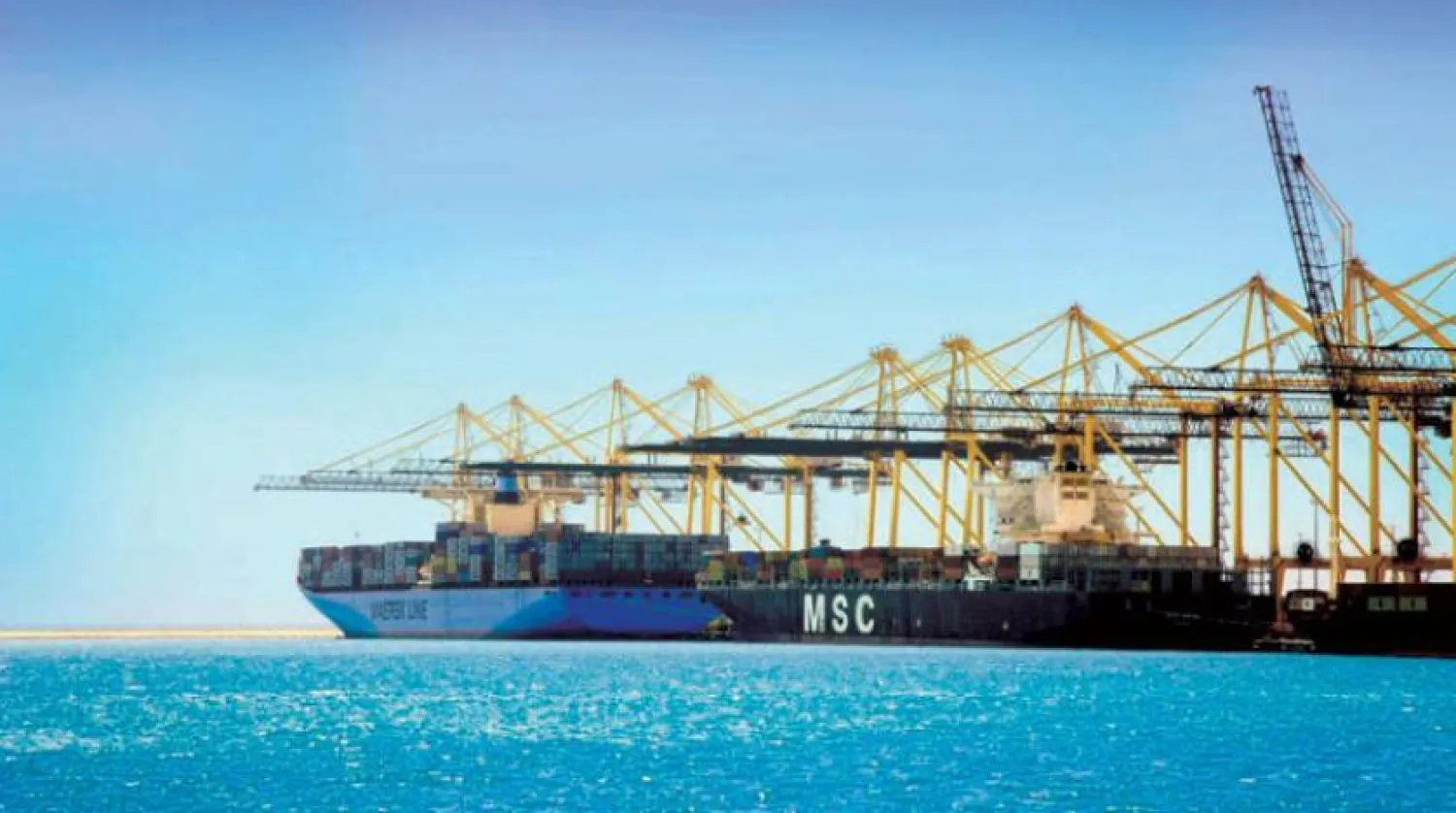
The Zakat, Tax and Customs Authority (ZATCA) set the customs measures and requirements for the establishment of duty-free markets, when necessary, at air, sea and land ports, pursuant to the GCC Unified Customs Law.

In a statement, ZATCA said these requirements are linked to the operation and licensing of duty-free markets.

These rules and requirements followed the Cabinet’s decision, which will contribute to supporting supply chains and improving the logistics services provided for duty-free markets. It will do so by providing a wide range of goods and products for shopping while traveling.

Moreover, duty-free markets will allow additional selling channels for local companies. This will support and contribute to the promotion of national products by displaying them in the sales halls.

According to ZATCA, duty-free markets are currently found in the departure terminals of several airports, such as King Abdulaziz International Airport, King Fahd International Airport, and Prince Mohammad bin Abdulaziz International Airport in Madinah.

The authority added that it seeks to expand the presence of duty-free markets as needed in the air, sea, and land ports. It said it would do so in coordination with the legal authorities in customs ports.

Duty-free markets are defined as retail outlets that allow travelers to purchase goods and products that are permitted to be traded in the Kingdom, which are subject to exemption from customs duties or taxes, in accordance with the provisions of the relevant regulations, as stipulated in Article 78 of the Unified Customs Law and Paragraph 1 of Article 12 of the Duty-free Markets Rules System.

On the other hand, ZATCA added that tax exemptions differ from one country to another, based on the location of the duty-free market (arrival or departure terminals).


IMF Says 2027 Recovery in Middle East Hinges on Easing Conflict, Resumption of Trade

IMF Middle East and Central Asia Department Director Jihad Azour speaks during the Regional Economic Outlook for the Middle East and Central Asia press briefing at the Annual Meetings of the International Monetary Fund (IMF) and the World Bank Group (WBG) at the Queen Sirikit National Convention Center (QSNCC) in Bangkok on October 15, 2026. (Photo by Lillian SUWANRUMPHA / AFP)
TT

IMF Says 2027 Recovery in Middle East Hinges on Easing Conflict, Resumption of Trade

IMF Middle East and Central Asia Department Director Jihad Azour speaks during the Regional Economic Outlook for the Middle East and Central Asia press briefing at the Annual Meetings of the International Monetary Fund (IMF) and the World Bank Group (WBG) at the Queen Sirikit National Convention Center (QSNCC) in Bangkok on October 15, 2026. (Photo by Lillian SUWANRUMPHA / AFP)

Jihad Azour, director of the International Monetary Fund’s Middle East and Central Asia Department, said the war in the Middle East was weighing on the region’s economic outlook, with economies across the Middle East and North Africa, Afghanistan and Pakistan expected to contract by 1.3% in 2026 before rebounding strongly in 2027, provided the conflict eases and trade gradually returns to normal.

Azour made the remarks at a news conference on Thursday to present the IMF’s Regional Economic Outlook report, which examines the economic fallout from the conflict and its varying effects across countries in the region.

The impact of the war is being felt through multiple channels, including energy, shipping, tourism, trade and confidence. Its effects vary across regional economies depending on whether countries export or import oil, their exposure to disruptions and their capacity to contain the economic fallout.

Recovery expected in 2027

The IMF’s growth projections are based on a scenario in which the conflict subsides in early 2027 and trade gradually returns to normal. Under this scenario, the economies of the Middle East and North Africa, Afghanistan and Pakistan are expected to contract by 1.3% in 2026 before growing by 6.6% in 2027.

The 2026 growth forecast is around 3 percentage points lower than the projection issued in April, reflecting the conflict’s impact on economic activity across the region.

The effects of the war differ between oil-exporting and oil-importing countries. Oil exporters have faced disruptions to energy production and shipping, while oil-importing economies have shown resilience, supported by domestic demand, remittances, tourism revenues and financial conditions, as well as government measures to limit the pass-through of higher commodity prices to consumers.

Gulf Cooperation Council economies are expected to experience a V-shaped recovery, with economic activity declining before rebounding. However, output is likely to remain below pre-conflict projections over the medium term, Azour said.

By contrast, growth in oil-importing countries is expected to accelerate in 2026 and 2027.

Economies in the Caucasus and Central Asia are projected to grow by 5.2% in 2026 and 5% in 2027, while inflation continues to ease.

The IMF raised its growth forecasts for the Caucasus and Central Asia compared with its April projections, as improved prospects for oil-importing countries offset downgrades for some oil exporters in 2026.

Inflation and external balances under pressure

Azour expects inflation to rise across the Middle East and North Africa, Afghanistan and Pakistan in 2026, while continuing to decline in the Caucasus and Central Asia.

Government measures, including subsidies, price controls and fixed exchange rates, have helped limit the pass-through of higher commodity prices to consumers in parts of the region. However, these measures come at a fiscal cost.

External positions are expected to weaken across most economies in both regions, with the GCC’s current account surplus projected to narrow from around 5% of gross domestic product in 2025 to 1.3% in 2026.

Uncertainty remains exceptionally high

Azour said uncertainty surrounding the outlook remained exceptionally high, with risks tilted to the downside.

Key risks include renewed disruptions to energy production or trade routes, which could drive up energy prices and intensify pressure on regional economies.

Other risks include a tightening of external financial conditions if markets reassess expected productivity gains from artificial intelligence, as well as higher interest rates amid concerns over inflation and public finances.

The Caucasus and Central Asia face additional risks, including renewed disruptions stemming from Russia’s war in Ukraine, lower oil prices and weaker external demand if markets linked to artificial intelligence undergo a sharp correction.

Low-income and fragile countries remain the most vulnerable, given their reliance on food imports, substantial financing needs and declining official development assistance, which constrain their ability to withstand economic shocks.

IMF urges stronger fiscal buffers, continued reforms

Azour said the main economic policy priorities were to maintain price stability and ensure fiscal sustainability. Monetary policy should serve as the first line of defense if upside inflation risks materialize, he said.

In the Caucasus and Central Asia, preserving gains in reducing inflation and strengthening central bank independence are key to anchoring inflation expectations and limiting the pass-through of future supply shocks to prices.

On fiscal policy, governments should provide temporary, targeted support to the households and businesses hardest hit by the crisis, rather than adopt broad-based measures that increase public debt without delivering lasting gains in economic activity.

Azour urged countries in the region to rebuild fiscal buffers through credible monetary frameworks, adequate reserves and sound public finances to strengthen their capacity to withstand future shocks.

He said the current disruptions also provided an incentive to seize long-term opportunities through structural reforms to boost productivity and create jobs, diversify trade and economic activity, deepen regional integration, and create conditions conducive to harnessing technology and artificial intelligence.


Saudi Transport Authority: Maritime Sector Proved Resilient Amid Global Trade Disruptions

Transport General Authority President Fawaz Alsahli tours the exhibition held alongside the conference in Jeddah (Transport General Authority)
TT

Saudi Transport Authority: Maritime Sector Proved Resilient Amid Global Trade Disruptions

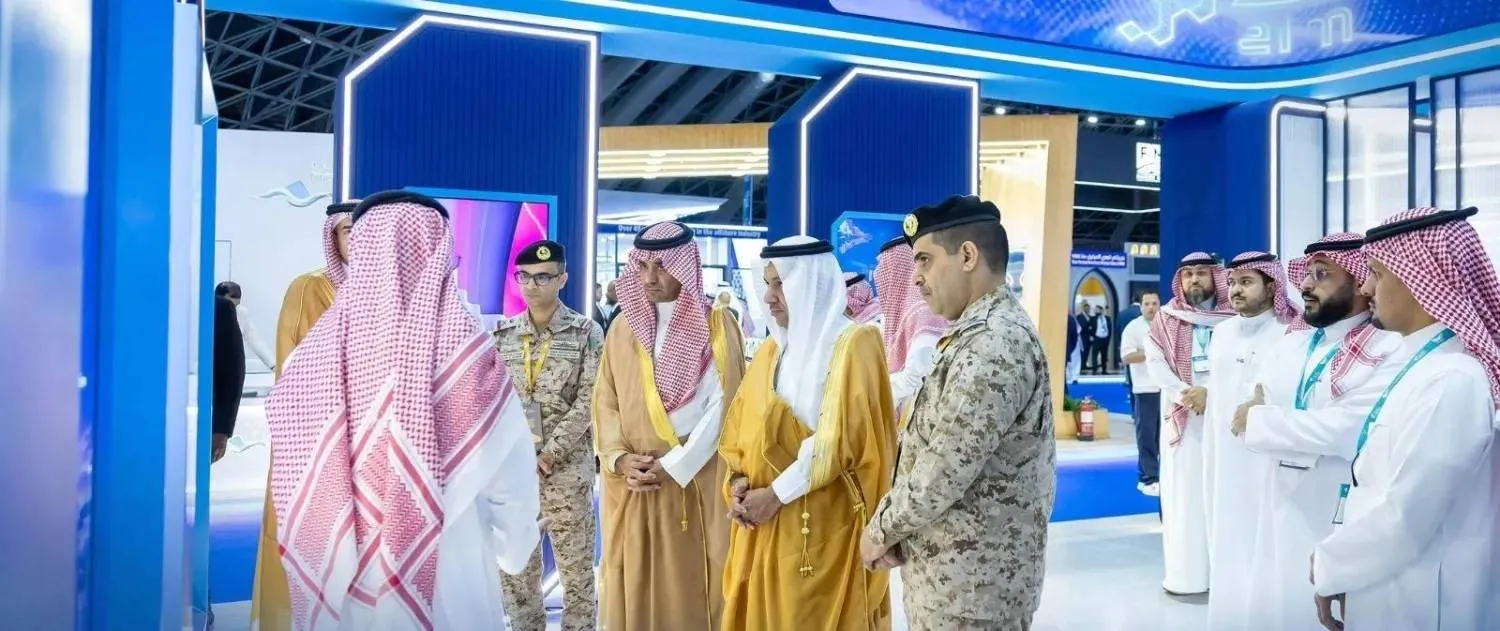
Transport General Authority President Fawaz Alsahli tours the exhibition held alongside the conference in Jeddah (Transport General Authority)

Saudi Arabia’s maritime sector has remained resilient amid disruptions to global trade and shipping in 2026, with the kingdom weathering the upheaval with limited impact on the sector.

Essam Alammari, Deputy for Maritime at the Saudi Transport general authority, told Asharq Al-Awsat that integration across the kingdom’s maritime, road, rail and air transport networks had strengthened its ability to navigate regional and international challenges and maintain maritime operations.

Alammari spoke on the sidelines of the Saudi Maritime and Logistics Congress 2026, which opened Wednesday in Jeddah under the patronage of Minister of Transport and Logistic Services Saleh Al-Jasser and Transport General Authority President Fawaz Alsahli.

The event brought together officials, experts and representatives of shipping companies, ports and logistics service providers from Saudi Arabia and abroad.

National strategy

"We were affected like other countries around the world, but thanks to the efforts of Saudi men and women, government support and the National Transport and Logistics Strategy, we were able to demonstrate the sector's resilience," Alammari said.

He stressed the importance of integrating different modes of transport to strengthen the kingdom's logistics network.

Alammari said Saudi Arabia's maritime fleet grew 34% in 2025, with its current carrying capacity reaching approximately 11.8 million tons.

He said the kingdom ranked first in the Middle East and 20th globally in terms of national fleet carrying capacity.

Saudi Arabia also ranked second among Group of 20 (G20) countries in maritime sector growth in 2025, he added, reflecting progress toward the targets of Saudi Vision 2030.

2026 indicators

On the maritime transport sector's performance this year, Alammari said final figures were not yet available because sector indicators are released annually. He expected the results by the end of 2026.

He said Saudi Arabia's maritime economy had seen significant activity recently and expressed optimism about the upcoming annual results and progress toward the sector's targets.

Alammari linked the sector's ability to withstand global disruptions to efforts under the National Transport and Logistics Strategy, a key initiative supporting Saudi Vision 2030.

He reiterated that integration across maritime, road, rail and air transport had strengthened the logistics network's resilience.

International maritime conference

The two-day conference at the Jeddah Superdome is examining the future of maritime trade, shifts in international shipping routes, port competitiveness, investment in maritime infrastructure, supply chain continuity, maritime security and digital transformation.

It is also highlighting growth opportunities in Saudi Arabia's maritime sector and the role of investment and public-private partnerships in developing maritime and logistics services and strengthening the kingdom's position in regional and global trade.


Private Sector Fuels Saudi Arabia’s Growth Lead Among G20 Economies

A view of the Saudi capital, Riyadh. (SPA)
TT

Private Sector Fuels Saudi Arabia’s Growth Lead Among G20 Economies

A view of the Saudi capital, Riyadh. (SPA)

Fueled by a surging private sector and expanding non-oil industries, Saudi Arabia is poised to become the G20’s fastest-growing economy in 2027, overtaking India, according to International Monetary Fund (IMF) forecasts released last week.

The IMF expects the Saudi economy to grow by 7.9%, ahead of India’s projected 7%, highlighting the Kingdom’s economic transformation as regulatory and legislative reforms unlock new investment opportunities.

Saudi Arabia’s Ministry of Investment said the forecast underscores the economy’s strength and resilience while opening new avenues for investment and growth.

Momentum in the private sector and the expansion of non-oil activities are helping steer the Kingdom toward a more diversified, sustainable and investment-friendly economy, it said.

The IMF sharply raised its forecast for Saudi Arabia’s real gross domestic product (GDP) growth to 7.9%, from 5.5% in July, an upward revision of 2.4 percentage points that reflects prospects for recovery from the fallout of war and disruptions to trade and energy markets.

The outlook also highlights the structural transformation underway through Saudi Arabia’s Vision 2030, as non-oil sectors take on a greater role in driving growth and strengthening the economy against global headwinds.

The focus now shifts to whether the Kingdom can sustain that momentum and turn rapid expansion into lasting investment opportunities and jobs.

New sectors drive growth

Saudi Arabia’s projected lead among G20 economies signals a deeper structural shift away from its traditional reliance on oil revenues, according to Fahad Binjumah, an economist and former member of the Saudi Shura Council.

The private sector is emerging as a major engine of growth, bolstered by regulatory and legislative reforms, expanding investment opportunities and the rising contribution of non-oil industries.

Binjumah told Asharq Al-Awsat that the shift marks Saudi Arabia’s gradual transition from direct government stimulus toward a more diversified and productive economy capable of generating growth.

Major government investments have helped lay the groundwork, creating a stronger business environment and opening new sectors to local and foreign investors, he explained.

Strategic projects in tourism, industry, logistics and technology are also generating economic activity well beyond their immediate scope. Investment spending is rippling through supply chains and small and medium-sized businesses, widening commercial opportunities and drawing more parts of the economy into the growth cycle.

But for Binjumah, topping the G20 growth rankings is less important than sustaining that performance over the coming years.

"The main challenge is to turn economic expansion into long-term productivity gains by improving the efficiency of domestic businesses, boosting non-oil exports, developing skills and increasing private investment independent of government spending," he stressed.

Progress on those fronts would propel Saudi Arabia into a more advanced stage of economic diversification, where success is measured not simply by rapid growth but by a more resilient, competitive economy that generates added value and sustainable jobs, he added.

Reforms bolster economic resilience

Saudi Arabia’s rise in G20 growth projections is the product of years of economic reform, not a short-lived boost in any single sector, said Nasser Al-Sahli, president of the Saudi Governance Center.

Legislative changes, easier business procedures, wider investor participation and the restructuring of key sectors have made the economy more attractive to investment and better equipped to turn capital into productive activity, Al-Sahli told Asharq Al-Awsat.

The private sector’s expanding role shows that these reforms are increasingly translating into tangible economic gains, he said.

Their importance has grown amid geopolitical tensions, global trade and energy disruptions, and risks surrounding strategic maritime routes in the region. A broader non-oil economic base is helping Saudi Arabia diversify its income sources and reduce its exposure to external shocks.

"Economic diversification does not mean complete isolation from global developments, but building a productive and investment system capable of adapting to them and maintaining business continuity under different conditions," Al-Sahli said.

The next test will be whether Saudi Arabia’s private sector can move beyond capitalizing on opportunities created by government projects to driving investment expansion independently and sustainably, he went on to say.

That will require stronger productivity and competition, better access to financing, greater innovation and a larger international footprint for Saudi companies.

Al-Sahli said the real significance of Saudi Arabia’s projected G20 lead lies not in the ranking itself but in its ability to turn growth momentum into a more diversified and efficient economy, powered by a private sector that creates high-quality jobs and lasting economic value.

How G20 economies rank

India is forecast to rank second in G20 economic growth in 2027 at 7%, followed by Indonesia at 5.1%, China at 4% and Türkiye at 3.6%, according to IMF figures presented by the Saudi Ministry of Investment.

Argentina ranks sixth at 3.5%, followed by South Korea at 2.8% and the United States at 2.3%. Brazil is projected to grow by 1.9%, Mexico by 1.8%, Canada by 1.7%, Australia by 1.6%, South Africa by 1.3% and the United Kingdom by 1.2%. Germany is forecast to expand by 1.1% and Russia by 0.9%, while France and Japan are each expected to grow by 0.7%.