


Sustainable Influencers Take on Fast fashion

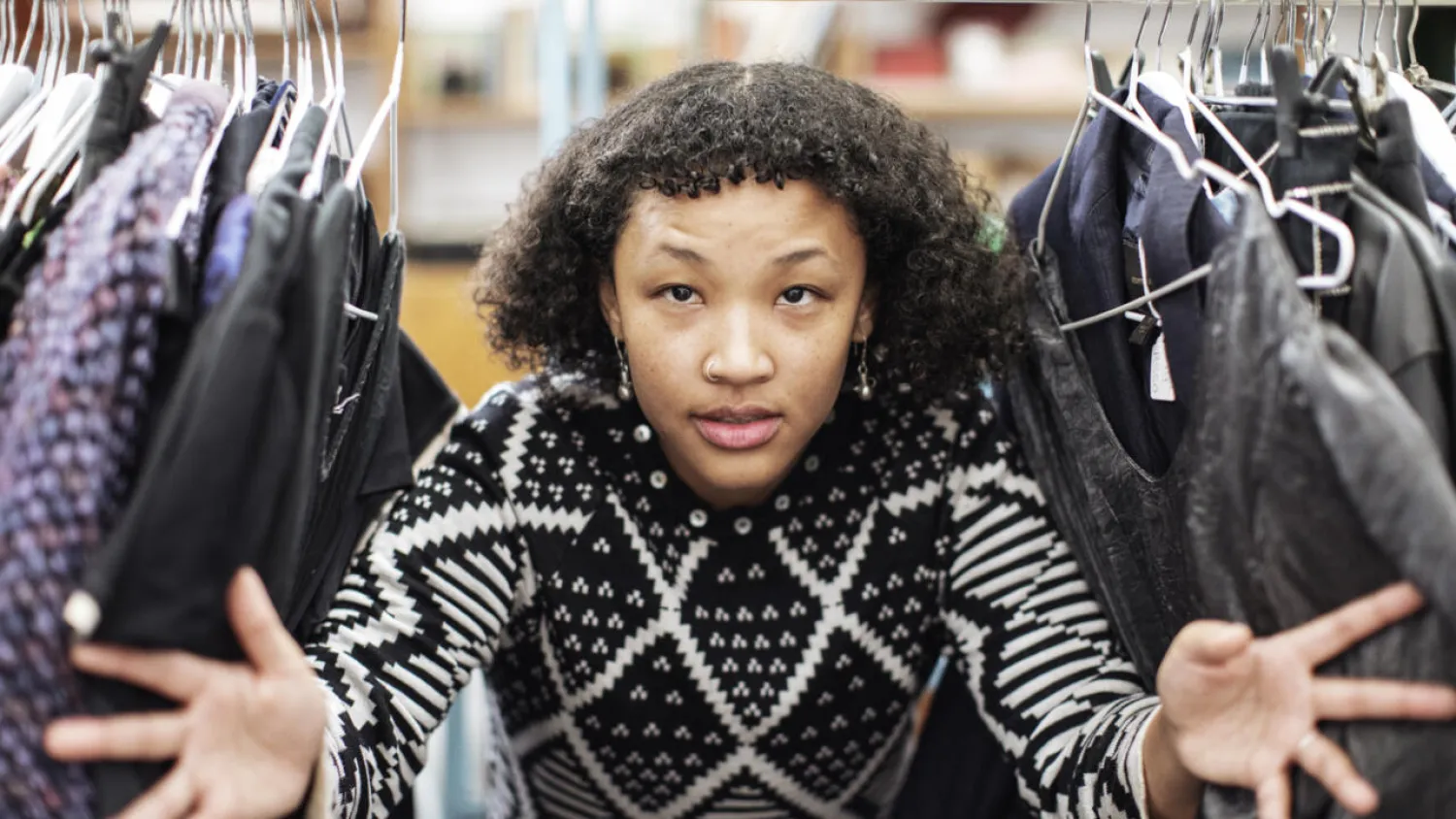
Sustainable fashion influencer Masego Morgan embraces 'mindful consumption'. GIANLUIGI GUERCIA / AFP
TT

Sustainable Influencers Take on Fast fashion

Sustainable fashion influencer Masego Morgan embraces 'mindful consumption'. GIANLUIGI GUERCIA / AFP

Sustainable influencer Masego Morgan was shocked when a fast fashion giant offered her $1,000 for a single social media post to promote its brand.

Not only had the South African social media star never been offered that kind of money, the company represents exactly what she is against: overconsumption of cheap, planet-harming clothing made by underpaid workers, AFP said.

And she's not alone. Former "Love Island" contestant and sustainable fashion influencer Brett Staniland said he was offered close to $5,500 (5,076 euros) for a post for a major fast fashion brand, the kind of money most small or sustainable brands simply can't compete with.

Content creators like Morgan and Staniland are promoting sustainable fashion online, where fast fashion corporations with deep pockets have helped flood Instagram, TikTok and YouTube with sponsored posts encouraging viewers to buy more stuff -- largely at the expense of the planet.

This growing army of influencers are seeking to expose the environmental damage caused by huge fashion firms like Shein, H&M and Zara.

They also encourage climate-conscious fashion choices -- what Morgan calls "mindful consumption" -- asking people to buy less, or if you do have to buy, best if it's second-hand or ultra-sustainable.

"We shouldn't necessarily compete with (fast fashion) in their way... their model is already unsustainable," said Morgan, whose TikTok and Instagram pages are full of playful posts bursting with upcycled and handmade items, many of which she features more than once.

- 'Mending is revolutionary' -
Morgan started borrowing thrifted clothes from her stylish Japanese mother, who used to tell her that "mending is a revolutionary act", and encouraged her to repair clothes instead of buying new ones.

The 26-year-old, who posts much of her content from her Cape Town kitchen, said she tries to hold corporations to account instead of making people feel guilty about their choices.

Influencers like her are "agents of change", said Simone Cipriani, the chair of the UN Alliance for Sustainable Fashion and founder of the Ethical Fashion Initiative.

"They counter the negative influence of another kind of thing that you find on social media... overconsumption."

Social media has become enormously important for fashion brands, which can reach millions via influencers who show off their clothing in things like #outfitoftheday posts.

A mainstream influencer in a Western country can easily make six figures a year through sponsored content and affiliate links. And the more followers they have, the more they can charge brands.

Social media has helped boost fashion sales, with global consumption of clothing, footwear and accessories doubling since 2000, according to the Hot or Cool Institute think tank.

But that has come at a steep price for the planet. The clothing industry accounted for an estimated two percent of global greenhouse gas emissions in 2019 -- about the same as the airline industry -- according to the World Resources Institute (WRI).

Those emissions could increase by 55 percent by the end of the decade, it added. They would need to decrease by 45 percent to limit warming to 1.5 degrees Celsius as outlined in the Paris Agreement.

The environmental footprint of fashion production and consumption needs to be reduced by 60 percent in high-income countries to limit global warming, according to the Hot or Cool report.

As well as decarbonizing the fashion industry, their advice is to buy no more than five new items a year and wear clothes for longer.

- 'Up against it' -
Exposing the harmful impact of fast fashion corporations is at the core of Venetia La Manna's content.

The 33-year-old influencer has garnered a massive following online, with some 6.5 million views on TikTok and Instagram for her "Recipe for Disaster" series about the social and environmental damage done by companies like Adidas, Amazon and Nike.

She makes a decent living and works with resale sites like Vestiaire Collective, eBay and Depop. But it's not always easy competing with influencers that have the backing of fast fashion.

"We're up against it in terms of money and power," she told AFP from London.

"In the past five years, I really do feel like this issue is on the map. It used to be that plastic and food were the main focus in conversations about our environment, but now fashion is really being talked about," said La Manna.

The secondhand apparel market is booming and is expected to hit $218 billion by 2026, up from $96 billion in 2021. This is partly driven by an increasing number of resale and clothing rental firms catering to a growing class of conscious consumers.

"Love Island" star Staniland is hopeful that good-for-the-planet businesses will continue to grow on social media.

And he's notched up a few wins. The 29-year-old was instrumental in getting the show to switch their sponsor from fast fashion companies to eBay.

But for now, it can be an uphill battle. Like most sustainable influencers, Staniland has to rely on multiple income streams.

After turning down the $5,550 from a fast fashion giant, he worked with an underwear brand he believes in, ONE Essentials, but still needs his modelling to pay the bills.


Fashion Commission Launches 1st Executive Master’s Program in Riyadh

Fashion Commission Launches 1st Executive Master’s Program in Riyadh
TT

Fashion Commission Launches 1st Executive Master’s Program in Riyadh

Fashion Commission Launches 1st Executive Master’s Program in Riyadh

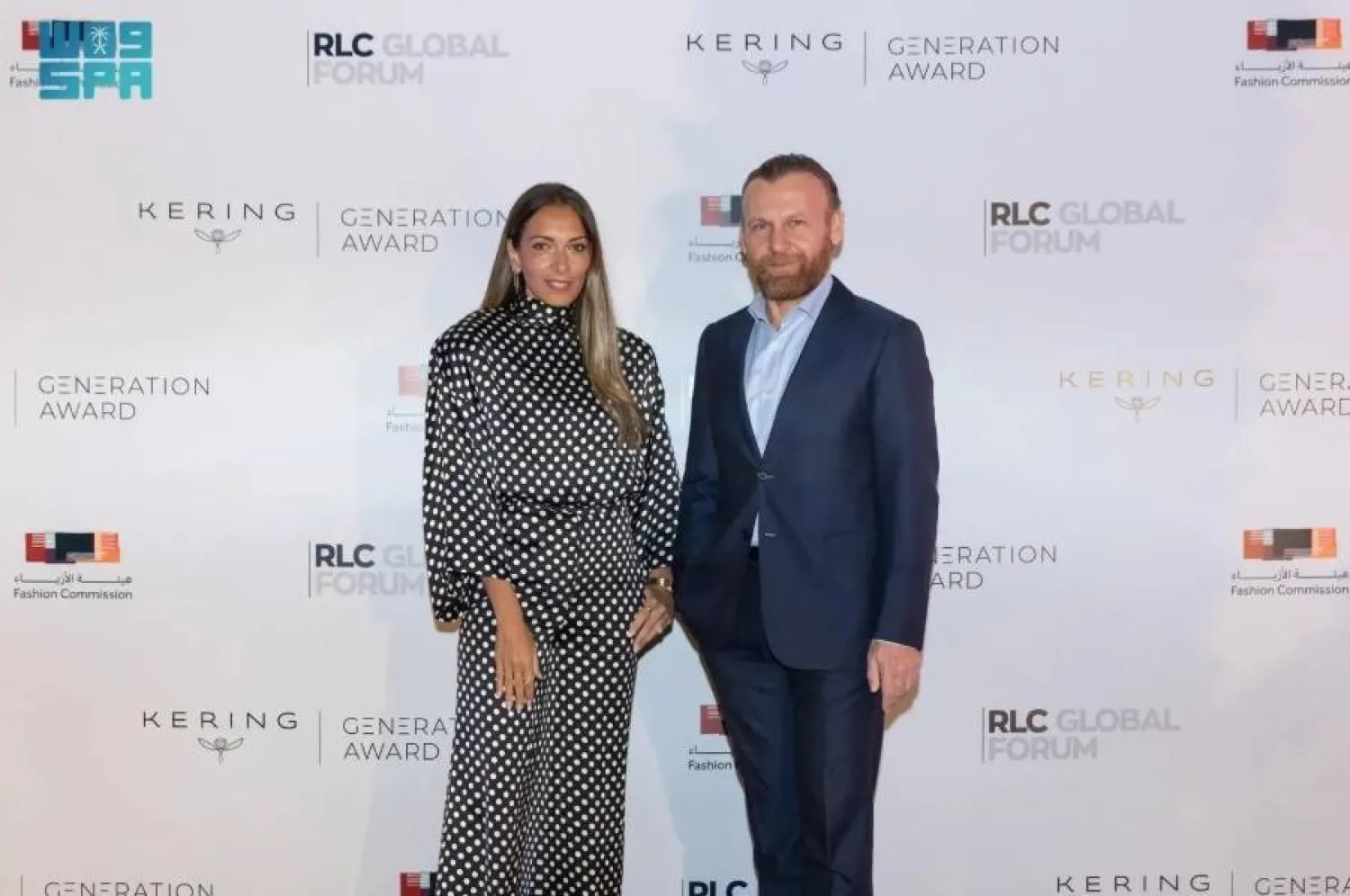
The Fashion Commission announced the launch of the first Executive Master’s program to be delivered in Riyadh, developed in collaboration with the world-renowned Institut Français de la Mode (IFM).

The new program marks a significant leap in advancing fashion education and executive training within the Kingdom, according to SPA.

The Executive Master’s in Strategic Management of Fashion & Luxury represents a new milestone in fashion education, taking place in Riyadh for the first time. It is a 15-month hybrid executive master’s degree track designed for high-potential professionals seeking advanced executive training while continuing their careers. Delivered through a blend of in-person modules in Riyadh and Paris, alongside supervised online learning, the program equips participants with strategic, managerial, and analytical expertise tailored to the rapidly evolving fashion and luxury sector.

Designed with market needs in mind, the executive master’s curriculum covers creation and design, brand strategies, sustainability, new consumer behaviors, retail innovation, fashion media, collection management, and future industry perspectives. Participants will also complete a thesis that contributes new knowledge to the regional and global fashion landscape.

The program is taught by IFM’s internationally recognized faculty, experts in fashion history, sustainability, consumer behavior, design, and luxury management, alongside industry leaders from major global houses, fashion federations, media groups, and innovation-driven organizations.

This landmark program builds on the Fashion Commission’s ongoing partnership with IFM since June 2022. Within the first year, the collaboration introduced high-level educational initiatives, including the Advanced Management Program for Luxury Fashion and the Executive Master’s in Luxury Fashion, designed to elevate local talent and strengthen the Kingdom’s creative workforce.

These programs have contributed to developing the skills and knowledge required to support a world-class fashion ecosystem.

The launch of the Executive Master’s marks a pivotal step in establishing Riyadh as an education hub for the fashion and luxury sectors. By bringing a master’s qualification of this caliber directly to the Kingdom, the Fashion Commission reinforces its commitment to enabling professional growth, supporting innovation, and creating globally competitive talent pipelines.


Nike Shares Rise as Apple’s Cook Doubles His Bet on CEO Hill’s Overhaul Effort

A jogger wearing Nike shoes runs along the Charles River in Cambridge, Massachusetts, US, March 18, 2019. (Reuters)
TT

Nike Shares Rise as Apple’s Cook Doubles His Bet on CEO Hill’s Overhaul Effort

A jogger wearing Nike shoes runs along the Charles River in Cambridge, Massachusetts, US, March 18, 2019. (Reuters)

Nike shares rose 5% in early trading on Wednesday after Apple CEO Tim Cook doubled his personal stake in the sportswear maker, raising his bets on the margin-pinching turnaround efforts led by CEO Elliott Hill.

Cook, who has been on Nike's board since 2005, bought 50,000 shares at $58.97 ‌each, according to ‌a regulatory filing. As of December ‌22, ⁠he holds about ‌105,000 shares, which is now worth nearly $6 million.

It was the largest open market stock purchase for a Nike director or executive and possibly the largest in more than a decade, said Jonathan Komp, analyst at Baird Equity Research.

"(We see) Cook's move as a positive signal for the progress under CEO Elliott Hill and Nike's 'Win ⁠Now' actions," Komp said.

The purchase comes days after Nike reported weaker quarterly margins and weak ‌sales in China even as CEO ‍Hill tries to revive demand ‍through fresh marketing plans and innovation focused on running and sports, ‍while phasing out lagging lifestyle brands.

He has also attempted to mend Nike's ties with wholesalers such as Dicks Sporting Goods to increase visibility among shoppers amid stiff competition from newer brands.

However, the strategy has strained Nike's margins, which have been declining for over a year, while its efforts to win back its ⁠premier position in discount-friendly China appears to be faltering.

Nike's shares have slumped nearly 13% since it reported results on December 18 and are on track for the fourth straight year of declines. They were trading at $60.19 on Wednesday.

Cook has been a lead independent director of Nike since 2016 when co-founder Phil Knight stepped down as its chairman.

The Apple CEO "remains extremely close" with Knight, Komp said, adding that he has advised Nike through key strategic decisions including Hill's appointment last year.

Board director and former Intel CEO ‌Robert Swan also bought about 8,700 shares for about $500,000 this week.


Etro Founding Family Exits Group as New Investors Including Türkiye's RAMS Global Join

L Catterton, a private equity firm backed by French luxury giant LVMH, will remain Etro's majority owner. Reuters
TT

Etro Founding Family Exits Group as New Investors Including Türkiye's RAMS Global Join

L Catterton, a private equity firm backed by French luxury giant LVMH, will remain Etro's majority owner. Reuters

The founding family of Italian fashion house Etro has sold the minority stake it still owned in the brand to a group of investors including Turkish group RAMS Global, the company said on Friday.

L Catterton, a private equity firm backed by French luxury giant LVMH, will remain Etro's majority owner and "will continue to actively support the brand's long-term growth strategy," Etro added, according to Reuters.

The new investors comprise also Italian fashion group Swinger International and small private equity firm ⁠RSI.

In addition to buying the stake, they all subscribed to a capital increase that will lower L Catterton's holding in Etro to between 51% and 55% from around 65%.

When including both the acquisition and the capital increase, the deal is worth around 70 ⁠million euros ($82 million), two sources close to the matter said. Etro did not disclose financial details.

Chief Executive Fabrizio Cardinali will remain at the helm, while Faruk Bülbül, representing RAMS Global, will become chairman of the board.

L Catterton bought a 60% stake in the brand known for its paisley motif four years ago, and it slightly increased the holding over the years.

The company, founded by Gimmo Etro in 1968, has ⁠been struggling with its turnaround. Last year it posted a net loss of 23 million euros with net revenues declining to 245 million euros from 261 million euros, according to filings with the local chambers of commerce reviewed by Reuters.

Rothschild advised L Catterton and the Etro family on the deal.

Rothschild had been hired in 2024 to look for a new investor who could buy all or part of the Etro fashion group, sources had previously told Reuters.