


Drone Attack Hits Al-Tanf Base in Syria

Medical facility destroyed by a drone attack on Al-Tanf base (Free Syrian Army)
TT

Drone Attack Hits Al-Tanf Base in Syria

Medical facility destroyed by a drone attack on Al-Tanf base (Free Syrian Army)

Three one-way attack drones targeted the Al-Tanf military base in southeastern Syria on Friday, according to the US Central Command (CENTCOM).

CENTCOM issued a statement noting that two of the drones were shot down by Coalition Forces while one struck the compound, injuring two members of the Free Syrian Army (FSA) who received medical treatment. No US forces were injured.

Members of the FSA deployed at the base said two of the drones were shot down by the coalition while a third exploded without causing any injuries or damages.

A spokesman for the faction asserted that the attack would not deter the ongoing operations with the coalition in their fight against ISIS.

The FSA faction disseminated several photos of the damage to a medical facility in Al-Tanf due to the drone attack.

The US forces did not accuse any party of the attack.

“Attacks of this kind are unacceptable – they place our troops and our partners at risk and jeopardize the fight against ISIS,” said Joe Buccino, CENTCOM spokesperson.

Meanwhile, the Syrian Observatory for Human Rights (SOHR) suggested that the drones belonged to pro-Iranian groups, explaining that the Free Syrian Army is a US-backed opposition faction active in Al-Tanf area.

The coalition forces have previously thwarted similar attacks, including with drones, the most recent of which was last August on the Al-Tanf base, established in 2016. The headquarters is located near the Jordanian and Iraqi borders and is strategically important as it is situated on the Baghdad-Damascus road.

The international coalition forces against ISIS are deployed in several bases controlled by the Kurdish fighters in north and northeastern Syria.

Israel Declares Closed Military Zone in West Bank’s Taybeh

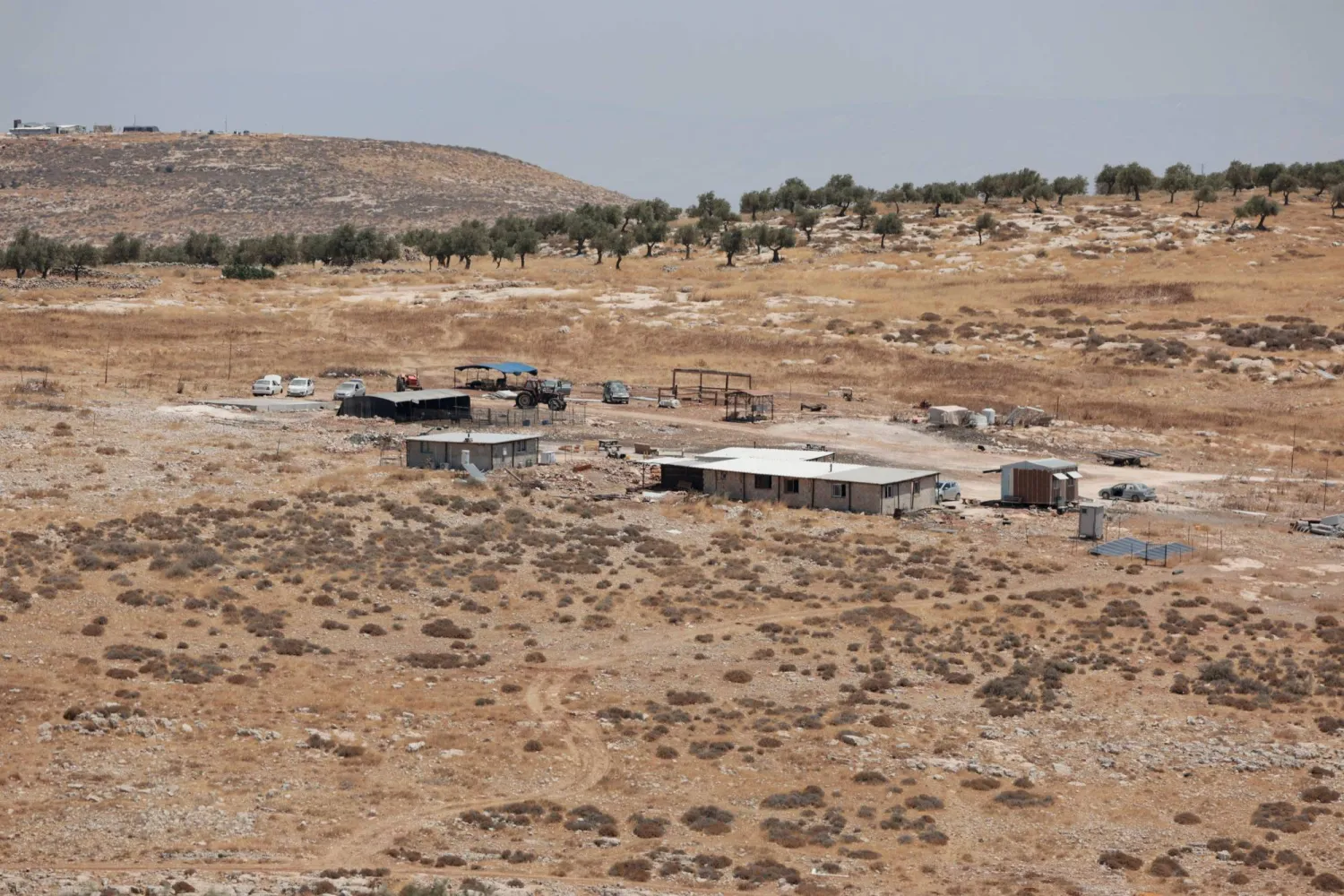
The site of a new Israeli settlement near the Palestinian Christian village of Taybeh, in the Israeli-occupied West Bank, August 10, 2026. (Reuters)
TT

Israel Declares Closed Military Zone in West Bank’s Taybeh

The site of a new Israeli settlement near the Palestinian Christian village of Taybeh, in the Israeli-occupied West Bank, August 10, 2026. (Reuters)

Israel's military said Monday it had declared a Christian-majority town in the occupied West Bank a closed military zone to keep out Israeli settlers and other non-residents.

The new tactic is designed to keep Israelis out of Taybeh, which is surrounded by settlements to its east and west and has been subject to arson, vandalism and settlers coming onto private and village property.

The order does not apply to Palestinian residents or journalists, who the army said would be allowed unless soldiers determine their presence poses a threat. The army said its troops would detain suspects and disperse gatherings to keep the peace.

The designation comes after months of the army and police struggling to maintain order throughout the territory, where at least 87 Palestinians have been killed by Israeli settlers or soldiers in 2026, according to the Ramallah-based Palestinian Health Ministry.

Parts of Taybeh lie in what's called “Area B,” where Israel maintains security control, but residents have complained that the army and police are slow to respond to attacks by extremist settlers.


Family of Former Palestinian Ambassador Urge Lebanon to Not Extradite Him

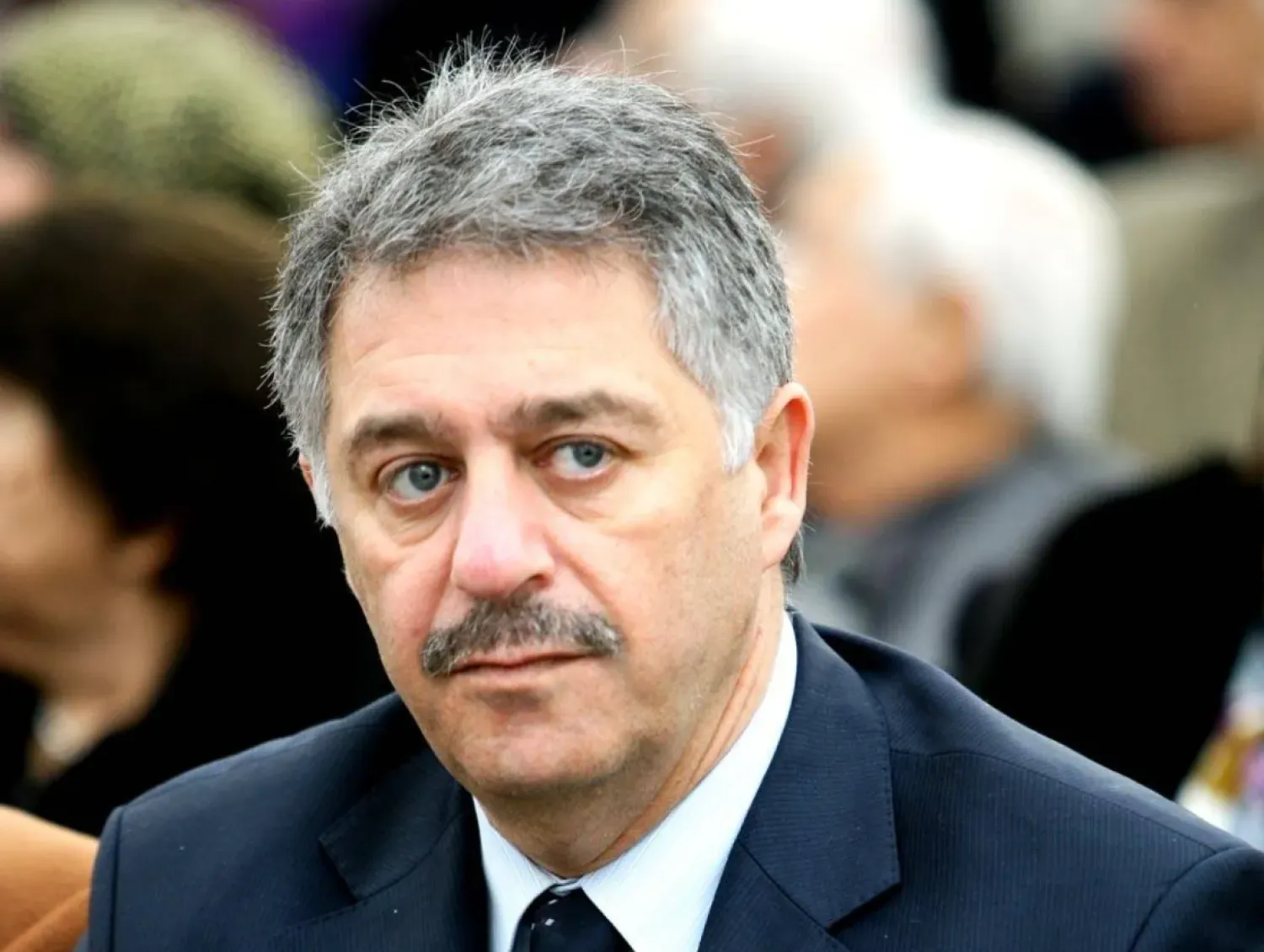
Former Palestinian ambassador to Beirut Ashraf Dabbour (circulated)
TT

Family of Former Palestinian Ambassador Urge Lebanon to Not Extradite Him

Former Palestinian ambassador to Beirut Ashraf Dabbour (circulated)

The family of former Palestinian ambassador to Lebanon Ashraf Dabbour urged Lebanese authorities on Monday to not extradite him after authorities in Ramallah requested his transfer over corruption allegations.

Lebanon's public prosecutor ordered the arrest of Dabbour, ambassador from 2012 to 2025, last week after questioning him based on a warrant from the Palestinian Authority over corruption and embezzlement during his tenure, a judicial official told AFP at the time.

The judiciary then recommended in a letter to the justice ministry that Dabbour be extradited as his case involves "Palestinian funds", another official said on Monday, on condition of anonymity.

The request must be signed by the justice minister, president and prime minister before security forces can hand him over.

"We are not asking for his protection from the judiciary, nor are we asking for charges to be dropped," Dabbour's daughter Israa said in a press conference in Beirut.

"Why should our father be moved from the country where he lived, and from the place where the alleged crimes took place, in order to be tried somewhere else?" she said, calling on the Lebanese judiciary to look into the case instead of sending him to Ramallah.

Dabbour has a "critical health condition and is in intensive care", according to his daughter, who appealed to Lebanon to "provide him with the necessary care".

In April, Lebanese authorities detained Dabbour over the same case before releasing him with a travel ban.

He has repeatedly denied the accusations on social media, accusing Yasser Abbas, son of Palestinian President Mahmoud Abbas, of leading a campaign against him.

Israa Dabbour said "the file includes political accusations seeking to settle personal scores" without elaborating.

Lebanon's National Human Rights Commission asked the cabinet last week to "refrain from approving the extradition" due to "reliable information that raises serious reasons to believe that (Dabbour) is at risk of being subjected to torture, ill-treatment or arbitrary detention".

The organization also pointed to legal loopholes that could prevent the handover due to the lack of "an effective treaty between Lebanon and the State of Palestine that regulates extradition".


Libya's Central Bank Governor Submits Resignation

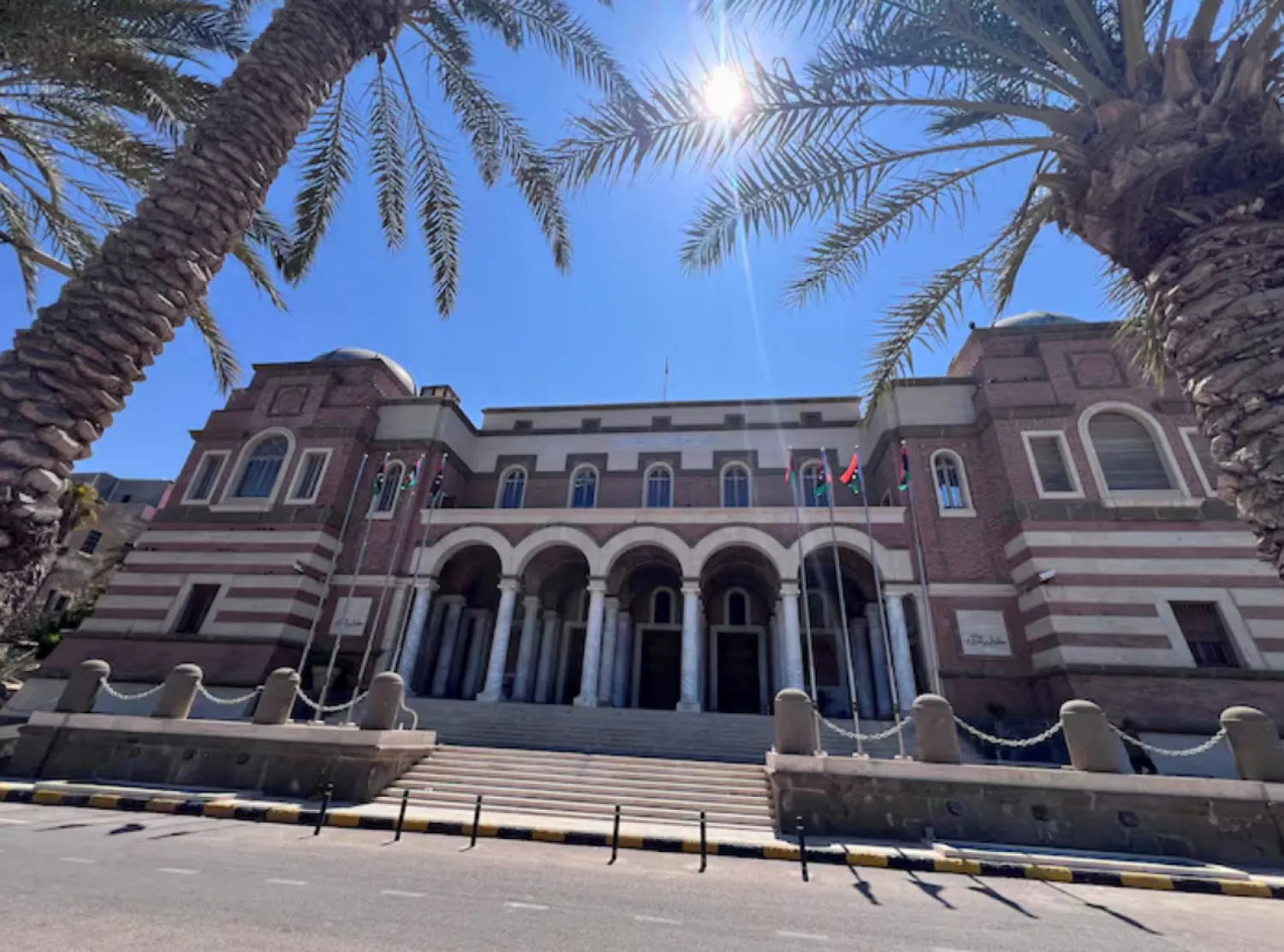
A view of the Central Bank of Libya in Tripoli, Libya, August 26, 2024. REUTERS/Aymen Sahli
TT

Libya's Central Bank Governor Submits Resignation

A view of the Central Bank of Libya in Tripoli, Libya, August 26, 2024. REUTERS/Aymen Sahli

The governor of Libya's Central Bank (CBL), Naji Issa, has submitted his resignation to the country's rival legislative chambers, according to two documents seen by Reuters on Monday.

In the documents, whose authenticity was confirmed by Issa, he said he could not continue in his post, but did not explain why, citing the sensitivity of the reasons.

Issa said in the documents addressed to the heads of the two rival chambers that he could not continue in his post.

"I apologize for not being able to continue in my duties as Governor of the Central Bank of Libya, without stating the reasons, due to their sensitivity," the two documents read.

Issa confirmed the authenticity of the letters in a message to Reuters, declining to reveal more about the reasons behind his decision.

The two documents are dated August 9.

The two legislative chambers are the eastern-based House of Representatives that was elected in 2014 and the High Council of State in the west, which was formed as part of a 2015 political agreement and whose members were drawn from a parliament elected in 2012.

Libya has been divided since 2014 into rival authorities in the west and east that emerged from the chaos following the fall of Muammar Gaddafi in a NATO-backed uprising in 2011.

The head of the High Council of State, Mohamed Takala, asked Issa to stay in his post "in order to maintain financial, economic and political stability" until the resignation is considered and ruled on in accordance with constitutional and legal procedures.

The House of Representatives has not yet responded to Issa's request.

Issa took up the post in 2024 when the two legislative chambers agreed his appointment as a way to end a standoff over control of the CBL that led to the ousting of former governor Sadiq al-Kabir.

The standoff was triggered when western factions moved in August 2024 to oust Kabir and replace him with a rival board, leading eastern factions to shut down all oil production. The move sharply reduced Libya's oil output and exports during the crisis.