


Yemeni Officials, Public Optimistic About $1 Billion Saudi Deposit

A view of the Central Bank of Yemen in Aden, Yemen (File Photo: Reuters)
TT

Yemeni Officials, Public Optimistic About $1 Billion Saudi Deposit

A view of the Central Bank of Yemen in Aden, Yemen (File Photo: Reuters)

Yemeni officials and the public hailed the new Saudi deposit agreement with the Central Bank of Yemen in Aden for $1 billion, indicating that it would improve the local currency rate, support primary food imports, and enable the government to implement economic reforms.

The deposit directly impacted the exchange rate, and Yemeni economists hope that the government would be able to utilize the funds appropriately and thoroughly.

After signing the deposit agreement, Yemeni activists lauded Saudi Arabia's role in supporting Yemen and recalled the dozens of projects and grants provided by the Kingdom, whereas Iran played a destructive role in the country.

On Tuesday, Saudi Arabia announced the deposit per the directives of the Custodian of the Two Holy Mosques, King Salman bin Abdulaziz and Crown Prince Mohammed bin Salman.

The Saudi deposit extends the Kingdom's keenness and continuous support for Yemen regarding its economic development. It reflects the Kingdom's firm commitment to the Yemeni government and people.

It also supports the Yemeni government in carrying out its duties to restore the security and stability of Yemen.

According to the Saudi statement, the deposit would strengthen capabilities in implementing the economic reform program for Yemen with the Arab Monetary Fund as a technical body.

The program aims to develop a clear roadmap and a vision that takes care of the Yemeni people first and addresses their needs, in addition to strengthening efforts to build reserves at the Central Bank of Yemen to enable it to enhance economic stability.

The new Saudi deposit, in addition to the previous warranties, comes to a total of $4 billion since 2012, which help boost the Yemeni economy and protect it from collapse.

The head of the Yemeni Leadership Council, Rashad al-Alimi, said the deposit represented a solid boost for the Yemeni economy, the stability of the national currency, and the alleviation of the humanitarian crisis created by the Houthi militia.

Alimi expressed his gratitude and appreciation to Saudi Arabia under the leadership of King Salman bin Abdulaziz and his Crown Prince Mohammed, "who set an example of solidarity and support for our Yemeni people, leading to the signing of the facilitation of the generous Saudi deposit to the Central Bank of Yemen today, which is estimated at one billion dollars."

He tweeted, "Kingdom of Saudi Arabia, over the years of the unjust war erupted by the Houthi terrorist militia backed by the Iranian regime, affirms with its leadership, government, and people their responsible vision towards Yemen."

They affirm defending Yemen's national and Arab identity, supporting its economy, and alleviating the suffering of its people without discrimination in all parts of the country, he asserted.

The official praised both sides' joint efforts, which resulted in this important agreement to support the Yemeni economy and stabilize the national currency within a path full of promising cooperation, including development and reconstruction programs and many strategic service projects.

Saudi Arabia is Yemen's number one donor supporting the country with deposits, fuel subsidies, and humanitarian and development aid that have amounted to about $20 billion in recent years.

Meanwhile, Yemeni economist Abdulhameed al-Masajdi noted that the new deposit comes at perfect timing amid a challenging and complex economic situation.

Masajdi described the fund as "a glimmer of hope" for the recovery of the national currency and compensation for government revenues from oil sales, which stopped about four months ago after the Houthi militia attacked oil export ports in the liberated areas.

Masajdi told Asharq Al-Awsat that before the deposit announcement, the currency was sharply dropping, prices were soaring high as the government soon won't be able to pay employees' salaries, and the faltering international and regional efforts to renew and expand the ceasefire.

He stressed that the new deposit will help with economic difficulties and support the government to continue carrying out its obligations towards citizens, noting that the exchange rate improved amid expectations of further improvement during the coming days.

The expert explained that the Yemeni government depended on this deposit as a "savior" in light of these challenges.

He highlighted the importance of completing the necessary economic reforms, activating all monetary policy tools, combating corruption, and enhancing governance transparency, values, and standards.


Türkiye, Hamas Discuss Gaza Ceasefire Deal’s Second Phase, Turkish Source Says

Palestinian children play next to tents in a makeshift camp for displaced people set up on the beach in Gaza City, Tuesday, Dec. 16, 2025. (AP)
TT

Türkiye, Hamas Discuss Gaza Ceasefire Deal’s Second Phase, Turkish Source Says

Palestinian children play next to tents in a makeshift camp for displaced people set up on the beach in Gaza City, Tuesday, Dec. 16, 2025. (AP)

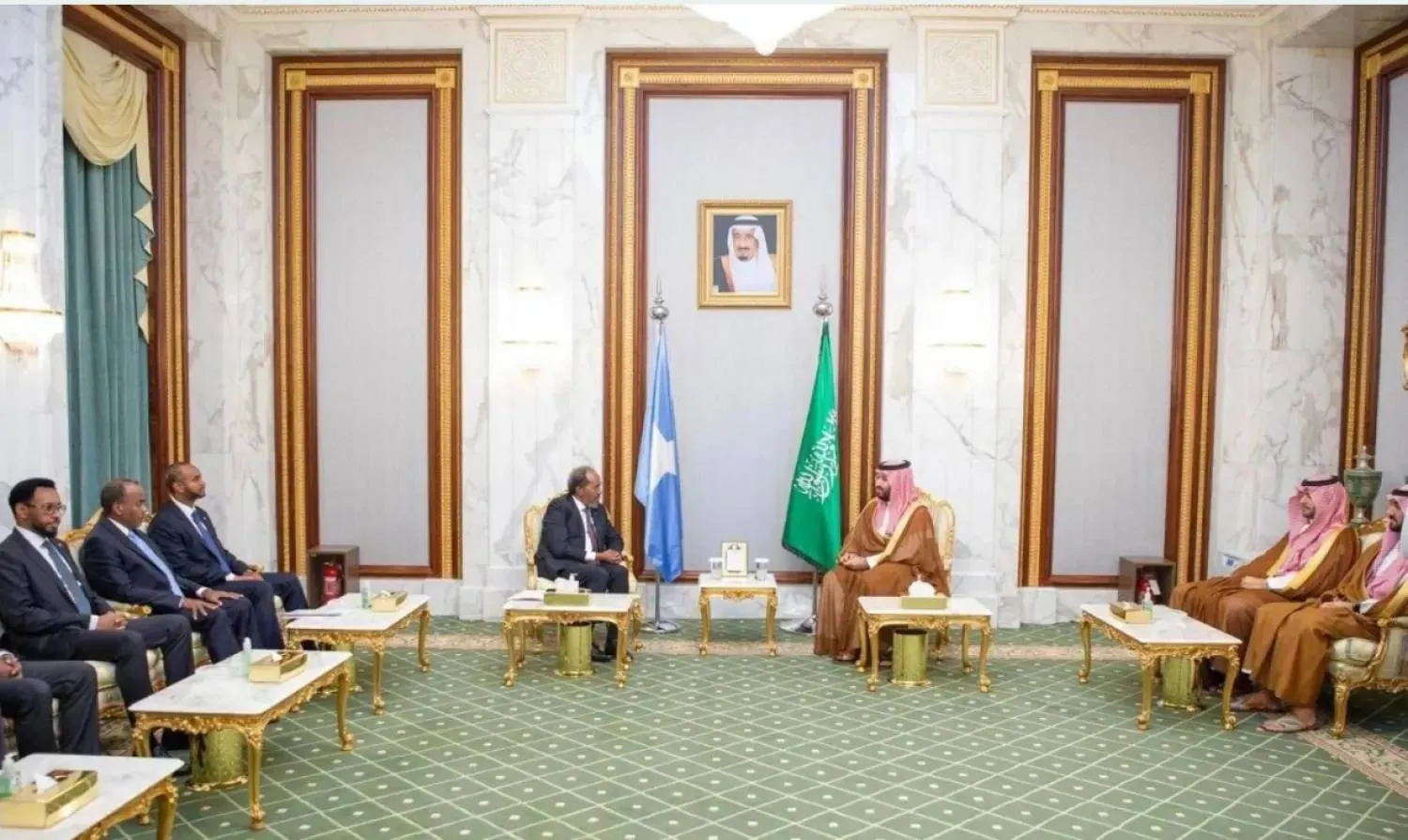
Turkish Foreign Minister Hakan Fidan on Wednesday ​met with Hamas political bureau officials in Ankara to discuss the ceasefire in Gaza and advancing the ‌agreement to ‌its ‌second ⁠phase, ​a ‌Turkish Foreign Ministry source said according to Reuters.

The source said the Hamas officials told Fidan that they had fulfilled ⁠their requirements as ‌part of the ‍ceasefire ‍deal, but that Israel's ‍continued targeting of Gaza aimed to prevent the agreement from ​moving to the next phase.

The Hamas members ⁠also said humanitarian aid entering Gaza was not sufficient, and that goods like medication, equipment for housing, and fuel were needed, the source ‌added.


Israel Says It Killed Hamas Financial Officer in Gaza

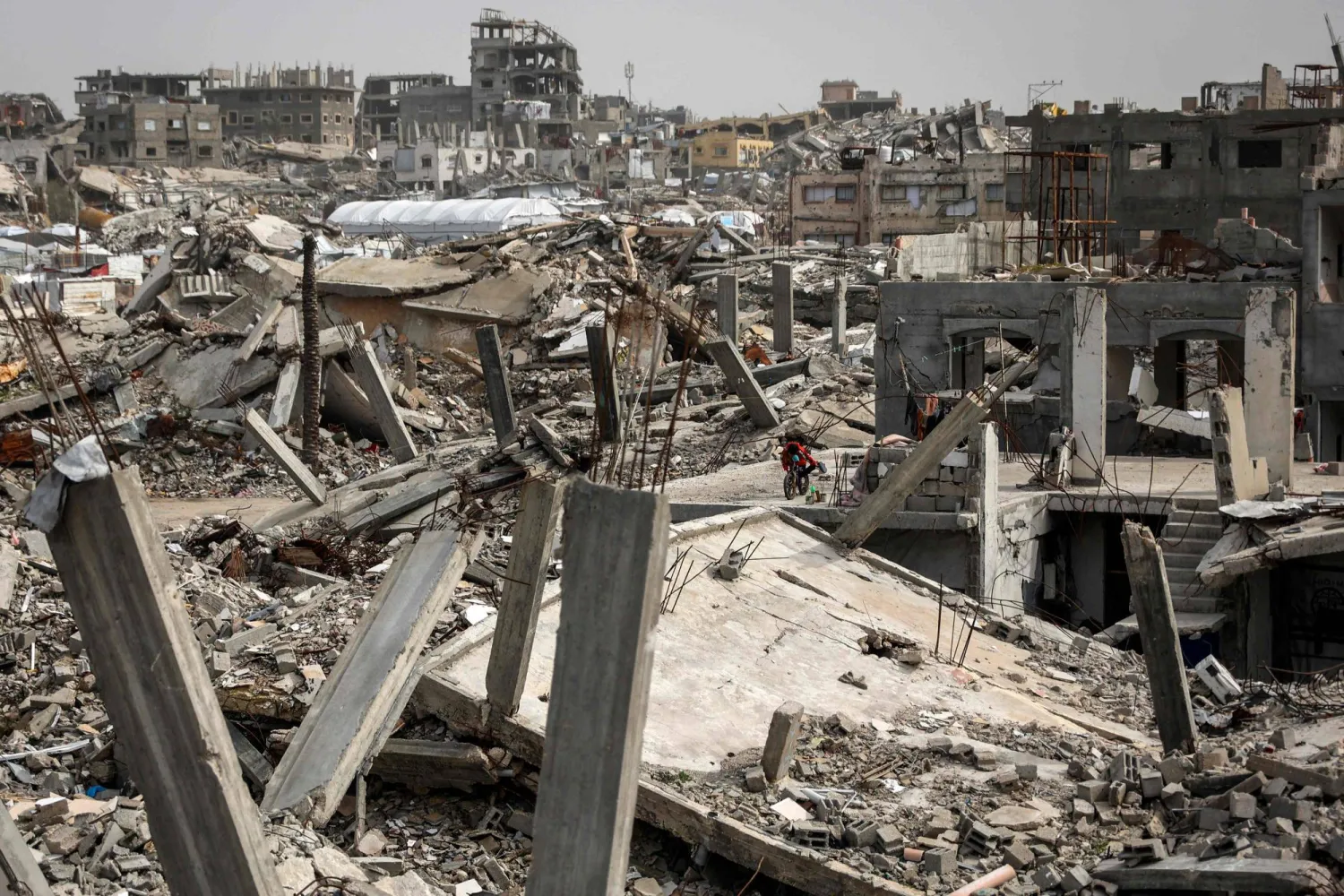
Buildings destroyed during Israeli ground and air operations stand in the Gaza Strip, as seen from southern Israel, Thursday, Dec. 18, 2025. (AP)
TT

Israel Says It Killed Hamas Financial Officer in Gaza

Buildings destroyed during Israeli ground and air operations stand in the Gaza Strip, as seen from southern Israel, Thursday, Dec. 18, 2025. (AP)

The Israeli army said Wednesday that it had identified a Hamas financial official it killed two weeks ago in a strike in the Gaza Strip.

Abdel Hay Zaqut, a financial official in Hamas's armed wing, on December 13 in the same strike that killed military commander Raed Saad, seen by Israel as one of the architects of Hamas's October 7, 2023 attack.

The Israeli army's Arabic-language spokesperson, Avichay Adraee, said on Wednesday that Zaqut was killed while he was in a vehicle alongside Raed Saad in "a joint operation by the Israeli army and the Shin Bet", Israel's internal security agency.

Zaqut "belonged to the financial department of the armed wing" of Hamas, Adraee wrote on X.

"Over the past year, Zaqut was responsible for collecting and transferring tens of millions of dollars to Hamas's armed wing with the aim of continuing the fight against the State of Israel," he said.

Hamas's leader for the Gaza Strip, Khalil al-Hayya, confirmed on December 14 the death of Saad and "his companions", though he did not name Zaqut.

The Israeli army said Saad headed the weapons production headquarters of Hamas's military wing and oversaw the group's build-up of capabilities.

Since October 10, a fragile truce has been in force in the Gaza Strip, although Israel and Hamas accuse each other of violations.

The war began with Hamas's 2023 attack on Israel, which resulted in the deaths of more than 1,200 people, most of them civilians, according to an AFP tally based on official figures.

Israel's retaliatory campaign has killed more than 70,000 people in the Gaza Strip, according to the health ministry in the Hamas-run territory, a figure the UN deems is credible.


Lebanon Central Bank Governor Expresses Reservations Over Draft Law on Deposit Recovery

 Lebanese Prime Minister Nawaf Salam heads a cabinet meeting in Beirut, Lebanon December 23, 2025. (Reuters)
Lebanese Prime Minister Nawaf Salam heads a cabinet meeting in Beirut, Lebanon December 23, 2025. (Reuters)
TT

Lebanon Central Bank Governor Expresses Reservations Over Draft Law on Deposit Recovery

 Lebanese Prime Minister Nawaf Salam heads a cabinet meeting in Beirut, Lebanon December 23, 2025. (Reuters)
Lebanese Prime Minister Nawaf Salam heads a cabinet meeting in Beirut, Lebanon December 23, 2025. (Reuters)

Lebanon’s Central Bank governor has expressed some reservations over a draft law allowing depositors to gradually recover funds ​frozen in the banking system since a financial collapse in 2019, a move critical to reviving the economy.

Karim Souaid described the proposed timetable for the cash component of deposit repayments as "somewhat ambitious" in a statement on Tuesday.

He suggested ‌it may ‌be adjusted without hindering ‌the depositors' ⁠rights ​guarantee "regular, ‌uninterrupted, and complete payments over time".

He also urged the cabinet to conduct a careful review of the draft law , calling for clarifications to ensure fairness and credibility before it is submitted to parliament.

The central ⁠bank governor said the draft required further refinement, ‌including clearer provisions to guarantee equitable ‍treatment of depositors ‍and to reinforce the state’s commitments ‍under the law.

The 2019 financial collapse - the result of decades of unsustainable financial policies, waste and corruption - led the state to default ​on its sovereign debt and sank the Lebanese pound.

The draft law marks ⁠the first time Beirut has put forward legislation aimed at addressing a vast funding shortfall - estimated at $70 billion in 2022 but now believed to be higher.

Prime Minister Nawaf Salam on Monday urged ministers to swiftly approve the draft legislation.

The cabinet discussed the law on Monday and Tuesday and is set to continue discussions ‌on Friday.