


Syrian Refugees Deported from Lebanon Face Arrest, Conscription, Say Relatives

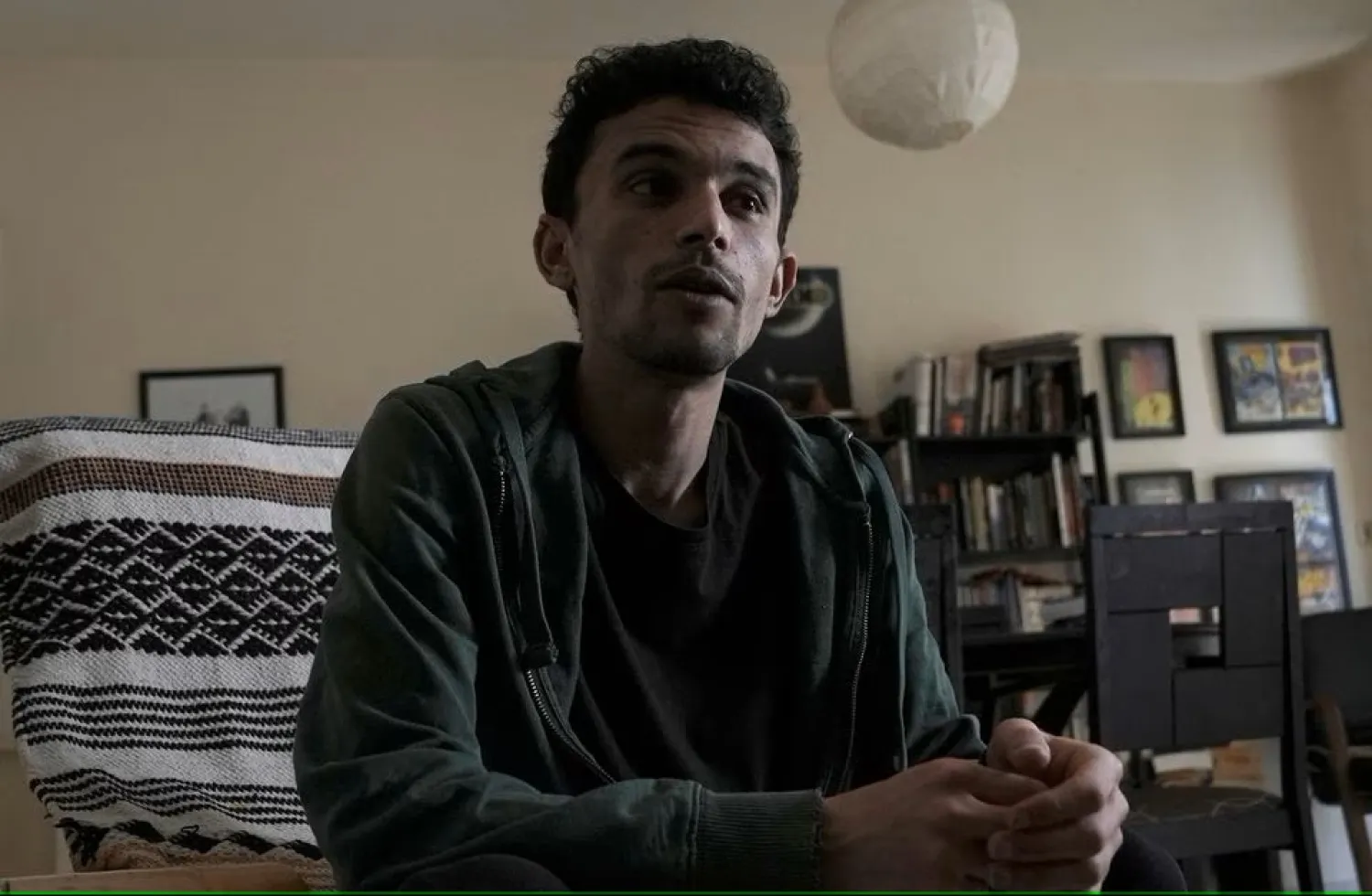
Youssef, a Syrian refugee and single father of two girls, attends an interview with Reuters, in Beirut, Lebanon April 26, 2023. REUTERS/Issam Abdallah
TT

Syrian Refugees Deported from Lebanon Face Arrest, Conscription, Say Relatives

Youssef, a Syrian refugee and single father of two girls, attends an interview with Reuters, in Beirut, Lebanon April 26, 2023. REUTERS/Issam Abdallah

Syrian refugees detained by security forces in Lebanon and deported have been subject to arrest and forced conscription upon return to their war-ravaged homeland, their relatives and rights advocates have told Reuters.

Some said their loved ones were being held by the Syrian army's Fourth Division, which is headed by President Bashar al-Assad's brother and has been sanctioned for rights violations.

Amnesty International says the deportations are a "clear violation" by Lebanon of international law under the principle of "non-refoulment," which prohibits nations from forcibly returning anyone to a country where they risk persecution.

The Syrian government did not respond to a request for comment. The Lebanese army, which has been carrying out the deportations according to Amnesty International, aid workers and witnesses, declined to comment.

Lebanon is home to some 800,000 Syrians registered with the United Nations refugee agency (UNHCR) who have fled since the war erupted in 2011. Lebanese authorities say the real number of Syrians in their country is 2 million.

One refugee told Reuters he and his three brothers were detained in a raid on a camp in Lebanon in late April. Because his brothers did not have legal residency, they were deported.

"They managed to get in touch with me from inside Syria, saying they were being held by the Fourth Division. I still don't know if they're alright," he said, asking to speak anonymously because of fear of reprisals.

Another refugee said he was briefly held by the Fourth Division after being deported but paid smugglers to return to Lebanon.

A senior humanitarian source said more than 450 Syrians were arrested in more than a dozen raids by the Lebanese army or at ad hoc checkpoints in April. More than 130 were deported.

'NO EXCUSE' FOR DEPORTATIONS

Another senior humanitarian source confirmed that Syrians registered with the United Nations had been deported, including unaccompanied minors. The Norwegian Refugee Council said a beneficiary of one of its youth programs was deported.

Ismail told Reuters his three sons Hassan, Imad and Mohammad were taken by Lebanese security forces during a raid on their home and deported because they did not have valid residency papers.

"Imad and Mohammad are wanted by the Syrian army for not completing their military service. They're hiding at a family friend's house but have to begin their service within the week," Ismail, who only wanted to give his first name, told Reuters.

"Hassan is just 15 and is so scared he's having heart palpitations."

The UN's Commission of Inquiry said in March that Syria "is still not a safe place to return to," partly because of ongoing detentions and rights violations by security forces.

Amnesty International said it had documented at least four cases in which Syrians were arrested following their deportation from Lebanon, in addition to separate cases of conscription.

"There is absolutely no excuse for the Lebanese state to violate its international legal obligation by summarily returning refugees to a country where they fear persecution," said Amnesty's regional deputy director, Aya Majzoub.

Majzoub said the April deportations were accompanied by a wave of hate speech, restrictive measures by Lebanese municipalities hosting Syrians and comments by officials that created a "coercive environment" that pressured refugees to leave.

Youssef, a Syrian refugee and single father of two, said he was so afraid of being deported and conscripted that he had stopped leaving his home in Lebanon.

"This permanent discrimination creates a state of fear of meeting anyone new – even interacting with your neighbor or the local shop owner downstairs," he said.



Rescue Teams Search for Survivors in Building Collapse that Killed at Least 2 in Northern Lebanon

A Lebanese flag is pictured, in the aftermath of a massive explosion, in Beirut's damaged port area, Lebanon August 17, 2020. REUTERS/Hannah McKay
TT

Rescue Teams Search for Survivors in Building Collapse that Killed at Least 2 in Northern Lebanon

A Lebanese flag is pictured, in the aftermath of a massive explosion, in Beirut's damaged port area, Lebanon August 17, 2020. REUTERS/Hannah McKay

At least two people were killed and four rescued from the rubble of a multistory apartment building that collapsed Sunday in the city of Tripoli in northern Lebanon, state media reported.

Rescue teams were continuing to dig through the rubble. It was not immediately clear how many people were in the building when it fell.

The bodies pulled out were of a child and a woman, the state-run National News Agency reported.

Dozens of people crowded around the site of the crater left by the collapsed building, with some shooting in the air.

The building was in the neighborhood of Bab Tabbaneh, one of the poorest areas in Lebanon’s second largest city, where residents have long complained of government neglect and shoddy infrastructure. Building collapses are not uncommon in Tripoli due to poor building standards, according to The AP news.

Lebanon’s Health Ministry announced that those injured in the collapse would receive treatment at the state’s expense.

The national syndicate for property owners in a statement called the collapse the result of “blatant negligence and shortcomings of the Lebanese state toward the safety of citizens and their housing security,” and said it is “not an isolated incident.”

The syndicate called for the government to launch a comprehensive national survey of buildings at risk of collapse.


Israel to Take More West Bank Powers and Relax Settler Land Buys

A view of Israeli settlement of Maale Adumim, in the West Bank, Sunday, June 18, 2023. (AP)
TT

Israel to Take More West Bank Powers and Relax Settler Land Buys

A view of Israeli settlement of Maale Adumim, in the West Bank, Sunday, June 18, 2023. (AP)

Israel's security cabinet approved a series of steps on Sunday that would make it easier for settlers in the occupied West Bank to buy land while granting Israeli authorities more enforcement powers over Palestinians, Israeli media reported.

The West Bank is among the territories that the Palestinians seek for a future independent state. Much of it is under Israeli military control, with limited Palestinian self-rule in some areas run by the Western-backed Palestinian Authority (PA).

Citing statements by Finance Minister Bezalel Smotrich and Defense Minister Israel Katz, Israeli news sites Ynet and Haaretz said the measures included scrapping decades-old regulations that prevent Jewish private citizens buying land in the West Bank, The AP news reported.

They were also reported to include allowing Israeli authorities to administer some religious sites, and expand supervision and enforcement in areas under PA administration in matters of environmental hazards, water offences and damage to archaeological sites.

Palestinian President Mahmoud Abbas said the new measures were dangerous, illegal and tantamount to de-facto annexation.

The Israeli ministers did not immediately respond to requests for comment.

The new measures come three days before Prime Minister Benjamin Netanyahu is scheduled to meet in Washington with US President Donald Trump.

Trump has ruled out Israeli annexation of the West Bank but his administration has not sought to curb Israel's accelerated settlement building, which the Palestinians say denies them a potential state by eating away at its territory.

Netanyahu, who is facing an election later this year, deems the establishment of any Palestinian state a security threat.

His ruling coalition includes many pro-settler members who want Israel to annex the West Bank, land captured in the 1967 Middle East war to which Israel cites biblical and historical ties.

The United Nations' highest court said in a non-binding advisory opinion in 2024 that Israel's occupation of Palestinian territories and settlements there is illegal and should be ended as soon as possible. Israel disputes this view.


Arab League Condemns Attack on Aid Convoys in Sudan

A general view shows the opening session of the meeting of Arab foreign ministers at the Arab League Headquarters (Reuters)
TT

Arab League Condemns Attack on Aid Convoys in Sudan

A general view shows the opening session of the meeting of Arab foreign ministers at the Arab League Headquarters (Reuters)

Arab League Secretary-General Ahmed Aboul Gheit strongly condemned the attack by the Rapid Support Forces on humanitarian aid convoys and relief workers in North Kordofan State, Sudan.

In a statement reported by SPA, secretary-general's spokesperson Jamal Rushdi quoted Aboul Gheit as saying the attack constitutes a war crime under international humanitarian law, which prohibits the deliberate targeting of civilians and depriving them of their means of survival.

Aboul Gheit stressed the need to hold those responsible accountable, end impunity, and ensure the full protection of civilians, humanitarian workers, and relief facilities in Sudan.
