


Iraq Anticipates Iranian Strike against Kurdish Opposition

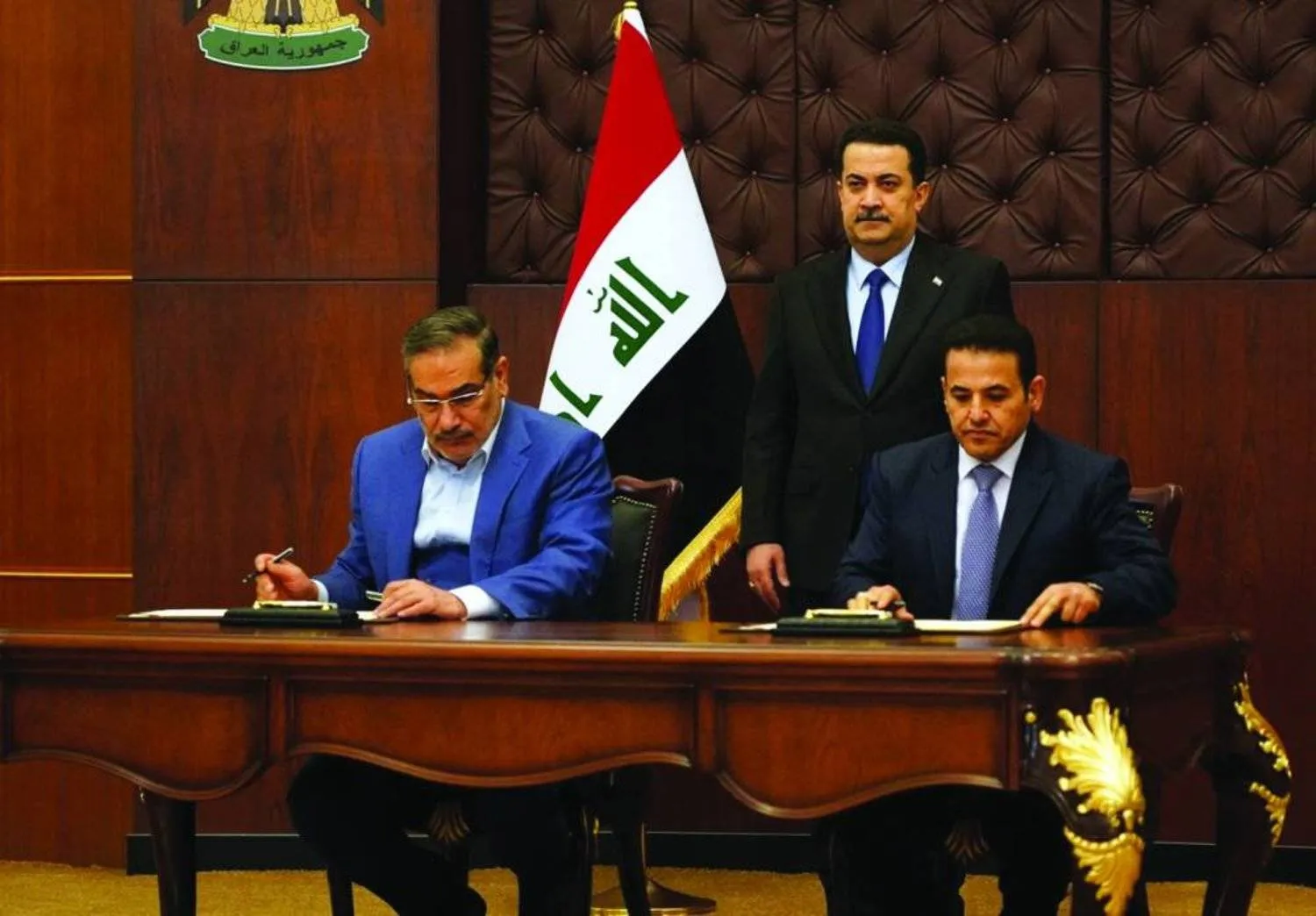
 Secretary of the Iranian Supreme National Security Council Ali Shamkhani and  National Security Advisor, Qasim Al-Araji sign the agreement documents, in the presence of Al-Sudani in Baghdad in March. (Reuters)
Secretary of the Iranian Supreme National Security Council Ali Shamkhani and National Security Advisor, Qasim Al-Araji sign the agreement documents, in the presence of Al-Sudani in Baghdad in March. (Reuters)
TT

Iraq Anticipates Iranian Strike against Kurdish Opposition

 Secretary of the Iranian Supreme National Security Council Ali Shamkhani and  National Security Advisor, Qasim Al-Araji sign the agreement documents, in the presence of Al-Sudani in Baghdad in March. (Reuters)
Secretary of the Iranian Supreme National Security Council Ali Shamkhani and National Security Advisor, Qasim Al-Araji sign the agreement documents, in the presence of Al-Sudani in Baghdad in March. (Reuters)

Iraq anticipated a potential Iranian strike against the Kurdish opposition groups in the Kurdistan region, through tours conducted by National Security Advisor Qasim Al-Araji to Baghdad, Sulaymaniyah and Tehran.

In March, Prime Minister Mohammad Shia al-Sudani’s government signed a security protocol for cooperation and coordination with Iran, on the sidelines of a visit by the Secretary of the Iranian Supreme National Security Council, Ali Shamkhani, to Baghdad.

Since then and until the beginning of May, the Iraqi Border Guard forces set up more than 30 surveillance towers in the Kurdistan region, on the Iraqi-Iranian border, to prevent smuggling from both sides, according to a security report.

Last week, Al-Araji discussed with the military attaché at the Tehran embassy in Baghdad, measures to secure the borders between the two countries.

Al-Araji’s office reported that he had “received a directive from Sudani to travel to the Kurdistan region to discuss the same issue with officials there.”

Meanwhile, Iranian officials who visited Iraq, since the beginning of 2023, focused on the matter of “armed Kurdish groups opposing Tehran, which are active in areas of the Kurdistan region.” Tehran has always repeated that it “will not, under any circumstances, accept threats from Iraqi soil.”

During a meeting earlier this month, Al-Araji discussed with the Minister of Interior of the Kurdistan Region, Rebar Ahmed, securing the borders with Iran, before the Iraqi official traveled to Sulaymaniyah to meet the leader of the Patriotic Union, Bafel Talabani.

The two Kurdish officials said, in separate statements, that the security authorities in the region were working to complete the procedures stipulated in the “security report”.

Various Kurdish sources noted that the Kurdish parties were facing difficulties in dealing with the Iranian Kurdish opposition groups. In fact, a number of those belong to leftist currents that have historical ties and interests with local groups.

Other sources said that the issue “goes beyond historical national ties, and involves political maneuvers related to the internal conflict in the Kurdistan region.”

In Iran, Al-Araji met on Monday with the Secretary of the Iranian Supreme National Security Council, Ali Akbar Ahmadian. According to Iraqi sources, the latter received Iraqi pledges to control the borders, and messages from Kurdish parties about “guarantees not to allow any opposition group to target Iran’s interests.”

However, Kurdish sources stressed that Iran wanted to “expel these groups from Iraqi territory.”

Ahmadian told the Iraqi delegation that Tehran wanted “to end the presence of the Iranian Kurdish opposition parties in the Kurdistan region.”

He described the security protocol signed between the two countries as “a road map that guarantees the security and stability of the common borders.”



EU Condemns Israel's West Bank Control Measures

The Israeli settlement of Har Homa, seen from the West Bank city of Bethlehem, Tuesday, Dec. 17, 2024. (AP)
TT

EU Condemns Israel's West Bank Control Measures

The Israeli settlement of Har Homa, seen from the West Bank city of Bethlehem, Tuesday, Dec. 17, 2024. (AP)

The European Union on Monday condemned new Israeli measures to tighten control of the West Bank and pave the way for more settlements in the occupied Palestinian territory, AFP reported.

"The European Union condemns recent decisions by Israel's security cabinet to expand Israeli control in the West Bank. This move is another step in the wrong direction," EU spokesman Anouar El Anouni told journalists.


Atrocities in Sudan's El-Fasher Were 'Preventable Human Rights Catastrophe'

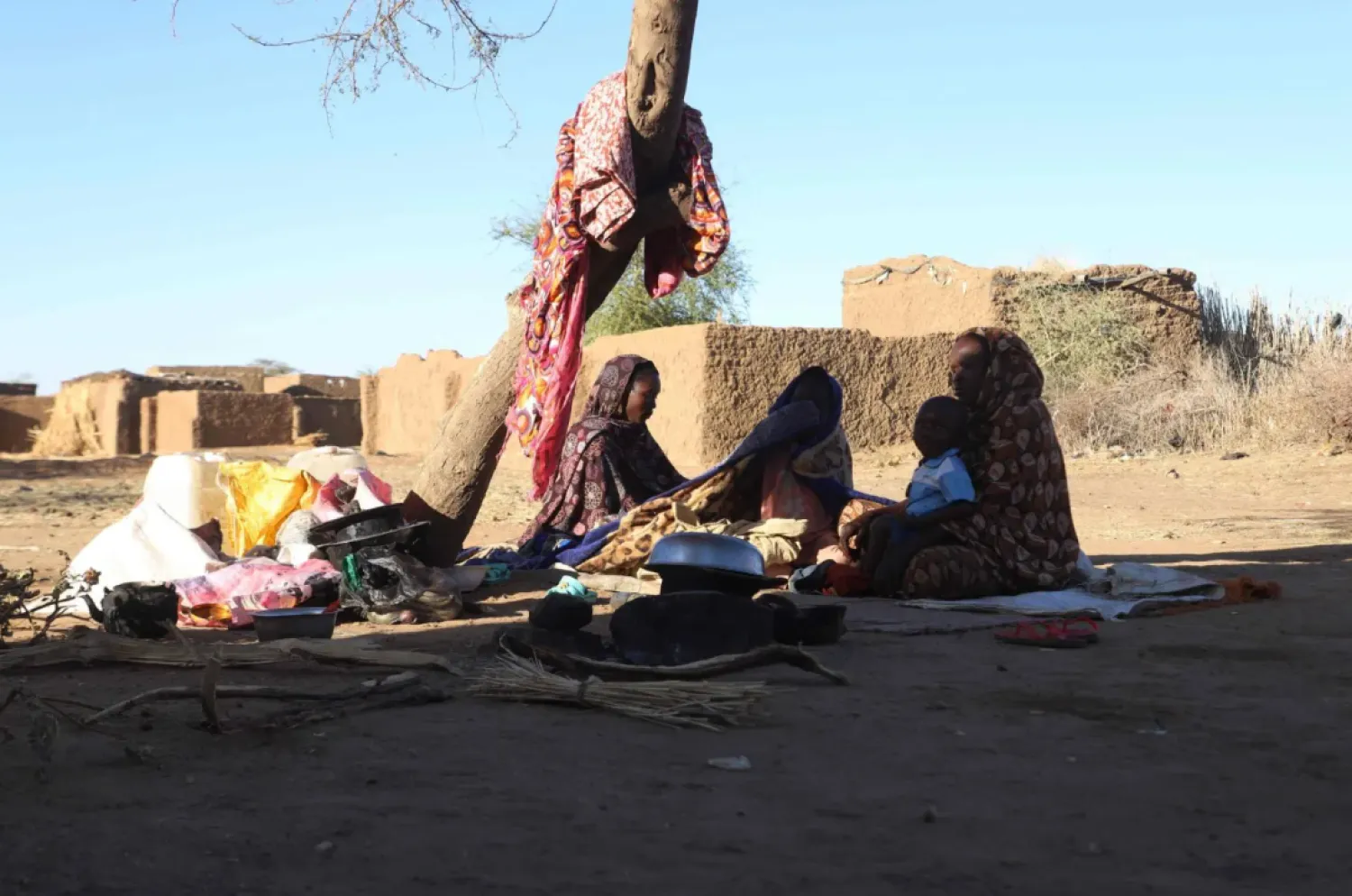
Sudanese displaced people who left El Fasher after its fall, sit in the shade in Tawila at the Rwanda camp reception point on December 17, 2025. (Photo by AFP)
TT

Atrocities in Sudan's El-Fasher Were 'Preventable Human Rights Catastrophe'

Sudanese displaced people who left El Fasher after its fall, sit in the shade in Tawila at the Rwanda camp reception point on December 17, 2025. (Photo by AFP)

The atrocities unleashed on El-Fasher in Sudan's Darfur region last October were a "preventable human rights catastrophe", the United Nations said Monday, warning they now risked being repeated in the neighbouring Kordofan region.


"My office sounded the alarm about the risk of mass atrocities in the besieged city of El-Fasher for more than a year ... but our warnings were ignored," UN rights chief Volker Turk told the Human Rights Council in Geneva.


He added that he was now "extremely concerned that these violations and abuses may be repeated in the Kordofan region".


Arab League Condemns Israel's Decisions to Alter Legal, Administrative Status of West Bank

A general view shows the opening session of the meeting of Arab foreign ministers at the Arab League Headquarters (Reuters)
TT

Arab League Condemns Israel's Decisions to Alter Legal, Administrative Status of West Bank

A general view shows the opening session of the meeting of Arab foreign ministers at the Arab League Headquarters (Reuters)

The General Secretariat of the Arab League strongly condemned decisions by Israeli occupation authorities to impose fundamental changes on the legal and administrative status of the occupied Palestinian territories, particularly in the West Bank, describing them as a dangerous escalation and a flagrant violation of international law, international legitimacy resolutions, and signed agreements, SPA reported.

In a statement, the Arab League said the measures include facilitating the confiscation of private Palestinian property and transferring planning and licensing authorities in the city of Hebron and the area surrounding the Ibrahimi Mosque to occupation authorities.

It warned of the serious repercussions of these actions on the rights of the Palestinian people and on Islamic and Christian holy sites.

The statement reaffirmed the Arab League’s firm support for the legitimate rights of the Palestinian people, foremost among them the establishment of their independent state on the June 4, 1967 borders, with East Jerusalem as its capital.