


‘Joys of Life’: Hong Kong Food Traditions Endure in City of Flux

This picture taken on June 8, 2023, shows a bamboo steamer of Yum Cha, Cantonese brunch involving tea and dim sum, on a table at a restaurant in Hong Kong. (AFP)
TT

‘Joys of Life’: Hong Kong Food Traditions Endure in City of Flux

This picture taken on June 8, 2023, shows a bamboo steamer of Yum Cha, Cantonese brunch involving tea and dim sum, on a table at a restaurant in Hong Kong. (AFP)

Bent over a low bench in his cluttered Hong Kong workshop, dark-framed glasses perched on his nose, Lui Ming deftly assembles a bamboo steamer, a utensil essential to Cantonese cooking.

It's a craft the 93-year-old has been perfecting for seven decades, and steamers like his are an indispensable part of yum cha, the Cantonese brunch involving tea and dim sum -- perhaps the most prized culinary ritual in the city.

The circular bamboo baskets are ferried in small trolleys around yum cha restaurants, filled with bite-sized dumplings and other delicacies.

"My only hobbies are yum cha and Cantonese opera," Lui tells AFP while twisting thin strips of bamboo to build the single most important dim sum-making tool.

"Those are the joys of my life."

Hong Kong is equally acclaimed for its fine dining restaurants and its street-side eateries, and the enduring use of handwoven steamers in both is part of a set of unique food traditions that have shaped its culinary landscape for generations.

As in many modern metropoles, the flow of commerce in the finance hub brings constant change, but Hong Kong´s cuisine remains wedded to a network of traditions that residents view as staunch markers of local identity.

"Bamboo steamers absorb moisture and there won't be condensation (on the lid)," Lui explains, adding that metal or plastic versions would never pass as part of an authentic yum cha experience in Hong Kong.

But he does add steel around the bamboo rim to make his steamers more durable and improve insulation, an innovation he says he pioneered.

"For steaming buns, there is no substitute."

Hong Kong institutions

Liu's shop is located on Shanghai Street, a historic stretch of road in Hong Kong's Kowloon district that is a treasure trove of kitchenware and utensils.

One block north is Chan Chi Kee cutlery -- a family-run Hong Kong institution more than 100 years old.

Retired craftsman Mr. Chan, who is part of the clan that runs the shop and now in his 80s, spends much of his time there.

He started forging cleavers when he was around 15 years old as part of the already-established family business.

"I was given a piece of metal and shaped it into a knife," he says, giving only his surname.

"It was on the mountainside in the squatter huts... But eventually there was not enough space -- they built housing there."

Today, Chinese chefs from around the world visit Chan Chi Kee's storefront on Shanghai Street to buy handcrafted cleavers and woks.

"At least 80 percent of Chinese restaurants in Hong Kong use our knives," Chan tells AFP.

But rising property prices and the city's shift away from manufacturing has pushed the bulk of production for the knives, woks and steamers to Guangzhou, China -- though a small select stock is still "Made in Hong Kong".

Increased wages have also contributed to soaring costs, says Wong Yan-wai, a dried seafood trader for over three decades.

"Most dried seafood is not processed in Hong Kong because of the high cost," Wong, 53, tells AFP.

The fresh seafood is caught across the world and dried on-site -- in South Africa, Japan, Brazil and Australia -- before being shipped to Wong's shop on Des Voeux Road.

More colloquially known as "Dried Seafood Street", it and its neighboring side streets are home to nearly 200 vendors hawking dried scallops, bird's nest, abalone, sea cucumber and more.

Pulling out a dried fish bladder from an ornate gold box, Wong says it is priced at 168,000 Hong Kong dollars ($21,500) due to its age and size.

"For businesses that do well, they can make 800 million to a billion Hong Kong dollars a year in revenue."

'Modernize Cantonese food'

Ten minutes away, ArChan Chan deftly flips dried shrimp in a carbon steel Chan Chi Kee wok to make her version of the classic Cantonese dish known as stir-fry king.

The 37-year-old chef at Ho Lee Fook, located in the glitzy Central district, is one of the city's most celebrated women chefs and among a handful of young innovators redefining Cantonese food.

"One of the biggest challenges I have is how to modernize Cantonese food," ArChan says.

The answer lies in sourcing quality ingredients while making small tweaks to dishes' flavor profiles, such as adding fermented aged garlic soy to a classic razor clam dish.

In her sleek kitchen, Archan lifts the lid of a bamboo steamer to unveil three glistening vegetable dumplings, ready to be served.

"There is such a big wealth of knowledge," she tells AFP. "I want to be able to learn and absorb as much as possible and just to pass it on."


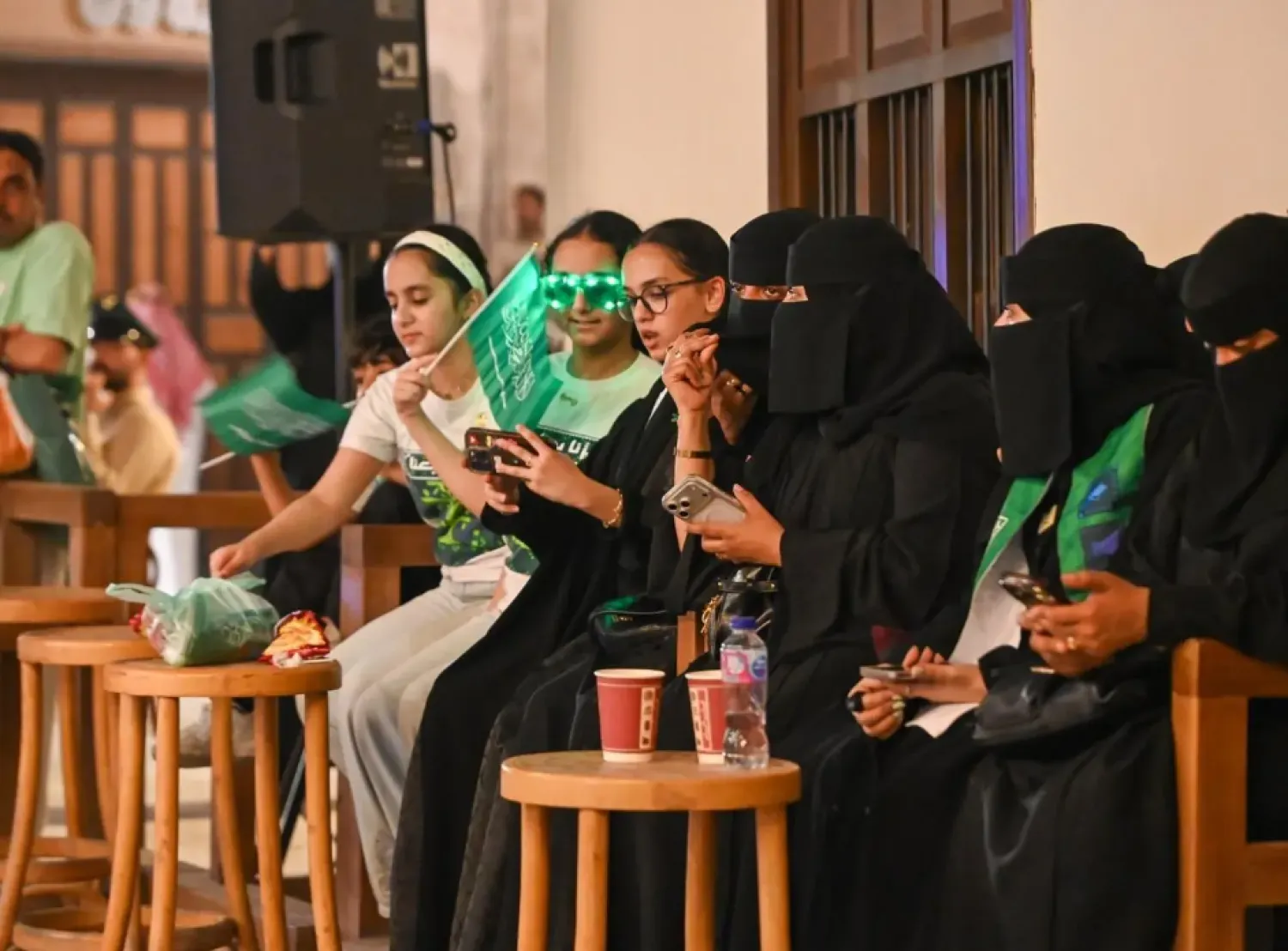

Cultural Camp at King Abdulaziz Camel Festival Showcases Saudi Heritage

The camp celebrates authentic Saudi heritage and reinforces culture as a cornerstone of national identity - SPA
TT

Cultural Camp at King Abdulaziz Camel Festival Showcases Saudi Heritage

The camp celebrates authentic Saudi heritage and reinforces culture as a cornerstone of national identity - SPA

The cultural camp is a key feature of the 10th King Abdulaziz Camel Festival, held in Al-Sayahid desert. The camp celebrates authentic Saudi heritage and reinforces culture as a cornerstone of national identity, according to SPA.

It offers a range of programs, including live performances and interactive events, that highlight camels' historical significance in Arab culture and illustrate the values of patience, strength, and belonging.

The camp has attracted over 2,000 guests from 71 nationalities, emphasizing its global appeal as a cultural platform for diversity and tradition.

Visitors engage with cultural content through innovative methods that merge authenticity with modern technology, enhancing awareness of the camel's cultural legacy. This initiative aligns with Saudi Vision 2030 by preserving heritage and connecting younger generations with their roots.


Tuwaiq Sculpture 2026 Announces 25 Participating Artists for Seventh Edition

The 2026 edition features a month-long live sculpting phase alongside a community engagement program - SPA
TT

Tuwaiq Sculpture 2026 Announces 25 Participating Artists for Seventh Edition

The 2026 edition features a month-long live sculpting phase alongside a community engagement program - SPA

Under the Royal Commission for Riyadh City and Riyadh Art, Tuwaiq Sculpture has announced the selection of 25 artists for the seventh edition of the annual sculpture symposium and exhibition, taking place from January 10 to February 22, 2026.

This year’s edition unfolds under the curatorial theme “Traces of What Will Be,” inviting artists to reflect on how sculptural form can express the physical, cultural and conceptual traces that shape the future of cities and communities, SPA reported.

A total of 25 artists from 18 countries, including Saudi artists, have been selected for the seventh edition. Their proposals reflect a diverse range of artistic approaches, responding to the theme through explorations of transformation, place, and materiality.

Director of the Tuwaiq Sculpture Symposium Sarah Alruwayti said: "The seventh edition of Tuwaiq Sculpture received more than 590 applications, reflecting the cultural diversity and global interest in the symposium. The selection of the 25 participating artists was carried out by a jury of industry experts and specialists. Their proposals show meaningful engagement with the theme and reflect the strength and diversity of contemporary sculptural practice. We look forward to welcoming them to Riyadh for the creation of new works that will become lasting additions to the city.”

Building on the evolving material practice of the symposium, Tuwaiq Sculpture 2026 introduces two sculpting categories: granite with optional stainless-steel integration and reclaimed metal. Twenty artists will work in granite, while five will create new works in reclaimed metal. Over four weeks, they will produce large-scale sculptures that will later be added to Riyadh Art’s permanent public art collection.

The 2026 edition features a month-long live sculpting phase alongside a community engagement program, inviting visitors to witness the creation of artworks and take part in panel discussions and workshops. The symposium will conclude with a public exhibition showcasing the completed sculptures from its seventh edition.


ALECSO Celebrates Opening of Arabic Calligraphy Center in Saudi Arabia

Arabic calligraphy adorns wrcades, Walls of the Grand Mosque of Makkah - SPA
TT

ALECSO Celebrates Opening of Arabic Calligraphy Center in Saudi Arabia

Arabic calligraphy adorns wrcades, Walls of the Grand Mosque of Makkah - SPA

The Arab League of Educational, Cultural and Scientific Organization (ALECSO) congratulated Saudi Arabia on the opening of the Prince Mohammed bin Salman Global Center for Arabic Calligraphy in Madinah on December 22, 2025.

In a statement, ALECSO called the center a significant addition to the Arab and Islamic cultural landscape, noting its role in preserving Arabic calligraphy and enhancing its global presence, SPA reported.

This achievement reflects the Kingdom's commitment to culture and heritage, aligning with Saudi Vision 2030’s objectives of fostering cultural creativity and reinforcing Arabic identity.

ALECSO emphasized that such institutions serve as global bridges for cultural exchange and ensure the relevance of traditional arts through dedicated research and training facilities.