


Voters in Neuschwanstein Area Back World Heritage Status Bid for Bavarian Palaces

Neuschwanstein Castle is seen in Schwangau, Germany, Thursday, June 15, 2023. (AP)
TT

Voters in Neuschwanstein Area Back World Heritage Status Bid for Bavarian Palaces

Neuschwanstein Castle is seen in Schwangau, Germany, Thursday, June 15, 2023. (AP)

Voters in the municipality where Neuschwanstein Castle is located have voted to approve a bid for UNESCO World Heritage status for the 19th century palaces built by King Ludwig II of Bavaria, some of which are among Germany’s most popular tourist attractions.

In a referendum on Sunday, some 56% of voters who turned out in the Schwangau municipality gave their approval to the bid, German news agency dpa reported. Officials plan to submit the bid officially to UNESCO early next year, with the UN body’s World Heritage Committee expected to make a decision in mid-2025.

German officials hope to win World Heritage status for four of Ludwig’s creations dotted across southern Bavaria. They are Linderhof Palace; Herrenchiemsee Palace, modeled on France’s Versailles and located on an island in a lake; Neuschwanstein Castle, a monument to medieval culture with inspiration from Richard Wagner; and the King’s House on Schachen, by far the least-known of the quartet.

Neuschwanstein and Herrenchiemsee weren’t completed by the time Ludwig, who had accumulated massive debts, died in 1886.

The local council in Schwangau opted to hold a referendum amid concern locally that World Heritage status could attract even more visitors to Neuschwanstein, already a tourist magnet, and lead to new restrictions on building in the area.

Mayor Stefan Rinke voiced satisfaction with the outcome. “With this, we have a clear remit from the population to actively support the state’s initiative,” he said.


Saudi Arabia: King Abdulaziz Library to Launch 26th Free Reading Festival

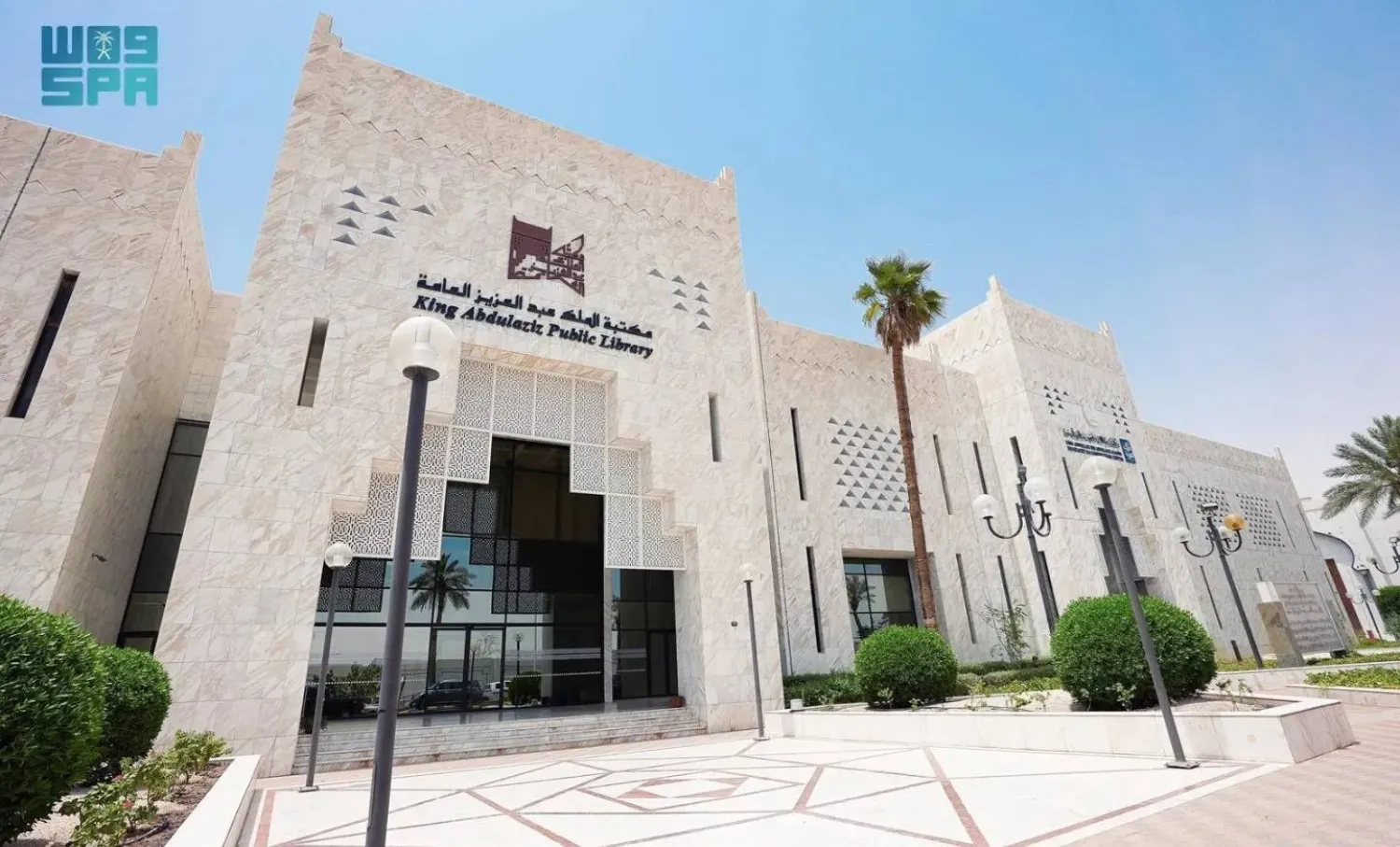
The King Abdulaziz Public Library. SPA
TT

Saudi Arabia: King Abdulaziz Library to Launch 26th Free Reading Festival

The King Abdulaziz Public Library. SPA

The King Abdulaziz Public Library, in cooperation with the Riyadh Education Department, will launch its 26th annual Free Reading Festival for public school students on Sunday.

Running from May 10 to 14 in Riyadh, the festival will bring together more than 100 schools, over 1,550 students, and a number of educators and teachers.

It aims to foster a love of reading and learning, expand students’ literary, scientific, and cultural horizons, and encourage teachers to promote independent reading. It will also provide a platform to showcase student talents and strengthen Arabic language skills.

Through initiatives like this festival, the King Abdulaziz Public Library promotes reading through diverse programs and a wide range of books that foster pride in the Kingdom’s heritage.


Qassim's Monday Market Retains Heritage Role as Economic and Cultural Hub

The Monday market in the governorate of Uyun Al-Jiwa. (SPA)
TT

Qassim's Monday Market Retains Heritage Role as Economic and Cultural Hub

The Monday market in the governorate of Uyun Al-Jiwa. (SPA)

The Monday market in the governorate of Uyun Al-Jiwa, north of Qassim Region, stands as one of the oldest traditional weekly markets, enduring through changing times while maintaining its role as a vibrant economic and cultural hub.

The market draws a growing number of visitors from across Qassim and beyond, supported by the governorate’s strategic location.

During a field tour, the Saudi Press Agency observed lively activity throughout the market, with stalls displaying a diverse range of products. These include agricultural goods such as almonds and dried figs; animal products like ghee and milk, for which the region is renowned; as well as handicrafts and natural items such as henna and sidr.

Visitors noted that the market has retained its authentic character, continuing to serve as a vital source of income for small vendors and families working in the cottage industry, reinforcing its role as a key platform for preserving traditional culture while supporting the local rural economy.


Heritage Commission Revives Al-Nasb Heritage District as Abha Cultural Tourism Destination

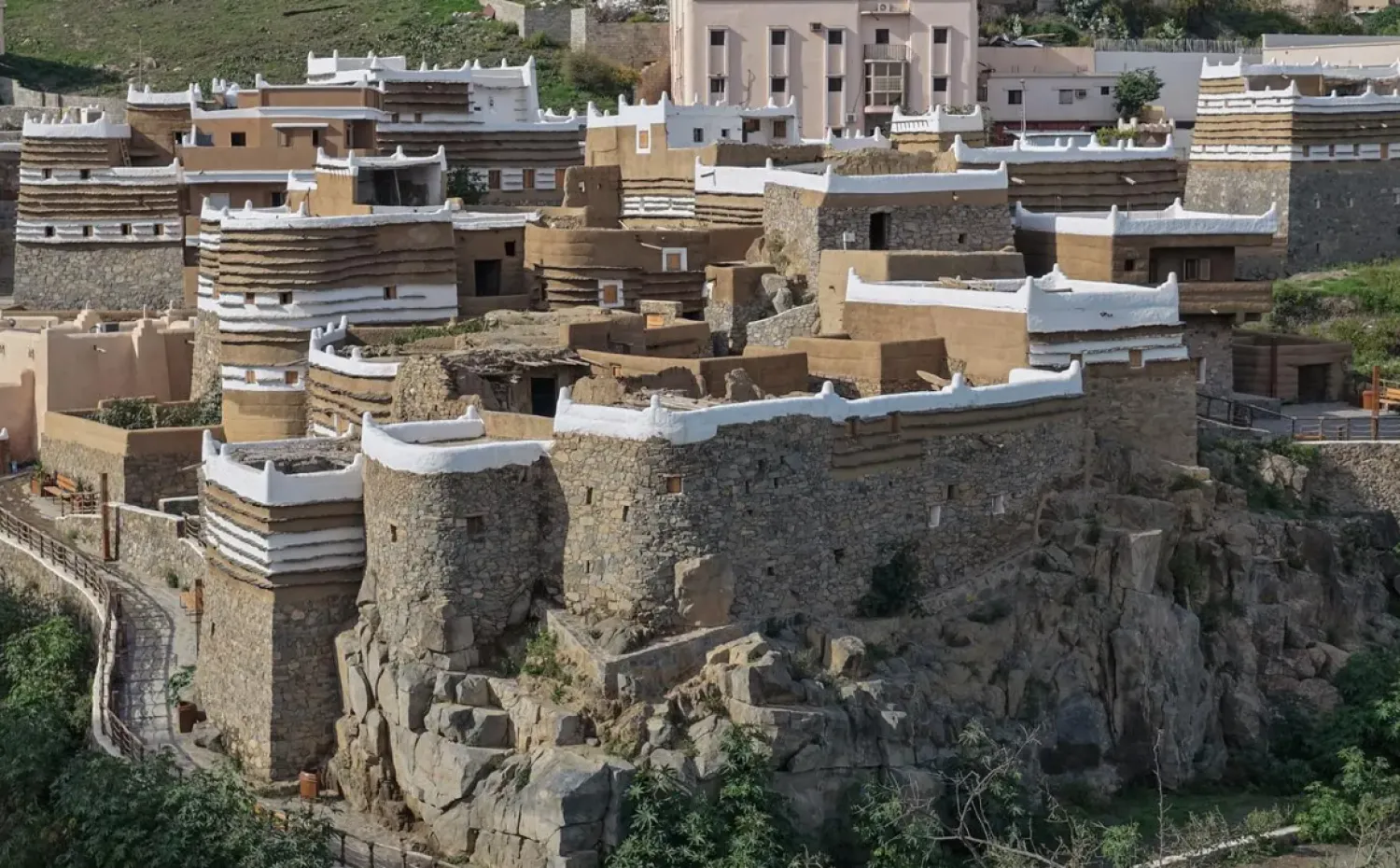
The district’s significance lies in its unique architectural composition - SPA
TT

Heritage Commission Revives Al-Nasb Heritage District as Abha Cultural Tourism Destination

The district’s significance lies in its unique architectural composition - SPA

Al-Nasb Heritage District in Abha is one of the most prominent living examples of traditional architecture in Aseer Region, preserving its long history and architectural details that embody people’s connection to their local environment and document the social and cultural patterns that have shaped the identity of the place across generations.

The district’s significance lies in its unique architectural composition, where mud and stone buildings stand side by side in visual harmony. They were built using local materials such as stone, clay, and juniper trunks, while the narrow alleyways and closely set buildings give the district a cohesive social character that reflects the spirit of past communities in the region and the close relationship between people and place.

The Heritage Commission has revived the district through an integrated restoration and rehabilitation project aimed at preserving its original elements and enhancing its sustainability, as part of national efforts to protect urban heritage and highlight it as a cultural and tourism asset, SPA reported.

The site is also distinguished by its natural setting, as the district overlooks the banks of Abha Valley and surrounding farms, giving it a distinctive visual and aesthetic dimension. Its narrow passageways and closely set buildings illustrate a traditional urban pattern that strengthens ties among residents and captures the nature of social life in that era.

The district is now a growing destination for culture and tourism in Abha, attracting visitors and heritage enthusiasts who come to explore the details of authentic architecture and learn about the traditional ways of life that have shaped Aseer Region’s identity across generations. The project helps raise awareness of the importance of preserving archaeological sites as a key pillar in forming national memory.

The project is part of the Kingdom’s efforts to protect and effectively manage cultural heritage, in line with the targets of Saudi Vision 2030, which gives special attention to the cultural sector. It seeks to turn heritage sites into vibrant spaces that support cultural tourism and sustainable development while reconnecting society with its historical roots.